Physical Silver Bars, Rounds, & Coins for Sale
Buy Silver Online
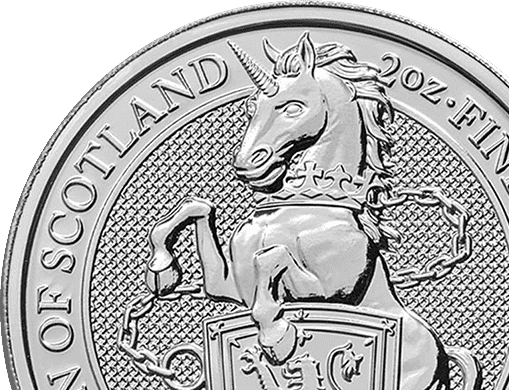
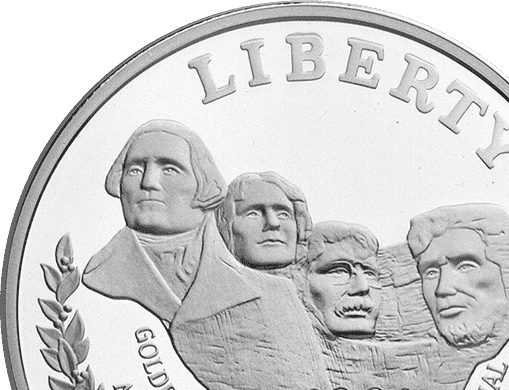
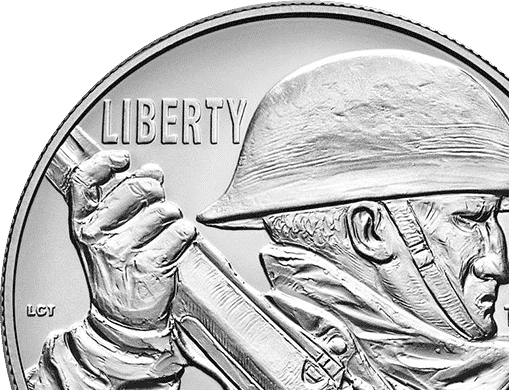
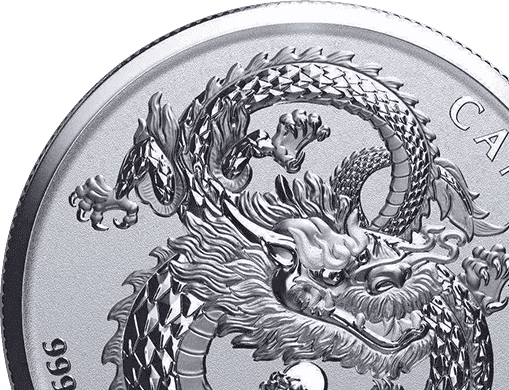
Our silver catalog covers the full spectrum of what active buyers are looking for, from fractional rounds and small-denomination bars to kilo coins and 100 oz commercial bars. Whether you're sourcing 1 oz silver rounds in buffalo or walking liberty designs, picking up a 1 oz silver Canadian Maple Leaf from the Royal Canadian Mint, or adding a 1 kilo Australia Kookaburra from The Perth Mint to your holdings, the options here reflect genuine market depth across formats, weights, and origins.
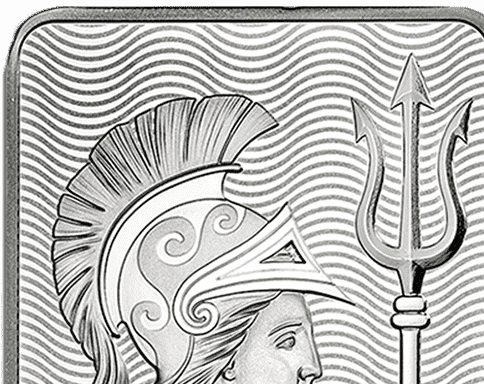
Bars from well-established names like Engelhard, Johnson Matthey, Geiger Edelmetalle, Valcambi, PAMP Suisse, and the Royal Canadian Mint sit alongside government-issued coins from the Austrian Mint, the South African Mint, and the Mexican Mint. Fractional silver is represented through 1/10 oz, 1/4 oz, and 1/2 oz rounds, plus smaller formats like 1 gram and 10 gram bars in assay cards. The range here is built to accommodate buyers at every level of familiarity with the physical silver market.
Bullion Standard operates as a transparent marketplace rather than a traditional retail dealer. Pricing reflects real-time market conditions, and our two-way market structure means you can both purchase and sell silver through the same ecosystem. Every product is verified for authenticity, weight, and purity before it reaches you, and our platform provides the market data and pricing clarity needed to make informed decisions.
What Are Silver Bullion Products?
Silver bullion refers to physical silver produced in standardized formats primarily for its metal content rather than its numismatic collectibility. The three primary formats are bars, coins, and rounds. Bars are produced by private refineries and mints in weights ranging from 1 gram to 1,000 oz and are generally the most premium-efficient format per troy ounce. Coins are issued by sovereign governments, carry a face value, and are struck by official national mints. Rounds are privately minted discs that resemble coins in appearance but carry no government backing or legal tender status.
Within each format, buyers encounter a range of sub-categories. Bars may be cast or minted, sealed in assay cards or loose, finished with a sandblast or mirrored surface. Coins are often sold as brilliant uncirculated, meaning they've been struck to mint condition and haven't entered general circulation. Products labeled "random year" are authentic and meet full specification but ship from available inventory rather than a specific production date. Cull or imperfect-condition items carry the same silver content but show cosmetic wear.
Fractional silver, including half-ounce, quarter-ounce, and tenth-ounce products, offers smaller entry points and greater divisibility, though premiums per troy ounce are typically higher than full-ounce equivalents. For buyers focused on maximizing silver content per dollar, larger bars tend to carry tighter spreads. For buyers who value recognizability and liquidity, government-issued coins from major mints tend to trade more consistently across different market environments.
History and Background
Silver has been shaped into standardized coinage and trade bars for thousands of years, but the modern silver bullion market as most buyers recognize it today took form largely in the second half of the twentieth century. The collapse of the Bretton Woods system in 1971 and the subsequent decoupling of the U.S. dollar from gold marked the beginning of a new era for precious metals, during which silver moved from a monetary standard to a freely traded commodity priced by global markets.
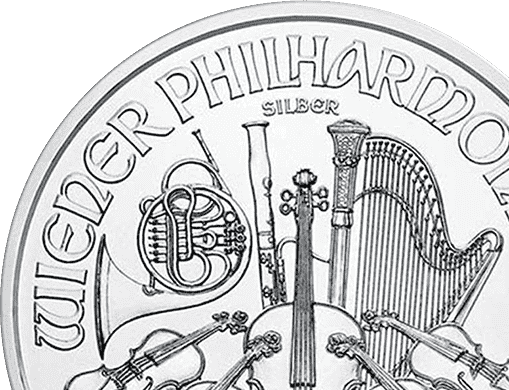
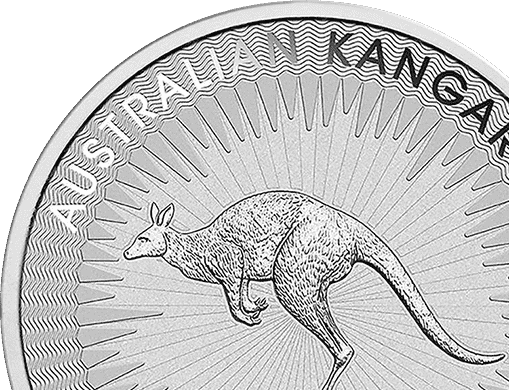
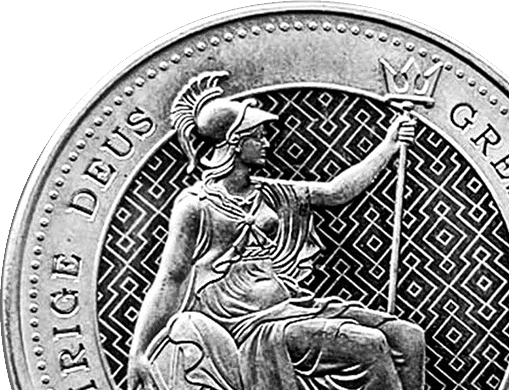
The introduction of government-backed silver bullion coin programs throughout the 1980s and 1990s formalized a new layer of the market. Mexico's Libertad program, launched in 1982, was among the first. The American Silver Eagle followed in 1986, and within a decade the Australian Kookaburra, Canadian Maple Leaf, Austrian Philharmonic, and British Britannia had each established themselves as globally recognized formats. These programs gave retail buyers access to sovereign-minted silver with consistent specifications, government-guaranteed purity, and broad secondary market recognition.
Private refineries and mints expanded in parallel. Names like Engelhard, Johnson Matthey, and later Geiger Edelmetalle, Valcambi, PAMP Suisse, and Asahi Refining built reputations for consistent bar production, and their products became widely accepted in secondary markets worldwide. The growth of online bullion dealers in the 2000s democratized access further, and today the silver market spans an enormous range of products, from sub-gram formats to multi-hundred-ounce commercial bars, trading across a global network of refineries, mints, wholesalers, and retail platforms.
Purity, Weight, and Specifications
The overwhelming majority of modern silver bullion products are struck or poured at .999 fine silver, meaning 99.9% pure silver by weight. A growing number of products, including items from the Royal Canadian Mint, The Perth Mint's kangaroo coin series, and several private mints like Frontier Mint and IGR Metals, achieve .9999 fineness, or four-nines purity. A smaller segment of the market includes .925 sterling silver products and 40% silver coins like Kennedy half dollars from 1965 through 1969, which contain a nominal 0.295 troy oz of silver per dollar of face value and are typically described in terms of their face value rather than a per-coin weight.
Troy ounces are the standard unit of measure in the bullion market and differ from the avoirdupois ounces used in everyday commerce. One troy ounce equals approximately 31.1 grams. Weights in our catalog range from 1 gram bars to 1,000 oz commercial bars eligible for COMEX and LBMA delivery. Common intermediate weights include 10 grams, 100 grams, 1/10 oz, 1/4 oz, 1/2 oz, 1 oz, 10 oz, 100 oz, and 1 kilo (approximately 32.15 troy ounces).
Most bar products include stamped markings that identify the manufacturer, weight, and purity. Assay-carded products add an additional layer of certification, with a sealed card confirming the bar's specifications as verified by the refinery. Serial numbers appear on select premium bars from producers like Valcambi and Geiger. Coin products carry design details, the issuing country, denomination, year of mintage, and purity markings as part of the official strike, which contributes to their standardized market recognition.
Available Brands, Mints, and Product Variations
The silver products in our catalog represent a broad cross-section of the global bullion market. Government mint output includes pieces from The Perth Mint in Australia, the Royal Canadian Mint, the Austrian Mint, the South African Mint, the Royal Mint of Great Britain, the Mexican Mint (Banco de Mexico), and KOMSCO in South Korea. Each of these institutions operates under national oversight and produces coins to defined purity and weight standards, which supports their recognition and trading liquidity in secondary markets.
Private refinery and mint production is equally well-represented. Engelhard and Johnson Matthey are two of the most historically significant names in silver bar production, and their bars, particularly in 1 oz, 10 oz, and 100 oz formats, maintain strong secondary market recognition. Geiger Edelmetalle produces bars in assay card and sealed packaging formats across multiple weights. Valcambi offers both standard bars and their distinctive CombiBar format, which allows a 100-gram bar to be broken into ten 10-gram pieces. PAMP Suisse, Istanbul Gold Refinery (IGR Metals), and Asahi Refining round out the private refinery presence. Frontier Mint contributes several unique products, including sandblast-finish bars, mirrored-finish bars, and .9999 fine silver bullets in 45 ACP design.
Random brand and various-brand listings reflect genuine market inventory sourced from reputable wholesale suppliers but without a guaranteed specific manufacturer. These products meet the same purity and weight standards and are authenticated before sale. Random year designations mean the product will ship from available year inventory and may not match the year shown in product images. For buyers focused primarily on silver content rather than a specific design year or brand, these options often represent the most efficient entry points in terms of premium per troy ounce.
Pricing, Premiums, and Market Factors
Silver is priced as a commodity, and every product in our catalog trades at a premium above the current spot price of silver. Spot price reflects the real-time market price for one troy ounce of silver in its unrefined or standard form, as established through global commodity exchanges. The premium above spot covers the costs of fabrication, minting, packaging, distribution, and dealer operations. Understanding that premium, and knowing how it compares to alternatives, is an important part of evaluating any silver purchase.
Premiums vary significantly by product type. Large bars from recognized refineries, such as 10 oz, 100 oz, and 1 kilo products, tend to carry lower premiums per troy ounce than coins or fractional rounds. Government-issued coins carry higher premiums due to the cost of sophisticated die work, anti-counterfeiting technology, and the mint's operational overhead, but they also tend to carry stronger secondary market recognition. Fractional silver commands the highest premiums per troy ounce because the fabrication cost is spread over less metal. Packaging also affects pricing: assay-carded bars, sealed tubes, and mint-state certified coins each carry a cost associated with their presentation format.
Bullion Standard displays pricing that reflects real-time market conditions and includes the bid/ask spread on each product page. This spread, the difference between what you pay to buy and what you'd receive if you sold, represents the true cost of ownership beyond just the purchase premium. Our platform is built around transparency in this relationship rather than obscuring it. Buyers who prioritize pricing efficiency can use our product research tools to compare premiums and spreads across the catalog and identify products that align with their specific objectives.
Condition, Packaging, and What to Expect
Silver bullion products arrive in a range of presentations depending on format and source. Mint-issued coins in brilliant uncirculated condition are typically sealed in tubes of 20 or 25 coins, or individually in protective capsules. Assay-carded bars are sealed at the time of production and include manufacturer certification on the card itself. Breaking the seal on an assay-carded bar is not recommended, as it can affect resale presentation and perceived authenticity, even though the metal content itself is unaffected.
Products designated as random year, random brand, or secondary market are legitimate bullion items that may show minor handling marks, bag marks, or toning consistent with normal transport and storage. These items are not damaged or substandard; they simply reflect the realities of physical silver that has moved through the market. Cull or imperfect-condition products are priced to reflect cosmetic issues more significant than typical handling wear and are clearly disclosed in the product listing. The silver content in these items is identical to a new mint-state equivalent.
Specialty products like silver grain or shot, sold in sealed bottles, arrive as small irregular pellets rather than formed bars or coins. These are commonly used in industrial applications and for melting, and they're sold by weight rather than by piece. Novelty items like silver bullets are sold in sealed packaging and are primarily purchased for their design appeal rather than their format efficiency.
Authenticity and Verification
Counterfeit silver is a real concern in any physical bullion market, and our sourcing and verification process is designed to address that risk before products reach customers. We source from reputable mints, refineries, wholesalers, and authorized distributors, and every product is verified for authenticity, weight, and purity. Bullion Standard is an authorized dealer for both PCGS and NGC, two of the most respected independent grading and authentication services in the numismatic and bullion industry.
Government-issued coins from major mints typically include built-in anti-counterfeiting features. The Royal Canadian Mint's Maple Leaf series includes laser-engraved micro-security marks and a radial line pattern visible under light. The Australian Kangaroo from The Perth Mint includes a security feature embedded in the coin's design. Many private refineries apply security measures of their own, including serial numbers, tamper-evident assay card seals, and holographic packaging.
For buyers who want independent verification, third-party grading services like PCGS and NGC encapsulate coins in tamper-evident slabs with a documented grade and an authenticity certification. Products in our catalog that are designated as certified by these services have been independently authenticated and graded. For raw bullion products not in certified slabs, assay cards from the originating refinery serve as the primary documentation of authenticity. Our membership in the American Numismatic Association and the National Coin and Bullion Association further reflects our commitment to industry standards.
Liquidity and Resale Considerations
Not all silver products trade with equal ease. Widely recognized formats, government-issued coins from major national mints, and bars from established refineries like Engelhard, Johnson Matthey, and Geiger Edelmetalle generally find buyers more readily than obscure or niche products. Standardization matters: a 1 oz silver Canadian Maple Leaf or a 10 oz bar from a recognized refinery is a known commodity in the secondary market. Buyers, dealers, and other market participants understand exactly what they're looking at and can price it quickly.
Smaller bar formats and fractional coins tend to be individually recognizable but carry higher premiums, which affects how efficiently they can be resold at or near spot. Larger bars, including 100 oz and 1,000 oz commercial-grade products, are highly liquid within institutional and wholesale markets but may require more effort to sell through retail channels due to their size and the capital required to purchase them. Random brand or secondary market items may sell for slightly less than brand-name equivalents, depending on buyer preferences in a given market environment.
Condition and original packaging also influence resale. Assay-carded bars in intact seals, coins in original mint tubes, and certified products in slabs all tend to present more cleanly in a resale context than loose, opened, or visibly handled alternatives. This doesn't mean altered packaging eliminates value, but it can affect the ease and speed of resale in some channels.
Storage and Security
Physical silver requires more storage space per dollar of value than gold, which is a practical consideration that grows more important at larger quantities. A few hundred ounces of silver can fill a meaningful portion of a standard home safe, and a few thousand ounces require serious dedicated storage capacity. Planning for storage before purchasing at volume is worth doing rather than after the metal arrives.
Home safes rated for fire and burglary resistance are a common starting point for smaller holdings. For larger accumulations, professional vault storage through a third-party depository provides insurance, climate control, and security infrastructure that most home setups can't match. Bank safe deposit boxes are another option for modest quantities, though they don't typically offer the same insurance coverage as dedicated precious metals vault storage, and access is limited to banking hours. Whatever storage environment you use, keeping silver away from humidity and atmospheric sulfur compounds helps prevent toning and surface reactions that, while cosmetically undesirable, don't affect the underlying metal content.
Assay-carded bars and mint-sealed tubes offer a degree of protection during handling and storage. Keeping them in their original packaging where possible reduces surface contact and helps preserve resale presentation. For loose rounds or bars, individual capsules or protective pouches add a layer of handling protection without requiring significant expense. Kilo and large-format bars should be stored flat to avoid stress on assay card seams, and handled with gloves or cloth to minimize fingerprinting on polished surfaces.
Selling and Buyback Options
Selling physical silver requires the same attention to product characteristics that applies when buying. Dealer buyback programs, including Bullion Standard's own purchasing operation, evaluate products based on current spot price, product type, mint recognition, condition, packaging integrity, and market liquidity. A silver Maple Leaf in an intact mint tube and a loose, fingerprinted round of the same weight will both be purchased based on their silver content, but the presentation and format can influence how straightforwardly a buyback transaction proceeds.
Bullion Standard operates a two-way market, meaning we're active on both the buying and selling side of the market. Our buyback pricing is based on competitive wholesale bid conditions and reflects real-time market factors rather than arbitrary dealer margins. For members of Bullion Standard Pro, buyback pricing is derived from live executable wholesale bid pricing, offering a more direct connection to current wholesale market conditions. Knowing the buyback price before you purchase, and understanding the spread between purchase cost and current bid, helps frame the total cost of ownership clearly.
When selling, original packaging helps. Assay cards in intact seals, coins in original mint capsules or tubes, and certified products in unbroken grading service slabs tend to process more efficiently than products with damaged or missing packaging. That said, silver content is the primary driver of buyback value, and even loose or secondary market items are purchased based on their verified metal content. Our team can walk through the process for any product type, and our platform is designed to make the sell side of the transaction as straightforward as the buy side.
Why Buy Silver?
Silver occupies a unique position among the precious metals because its market is driven by both investment demand and substantial industrial consumption. Roughly half of annual global silver demand comes from industrial applications: electrical contacts, photovoltaic solar panels, medical devices, electronics, automotive systems, and water purification all draw on silver's conductivity, reflectivity, and antimicrobial properties. This industrial component connects silver pricing to manufacturing output, technological development, and energy sector growth in ways that gold and other metals are not subject to in the same proportion.
The format flexibility of silver is another practical reason buyers favor it. A single purchase can range from a 1 gram bar to a 1,000 oz commercial bar. Fractional products like 1/10 oz rounds and 1/4 oz coins allow buyers to work in very small quantities. One-ounce rounds and bars remain the most commonly traded format. Larger bars provide better premium efficiency for buyers focused on accumulating silver content rather than individual pieces. The range of available products means buyers can match their format to their specific objectives without being forced into a single product type.
Silver's lower price per ounce relative to gold makes it accessible to buyers who want to own physical metal without committing to the capital required for a gold purchase. It's also widely recognized and actively traded across global markets, with established secondary market infrastructure including dealers, refineries, and online platforms. Products from major mints like the Royal Canadian Mint, The Perth Mint, and the Austrian Mint are recognized by buyers and dealers worldwide, which contributes to the product category's overall market accessibility.
Why Buy from Bullion Standard?
Bullion Standard was founded in 2010 and has built its reputation on a straightforward principle: customers deserve accurate information, transparent pricing, and a marketplace structure that works for them rather than against them. Our A Better Business Bureau rating, membership in the American Numismatic Association, membership in the National Coin and Bullion Association, and authorized dealer status with both PCGS and NGC reflect the operational standards we hold ourselves to across every transaction.
Our pricing is tied to real-time market conditions and displayed alongside the bid/ask spread on each product page, so you can evaluate the full cost of a transaction before committing. Our sourcing spans reputable mints, refineries, and established wholesale distributors, and every product is authenticated before it ships. Payment options cover the full range from Visa, Mastercard, American Express, Discover, and PayPal to bank-connected payments through Plaid, wire transfer, paper check, and cryptocurrency through BitPay.
The two-way market structure is a meaningful differentiator. Liquidity should be understood before a purchase is made, not only when it's time to sell. By operating actively on both sides of the market and making buyback pricing accessible alongside purchase pricing, we give customers a clearer view of the actual economics of owning physical silver. Our product research tools allow you to compare premiums, spreads, and historical pricing across the catalog, so decisions can be grounded in objective data rather than assumption.
Get Near-Spot Pricing with Bullion Standard Pro
Bullion Standard Pro is designed for buyers who want to transact closer to the wholesale market. Members gain access to live executable wholesale bid and ask pricing across a broad range of silver products, rather than the indicative or estimated prices common in standard retail environments. This pricing reflects real-time supply and demand within the wholesale silver market, and it fluctuates naturally as market conditions evolve rather than being held at fixed retail margins.
Unlike the traditional dealer model, Bullion Standard Pro does not layer additional dealer markups on top of wholesale pricing. Members transact at executable market prices, which means premiums and bid/ask spreads move with market forces rather than remaining artificially static. For buyers who are accumulating silver over time or transacting in meaningful size, this structure can represent a significant improvement in pricing efficiency relative to standard retail channels.
Pro membership also includes live portfolio valuation using wholesale bid pricing rather than estimated retail values, giving members a more realistic picture of current liquidation value at any point. Historical premium analytics, premium percentile rankings, spread analysis, liquidity metrics, and other proprietary tools are available to help members understand how individual products have traded over time. For buyers who want to evaluate silver not just by its metal content but by its market behavior, Bullion Standard Pro provides the data infrastructure to do that systematically.

 (833) 278-4653