Buy Palladium Coins Online
Our catalog of palladium coins brings together some of the most recognized government-issued palladium bullion programs available to buyers today. You'll find 1 oz palladium coins spanning multiple sovereign mints, including the United States Mint, the Royal Canadian Mint, the Central Mint of China, the Pobjoy Mint, and the Moscow Mint, along with specialty and vintage issues from the Singapore Mint. Every coin listed here carries 1 troy ounce of palladium content.
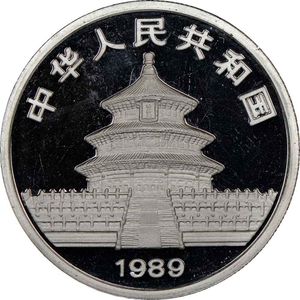
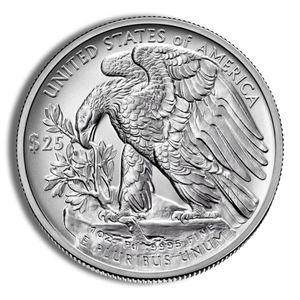
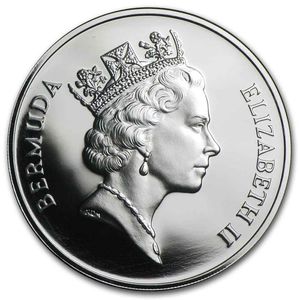
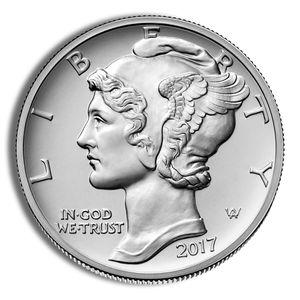
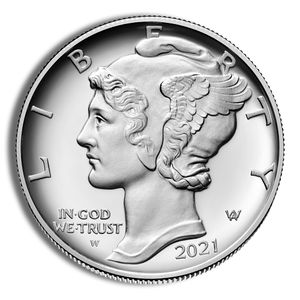
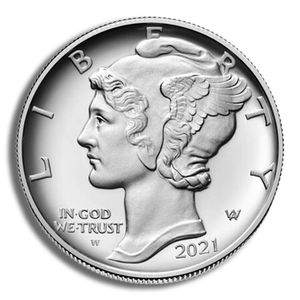
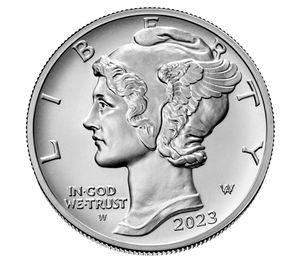
The American Palladium Eagle series dominates the lineup, with BU strikes, proof editions, burnished specimens, and reverse proof finishes spanning years from 2017 through 2023. Certified options graded MS70 and PF70 by both NGC and PCGS are also available for buyers who prioritize professionally verified condition. Beyond the Eagle series, the catalog includes the Canadian Palladium Maple Leaf, the Chinese Palladium Panda, the Isle of Man Angel, the Russian Ballerina, the Bermuda Sea Venture, and a sovereign mint palladium coin for buyers seeking variety.
Bullion Standard sources these products through reputable mints, wholesalers, and distributors, and each product is verified for authenticity, weight, and purity before fulfillment. Pricing on every listing reflects live market conditions and is displayed with full bid and ask transparency so buyers can evaluate the complete transaction, not just the purchase price.
What Are Palladium Coins?
Palladium coins are government-authorized bullion coins struck from palladium, typically at a purity of 0.9995 or 0.999 fine. Unlike commemorative medals or privately issued rounds, palladium coins carry a legal tender face value assigned by their issuing country, which establishes their status as official coinage even though their intrinsic metal value far exceeds the nominal denomination printed on the coin.
Most palladium coins are produced in a standard 1 troy ounce format, which remains the dominant size in this market. The relatively small number of government-issued palladium coin programs worldwide means the market is more concentrated than gold or silver, and each program tends to carry its own distinct collector and dealer following. Finish types vary across the catalog, ranging from standard brilliant uncirculated strikes to proof, reverse proof, and burnished editions, each produced under different die and minting conditions that affect surface appearance and collector appeal.
Buyers typically approach palladium coins from two directions: those focused on metal content and spot-relative pricing, and those drawn to specific series, years, or graded specimens with certified condition. Both approaches are well-supported across the products visible here, with raw BU coins available alongside professionally graded examples from NGC and PCGS.
History and Background
Palladium's entry into the bullion coin market came later than gold or silver, largely because the metal spent much of the twentieth century treated primarily as an industrial commodity rather than a monetary asset. The first significant government-issued palladium bullion coin programs emerged in the late 1980s and early 1990s. Russia issued palladium coins beginning in 1989 through the Moscow Mint, including the Ballerina series, which became some of the earliest widely recognized palladium numismatic pieces. Canada followed with its Palladium Maple Leaf program, and the Isle of Man released the Angel series through the Pobjoy Mint during the same era.
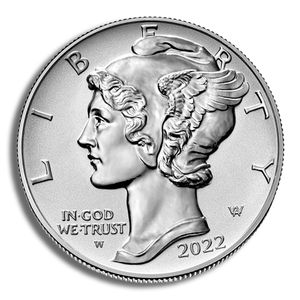
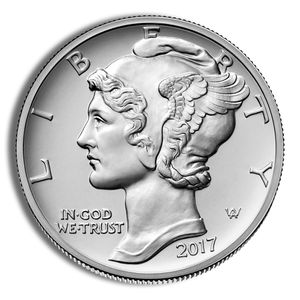
The United States was notably absent from the palladium coin market for decades. Congress authorized the American Palladium Eagle through the American Eagle Palladium Bullion Coin Act of 2010, but it wasn't until 2017 that the U.S. Mint actually produced and released the first coins. That inaugural 2017 BU strike was the first palladium coin ever struck by the United States Mint, and it drew immediate attention from both bullion buyers and numismatists. Subsequent years brought proof editions, reverse proof strikes, and burnished specimens, building out a program that has grown steadily in collector and dealer interest.
China's palladium coin program through the Central Mint of China produced Panda-themed palladium coins at various points, paralleling the country's better-known gold and silver Panda series. The Bermuda Sea Venture coin, struck in 1987 by the Singapore Mint, represents one of the earlier privately contracted sovereign palladium issues. Together, these programs reflect the gradual recognition of palladium as a legitimate bullion coin metal across global minting institutions over the past four decades.
Purity, Weight, and Specifications
Nearly all palladium coins in this catalog are produced at 0.9995 fine palladium, which is the purity standard used by the U.S. Mint for American Palladium Eagles and by the Royal Canadian Mint for Maple Leaf coins. A smaller number of products, including the Chinese Panda and Isle of Man Angel, are struck at 0.999 fine, which is still a high-purity standard commonly accepted across the global bullion market. The 0.9995 figure represents parts per thousand, meaning that in a 1 oz coin at that purity, palladium content accounts for 999.5 parts out of 1,000.
All coins in this catalog contain 1 troy ounce of palladium. A troy ounce is the standard unit of measurement used globally for precious metals and equals approximately 31.1 grams, which is slightly heavier than the avoirdupois ounce used in everyday commerce. Diameter specifications across the coins range from approximately 34 mm to 38.6 mm depending on the program, and thickness varies by finish type and mint tolerances. American Palladium Eagles carry a face value of $25 USD, Canadian Maple Leafs carry $50 CAD, and the Russian Ballerina is denominated at 25 Roubles.
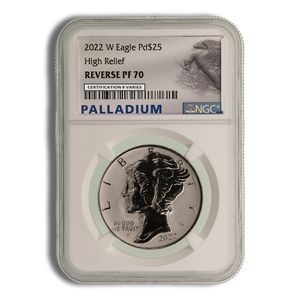
Certified coins in this catalog have been independently graded by NGC or PCGS and encapsulated in tamper-evident plastic holders that display the assigned grade alongside the coin's year and series information. MS70 designates a perfect uncirculated specimen under each service's grading scale, while PF70 and its equivalent PR70 indicate a perfect proof example. These grades confirm that the coin shows no post-production imperfections under magnification.
Available Brands, Mints, and Product Variations
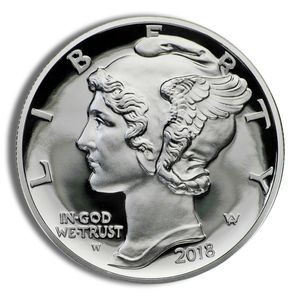
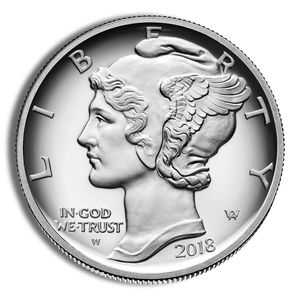
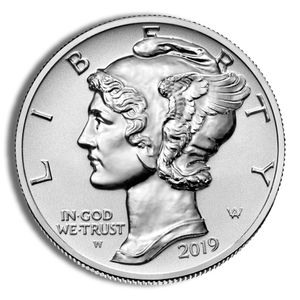
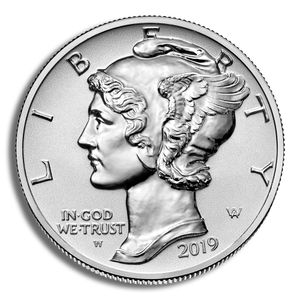
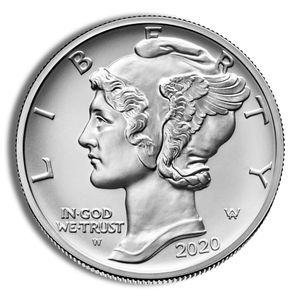
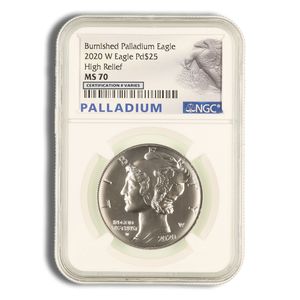
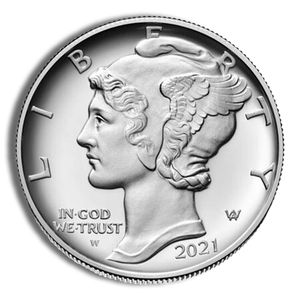
The American Palladium Eagle from the U.S. Mint represents the largest single program in this catalog, with multiple strikes spanning 2017 through 2023. The 2017 BU coin is available in raw form across two SKUs with slight specification differences, and NGC MS70 and PCGS MS70-certified versions are also listed. The 2018-W proof edition comes in raw form with original box and Certificate of Authenticity, alongside NGC PF70 and PCGS PF70 certified versions. The 2019-W reverse proof follows a similar structure, available raw with box and COA as well as in NGC PF70 and PCGS PF70 grades. The 2020-W burnished Eagle is offered raw and certified by both NGC and PCGS at MS70, while the 2021 and 2022 editions round out the series with BU, proof, and reverse proof options. The 2023-W burnished Eagle with box and COA completes the current lineup.
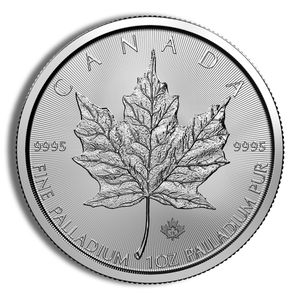
Beyond American Eagles, the Royal Canadian Mint's Palladium Maple Leaf is a random year offering available in BU condition with an inner pack quantity of 10, making it practical for buyers acquiring multiple coins at once. The Central Mint of China's Palladium Panda and the Pobjoy Mint's Isle of Man Angel are both offered as random year BU coins, providing access to programs with strong historical recognition among international bullion collectors. The Moscow Mint's Russian Ballerina, also a random year BU coin, represents one of the earliest modern palladium series.
The catalog also includes a sovereign mint palladium coin at 0.9995 purity from various mints, listed as an imperfect condition option. This product is suited for buyers who prioritize metal content over cosmetic presentation, since the condition is disclosed upfront as acceptable but not pristine. The 1987 Bermuda Sea Venture struck by the Singapore Mint adds a vintage element with its proof finish, offering a numismatically distinct option within a predominantly BU and certified catalog.
Pricing, Premiums, and Market Factors
Palladium coin pricing is determined by the current spot price of palladium plus the premium charged above that base level. The spot price reflects global market conditions for raw palladium metal and fluctuates continuously throughout each trading day. Premiums on palladium coins tend to run higher than those on comparable gold or silver coins, which reflects the smaller market size, lower coin production volumes, and the more limited number of active palladium coin programs globally.
Certified coins carry additional premiums over their raw equivalents, since professional grading, encapsulation, and population reporting by services like NGC and PCGS add both authentication value and collector demand. PF70 and MS70-graded specimens in lower-mintage years tend to command the most significant premiums, particularly when collector interest in the American Palladium Eagle series is active. Proof and reverse proof finishes also carry higher premiums than standard BU strikes due to their more labor-intensive production process and typically lower mintage figures. Random year products from programs like the Maple Leaf or Panda generally offer tighter premiums, since the absence of a specific date reduces collector-driven demand while preserving full metal content.
Bullion Standard displays both bid and ask pricing on each product page, giving buyers a complete picture of the transaction before committing. This includes a visible spread that reflects real-time market dynamics rather than an opaque markup applied invisibly at checkout. Understanding that spread alongside the purchase price gives buyers a more accurate sense of true cost of ownership for any palladium coin they're considering.
Condition, Packaging, and What to Expect
BU palladium coins are produced with full mint luster and are handled minimally after striking, though they are not individually inspected for perfection the way proof coins are. Minor contact marks, bag marks from coin-to-coin contact during packaging, or small surface variations are normal and do not affect metal content or authenticity. Buyers should expect BU coins to be visually clean and lustrous but not flawless under magnification unless they are professionally certified.
Proof coins, such as the 2018-W and 2021-W American Palladium Eagles, are sold with their original U.S. Mint presentation boxes and Certificates of Authenticity. These are individually packaged products designed for careful handling and display, and they should arrive in their original sealed presentation. Reverse proof and burnished editions follow the same packaging convention when listed with box and COA. Certified coins arrive in sealed NGC or PCGS plastic slabs and do not include original Mint packaging, since the grading process requires removing coins from their original holders.
Random year products are fulfilled from available inventory and the specific year received may not be predetermined or guaranteed. The sovereign mint imperfect condition coin is disclosed explicitly as having cosmetic flaws that do not compromise weight or purity, and buyers selecting that product should expect visible surface imperfections. All shipping is handled securely through insured carriers appropriate for the value of precious metals being transported.
Authenticity and Verification
Every palladium coin sold through Bullion Standard is verified for authenticity, weight, and purity before being made available for purchase. Products are sourced from recognized mints, authorized distributors, and vetted wholesale channels. The Royal Canadian Mint, the United States Mint, the Central Mint of China, and the Pobjoy Mint each produce coins with built-in anti-counterfeiting features that trained handlers can assess through visual inspection, dimensional verification, and weight testing.
Certified coins graded by NGC or PCGS carry an additional layer of third-party authentication. Both services are globally recognized numismatic grading authorities that physically inspect coins, assign condition grades, and encapsulate them in tamper-evident holders with unique certification numbers. Buyers can cross-reference a certified coin's label information against the grading service's online registry to confirm the authenticity of both the coin and its assigned grade. Bullion Standard is an authorized dealer for both NGC and PCGS.
For raw bullion coins, purity and weight are confirmed at the mint level and documented through established specifications maintained by each issuing authority. American Palladium Eagles, for example, are struck by the U.S. Mint to a precise 1 troy ounce weight at 0.9995 fine palladium, specifications that are legally mandated and verifiable against U.S. Mint published standards. Buyers who require additional verification post-purchase can utilize professional testing services, including X-ray fluorescence analysis, which is a non-destructive method capable of confirming metal composition with high precision.
Liquidity and Resale Considerations
Palladium coin liquidity is narrower than that of gold or silver bullion, which reflects the smaller global dealer network, lower collector population, and more limited production history of palladium coin programs. That said, well-known coins from recognized sovereign programs, particularly the American Palladium Eagle and Canadian Palladium Maple Leaf, are traded by dealers and secondary market platforms across the United States and internationally. Their government-issued status, standardized weight, and documented purity make them straightforward to verify and transact.
The American Palladium Eagle has developed the broadest secondary market recognition among U.S. buyers due to its U.S. Mint provenance and legal tender status. Certified specimens in MS70 or PF70 grades from low-mintage years carry their own resale dynamics within the numismatic community, and population reports from NGC and PCGS help buyers understand how many coins at a given grade are known to exist for any particular issue. Lower population figures can affect pricing in secondary collector markets.
Random year coins, including the Maple Leaf and Panda, generally trade closer to spot-relative pricing in the secondary market since their appeal is primarily metal-content-driven. Bullion Standard's two-way market structure means buyers can sell palladium coins back through the same platform where they purchased them, with buyback pricing that reflects current wholesale market conditions. Considering resale options before purchasing rather than after is a practical approach given that palladium's dealer network is more specialized than gold or silver.
Storage and Security
Palladium coins are relatively compact compared to equivalent silver holdings, which simplifies storage planning for buyers accumulating multiple ounces. A standard 1 oz palladium coin measures approximately 34 mm in diameter, and coins purchased in tube quantities, such as the Canadian Maple Leaf with its 10-coin inner pack, can be stored efficiently in a modest secure space. Certified coins in NGC or PCGS slabs require slightly more volume due to the encapsulation, but the added protection from physical contact and environmental exposure often justifies the additional space.
Home storage in a quality fireproof safe offers convenient access but requires appropriate security measures including bolted installation and discreet placement. Third-party vault storage through a dedicated precious metals depository provides a higher level of physical security along with insurance coverage, which is worth considering for buyers holding meaningful quantities. Bank safety deposit boxes are another option, though they typically lack precious metals-specific insurance and may have limited access hours.
Palladium is relatively stable chemically and does not tarnish or oxidize under normal conditions the way silver does. However, proof and burnished coins should be handled by their edges only and stored in conditions that minimize humidity and temperature fluctuation to preserve their surface quality. Coins in original Mint packaging or certified slabs should remain sealed unless there is a specific reason to remove them, since the packaging itself provides meaningful protection.
Selling and Buyback Options
Selling palladium coins back into the market involves many of the same factors that influence the purchase: spot price at the time of sale, product recognition, condition, packaging integrity, and current dealer demand. Coins from well-known programs like the American Palladium Eagle and Canadian Maple Leaf tend to generate more competitive buyback offers than obscure or less liquid issues, since dealers can more readily move recognized products through established wholesale channels.
Certified coins in MS70 or PF70 condition may command buyback premiums above standard raw coin pricing, particularly for lower-mintage years where certified population figures support stronger collector demand. Coins that retain original Mint packaging and Certificates of Authenticity, such as the proof and reverse proof Eagle editions sold with box and COA, are generally received more favorably during the buyback process than equivalent coins without original packaging. The imperfect condition sovereign mint coin carries a lower buyback expectation relative to pristine specimens due to its disclosed cosmetic condition.
Bullion Standard operates a two-way market where customers can both purchase and sell palladium coins through the same platform. Buyback pricing reflects current wholesale market conditions and is updated to remain competitive with prevailing bid levels across the dealer network. Customers looking to sell can request a quote through our purchasing team, and the process is structured to be straightforward, with clear pricing and efficient settlement rather than a drawn-out negotiation. Understanding the expected buyback value at the time of purchase, not only at the time of sale, is a practical discipline that Bullion Standard's bid pricing transparency is designed to support.
Why Buy Palladium Coins?
Palladium occupies a distinctive position among the four primary precious metals because its bullion coin market is relatively young and concentrated around a small number of programs. That scarcity of supply, combined with a dedicated collector and dealer following for series like the American Palladium Eagle, creates a market where individual coins and specific years carry more differentiated demand than is typical in large-volume gold or silver coin markets. Buyers drawn to palladium coins often appreciate that dynamic.
On the industrial side, palladium is heavily used in automotive catalytic converters, particularly in gasoline-powered vehicles, as well as in electronics manufacturing and certain chemical processing applications. While this guide does not frame metals as financial instruments, understanding the industrial demand base for palladium does help buyers contextualize why this metal behaves differently than gold or silver from a supply and pricing perspective. Mining production is geographically concentrated in Russia and South Africa, which adds supply-side dynamics worth being aware of.
Government-issued palladium coins offer legal tender status, standardized specifications, and sovereign mint provenance, all of which contribute to their recognizability and acceptance in the dealer market. The variety of finish types across the American Palladium Eagle series, including BU, proof, reverse proof, and burnished options, gives buyers meaningful flexibility in how they approach the program. Whether the goal is acquiring coins at competitive premiums or pursuing specific certified specimens, the range of products in this catalog supports both approaches.
Why Buy from Bullion Standard?
Bullion Standard was founded in 2010 and has grown from a San Diego-based local operation into a nationally recognized online precious metals marketplace built around transparency and long-term customer trust. Every product in our catalog is sourced from reputable mints, refineries, and distributors, verified for authenticity and specification compliance, and priced against live market conditions without opaque markups applied behind the scenes. Our A rating with the Better Business Bureau and memberships in the American Numismatic Association and National Coin and Bullion Association reflect that track record.
Our platform is designed to give buyers more than a place to complete a transaction. Live bid and ask pricing on each product page, visible spreads, and access to market intelligence tools are built into the buying experience so customers can evaluate what they're purchasing and what it would cost to sell before they commit. Authorized dealer status with both NGC and PCGS means buyers can purchase certified palladium coins with confidence in the grading relationships behind those slabs.
Payment options include Visa, Mastercard, American Express, Discover, PayPal, bank-connected payments through Plaid, wire transfer, paper check, and cryptocurrency through BitPay. Fulfillment is handled through insured shipping appropriate for precious metals values, and our customer service team is available to support questions before, during, and after the transaction. The experience is built around clarity and reliability rather than the high-pressure dynamic that has historically defined parts of this industry.
Get Near-Spot Pricing with Bullion Standard Pro
Bullion Standard Pro is designed for buyers who want direct access to executable wholesale bid and ask pricing across the precious metals catalog, including palladium coins. Rather than retail pricing with embedded dealer markups, Pro members transact at wholesale market prices that move naturally with supply and demand. This creates a more efficient pricing environment, particularly for buyers who are cost-sensitive or plan to acquire multiple coins over time.
For palladium, where premiums above spot can be meaningful, the ability to transact closer to wholesale pricing levels has a measurable impact on the total cost of building a position. Pro members also gain access to real-time portfolio valuation using live executable wholesale bid pricing rather than estimated retail values, which provides a more accurate picture of current liquidation value. Historical premium analysis, spread tracking, and liquidity metrics are available for products where that data adds useful context, helping buyers evaluate palladium coins using observable market information rather than assumptions.
The platform reflects Bullion Standard's broader objective of reducing information asymmetry in the physical precious metals market. By providing tools and pricing structures that have traditionally been available only within the wholesale dealer network, Pro is designed to give individual buyers greater visibility into how palladium coins are actually priced, traded, and valued at the market level. For serious buyers who intend to hold meaningful quantities or transact repeatedly, the efficiency gains can be substantial relative to standard retail purchasing.


 (833) 278-4653