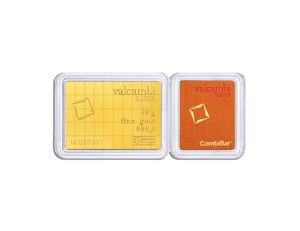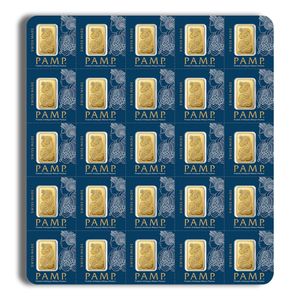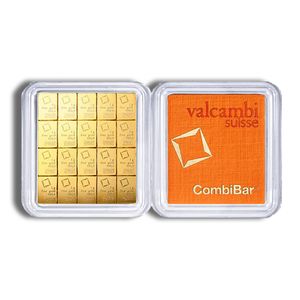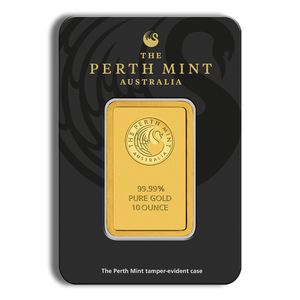
Buy Other Gold Bars and Rounds Online

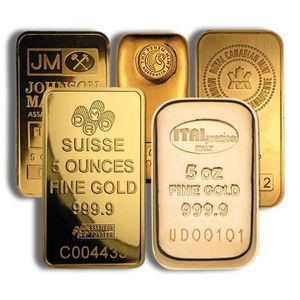
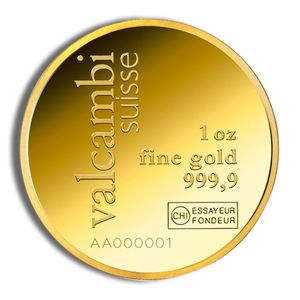
Our catalog of other gold bars and rounds brings together a diverse selection of 1 oz gold rounds, fractional gold bars, and larger 5 oz gold bars from some of the most respected refineries in the bullion market. You'll find gold rounds from Engelhard and Valcambi, fractional bars from Argor-Heraeus and PAMP Suisse, and 5 oz bars from IGR Metals and the Perth Mint alongside random brand and random mint options that provide practical entry points at competitive premiums.

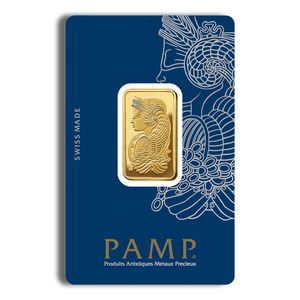
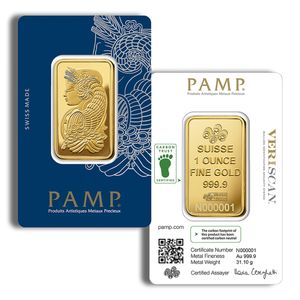
This part of our catalog is where format variety and refinery diversity converge. Whether you're sourcing a 1/10 oz Argor-Heraeus bar in an assay card, a 1/2 oz PAMP Suisse Lady Fortuna bar, or a full-ounce Engelhard Prospector round sealed in its original assay packaging, you're accessing products that span a meaningful range of sizes, manufacturers, and price points.

Bullion Standard's marketplace is built on pricing transparency and two-way liquidity, which matters particularly in a segment where premiums and bid/ask spreads can vary significantly by product, format, and source. Every product here is priced to reflect current wholesale market conditions, and our product pages display live bid and ask pricing so you can evaluate the complete cost of ownership before you buy.

What Are Other Gold Bars and Rounds?

Gold bars and gold rounds are privately minted or refinery-produced gold products that don't carry government legal tender status. Unlike sovereign coins such as the American Gold Eagle or Canadian Gold Maple Leaf, these products are issued by private refineries, assay offices, and fabricators operating within the global bullion industry. Their value is derived almost entirely from their gold content and weight rather than numismatic significance or government backing.

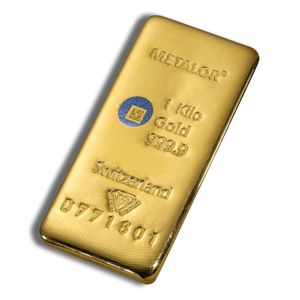
A gold round closely resembles a coin in shape and is typically struck from a coin press, but it carries no face value and is not produced by a government mint. Gold bars, by contrast, are rectangular or ingot-shaped products manufactured through either minting or casting processes, and they tend to be associated with institutional-grade gold delivery. Fractional gold bars, such as the 1/10 oz, 1/4 oz, and 1/2 oz bars in this catalog, offer more accessible price points for buyers who prefer smaller increments of exposure.

The "other" classification reflects the reality that the bullion market includes a wide ecosystem of products beyond the flagship sovereign coin programs. These products serve buyers who prioritize gold content per dollar, want flexibility across weight tiers, or prefer specific refinery brands based on recognition, assay documentation, or personal preference.

History and Background

The modern market for privately produced gold bars and rounds developed alongside the growth of commodity-oriented bullion trading in the latter half of the twentieth century. As the Bretton Woods system unraveled in the early 1970s and private gold ownership was restored in the United States in 1975, refineries across North America, Europe, and Asia began producing standardized gold products designed for investment rather than circulation. Companies like Engelhard, operating out of Newark, New Jersey, became foundational names in this era, producing recognizable rounds and bars that remain collectible today.

Swiss refineries played a defining role in shaping the credibility of privately produced gold bars. PAMP Suisse, established in 1977 in Castel San Pietro, Switzerland, introduced the Lady Fortuna design that became one of the most recognized motifs in global bullion markets. Valcambi, also based in Switzerland, grew into one of the largest gold refining operations in the world and became a trusted producer for institutional and retail buyers alike. Argor-Heraeus, another Swiss refiner with deep roots in the precious metals industry, built a reputation for precision assaying and high-quality bar production.

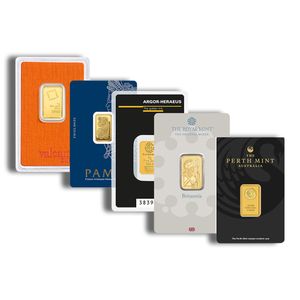
Over decades, these refineries established the assay card format as the industry standard for packaging and authenticating smaller gold bars. The combination of an embedded bar, weight stamp, purity marking, and serial number within a sealed card created a portable, verifiable, and professionally presented product that became widely accepted across dealer networks, exchanges, and secondary markets globally.

Purity, Weight, and Specifications

The gold bars and rounds in this section are produced to either .9999 fine or .999 fine purity standards, both of which meet the London Bullion Market Association's Good Delivery criteria for investment-grade gold. The .9999 standard, often referred to as four nines fine, is the more common purity for bars produced by Swiss refineries such as PAMP Suisse, Valcambi, and Argor-Heraeus. The random mint 1 oz option in the catalog is listed at .999 fine, which represents three nines purity and remains fully within recognized investment-grade parameters.

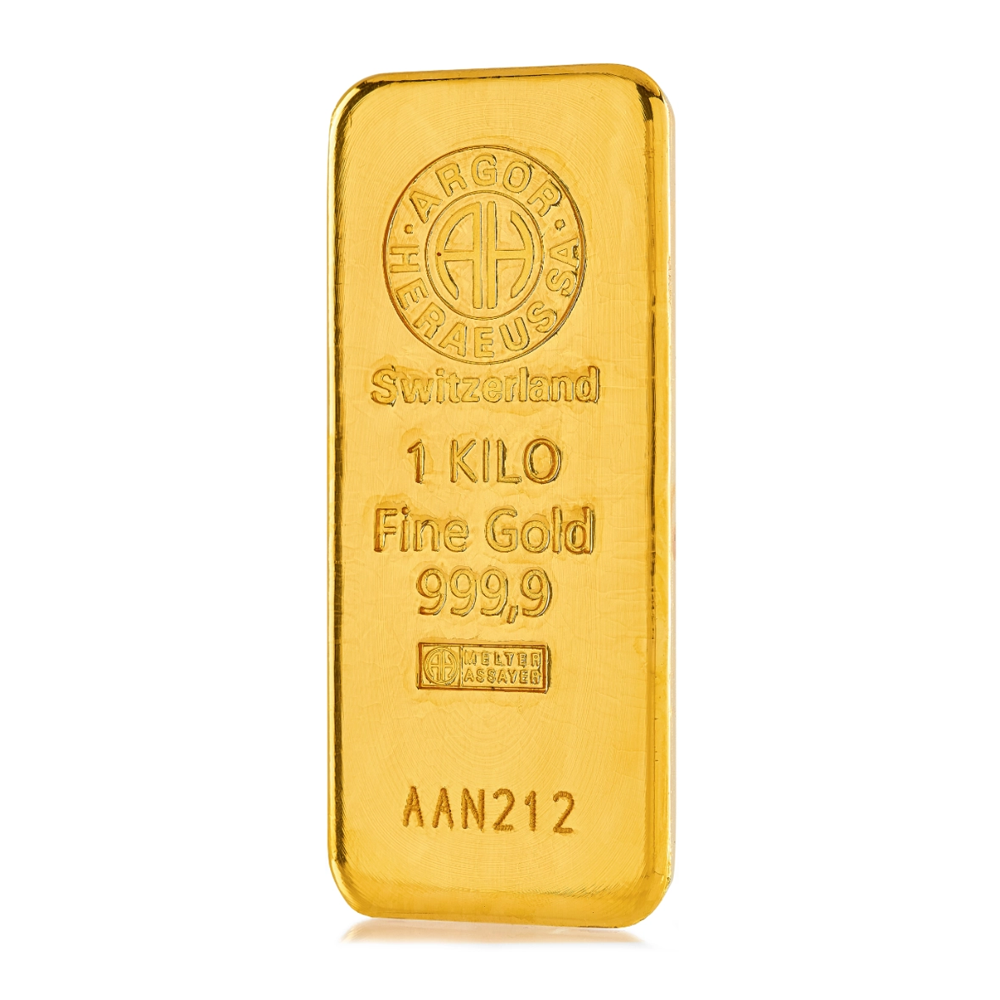
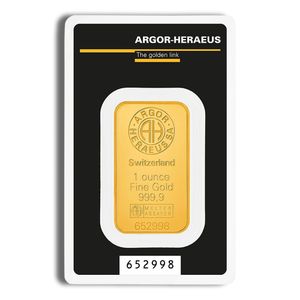
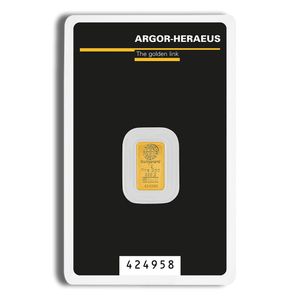
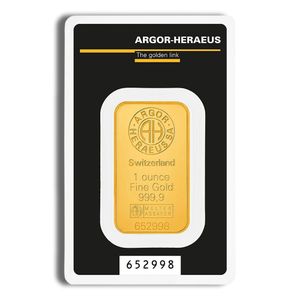
Weights in this catalog span from 1/10 troy oz through 5 troy oz, reflecting the broad spectrum of applications these products serve. All weights are measured in troy ounces, a standard unit in the precious metals industry where one troy ounce equals approximately 31.1 grams. Fractional bars such as the 1/10 oz, 1/4 oz, and 1/2 oz Argor-Heraeus products are minted to precise tolerances and individually sealed in assay cards that confirm their weight and purity.

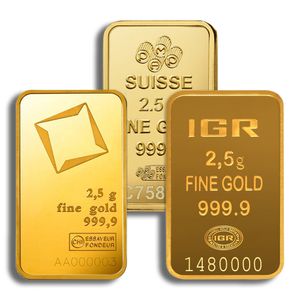
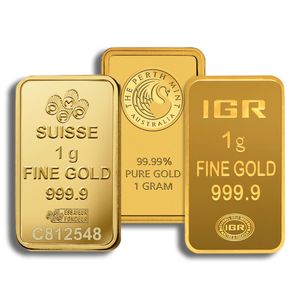
Bars produced by established refineries typically carry stamped or engraved markings that include the refinery name or logo, metal purity, weight in troy ounces, and in many cases a unique serial number. These markings, combined with assay certification, provide a verifiable chain of custody that supports both buyer confidence and downstream resale liquidity.

Available Brands, Mints, and Product Variations

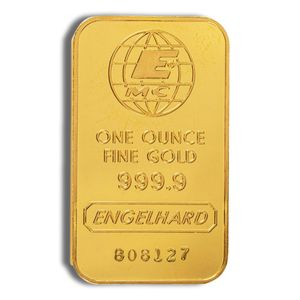
Engelhard is one of the most historically significant names in American gold refining. The Engelhard Prospector round, presented here in its original assay card, has become a recognized collectible in the secondary market. Engelhard ceased production of gold rounds years ago, which means surviving specimens in their original sealed packaging carry added appeal beyond pure metal content. The 1 oz Engelhard Prospector in assay card represents one of the more distinctive products available in this section.

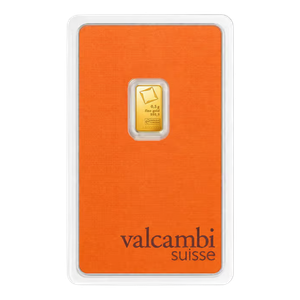
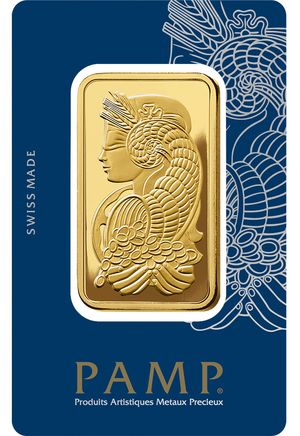
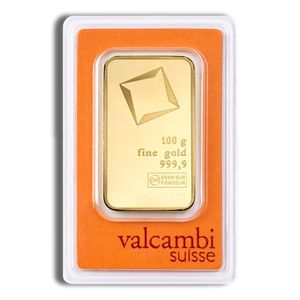
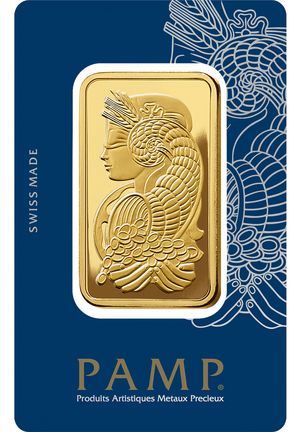
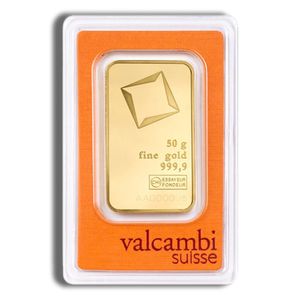
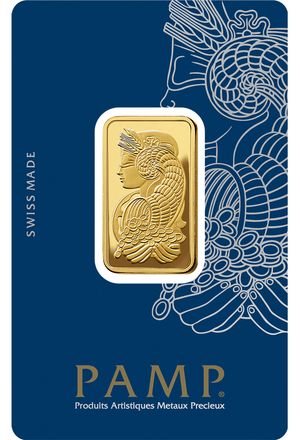
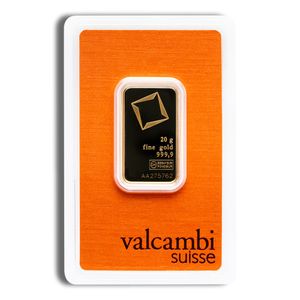
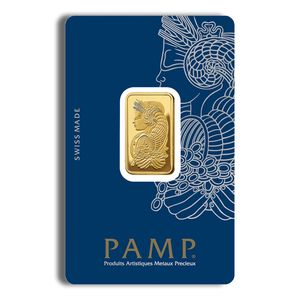
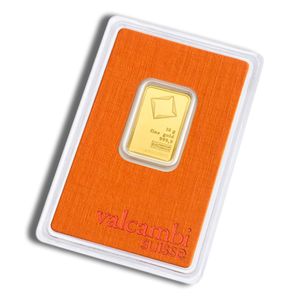
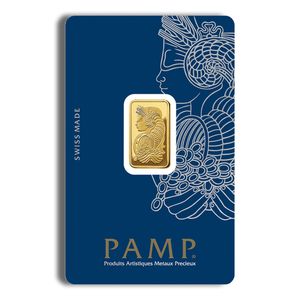
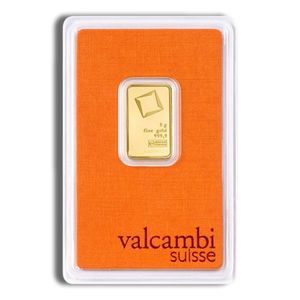
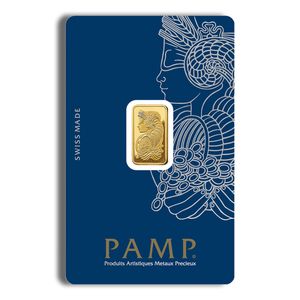
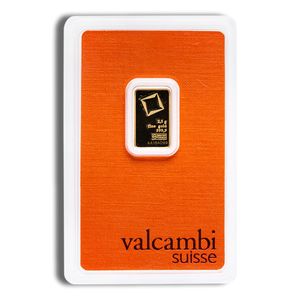
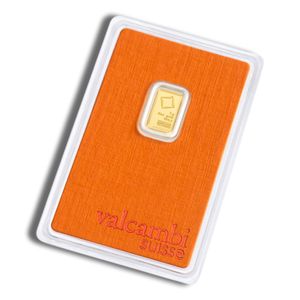
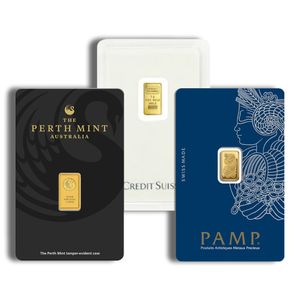
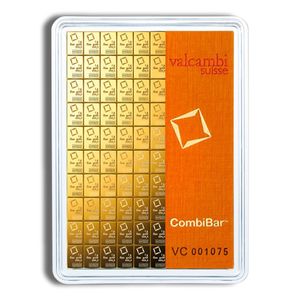
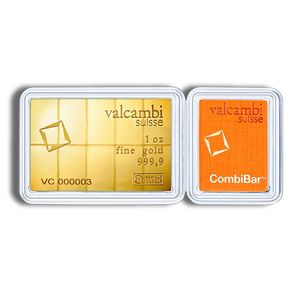
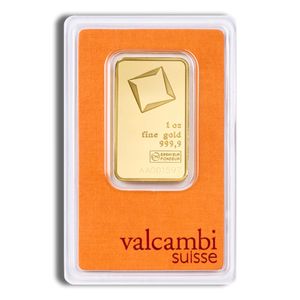
Valcambi Suisse appears twice in this catalog, once as a 1 oz gold round and again as the refiner behind the 2015 Cook Islands Gold Armillary $100 coin, a legal tender coin struck in .9999 fine gold under the Cook Islands monetary authority and manufactured by Valcambi. PAMP Suisse, with its iconic Lady Fortuna obverse design, contributes the 1/2 oz gold bar sealed in assay card. Argor-Heraeus rounds out the Swiss refinery presence with fractional bars in 1/10 oz, 1/4 oz, and 1/2 oz sizes, all presented in assay card packaging.

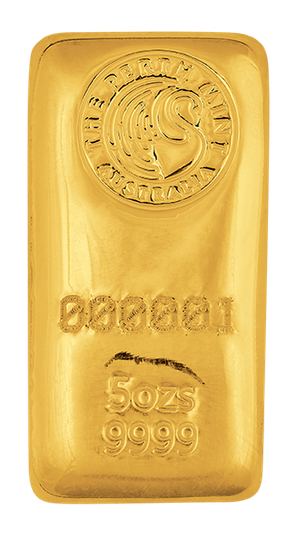
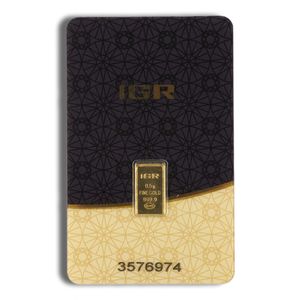
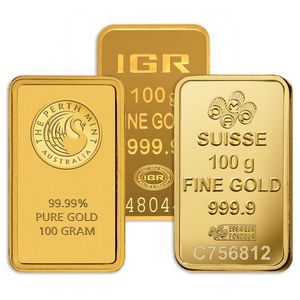
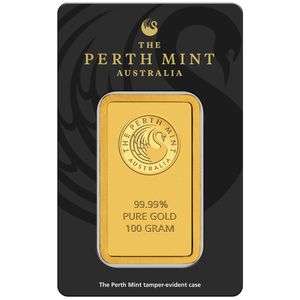
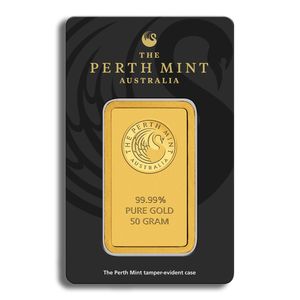
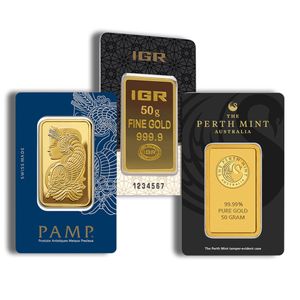
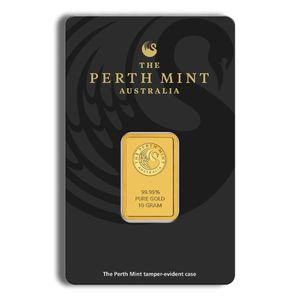
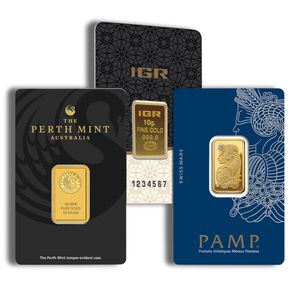
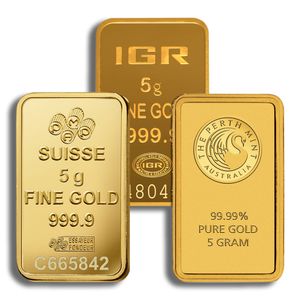
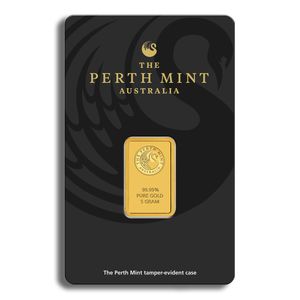
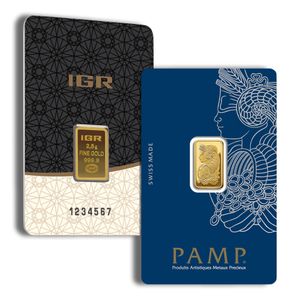
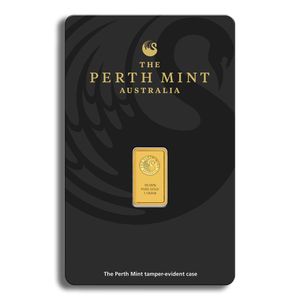
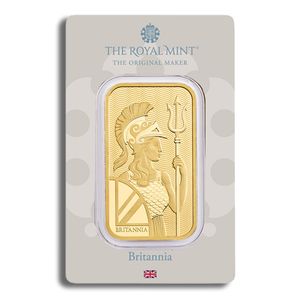
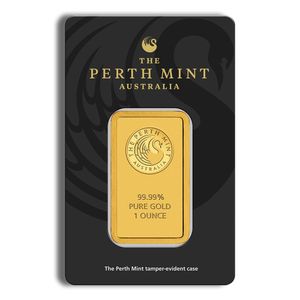
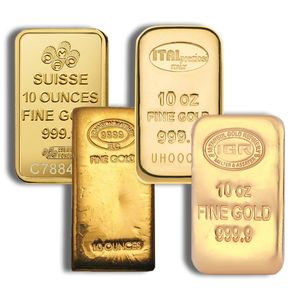
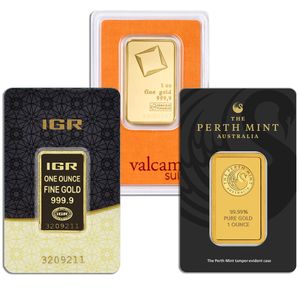
The 5 oz tier offers three distinct options: an IGR Metals bar, a Perth Mint cast bar, and a random brand .9999 fine bar. The Perth Mint, operated by the government of Western Australia, is one of the most recognized government-affiliated refineries in the world and brings institutional-grade credibility to the 5 oz cast format. Random brand and random mint options across the catalog provide buyers with flexibility when brand specificity is less important than cost efficiency and gold content per dollar.

Pricing, Premiums, and Market Factors

The price of any gold bar or round begins with the spot price of gold, the real-time benchmark for one troy ounce of gold traded on global commodity exchanges. The premium paid above spot reflects manufacturing costs, packaging, refinery branding, market demand, supply availability, and the format itself. Fractional bars generally carry higher premiums on a per-ounce basis than full-ounce or multi-ounce products due to the increased per-unit production cost involved in minting smaller pieces.

Brand recognition plays a measurable role in premium pricing. A sealed PAMP Suisse Lady Fortuna bar in assay card commands a different premium than a random brand bar of equivalent weight and purity, because the PAMP name carries broader dealer and institutional recognition, which directly affects secondary market demand. Assay card packaging also supports premiums because it provides built-in authentication and reduces friction at the point of resale.

Bullion Standard displays live bid and ask pricing on each product page, allowing you to evaluate both the purchase price and the current buyback value before committing. This spread transparency is central to our marketplace model and gives buyers a clearer view of the total cost of ownership rather than just the acquisition price. For buyers comparing products across weight tiers or refinery brands, our platform makes it straightforward to assess relative premiums using real-time market data.

Condition, Packaging, and What to Expect

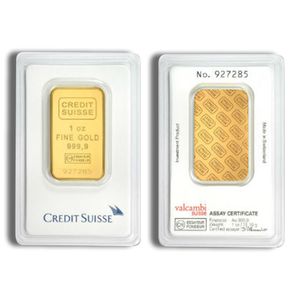
Products in assay card packaging are delivered sealed in their original tamper-evident enclosures. These cards are typically produced from a combination of rigid plastic and a paper or foil backing, with the bar visibly embedded and the certificate details printed or engraved on the outer surface. Buyers should expect assay-sealed products to arrive in their original factory condition, though minor cosmetic marks on the card exterior are not uncommon and don't affect the integrity of the seal or the product inside.

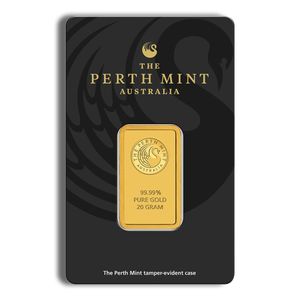
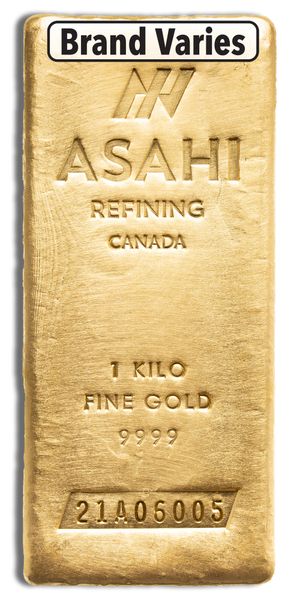
Cast bars, such as the Perth Mint 5 oz cast bar, have a distinct visual character compared to minted bars. The casting process involves pouring molten gold into a mold, which results in a more textured, less polished surface appearance with visible pour lines or grain structure. This is entirely normal and expected for cast products and does not indicate a defect. Cast bars are valued for their gold content in the same way as minted products.

Random mint and random brand products are sourced from reputable refineries and verified for authenticity, weight, and purity before shipping, but the specific brand or year you receive may vary from what is shown in the product listing. These products are selected based on availability at the time of fulfillment. Buyers prioritizing a specific refinery or year should select the designated brand-specific listings rather than random-source options.

Authenticity and Verification

Every product sold through Bullion Standard is verified for authenticity, weight, and purity before reaching a customer. Products bearing assay card packaging provide an additional layer of built-in verification, as the sealed enclosure serves as the refinery's direct certification of gold content and purity. Tampering with or opening an assay card diminishes both the packaging integrity and the perceived authenticity of the product in the secondary market.

Established refineries like PAMP Suisse, Valcambi, Argor-Heraeus, and the Perth Mint employ a range of anti-counterfeiting measures in their products. These may include laser micro-engraving, holographic security elements, proprietary assay card designs, serial number registration, and surface security features visible only under magnification or UV light. PAMP's Veriscan technology, for example, allows individual bars to be matched against a database record using surface mapping, providing a form of biometric identification for the bar itself.

Bullion Standard sources all products from reputable mints, refineries, wholesalers, and authorized distributors. Our team applies additional authentication checks upon receipt, and we are an authorized dealer for both PCGS and NGC, which means our verification processes align with the highest standards in the industry. Buyers can purchase with confidence knowing that our sourcing and verification practices are consistent and professionally maintained.

Liquidity and Resale Considerations

Not all gold products trade with the same ease in the secondary market. Products from widely recognized refineries such as PAMP Suisse, Valcambi, Argor-Heraeus, and the Perth Mint are accepted by dealers and institutional buyers globally, which supports more consistent resale availability. Products still in their original assay card packaging also tend to move more efficiently at the point of resale because they require less authentication effort from the receiving dealer.

Random brand and random mint products occupy a different position in the resale landscape. While they're fully acceptable as .999 or .9999 fine gold, buyers should understand that less recognizable brands may attract slightly wider bid/ask spreads in certain dealer environments. This is worth factoring into the original purchase decision, particularly for buyers who anticipate selling within a shorter time horizon.

The Engelhard Prospector round carries a degree of collector-driven demand in the secondary market beyond its base gold content, particularly when sealed in its original assay card. This added demand can influence resale pricing, though it's important to understand that collector premiums are not guaranteed and can fluctuate based on market sentiment, condition, and timing.

Storage and Security

Fractional gold bars and 1 oz rounds are compact enough to store efficiently in a variety of secure environments, from personal safes with fire and water ratings to allocated vault storage through a third-party depository. Assay-sealed bars should be kept in their original packaging whenever possible, as the intact seal both protects the surface and preserves the product's full resale presentation.

Larger products such as 5 oz bars occupy more meaningful value per unit, which generally makes secure vault or safe storage a more practical choice than casual home storage. If you're accumulating multiple 5 oz bars over time, a professional storage facility with insurance coverage and audit capabilities offers a level of security that home safes typically can't match at equivalent cost.

Regardless of storage method, gold should be kept away from prolonged humidity, direct sunlight, and contact with reactive materials. Cast bars are less susceptible to surface abrasion than highly polished minted products, but all gold products benefit from minimal handling and stable environmental conditions. If using a home safe, silica gel packets can help reduce moisture exposure within the storage environment.

Selling and Buyback Options

Bullion Standard operates a two-way market, meaning you can sell back the products you purchase through the same platform where you bought them. This eliminates the need to find a separate dealer, negotiate over the phone, or navigate an unfamiliar buyback process. Our purchasing team evaluates products based on current wholesale bid pricing, product type, condition, and packaging integrity, and we provide competitive quotes grounded in live market data rather than fixed or arbitrary price lists.

Products still in original assay card packaging typically receive the most straightforward evaluation at buyback. An intact PAMP Suisse or Argor-Heraeus bar in its sealed card presents clearly, authenticates easily, and matches the specifications recorded in our system. Products that have been removed from assay packaging are still fully eligible for buyback but may require additional verification steps and could be priced closer to generic melt-value levels depending on the buyer's assessment of the product.

Understanding buyback pricing before you purchase is part of how Bullion Standard structures its marketplace experience. Our product pages display live bid pricing alongside the ask, so the spread is visible at the time of purchase rather than discovered only at the point of sale. This upfront transparency gives buyers a realistic picture of current market conditions and helps set appropriate expectations about the complete round-trip cost of owning any specific product.

Why Buy Other Gold Bars and Rounds?

The appeal of privately produced gold bars and rounds comes down to format flexibility and premium efficiency. Because these products aren't government minted, they typically carry lower production-related premiums than sovereign coins, which means more of your purchase price translates directly into gold content. This makes them a practical choice for buyers who prioritize weight accumulation over numismatic or legal tender considerations.

The weight range available across this part of the catalog is also a meaningful advantage. Fractional gold bars from Argor-Heraeus allow buyers to acquire gold in 1/10 oz, 1/4 oz, and 1/2 oz increments, which reduces the amount of capital required for any single purchase and increases divisibility across a holding. At the other end of the spectrum, 5 oz bars from IGR Metals and the Perth Mint allow buyers to concentrate gold holdings into fewer, larger pieces with correspondingly efficient per-ounce pricing.

Refinery diversity within this section is another practical consideration. Swiss refineries like PAMP Suisse, Valcambi, and Argor-Heraeus are recognized across global dealer networks, which supports resale liquidity. The inclusion of the Engelhard Prospector round adds a historically significant American refinery product that carries collector interest beyond its base metal value. Together, these offerings represent a cross-section of the private refinery segment that has practical applications for buyers at a wide range of experience levels and budget scales.

Why Buy from Bullion Standard?

Bullion Standard was founded in San Diego in 2010 and has built its reputation on a straightforward principle: buyers deserve accurate information, transparent pricing, and reliable service without the pressure common in traditional precious metals retail. Our marketplace is structured around that philosophy, from the way we present pricing to the way we handle post-purchase support and buyback transactions.

Every product in our catalog is sourced from verified mints, refineries, wholesalers, and authorized distributors and authenticated before it ships. We carry an A rating with the Better Business Bureau and maintain memberships with the American Numismatic Association and the National Coin and Bullion Association. As an authorized dealer for both PCGS and NGC, our authentication and verification standards are aligned with the most recognized grading services in the industry.

Our payment options include Visa, Mastercard, American Express, Discover, PayPal, bank-connected payments through Plaid, wire transfer, paper check, and cryptocurrency through BitPay, giving buyers flexibility at checkout. Fulfillment is handled with care and reliability, and our customer service team is accessible and informed. Whether you're purchasing a fractional Argor-Heraeus bar for the first time or adding a 5 oz Perth Mint cast bar to an existing holding, the experience is designed to feel informed and straightforward rather than transactional and opaque.

Get Near-Spot Pricing with Bullion Standard Pro

Bullion Standard Pro is designed for buyers who want direct access to executable wholesale bid and ask pricing across our catalog. Rather than paying fixed retail markups, Pro members transact at live wholesale market prices that reflect actual supply and demand conditions within the bullion market. This means premiums and spreads fluctuate naturally with the market rather than being set by a static dealer pricing structure.

For buyers accumulating gold bars and rounds over time, the difference between retail and wholesale pricing compounds meaningfully across multiple transactions. Pro members can evaluate any product in our catalog using live spread data, historical premium analysis, premium percentile rankings, and proprietary liquidity metrics that provide context beyond the current spot price. These tools make it easier to assess whether a particular product is trading at a historically tight or wide premium relative to its own pricing history.

Portfolio valuation within Bullion Standard Pro uses live executable wholesale bid pricing rather than estimated retail values, giving members a more accurate view of what their holdings are worth at current market conditions. Combined with market intelligence tools that aggregate activity across the broader wholesale bullion market, Pro membership provides the kind of transparent, data-informed purchasing environment that has historically been accessible only to institutional buyers. For anyone purchasing gold bars and rounds with any regularity, the pricing efficiency and market visibility offered through Pro represents a meaningful structural advantage.