Buy Goldbacks - Aurum Gold Foil Notes Online
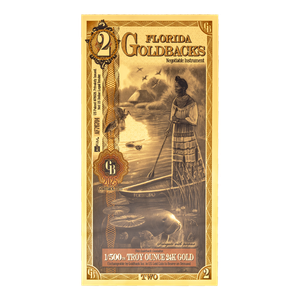
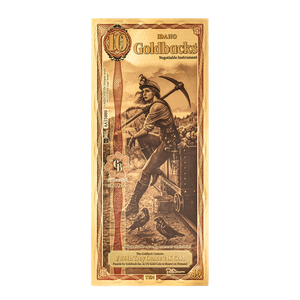
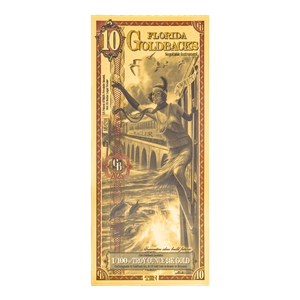
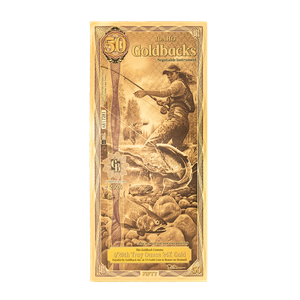
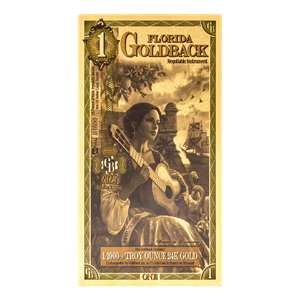
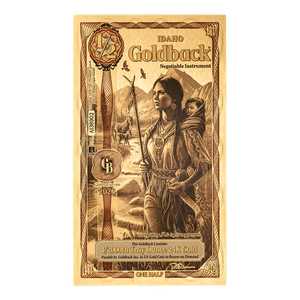
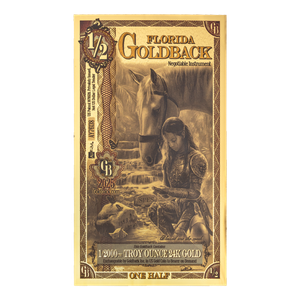
Our catalog of goldbacks covers one of the most distinctive formats in the modern physical gold market: aurum gold foil notes produced by Goldback, Inc. These are legal tender voluntary currency notes that embed a precise amount of .999 fine gold within each bill using a proprietary layered polymer and gold foil construction. Whether you're looking at the Arizona, Florida, Idaho, Oklahoma, or Wyoming series, each denomination carries a clearly defined gold content ranging from 1/4 goldback fractionals containing 1/4000th of a troy ounce up to the 100 goldback note holding a full 1/10th of a troy ounce.
The breadth of this catalog reflects the expanding state-series program that Goldback has built over the past several years. Individual denominations from the 1/2 goldback through the 100 goldback are available across multiple state series, and the catalog also includes the Limited Early Release California 3 Goldback, a notable entry for collectors and buyers drawn to early-series releases. Bullion Standard lists each note with transparent pricing tied to real-time gold spot conditions so buyers can evaluate their purchase with full visibility into the premium structure.
Buying goldbacks through Bullion Standard means working within a marketplace that emphasizes clarity on both the purchase and resale sides of the transaction. Each product page displays the bid and ask spread, giving buyers a realistic picture of acquisition cost relative to current wholesale liquidation value before they complete a purchase.
What Are Goldbacks - Aurum Gold Foil Notes?
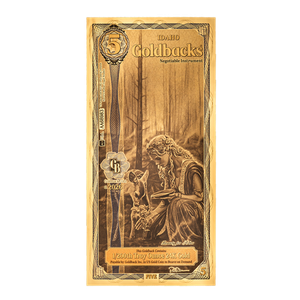
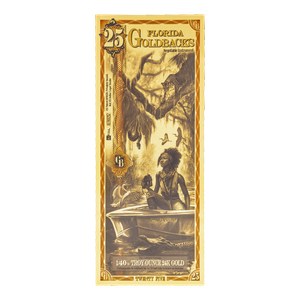
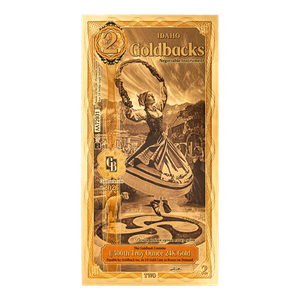
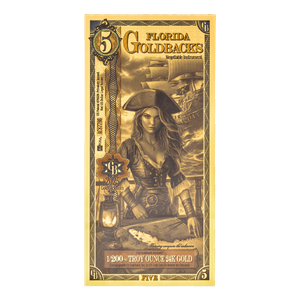
Goldbacks are physical voluntary currency notes made from actual gold. Unlike paper currency backed by a promise, or traditional gold coins and bars that require scales and testing to verify at the point of use, each goldback is a self-contained note that incorporates .999 fine gold foil laminated within a durable, flexible polymer substrate. The gold content is visible through the translucent design layer, and each denomination is labeled clearly so that both parties in a transaction can verify the note's gold weight at a glance.
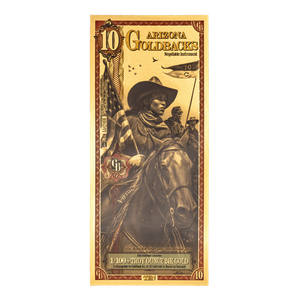
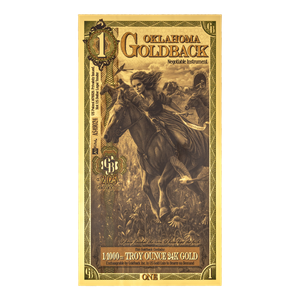
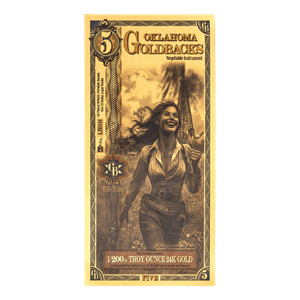
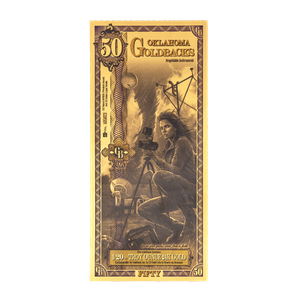
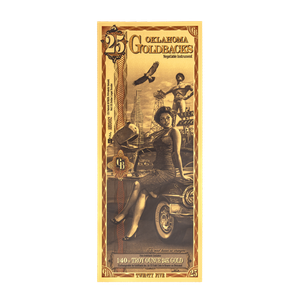
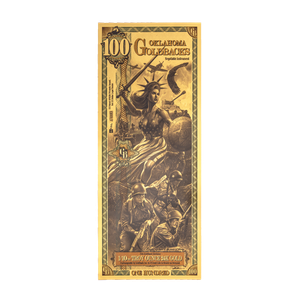
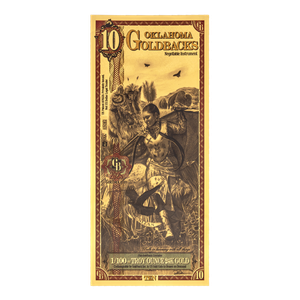
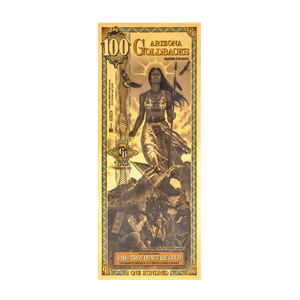
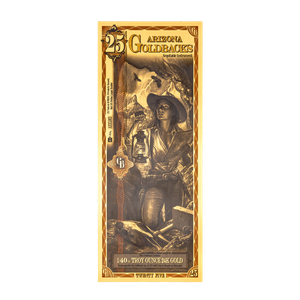
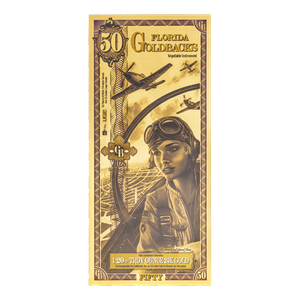
The denominations are designed to function as a practical medium of exchange at the fractional ounce level. The 1 goldback contains 1/1000th of a troy ounce of gold, the 5 contains 5/1000ths, the 10 contains 1/100th, the 25 contains 1/40th, the 50 contains 1/20th, and the 100 contains 1/10th of a troy ounce. The smallest available note in this catalog, the 1/4 goldback offered in the Florida and Idaho series, holds just 1/4000th of a troy ounce, making goldbacks among the most finely divisible gold products available to the general public.
This format occupies a unique space between collectible gold and functional monetary metal. Buyers drawn to goldbacks typically appreciate the combination of artisan craftsmanship, recognizable state-themed designs, genuine gold content, and the practical flexibility of denominated fractional notes. They differ from traditional bullion bars or coins in both their construction and their intended use case, making them a distinct category within the broader physical gold market.
History and Background
The goldback was developed by Goldback, Inc. as a response to a practical problem in the physical gold market: the absence of a spendable, small-denomination gold currency usable in everyday commerce. Traditional gold bullion has historically been concentrated in larger weights unsuited to small transactions, while gold coins from government mints carry face values far below their metal content, limiting their function as circulating money. Goldback, Inc. launched the Utah Goldback series in 2019, marking the first time a commercially produced voluntary gold currency of this design had entered the market.
The company's approach drew on centuries of gold leaf craftsmanship traditions and combined them with modern polymer lamination technology to create a product that is both durable and visually distinctive. Each state series celebrates local history, culture, and virtues through layered artwork printed around the embedded gold foil. Following the Utah launch, Goldback, Inc. expanded the program to Nevada, New Hampshire, Wyoming, Idaho, and later to states including Arizona, Florida, and Oklahoma. The Dallas and California series represent more recent additions to the program as the platform continues to scale nationally.
Within the broader bullion market, goldbacks introduced a format previously unavailable at scale, and they have attracted a mixed audience of bullion buyers, collectors, liberty-minded currency enthusiasts, and precious metals newcomers. The program's expansion across multiple states has accelerated recognition and secondary market familiarity, which matters to buyers evaluating any new format's long-term liquidity profile.
Purity, Weight, and Specifications
Every goldback in this catalog is produced to a fineness of .999, meaning the gold contained within each note is 99.9% pure. This is the same purity standard used by most commercial gold bullion bars and rounds, and it meets the standard for Good Delivery gold in professional markets. The gold content in each note is embedded as ultra-thin aurum foil layered within the polymer note body, making it integral to the bill rather than a coating or surface treatment.
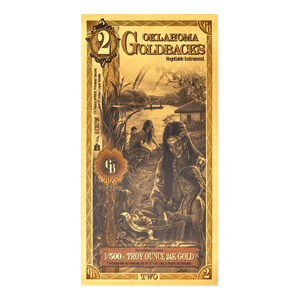
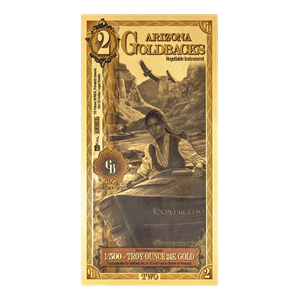
Weights scale in direct proportion to the denomination. The 1/4 goldback contains 0.00025 troy ounces, the 1/2 goldback contains 0.0005 troy ounces, the 1 goldback contains 0.001 troy ounces, the 2 contains 0.002, the 5 contains 0.005, the 10 contains 0.01, the 25 contains 0.025, the 50 contains 0.05, and the 100 goldback contains 0.1 troy ounces of .999 fine gold. These weights are printed directly on each note alongside the state name, denomination, and design series.
The note format itself does not carry a government-issued legal tender face value in the traditional sense. Goldbacks are voluntary currency accepted where merchants and individuals choose to recognize them. They are not graded by PCGS or NGC and arrive ungraded by default. The self-evident nature of the denomination and visible gold content is by design, allowing the notes to function transparently as physical gold instruments without requiring additional certification for general use.
Available Brands, Mints, and Product Variations
Every goldback in this catalog is produced by Goldback, Inc., the sole manufacturer of this format. The company controls both the design process and the lamination technology used to embed gold foil within each note, and it produces separate series for each participating state. Within this catalog, state series include Arizona, Florida, Idaho, Oklahoma, Wyoming, Nevada, Utah, South Dakota, Dallas, and California, with the Limited Early Release California 3 Goldback representing a special limited production run.
The Arizona, Florida, Idaho, and Oklahoma series offer the most complete denomination ranges in this catalog, with options spanning from the 1/2 goldback or 1/4 goldback fractional up to the 100 goldback. The Nevada, Utah, South Dakota, Dallas, and Wyoming series currently appear in the catalog with the 1 goldback denomination, which serves as a practical entry point for buyers exploring a new state series or purchasing goldbacks for day-to-day use at the smallest gold weight level. The Limited Early Release California 3 Goldback is a distinct offering, denominated at 3 goldbacks and containing 0.0003 troy ounces of gold, notable for its collectible early-release status.
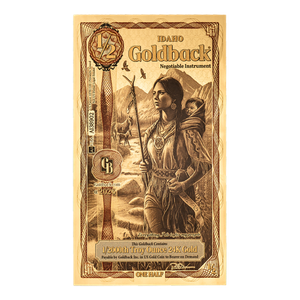
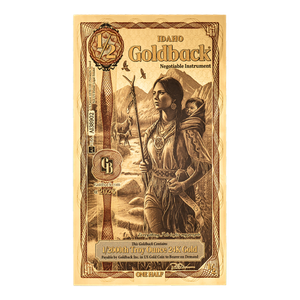
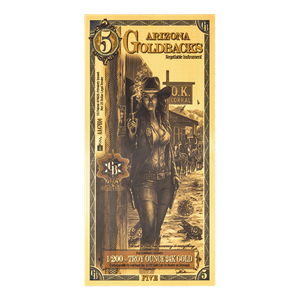
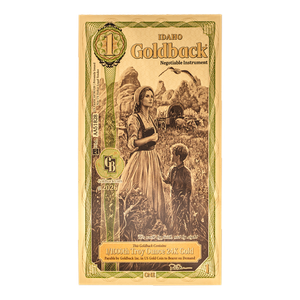
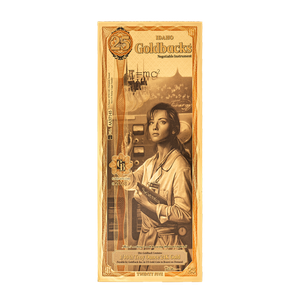
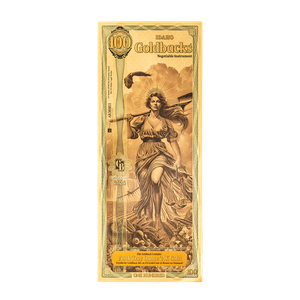
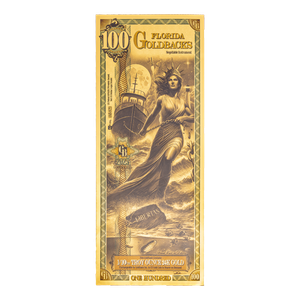
Design motifs across each state series are developed specifically for that region, incorporating allegorical figures, historical references, and state symbols rendered in detailed layered artwork that frames the visible gold foil center. This makes each series visually distinct while maintaining consistent construction standards across all denominations and states.
Pricing, Premiums, and Market Factors
Goldback pricing is tied to the spot price of gold but carries a premium that reflects several factors unique to this format. The manufacturing process is more complex than standard coin or bar production, involving precision lamination of ultra-thin gold foil within a polymer substrate alongside multi-layer artistic printing. This production cost is a primary driver of the premium above spot that buyers will observe across all denominations.
Smaller denominations, such as the 1/4, 1/2, 1, and 2 goldback notes, carry proportionally higher premiums per troy ounce than larger denominations like the 50 or 100 goldback. This is consistent with standard bullion pricing mechanics, where manufacturing costs represent a larger percentage of metal value at lower weights. Buyers purchasing the 25, 50, or 100 goldback denominations will typically find more favorable premium-to-gold-weight ratios compared to the smaller fractional notes.
Bullion Standard displays the bid and ask spread on each goldback product page, allowing buyers to evaluate the full cost structure before purchasing. This transparency reflects our marketplace model, where pricing is tied directly to real-time spot conditions rather than fixed retail markups that may obscure actual market value. Understanding both the acquisition premium and the current buyback price provides a more complete view of the total cost of ownership for any goldback denomination.
Condition, Packaging, and What to Expect
Goldbacks are produced as finished currency notes and arrive in uncirculated condition. Individual notes are typically packaged in protective sleeves or holders that preserve the surface of the polymer and prevent contact damage to the printed artwork and gold foil layer. The polymer construction makes goldbacks more durable than paper currency, and they are resistant to moisture and moderate physical handling, but the printed surface can show wear or abrasion if handled carelessly or stored without protection.
Multi-note purchases may arrive in sealed packets grouped by denomination and series depending on availability and packaging at the time of fulfillment. Buyers should expect that the cosmetic presentation of goldbacks reflects their nature as currency notes rather than collector coins. Minor handling marks consistent with packaging and transit are within normal range and do not affect the gold content or authenticity of the note.
The Limited Early Release California 3 Goldback may arrive in different packaging than standard series notes given its limited production status. Buyers interested in this note specifically for its collectible early-release character should store it in a dedicated holder or sleeve to maintain its condition over time.
Authenticity and Verification
Authenticity verification for goldbacks is supported by several design and construction features built into each note. The embedded .999 fine gold foil is visible through the translucent polymer layers and can be confirmed visually under adequate lighting. Goldback, Inc. also incorporates security printing features within the multi-layer artwork that distinguish genuine notes from imitations, and these features are consistent across each authorized series production run.
The weight and gold content of each denomination can be verified using a precision scale calibrated to troy ounces or milligrams. Because the gold foil is integral to the note body, any attempt to alter or remove the foil would be immediately apparent. The denomination, gold weight, and state series are clearly printed on each note and correspond to the specifications published by Goldback, Inc. for each production run.
Bullion Standard sources goldbacks directly through authorized distribution channels and verifies authenticity before products are listed and fulfilled. Our team does not list goldbacks from unverified sources, and every product in this catalog is handled through our standard product verification process before reaching customers.
Liquidity and Resale Considerations
Goldbacks occupy a niche within the broader physical gold market, and buyers should understand the liquidity profile of this format relative to standard gold coins and bars. The goldback secondary market has grown meaningfully alongside the program's national expansion, with a base of buyers, collectors, and merchants who transact in goldbacks directly. Dealers specializing in alternative gold formats, online bullion marketplaces, and private buyer networks represent the most common resale environments.
Liquidity varies by series and denomination. State series with longer production histories, such as Utah, Nevada, and Wyoming, tend to have more established secondary market recognition than newer state launches. Larger denominations like the 50 and 100 goldback carry more gold per note and often attract buyers making straightforward metal-content purchases, while smaller denominations appeal to a broader audience including collectors and currency enthusiasts. The Limited Early Release California 3 Goldback may attract collector premiums on the secondary market but trades in a smaller volume than standard series notes.
Bullion Standard offers buyback pricing on goldbacks through our two-way market structure, allowing sellers to obtain a competitive quote based on current spot conditions and the specific series and denomination being offered. Understanding the resale environment before purchase is consistent with our philosophy that liquidity should be evaluated at the point of acquisition, not only when it is time to sell.
Storage and Security
Goldbacks are more compact and flexible than coins or bars of equivalent gold value, which creates both practical advantages and specific storage considerations. Individual notes or small collections can be stored flat in protective currency sleeves or archival-quality holders, and these can then be placed inside a home safe, lockbox, or dedicated storage binder. The polymer construction resists moisture better than paper currency, but extended exposure to direct sunlight or high heat can affect the printed surface over time.
For buyers accumulating larger quantities across multiple denominations and state series, organizing notes by series and denomination in labeled sleeves or binders simplifies inventory management and makes verification faster during potential resale. Storing notes flat rather than folded or rolled prevents creasing that could affect both cosmetic presentation and perceived condition on the secondary market.
Buyers holding significant gold value across a goldback collection should consider professional vault storage or a high-quality home safe with adequate fire and theft protection. The same security standards that apply to any physical gold holding apply to goldbacks, and their thin profile does not diminish the importance of treating them as the gold assets they are.
Selling and Buyback Options
Selling goldbacks follows a similar process to selling other physical gold products, with some format-specific considerations. Dealers evaluating a buyback will assess the current spot price of gold, the denomination and series of the notes being sold, the condition and completeness of packaging, and the current demand environment for the specific series. Notes in original protective packaging and undamaged condition will generally receive more favorable buyback terms than notes showing visible handling damage or delamination.
Goldback, Inc. series with broader national recognition, such as the Utah, Nevada, and Wyoming series, tend to find buyers more readily across dealer networks. Newer or limited-release series may require additional effort to locate buyers at competitive prices, making it worth considering the resale environment for any specific series before purchasing in volume. Denomination also matters: the 50 and 100 goldback notes carry enough gold content to attract straightforward bullion buyers, while smaller denominations are more often sold into collector and currency-enthusiast markets.
Bullion Standard's purchasing team provides buyback quotes on goldbacks as part of our two-way market structure. Sellers can request a quote through our platform, and pricing reflects real-time spot conditions and current wholesale market demand for the specific denomination and series being offered. This process is designed to be straightforward and transparent, consistent with our broader philosophy of treating both the buying and selling experience with equal clarity.
Why Buy Goldbacks - Aurum Gold Foil Notes?
Goldbacks offer something genuinely distinct within the physical gold market: denominated, spendable fractional gold in a format that does not require scales or testing at the point of exchange. For buyers who want to hold gold at small weights while maintaining practical divisibility, no standard bullion format provides the same granularity. The 1/4 goldback through the 100 goldback creates a complete denomination system covering gold weights from 0.00025 to 0.1 troy ounces in a single product family.
The artisan quality of the design program also distinguishes goldbacks from generic rounds or bars. Each state series reflects deliberate creative direction that resonates with collectors as well as buyers motivated primarily by gold content. This dual appeal means goldbacks attract a broader buying audience than many bullion formats, which supports secondary market activity across multiple buyer types.
The expandability of the program across new states and denominations over time creates ongoing opportunities for buyers interested in completing series or acquiring early releases before wider distribution. The Limited Early Release California 3 Goldback in this catalog is an example of the type of limited-production note that draws collector attention beyond standard bullion buying motivations.
Why Buy from Bullion Standard?
Bullion Standard has operated as a nationally recognized precious metals marketplace since 2010, built on a commitment to pricing transparency, verified sourcing, and straightforward customer relationships. We source goldbacks through authorized distribution channels and maintain a verification process that ensures every product listed in our catalog meets authenticity and condition standards before it reaches a customer. Our A rating with the Better Business Bureau and memberships in the American Numismatic Association and the National Coin and Bullion Association reflect the standards we hold ourselves to across every transaction.
Our pricing model is designed to reflect real market conditions rather than opaque markups. The bid and ask spread visible on each goldback product page gives buyers the ability to evaluate acquisition cost against current wholesale resale value before making a purchase decision. This level of transparency is central to how we operate and differentiates us from traditional high-pressure sales environments in the industry.
Customers purchasing through Bullion Standard have access to multiple secure payment methods including Visa, Mastercard, American Express, Discover, PayPal, bank-connected payments through Plaid, wire transfer, paper check, and cryptocurrency through BitPay. Fulfillment is handled through a reliable and secure shipping process with the same attention to packaging integrity that we apply across all precious metals products in our catalog.
Get Near-Spot Pricing with Bullion Standard Pro
Bullion Standard Pro provides members with access to live wholesale bid and ask pricing across our catalog, including goldbacks. Rather than purchasing at fixed retail pricing structures, Pro members transact at executable wholesale market prices that reflect real-time supply and demand conditions. This means the premiums and spreads displayed to Pro members fluctuate based on actual market activity rather than dealer markups applied on top of spot.
For buyers purchasing goldbacks regularly or in meaningful volume, the pricing efficiency available through Bullion Standard Pro can make a measurable difference in total acquisition cost over time. The platform also provides access to proprietary market intelligence tools, portfolio valuation using live wholesale bid pricing, spread analysis, and historical premium data that help members evaluate whether a given denomination or series represents relative value at the current moment in the market.
Portfolio holdings are valued using live executable wholesale bid pricing through Bullion Standard Pro, giving members a realistic view of current liquidation value rather than estimated retail values. For buyers accumulating goldbacks across multiple series and denominations, this provides a more accurate and current picture of the gold value held within their collection at any given point in time.

 (833) 278-4653