Physical Palladium Bars & Coins | Bullion Standard
Buy Physical Palladium Bars & Coins Online
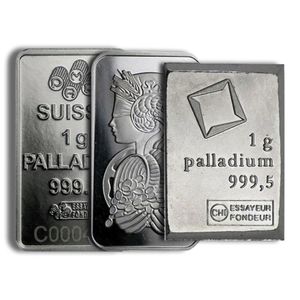
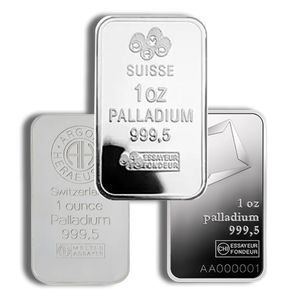
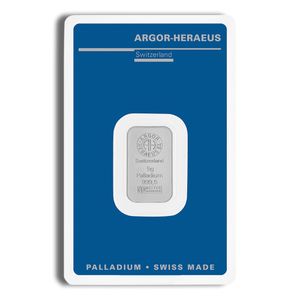
Our palladium catalog spans a broad range of weights, formats, mints, and packaging styles suited to buyers at every level of familiarity with the metal. From 1 gram minted bars by Argor-Heraeus and PAMP Suisse to 1 kilo cast bars from various refineries, the selection covers small fractional pieces all the way up to large-format bullion. Coins from sovereign mints including the United States Mint, Royal Canadian Mint, and the Moscow Mint round out the offering with government-issued pieces in brilliant uncirculated, proof, reverse proof, and burnished finishes.
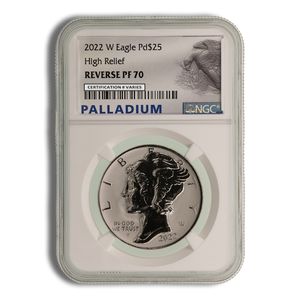
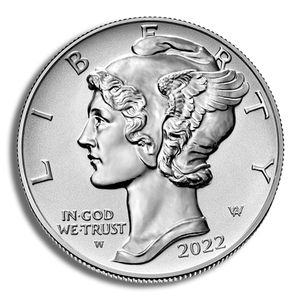
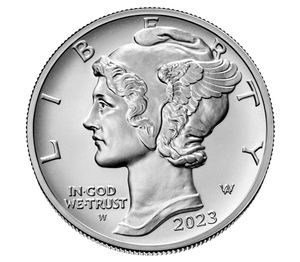
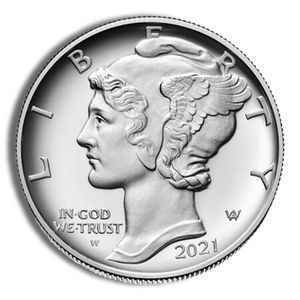
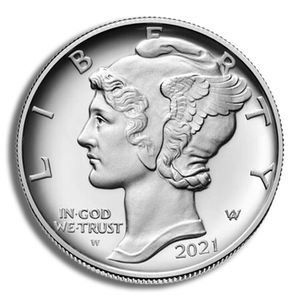
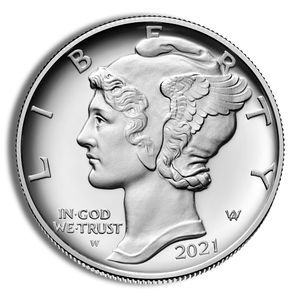
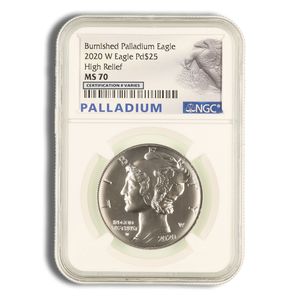
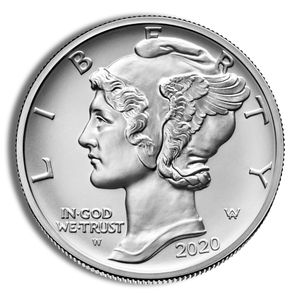
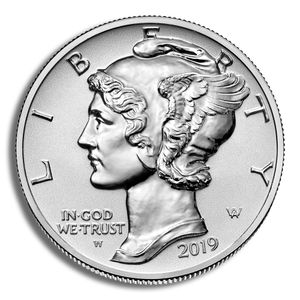
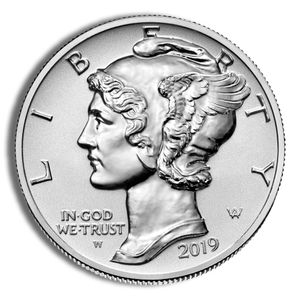
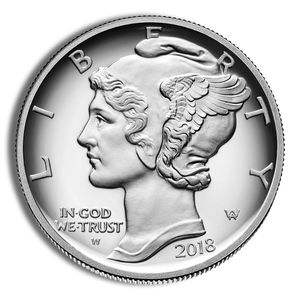
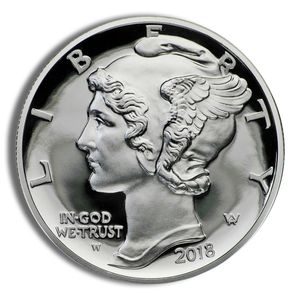
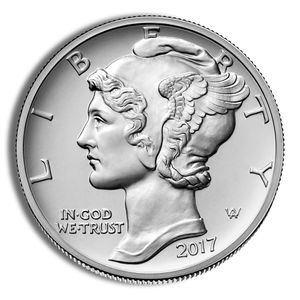
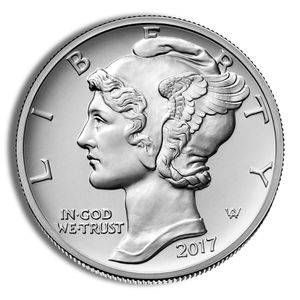
The American Palladium Eagle series occupies a prominent part of the catalog, with annual releases from 2017 through 2023 available in multiple formats, including raw bullion, NGC-graded MS70, PCGS-graded MS70, and PF70 certified examples. Random year and random brand options are also available for buyers prioritizing metal content over specific origins. Bullion Standard presents all of this through a transparent marketplace model that displays pricing, bid/ask spreads, and buyback values clearly on each product page.
What Are Physical Palladium Bars & Coins?
Physical palladium bars and coins are tangible bullion products produced by accredited mints and refineries and priced relative to the palladium spot market. Bars are manufactured through either minted or cast processes, with minted bars produced from rolled metal blanks and finished with sharper design detail and smoother surfaces, while cast bars are poured from molten metal and carry a more industrial appearance. Coins are struck by sovereign or government-authorized mints and typically carry legal tender designations, though their market value is tied to metal content rather than face value.
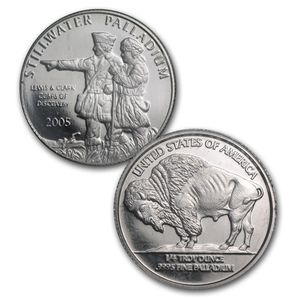
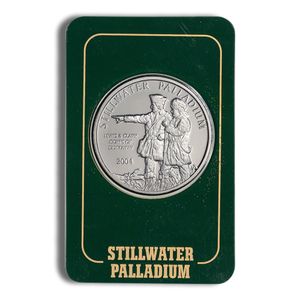
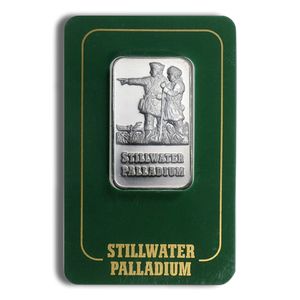
Rounds occupy a third format within this space, sharing the circular shape of coins but produced privately rather than by government mints. The 1 oz JM Stillwater palladium round by Johnson Matthey is a notable example in the catalog. Assay cards and assay certificates accompany most minted bars and some rounds, enclosing the product in a tamper-evident package that verifies weight and purity at the point of manufacture. Products labeled "in assay card" or "carded" have been sealed by the producing refinery and remain in original packaging.
Fractional palladium products, including half-ounce and quarter-ounce rounds, allow buyers to acquire smaller quantities of the metal without committing to a full ounce. These formats trade at higher premiums per troy ounce relative to standard 1 oz or larger products but offer flexibility for buyers who prefer smaller incremental purchases.
History and Background
Palladium was discovered in 1803 by English chemist William Hyde Wollaston and named after the asteroid Pallas. For much of the twentieth century, it remained a relatively obscure industrial metal, overshadowed commercially by platinum and gold despite belonging to the same platinum group metals family. Early palladium bullion production was limited, with meaningful numismatic and investment-grade output only beginning to emerge in the latter decades of the century.
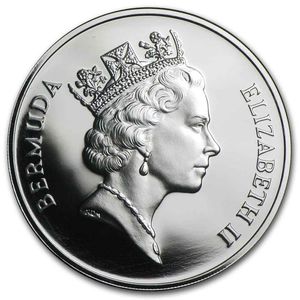
The Soviet Union and later Russia played an outsized role in shaping the palladium market. As one of the world's dominant palladium producers, Russian state stockpiles historically influenced global supply dynamics in ways that were difficult to anticipate. The 1980s saw the first significant palladium coin programs emerge, including the Soviet-era Ballerina series from the Moscow Mint, which began in 1989 and quickly attracted collector attention. Other early programs included the Bermuda Sea Venture coin issued in 1987 and Isle of Man Angel pieces, both of which appear in the Bullion Standard catalog today.
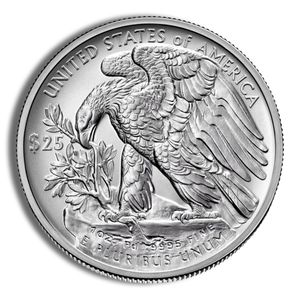
The United States launched its own government palladium coin program with the 2017 American Palladium Eagle, struck at the West Point Mint and authorized under the American Eagle Palladium Bullion Coin Act of 2010. This program marked a significant moment for palladium bullion in the American market, bringing a sovereign-backed option to buyers who had previously relied on bars, rounds, or foreign coins. The program has since expanded to include proof, reverse proof, and burnished variants, all of which are represented in the current catalog.
Purity, Weight, and Specifications
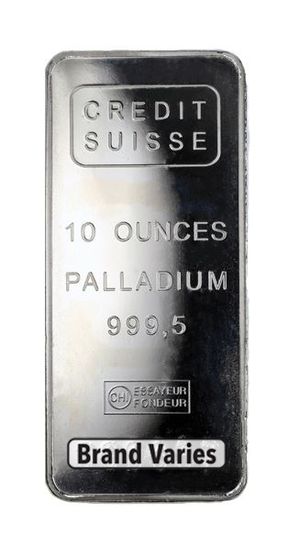
Most palladium bullion products are produced at a fineness of either 0.9995 or 0.999. The 0.9995 purity standard applies to the American Palladium Eagle, PAMP Suisse Lady Fortuna bars, Argor-Heraeus bars, Valcambi bars, Credit Suisse bars, Johnson Matthey products, and many random brand bars in the catalog. The 0.999 standard appears on products including the China Panda and Isle of Man Angel coins, as well as the 1987 Bermuda Sea Venture. Both purity levels are considered investment-grade and meet the standards required for inclusion in self-directed IRAs.
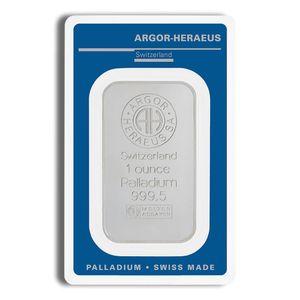
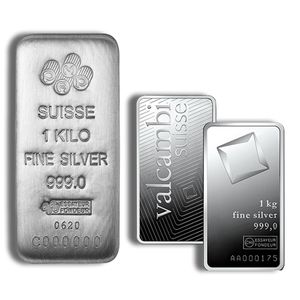
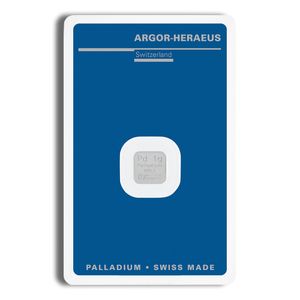
Weight increments range from 1 gram at the smallest end through 5 grams, 10 grams, 50 grams, and 1 ounce as the most common standard, with 10 ounce and 1 kilogram options available for buyers seeking larger quantities. Troy ounces are the standard unit of measure across the bullion industry, with one troy ounce equal to approximately 31.1 grams. A 1 kilo bar contains 32.1507 troy ounces of palladium. Dimensions vary by manufacturer, with the 1 oz PAMP Suisse Lady Fortuna bar measuring 41 mm by 24 mm at 2.63 mm thickness, while the Argor-Heraeus 1 oz bar is 85 mm by 54 mm at 2 mm thickness.
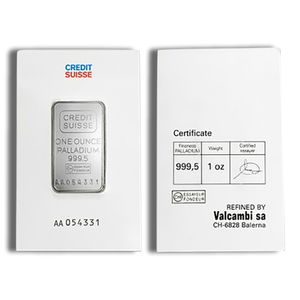
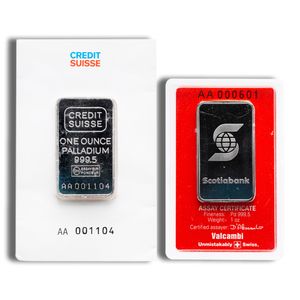
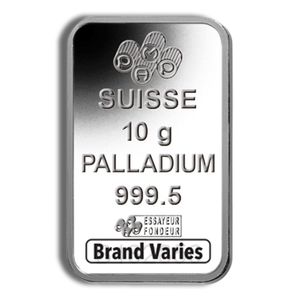
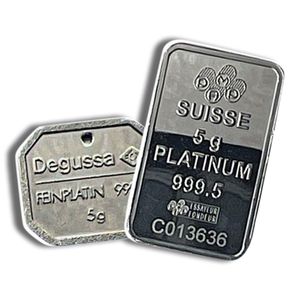
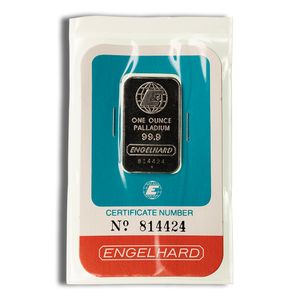
Minted products typically display the refinery or mint name, metal content, fineness, and a serial or lot number on the bar face. Some products include individual serial numbers, particularly those in sealed assay packaging. Assay cards from PAMP, Argor-Heraeus, and Valcambi serve as a certificate of authenticity from the producing refinery and provide a reliable reference point for weight and purity verification.
Available Brands, Mints, and Product Variations
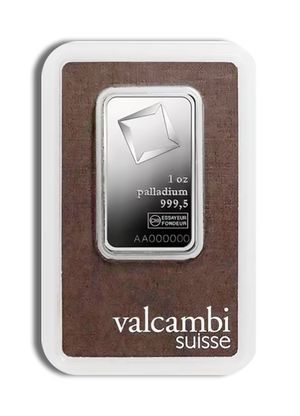
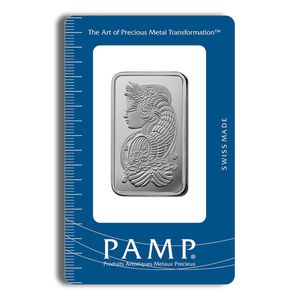
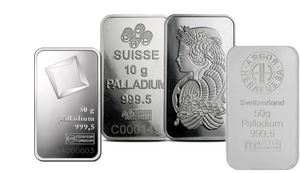
The catalog draws from a wide range of established refineries and sovereign mints. Swiss refineries are well represented, with Argor-Heraeus, PAMP Suisse, Valcambi, and Credit Suisse all offering 1 oz palladium bars in sealed assay packaging. Argor-Heraeus also produces the 1 gram and 5 gram minted bars in assay card format. PAMP Suisse contributes the iconic Lady Fortuna design in both the 1 gram carded format and the full 1 oz assay-sealed bar. The Valcambi 1 oz bar measures 38 mm by 22 mm with a 3.45 mm profile, while the Credit Suisse bar carries its own distinctive dimensions at 40 mm by 23 mm.
American refinery products include the Engelhard 1 oz palladium bar and the Johnson Matthey JM Stillwater bar and round, both originating in the United States. Engelhard has long carried strong recognition in the secondary market, and JM Stillwater pieces from Johnson Matthey benefit from similar institutional credibility. On the sovereign coin side, the United States Mint's American Palladium Eagle program anchors the coin section with annual releases spanning 2017 through 2023, covering BU bullion strikes, proof coins with box and COA, reverse proof variants, and burnished pieces. Certified versions graded MS70 or PF70 by NGC and PCGS are available for buyers seeking third-party verified examples.
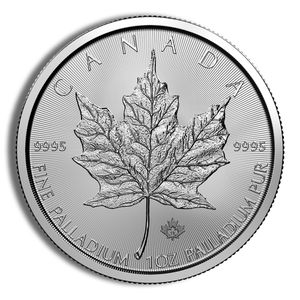
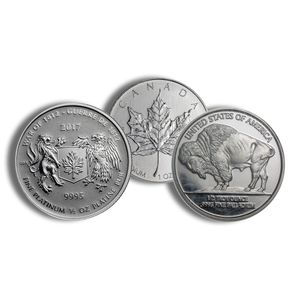
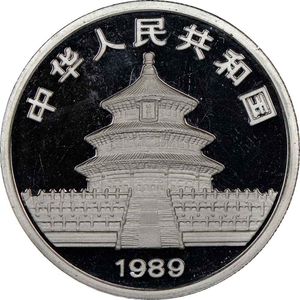
International coins in the catalog include the Royal Canadian Mint's 1 oz Palladium Maple Leaf in random year BU format, the China Mint's 1 oz Palladium Panda in random year BU, the Moscow Mint's 1 oz Russia Ballerina coin, and the Isle of Man Angel from the Pobjoy Mint. Random brand and random year products appear throughout both the bar and coin sections, offering buyers a lower-premium entry point when specific provenance is less important than metal content and verified purity.
Pricing, Premiums, and Market Factors
Palladium is priced on global commodity exchanges using the XPD designation, and bullion product prices move in real time relative to the spot market. The premium above spot reflects the cost of fabrication, assay packaging, distribution, and dealer margin. Smaller products such as 1 gram or 5 gram bars carry higher per-ounce premiums than 1 oz or larger bars because the fixed costs of manufacturing are spread across a smaller quantity of metal. Assay packaging adds marginal cost but also adds authenticity documentation that many buyers and resellers value.
Premium levels also vary based on mint reputation and coin type. Sovereign coins from the United States Mint and Royal Canadian Mint typically carry higher premiums than generic or random brand bars because of their broader market recognition, government backing, and legal tender status. Certified coins graded MS70 or PF70 by NGC or PCGS trade at additional premiums above their raw counterparts, reflecting both the scarcity of perfect specimens and the collector demand for third-party verified grades. Proof and reverse proof finishes also command higher premiums than standard bullion strikes due to their limited production and presentation packaging.
Palladium has historically experienced notable supply concentration, with South Africa and Russia accounting for the majority of global mine output. This geographic concentration has contributed to periods of significant price volatility that filter through to bullion premiums. Bullion Standard displays real-time pricing and bid/ask spreads directly on each product page, giving buyers full visibility into both acquisition cost and current buyback value before completing a purchase. This reflects the broader transparency philosophy central to how the platform operates.
Condition, Packaging, and What to Expect
Minted bars listed as "in assay card" are delivered sealed in the original tamper-evident packaging from the producing refinery. The card itself serves as the primary authentication document and should remain intact. Removing a bar from its assay packaging is generally not recommended, as it eliminates the refinery's original certification and can affect resale value. Products in this format will arrive sealed exactly as packaged at the mint or refinery.
Coins graded and encapsulated by NGC or PCGS are housed in sealed plastic slabs with the assigned grade displayed on the label. The label type may vary depending on inventory available at the time of shipment, which is standard practice across certified coin sales and is noted in product descriptions where applicable. BU coins sold in standard bullion format may show minor contact marks or handling traces consistent with normal production and handling processes, which is expected and does not affect metal content or bullion value.
Random year and random brand products are fulfilled from available inventory and the specific year or brand received may differ from any example pictured. For these products, the primary consideration is metal content, purity, and authenticity rather than specific design or vintage. Proof coins and burnished Eagles marked "with Box and COA" are delivered in the original United States Mint presentation packaging with the certificate of authenticity included. All orders are shipped securely with full insurance coverage.
Authenticity and Verification
Every product sold through Bullion Standard is verified for authenticity, weight, and purity before fulfillment. Products sourced from established refineries such as Argor-Heraeus, PAMP Suisse, and Valcambi carry the producing refinery's own assay card as the primary documentation of authenticity, accompanied by a serial number on many pieces. Government-issued coins from the United States Mint, Royal Canadian Mint, and other sovereign issuers are sourced through authorized distribution channels and verified accordingly.
Third-party grading by NGC and PCGS provides an additional layer of independent verification for certified products. Both services physically examine each coin, assign a numerical grade based on condition, and seal the coin in a tamper-evident holder. PCGS and PCGS-recognized grading is tamper-evident by design, meaning any attempt to open the holder is visibly apparent. Bullion Standard is an authorized dealer for both PCGS and NGC, which is relevant to customers purchasing certified palladium Eagles and other graded pieces.
Palladium's relatively high density and specific electrical properties allow for non-destructive verification through XRF (X-ray fluorescence) analysis, a standard tool used by professional bullion dealers and assayers to confirm metal composition without damaging the product. Buyers who want independent verification of any palladium product can request testing through third-party assay services, though for products in sealed assay packaging, opening the card will void the original refinery certification.
Liquidity and Resale Considerations
Palladium bullion is recognized and traded by dealers, refiners, and institutional buyers globally, though its market is narrower than gold or silver. Among palladium products, the American Palladium Eagle, PAMP Suisse Lady Fortuna bar, and Maple Leaf coin carry strong market recognition and tend to be among the most straightforward products to resell into the secondary market. Random brand bars and generic rounds may trade at slightly narrower margins or require additional verification steps, depending on the buyer.
Assay card integrity plays a meaningful role in resale. Products in intact original packaging are easier to move through dealer channels because the assay card provides documented provenance. Once a bar is removed from its card, it typically trades at a modest discount to sealed equivalents, though the underlying metal value remains unchanged. Certified coins graded by NGC or PCGS can trade through numismatic channels as well as bullion channels, which in some cases provides additional liquidity access beyond standard dealer buybacks.
Larger products such as 10 oz bars and 1 kilo bars are primarily traded through wholesale and institutional channels rather than retail resale markets. Buyers holding these formats should anticipate that the most efficient resale path will generally be a direct dealer transaction rather than peer-to-peer platforms. Product format, mint recognition, current spot price, and market conditions at the time of sale all influence final buyback pricing.
Storage and Security
Palladium is non-reactive under normal conditions and does not tarnish, corrode, or oxidize in typical storage environments. Unlike silver, it does not require anti-tarnish packaging or climate-specific storage conditions. Standard precautions for safeguarding high-value metals still apply, including keeping products away from direct physical contact with hard surfaces that could cause scratches, particularly for proof and burnished coins where surface quality affects numismatic value.
Home storage in a quality fire-rated safe is suitable for modest holdings. Bolting the safe to the structure of the home adds a meaningful deterrent against theft. For buyers accumulating multiple 1 oz coins or bars, a proper coin safe or segregated storage trays help prevent contact marks from coins shifting against one another. Coins in NGC or PCGS slabs are already protected within their holders and do not require additional sleeves or flips.
Professional vault storage through a third-party depository is a practical option for larger quantities, offering insurance, segregated storage, and custody documentation. Allocated storage means specific products are held in your name rather than pooled with other clients' holdings. For buyers holding 10 oz bars, kilo bars, or significant quantities of 1 oz coins, institutional vault services provide both security and documentation that supports clean transfer of ownership at the time of sale.
Selling and Buyback Options
Bullion Standard operates a two-way market, meaning customers can sell palladium products back through the same platform where they purchased them. This structure means liquidity is built into the buying decision rather than something to figure out after the fact. Buyback pricing is tied to live market conditions and is displayed transparently so sellers can evaluate what they'll receive before initiating a transaction. For buyers using Bullion Standard Pro, portfolio valuations are updated using live wholesale bid pricing, giving a current and realistic view of liquidation value at any point in time.
Buyback pricing reflects several product-specific factors including metal content, purity, mint or refinery recognition, condition, packaging integrity, and current market liquidity for that specific product type. A sealed PAMP Suisse Lady Fortuna bar in original assay card will typically be evaluated differently than a loose bar with no documentation, even if the underlying metal content is identical. Certified coins in NGC or PCGS slabs may be evaluated based on both bullion value and numismatic grading standards, depending on the grade and current demand for the specific issue.
The selling process through Bullion Standard is designed to be straightforward. Customers request a quote, ship the product using insured and tracked shipping, and receive payment upon receipt and verification. The purchasing team verifies product authenticity, weight, and condition before finalizing payment. For sellers with significant quantities or institutional-grade holdings, direct contact with the purchasing team can facilitate more efficient transactions and pricing discussions.
Why Buy Physical Palladium Bars & Coins?
Palladium occupies a distinct position among the platinum group metals. Its primary demand driver is automotive catalytic converter manufacturing, where it is used in gasoline-powered vehicles to reduce harmful exhaust emissions. This industrial dependency means palladium supply and demand dynamics are closely tied to automobile production levels, emissions regulations, and the broader transition in automotive technology. Buyers who follow industrial metals markets tend to view palladium as one of the more economically sensitive precious metals relative to gold or silver.
Physical palladium bars and coins provide direct exposure to the metal without counterparty risk associated with paper or derivative products. For buyers who prefer to hold the metal outright rather than through ETFs or futures contracts, physical bullion eliminates the institutional layer between the buyer and the underlying asset. The 1 oz format is the most liquid and broadly traded size, making it practical for buyers who want flexibility to sell individual pieces rather than committing to larger formats.
The variety within palladium bullion also supports different buyer preferences. Collectors drawn to design and numismatic history may prefer the Ballerina, Panda, or Isle of Man Angel coins. Buyers focused on minimizing premium may lean toward random brand 1 oz bars or the 1 kilo bar. Those who value sovereign backing and American production are well served by the American Palladium Eagle series. The range of formats in the catalog reflects the genuine diversity of buyer motivations within this segment of the market.
Why Buy from Bullion Standard?
Bullion Standard was founded in San Diego in 2010 and has built its reputation on a straightforward principle: customers deserve to understand what they're buying, what it costs in full, and what it's worth when they decide to sell. That philosophy drives how pricing is displayed, how products are sourced, and how the buying and selling process is structured. The platform operates as a transparent marketplace rather than a traditional high-pressure sales environment, and that distinction is reflected in every part of the customer experience.
Every palladium product sold through Bullion Standard is verified for authenticity, weight, and purity before shipment. Products are sourced from reputable mints, refineries, authorized distributors, and wholesalers. Bullion Standard holds an A rating with the Better Business Bureau and maintains membership in the American Numismatic Association and the National Coin and Bullion Association. Authorization from both PCGS and NGC means that certified palladium Eagles and other graded coins are handled by a dealer that meets the standards these grading services require.
Payment flexibility includes Visa, Mastercard, American Express, Discover, PayPal, bank-connected payments through Plaid, wire transfer, paper check, and cryptocurrency payments through BitPay. Secure checkout, reliable fulfillment, and responsive customer service support are standard components of the transaction. The platform's two-way market structure means buyers can evaluate liquidity at the time of purchase rather than discovering resale realities after the fact, which is central to how Bullion Standard approaches transparency in the physical metals market.
Get Near-Spot Pricing with Bullion Standard Pro
Bullion Standard Pro is designed for buyers who want to transact at wholesale market prices rather than standard retail pricing structures. Members gain access to live, executable wholesale bid and ask pricing across a wide range of palladium bars and coins, with premiums and bid/ask spreads that fluctuate based on actual supply and demand rather than fixed retail margins. Unlike the traditional dealer model, Pro does not apply additional dealer markups to member pricing, which means buyers can see how palladium products are actually priced and traded at the wholesale level.
Portfolio valuation through Bullion Standard Pro uses live executable wholesale bid pricing rather than estimated retail values, giving members a more realistic picture of what their palladium holdings could be liquidated for at any given moment. This is particularly meaningful for buyers tracking positions across multiple product types, where premiums and spreads can vary significantly from one product to another based on changing market conditions. Historical premium data, spread analysis, liquidity metrics, and proprietary market analytics are also available to help members evaluate palladium products using objective data rather than marketing claims.
For repeat buyers and price-sensitive purchasers who prioritize execution efficiency, Bullion Standard Pro provides a more direct connection to the wholesale palladium market than a standard retail transaction allows. The combination of near-spot pricing, real-time analytics, and portfolio-level visibility makes the Pro platform well suited to buyers who view their palladium holdings as part of a broader, actively managed physical metals strategy.

 (833) 278-4653