Silver Coins | Bullion Standard
Buy Silver Coins Online
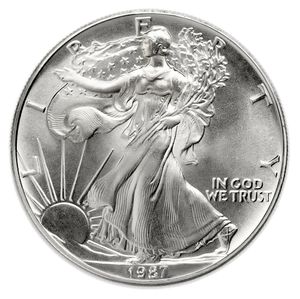
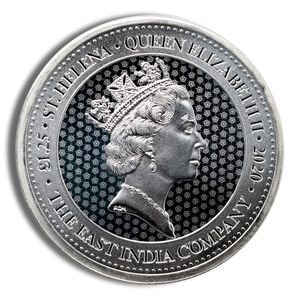
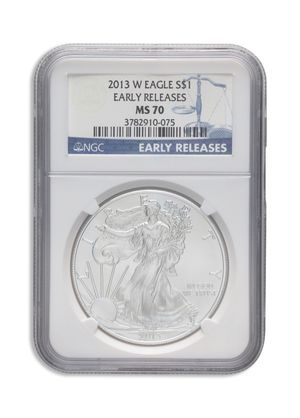
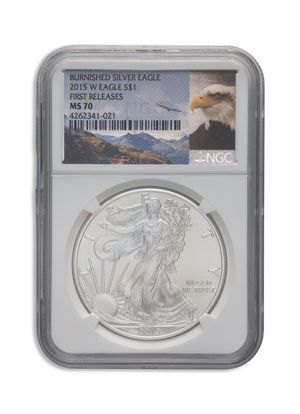
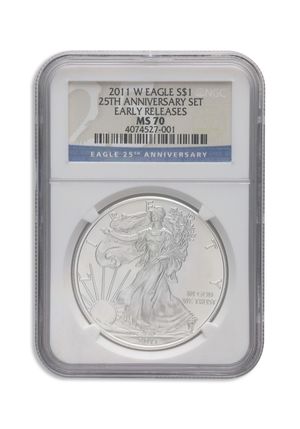
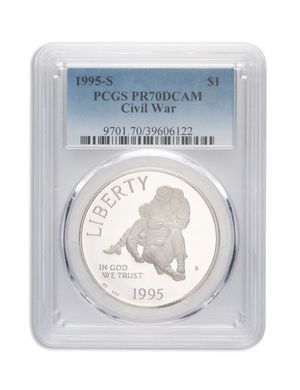
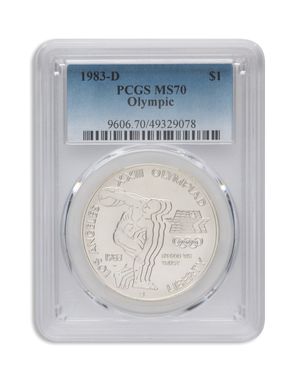
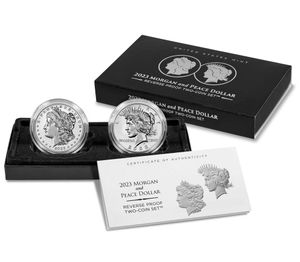
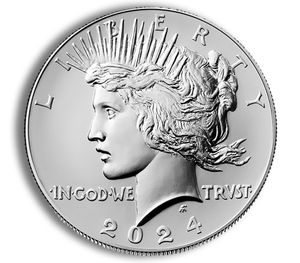
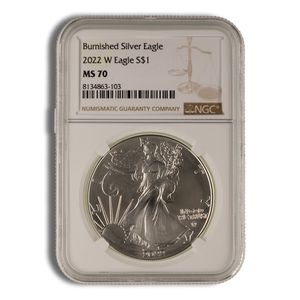
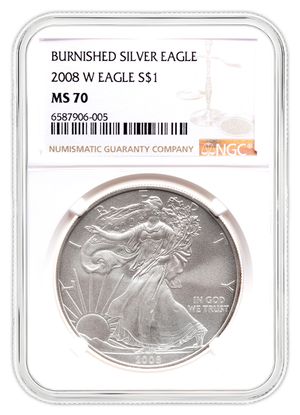
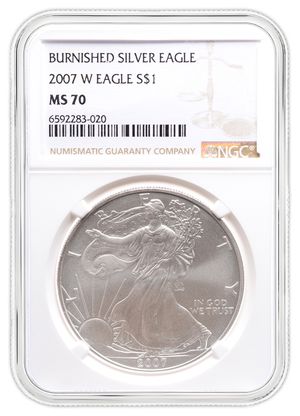
Our silver coins catalog spans one of the broadest selections available through any single marketplace, covering everything from iconic government-issued bullion programs to rare circulation-grade Morgan Dollars and graded numismatic pieces. You'll find coins from major world mints including the Perth Mint, the Royal Canadian Mint, the Austrian Mint, the U.S. Mint, South African Mint, and the Royal Mint of Great Britain, alongside specialty programs from the East India Company, Geiger Edelmetalle, and others. Weight options range from 1/10 oz fractional pieces up to 1 kilogram coins, and condition grades span cull through NGC and PCGS-certified MS67.
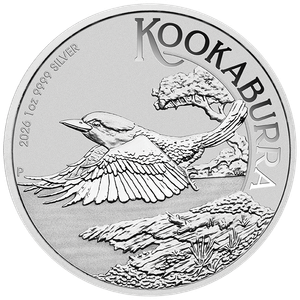
Whether you're looking for a random-year 1 oz Silver Maple Leaf in brilliant uncirculated condition, a GSA Morgan Dollar with a specific mint mark and year, or a 1 kilo Perth Mint Kookaburra, you're browsing an inventory built for serious buyers. Packaging variations include loose coins, coins in capsules, coins in tubes, and individually certified slabs. Bullion Standard prices every product transparently against real-time spot, with bid and ask spreads displayed directly on each product page so you can evaluate the full cost of ownership before committing.
This is a marketplace built around clarity rather than pressure. Pricing reflects actual market conditions, and the product range reflects what serious buyers across the country are actively purchasing and selling.
What Are Silver Coins?
Silver coins are struck pieces of silver produced by government mints or licensed private mints, typically carrying a legal tender face value and guaranteed purity and weight specifications. They differ from silver rounds, which are privately produced and carry no legal tender status, and from silver bars, which prioritize weight efficiency over design or collectibility. Coins tend to carry higher premiums than bars or rounds because of the cost of die production, legal tender backing, limited mintage programs, and the reputation of issuing mints.
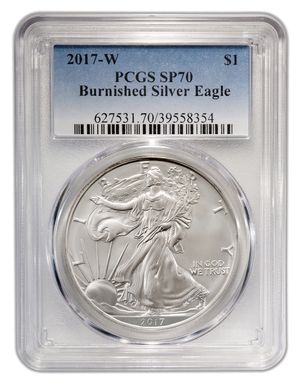
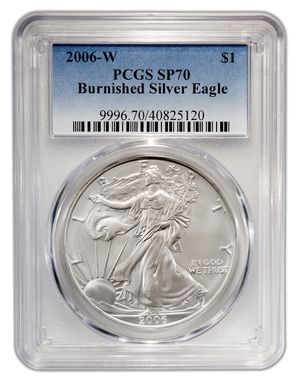
Within the broader silver coin market, buyers generally fall into two camps: those focused on acquiring silver at the lowest premium possible, and those who place value on specific coins for numismatic reasons, grade, year, mint mark, or collectibility. The Morgan Dollar series is a strong example of a product that bridges both markets. Raw circulated examples trade close to melt value, while NGC or PCGS-certified examples with specific dates and mint marks like the Carson City pieces carry meaningful numismatic premiums above spot.
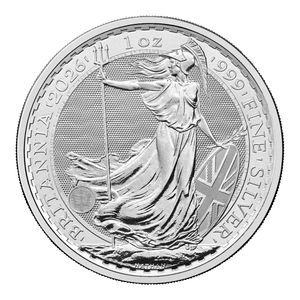
Format matters when choosing silver coins. Bullion-grade coins in BU condition from programs like the Silver Philharmonic, Silver Britannia, Silver Kangaroo, or Silver Maple Leaf offer strong market recognition and relatively tight bid/ask spreads. Fractional coins like the 1/10 oz or 1/4 oz Britannia offer divisibility at the cost of higher per-ounce premiums. Knowing what you want from a coin before purchasing makes the selection process considerably more straightforward.
History and Background
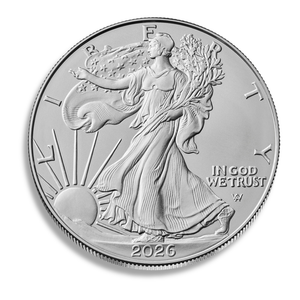
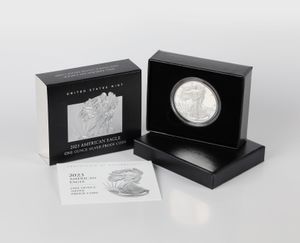
Silver coins have been struck for trade and commerce for well over two thousand years, but the modern silver bullion coin market as most buyers recognize it today took shape during the late twentieth century. The shift began when several national governments recognized that demand existed for silver coins produced specifically as bullion rather than for general circulation. The American Silver Eagle program launched by the U.S. Mint in 1986 was one of the earliest and most influential, helping establish the template for government-backed silver bullion coins sold at a premium to spot with guaranteed purity and weight.
Programs from other major mints followed in subsequent years. The Royal Canadian Mint introduced the Maple Leaf series, which quickly built a reputation for exceptional purity at .9999 fine silver. The Perth Mint launched the Kookaburra and Koala programs, which featured annually changing reverse designs and helped establish collector interest alongside bullion demand. The Austrian Mint's Philharmonic, the South African Krugerrand, and the Royal Mint's Britannia each added distinct design traditions to what became a genuinely global market for government-issued silver coins.
The Morgan Dollar represents an earlier chapter in this history. Struck from 1878 through 1904 and again briefly in 1921, these 90% silver coins circulated widely through the American economy and were later dispersed through the General Services Administration in the 1970s in large quantities, particularly from the Carson City Mint. Today, original GSA holders, graded examples, and raw circulated pieces coexist in a well-developed collector and bullion market that spans every major grade tier.
Purity, Weight, and Specifications
The purity of silver coins varies meaningfully depending on the issuing mint and the era of production. Modern government bullion coins typically carry fineness of .999 or .9999, with the Canadian Maple Leaf and Australian Kangaroo being notable examples of .9999 fine silver. Coins like the Austrian Maria Theresa Thaler restrike carry .833 fineness, while classic American coins like the Morgan Dollar and Kennedy Half Dollars from 1965 to 1969 contain .900 and .400 silver respectively. Understanding the actual silver content in troy ounces, rather than nominal weight or face value, is the right starting point for any purchasing decision.
Weight conventions in the bullion market follow the troy ounce system, where one troy ounce equals 31.1035 grams. This differs from the avoirdupois ounce used in everyday commerce. A 1 kilo coin from the Perth Mint contains approximately 32.15 troy ounces of silver, not 35.27 standard ounces. Most mints stamp the troy weight, fineness, and issuing authority directly on the coin's surface, and these markings serve as the primary identification for buyers and dealers verifying authenticity and silver content.
Diameter and thickness vary across coin programs and are relevant when evaluating capsule compatibility, storage, and grading holder dimensions. The 1 oz Maple Leaf measures 38mm in diameter at 3.29mm thick, while the 1 oz Australian Kookaburra is slightly larger at 40.6mm. Kilogram coins from the Perth Mint reach over 100mm in diameter, requiring dedicated display or storage solutions. These physical specifications are listed on each product page for reference.
Available Brands, Mints, and Product Variations
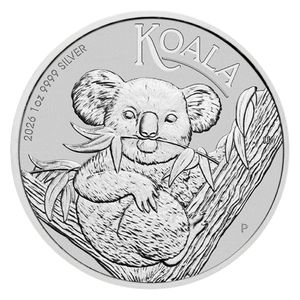
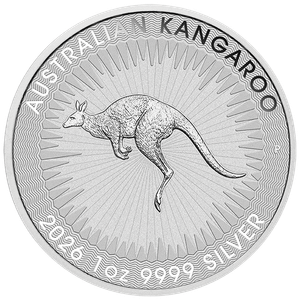
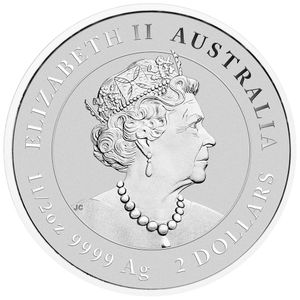
The Perth Mint contributes several of the most widely recognized coins in our catalog. The 1 oz Silver Kangaroo in .9999 fineness, the 1 oz Kookaburra, the 1 oz Koala available with capsule, and the 1 kilo versions of both the Koala and Kookaburra are all represented. Perth Mint coins carry a strong reputation for quality control and consistent fineness, and their annual design changes on the Kookaburra and Koala programs have created a secondary collector market alongside the standard bullion demand.
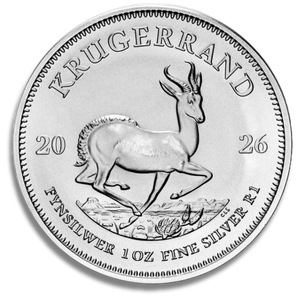
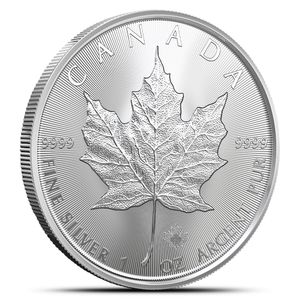
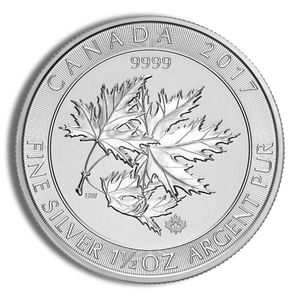
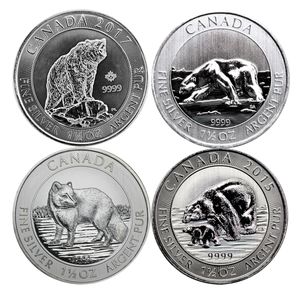
The Royal Canadian Mint's contributions include the flagship 1 oz Maple Leaf in .9999 fine silver alongside the 1.25 oz Canadian Bison and the 1/2 oz Canadian Bald Eagle. The Maple Leaf is one of the most liquid silver coins in the world, with strong market recognition across dealer networks globally. The Austrian Mint's 1 oz Philharmonic and the Royal Mint's Britannia series, available in 1/10 oz, 1/4 oz, and 1 oz sizes, round out the European programs. Other notable offerings include the 1 oz Armenian Noah's Ark from Geiger Edelmetalle, the 1 oz South African Silver Krugerrand, the 1 oz Mexican Libertad, and the 1780-dated Austrian Maria Theresa Thaler restrike.
The Morgan Dollar series, particularly the GSA Carson City examples from 1878 through 1883, represents the deepest product family in our current catalog. These are available in raw BU condition with original GSA box and Certificate of Authenticity, and in NGC-certified grades ranging from MS62 through MS66. Specific date and mint mark combinations include the 1878-CC, 1879-CC, 1880-CC, 1880-CC Rev 78, 1880/79-CC Rev 78, 1881-CC, 1882-CC, and 1883-CC, providing serious Morgan collectors with meaningful selection depth. San Francisco mint examples from 1880-S and 1881-S are also available in NGC MS65.
Pricing, Premiums, and Market Factors
Silver coin pricing is anchored to the spot price of silver, which reflects real-time trading in the global commodities market. The premium above spot varies substantially depending on the specific coin, mint, condition, mintage, and current supply within the dealer network. A random-year 1 oz Silver Maple Leaf in BU condition typically trades at a tighter premium than a 1/10 oz fractional Britannia or a graded Morgan Dollar, because the Maple Leaf benefits from enormous annual mintage, deep market liquidity, and consistent demand from both institutional and retail buyers.
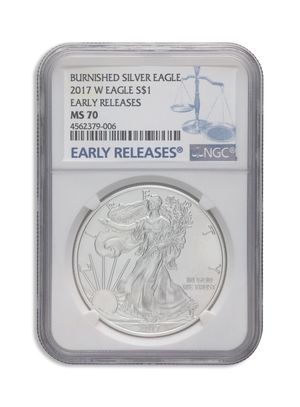
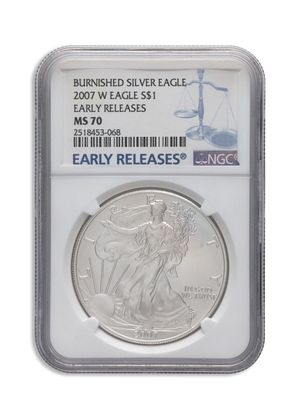
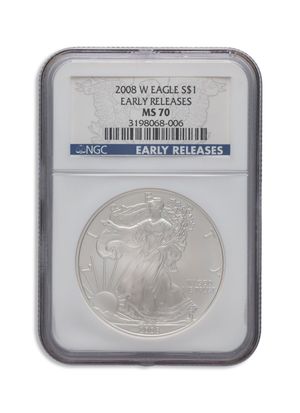
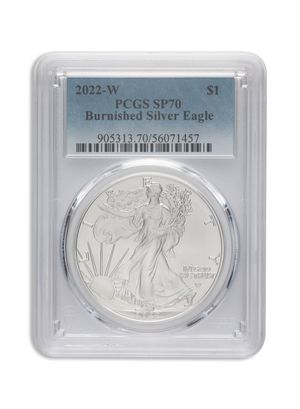
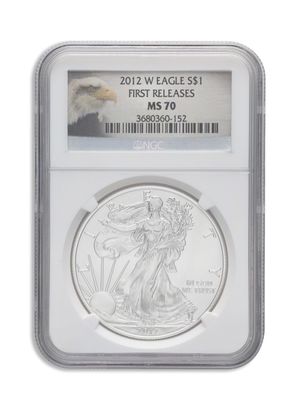
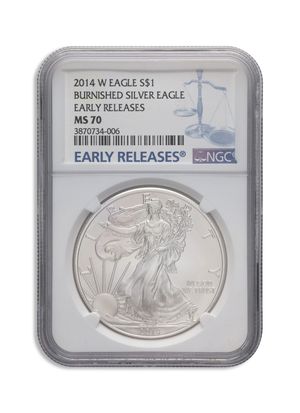
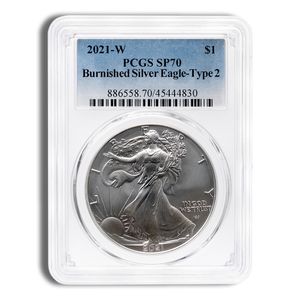
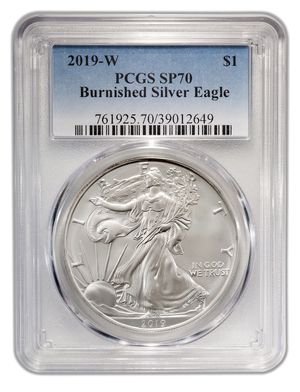
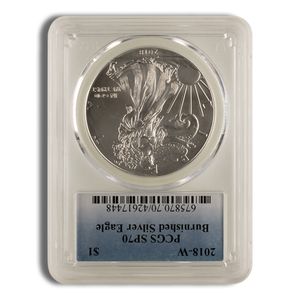
Certified coins introduce a different pricing dynamic. NGC and PCGS grading adds third-party authentication and condition verification, which commands a premium beyond the underlying bullion value. An NGC MS66 1882-CC Morgan will trade at a significantly different price than a raw BU example of the same coin, reflecting both the confirmed grade and the market's willingness to pay for certainty. Toned examples certified by NGC sometimes trade at premiums or discounts depending on the specific color and eye appeal, which is why toned variants are listed separately in our catalog.
Bullion Standard structures its pricing to reflect real market conditions rather than artificially inflated retail margins. Each product page displays both the ask price and the current bid, allowing buyers to evaluate the spread before purchasing. This transparency is central to the way we operate, and it allows buyers to understand the true cost of ownership rather than discovering the resale gap only when they're ready to sell.
Condition, Packaging, and What to Expect
Silver coins in our catalog are listed with condition grades that correspond to industry-standard terminology. BU, or Brilliant Uncirculated, means the coin shows no signs of circulation wear, though minor contact marks from handling and shipping within mint tubes are considered normal for bullion-grade products. Cull coins show meaningful wear, damage, or impaired surfaces and trade at or near melt value. Circulated grades like Good, Fine, XF, and AU follow the Sheldon scale conventions and indicate increasing levels of detail retention consistent with time in commerce.
Packaging varies by product and supplier. Many bullion coins ship in mint-sealed plastic tubes containing standard quantities, such as 20 coins per tube for Morgan Dollars or 25 per tube for Maple Leafs. Kilo coins are typically individually packaged with protective capsules. The 1878-CC and subsequent GSA Morgans offered in our catalog come with their original government-issued GSA holder, blue or brown box, and Certificate of Authenticity where specified. NGC and PCGS-certified coins ship in their tamper-evident grading slabs with no additional packaging modifications.
Random-year products, identified as such throughout the catalog, are fulfilled from available inventory and may include any date within the stated range. Specific year requests cannot be accommodated for random-year listings. Buyers who need a particular date should look for year-specific listings or contact our team directly to inquire about current stock.
Authenticity and Verification
Every silver coin sold through Bullion Standard is sourced from reputable mints, licensed distributors, authorized wholesalers, or established market participants within the dealer network. Products are verified for authenticity, weight, and fineness before reaching our fulfillment process. This is not a consignment or peer-to-peer marketplace where product integrity is uncertain. We operate as an authorized dealer for both NGC and PCGS, which means graded coins in our inventory meet the authenticity standards of the two most respected third-party grading services in the numismatic industry.
For raw bullion coins, mint-specific anti-counterfeiting features provide the primary line of defense. The Royal Canadian Mint embeds a radial line security feature and micro-engraved laser mark on Maple Leaf coins. Perth Mint coins carry distinctive design elements and surface textures that are difficult to replicate. The Austrian Mint's Philharmonic uses precision die work that reflects consistent quality year over year. Familiarity with these features, combined with purchasing from a verified dealer, is the most practical approach to authenticity assurance for most buyers.
For any buyer concerned about authenticity on a specific product, sigma metalytics testers, XRF analyzers, and professional numismatic consultation are available options. Bullion Standard maintains an A rating with the Better Business Bureau and holds membership in the American Numismatic Association and the National Coin and Bullion Association, reflecting our commitment to operating within established industry standards for product integrity and dealer conduct.
Liquidity and Resale Considerations
Market recognition is the single most important factor in silver coin liquidity. Coins from major government mint programs, particularly the Silver Maple Leaf, Silver Britannia, Silver Philharmonic, Silver Kangaroo, and Silver Krugerrand, are bought and sold continuously across dealer networks, coin shows, and online platforms worldwide. This broad market familiarity means that when it comes time to sell, buyers for these coins are rarely difficult to find at or near prevailing market prices.
Morgan Dollars occupy a different but equally well-developed liquidity environment. The numismatic market for these coins is mature and well-structured, with active participation from both general coin dealers and specialist collectors. Graded examples in certified holders benefit from transparent pricing databases maintained by NGC and PCGS, which helps both buyers and sellers agree on fair value. Raw examples in lower grades trade more like bullion, with pricing driven primarily by silver content.
Fractional coins like the 1/10 oz Britannia or the 1/4 oz Britannia trade at higher per-ounce premiums when purchased, and those premiums may or may not be fully recoverable at resale depending on market conditions at the time. This is worth considering when evaluating fractional formats relative to full-ounce coins. Bullion Standard's two-way market model and publicly displayed bid pricing give buyers a concrete reference point for expected resale value before the purchase is made.
Storage and Security
Proper storage protects both the physical condition and the long-term market value of silver coins. For most buyers holding bullion-grade coins like Maple Leafs or Britannias, mint tubes stored in a quality home safe with a humidity-controlled environment provide adequate protection. Capsule-protected coins, including the 1 oz Silver Koala in capsule listed in our catalog, offer an additional layer of surface protection that helps preserve the coin's visual presentation over time.
Silver is susceptible to toning and tarnish when exposed to air, humidity, and certain materials including rubber, adhesives, and some plastics. Airtight containers, archival-quality coin holders, and desiccant packs help slow this process. Toning on uncertified coins can affect resale presentation even when the underlying silver content is unaffected, which is worth considering for buyers who intend to resell individual coins rather than entire tubes.
Kilogram coins present a different storage challenge given their size and weight. A single Perth Mint kilo coin requires a dedicated storage solution, and buyers accumulating multiple kilo coins should evaluate third-party vault storage as a cost-effective alternative to home safe storage. Vault programs typically provide insurance coverage and eliminate the logistical challenges of storing and transporting large-format coins personally.
Selling and Buyback Options
Bullion Standard operates as a two-way market, meaning we actively purchase silver coins from customers using competitive pricing that reflects current wholesale market conditions. The bid price displayed on each product page represents what we're willing to pay for that specific product at any given moment, and that price updates in real time as silver spot moves and market conditions change. This transparency allows sellers to make informed decisions without the guesswork that typically accompanies dealer buyback interactions.
Several factors influence the buyback price for a specific coin. Mint recognition, product format, current condition, original packaging, and whether a coin is certified by NGC or PCGS all affect the price our purchasing team is able to offer. A Morgan Dollar in an NGC MS65 holder commands a different buyback price than a raw circulated example of the same coin. GSA Morgans with their original holders, boxes, and COAs typically retain a packaging premium in the resale market that loose coins do not carry.
Sellers initiating a buyback through Bullion Standard follow a straightforward process that includes locking in a price, shipping the coins securely with insurance, and receiving payment after verification. Our team verifies weight, fineness, and authenticity upon receipt before finalizing payment. Buyers who understand the bid/ask spread before purchasing are rarely surprised by resale pricing, which is precisely why we display that information prominently on every product page.
Why Buy Silver Coins?
Silver occupies a distinctive position among the precious metals because it bridges the worlds of industrial consumption and monetary tradition simultaneously. Roughly half of annual global silver demand comes from industrial applications including electronics manufacturing, photovoltaics, medical devices, and automotive components. This baseline demand provides a different market dynamic than gold, which is driven almost entirely by financial and jewelry markets. Coins, as the most recognizable and government-backed form of physical silver, allow buyers to hold the metal in a format that carries broad market familiarity and legal tender backing.
The variety of formats within silver coins makes this segment useful for buyers with different priorities. Standardized bullion-grade programs like the Maple Leaf or Philharmonic are efficient products to accumulate in quantity, offering strong liquidity and manageable premiums relative to fractional formats. Numismatic programs like the Morgan Dollar series provide a different kind of exposure, where the silver content is complemented by historical significance, date-specific scarcity, and an active collector market that operates with some independence from the silver spot price.
Divisibility is another practical advantage. Unlike 100 oz bars or kilo bars, individual silver coins can be transacted in small quantities without requiring the seller to divide a larger piece. This flexibility is relevant both for buyers who want to accumulate gradually and for those who anticipate selling in stages rather than all at once.
Why Buy from Bullion Standard?
Bullion Standard was founded in San Diego in 2010 with a specific philosophy in mind: that the physical precious metals market deserves the same kind of pricing transparency and market intelligence that buyers expect in more mature financial markets. Over fifteen years, that philosophy has shaped everything from how we display pricing to how we handle buybacks, and it remains the core of how we operate today. Our A BBB rating, ANA membership, NCBA membership, and authorized dealer status with both NGC and PCGS reflect a track record built on consistency rather than marketing claims.
Every product in our catalog is sourced from verified mints, licensed wholesalers, and established distributors within the professional precious metals market. Authentication and weight verification happen before products reach fulfillment. Payment options are broad, including Visa, Mastercard, American Express, Discover, PayPal, bank-connected payments through Plaid, wire transfer, check, and cryptocurrency through BitPay, giving buyers the flexibility to transact in ways that suit their preferences. Shipping is handled with appropriate security and insurance coverage commensurate with order value.
The practical difference between Bullion Standard and a traditional dealer model comes down to information symmetry. We believe buyers make better decisions when they can see the full picture: spot price, ask price, bid price, spread, and historical premium context. That information is available on our platform in a way that most dealers do not offer, and it reflects our conviction that a more informed buyer is ultimately a better long-term customer.
Get Near-Spot Pricing with Bullion Standard Pro
Bullion Standard Pro is designed for buyers who want to transact at the wholesale level rather than through the standard retail pricing structure. Members gain access to live, executable wholesale bid and ask pricing across a broad range of silver coins and other precious metals, with no additional dealer markups or dealer spreads applied on top. Premiums and bid/ask spreads reflect actual wholesale market conditions in real time, so pricing moves as supply, demand, and liquidity in the underlying market move, rather than being held at fixed retail levels.
The platform also provides tools that are not available through typical retail channels. Historical premium analysis, premium percentile rankings, spread analysis, liquidity metrics, buy/sell ratio indicators, and market sentiment data all help members evaluate whether a specific product is trading above or below its historical norm at any given moment. Portfolio valuation through Bullion Standard Pro uses live executable wholesale bid pricing rather than estimated retail values, giving members a more honest picture of what their holdings are actually worth in the current market.
For buyers who make regular purchases or who are price-sensitive about the cost of acquiring physical silver, the Pro membership structure is built to close the gap between retail and wholesale. Whether you're evaluating a 1 oz Maple Leaf against a 1 oz Britannia on a premium efficiency basis, or tracking the bid/ask spread on GSA Morgan Dollars over time, the tools available through Bullion Standard Pro are designed to bring the kind of analytical capability to physical silver that most buyers have never had access to before.

 (833) 278-4653