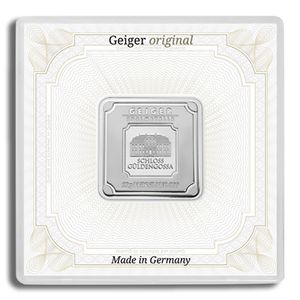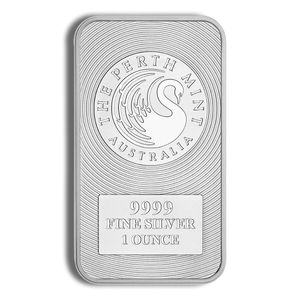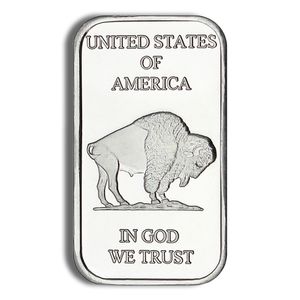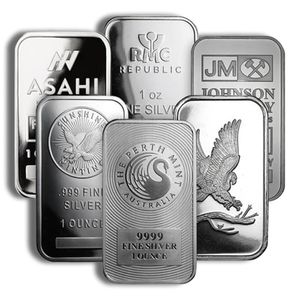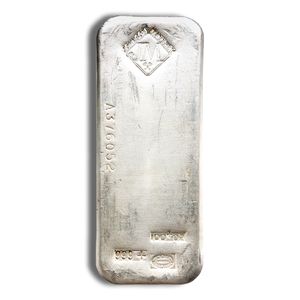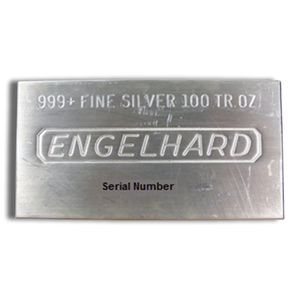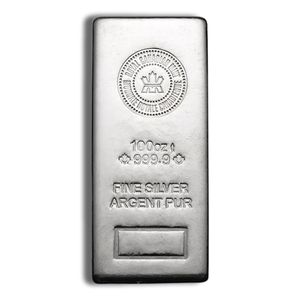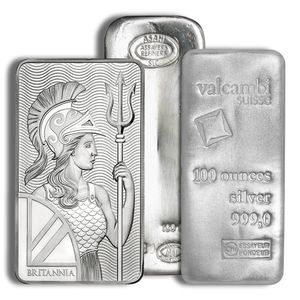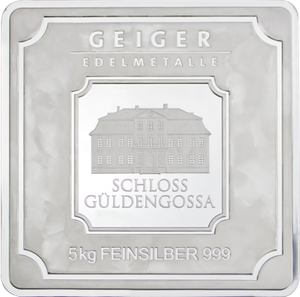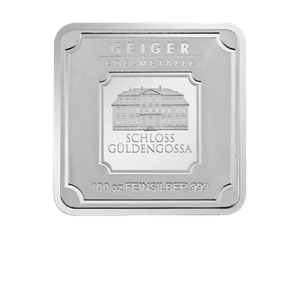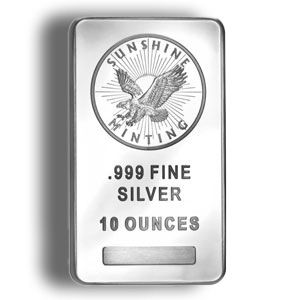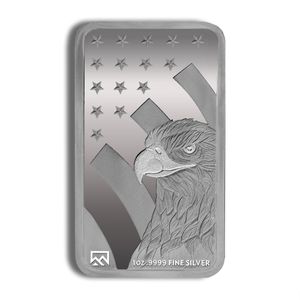
Our catalog of Geiger silver bars spans one of the most complete lineups available from this respected German refinery, covering individual bars from 1 gram through 100 troy ounces and convenient multi-bar box sets designed for buyers who prefer acquiring silver in larger, organized quantities. Whether you're looking for a compact 1 gram bar in an assay card or a sealed 100 oz bar, the selection reflects the full range of formats that Geiger Edelmetalle produces for the global bullion market.
Individual formats include assay-carded bars in 1 gram, 5 gram, 10 gram, 20 gram, 50 gram, 100 gram, and 1 oz sizes, alongside sealed packaging versions in 100 gram and 250 gram weights. Box set options bring together 30 individual bars in 1 gram, 5 gram, 10 gram, and 20 gram denominations, as well as a 30-bar box of 1 oz bars, providing structured bulk acquisition in a single purchase. The 25 x 1 gram Geiger Multicard is also available for buyers who want fractional flexibility within a single assay package.
Bullion Standard prices every product in this catalog against real-time silver spot prices, with premiums and bid/ask spreads displayed openly on each product page. There are no hidden fees or arbitrary markups layered into the checkout process. The goal is a straightforward purchasing experience that reflects what the market actually supports.
Geiger silver bars are privately produced silver bullion bars manufactured by Geiger Edelmetalle, a German precious metals refinery headquartered in Schiedel, Saxony. As privately minted bars rather than government-issued coins or rounds, they derive their value directly from their silver content rather than any legal tender status. Their appeal comes from their recognized craftsmanship, consistent quality standards, and broad market acceptance among bullion buyers and dealers internationally.
The bar format itself is one of the most practical ways to hold physical silver. Compared to coins, bars typically carry lower premiums over spot because they don't involve the same level of die work, design production, or government-backed minting programs. For buyers whose primary concern is maximizing the amount of silver acquired per dollar spent, bars from an established refinery like Geiger represent an efficient format.
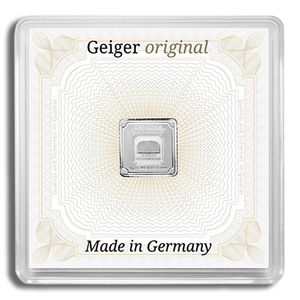
Geiger bars come in both assay card and sealed packaging formats, which matters for buyers who value tamper-evident presentation and documentation of authenticity. The assay card format is particularly common among fractional and mid-weight bars and provides a certificate of weight and purity embedded directly into the sealed packaging alongside the bar itself.
Geiger Edelmetalle traces its origins to a goldsmith workshop established in Schiedel, Germany, with roots going back several generations. The modern refinery operation grew substantially during the late 20th and early 21st centuries as global demand for investment-grade precious metals expanded beyond government mints and into the private refinery sector. European refineries, particularly those in Germany, Switzerland, and Austria, developed strong reputations during this period for metallurgical precision and consistent product standards.
Germany has historically been one of the most active retail bullion markets in the world, with a strong domestic appetite for physical silver and gold bars. This environment helped refineries like Geiger develop product lines with a level of care and presentation that exceeded what was common in less developed bullion markets. The assay card format, now standard across many of Geiger's bar weights, reflects that tradition of documentation and verifiability.
As cross-border bullion commerce grew with the rise of online precious metals dealers in the 2000s and 2010s, Geiger's products gained wider distribution in North American and Asian markets. Their recognition among international dealers and wholesale market participants has made them a consistently liquid product in the broader secondary market, which contributes to their continued presence in dealer catalogs.
Every silver bar in this catalog from Geiger Edelmetalle carries a fineness of .999, meaning the silver content is at least 99.9% pure. This meets the standard purity threshold recognized by the London Bullion Market Association (LBMA) and accepted by dealers, wholesalers, and mints globally. The .999 fine standard is the baseline purity for investment-grade silver bullion and is what buyers should expect from any reputable private refinery.
Weights in the Geiger lineup follow both metric and troy ounce conventions. Gram-denominated bars are measured in metric weight, while the 1 oz, 10 oz, and 100 oz bars are measured in troy ounces, the standard unit of weight used across the precious metals industry. One troy ounce equals approximately 31.1035 grams, which is slightly heavier than a standard avoirdupois ounce. All silver spot prices and premiums are calculated on a troy ounce basis regardless of how the bar's face weight is expressed.
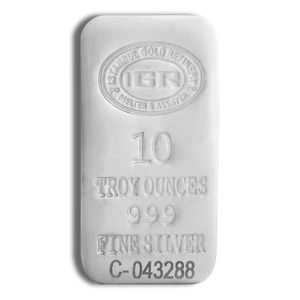
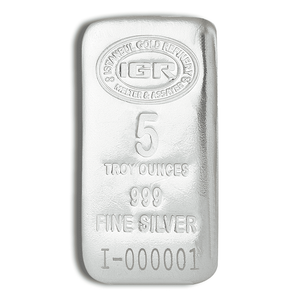
Each bar is stamped with the Geiger Edelmetalle name and logo, the weight, and the .999 fine silver designation. Assay-carded bars include a sealed certificate verifying these specifications. The 10 oz and 100 oz sealed bars feature tamper-evident packaging that preserves the bar's condition and makes verification straightforward at any stage of ownership or resale.
Every product in this section of our catalog comes from a single source: Geiger Edelmetalle. That consistency is actually part of the appeal for buyers who want a coherent collection from a single recognized refinery rather than an assortment of bars from various producers. Geiger's product line is diverse enough on its own, offering meaningful variety in weight and packaging format without introducing inconsistency in quality or provenance.
The assay card series covers the broadest range of individual weights, from 1 gram through 100 grams plus the standalone 1 oz bar. These are the most collector-friendly formats, preserving the bar in sealed, tamper-evident packaging that documents authenticity at the point of production. The sealed packaging series, used for the 100 gram, 250 gram, 10 oz, and 100 oz bars, takes a slightly different approach, prioritizing protective presentation for heavier bars that are more likely to be held as core bullion positions rather than fractional accumulation pieces.
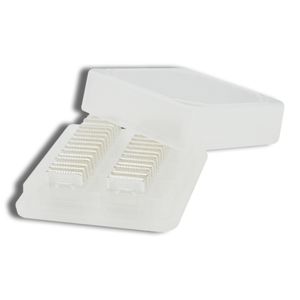
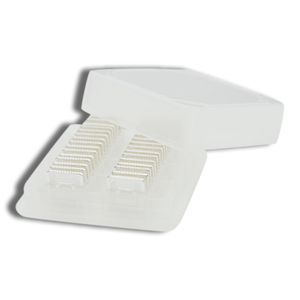
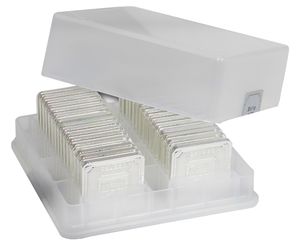
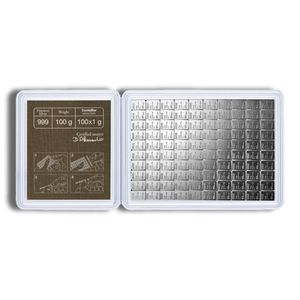
The box set products, which include 30-count boxes of 1 gram, 5 gram, 10 gram, 20 gram, and 1 oz bars, are a notable format in the Geiger lineup. These sets allow buyers to acquire a standardized quantity of silver in a single organized package, which simplifies storage and makes gifting or distribution more practical. The 25 x 1 gram Multicard is a slightly different variation, combining 25 individual 1 gram bars within a single assay card, a format that offers fractional flexibility without the full commitment of a 30-bar box.
Silver bar prices are derived from the spot price of silver, which fluctuates continuously based on global trading activity across futures markets, wholesale dealer networks, and electronic trading platforms. The premium above spot reflects the cost of refining, fabricating, assaying, packaging, and distributing each bar through the supply chain. Private refinery bars like those from Geiger typically carry lower premiums than government-issued silver coins, making them an efficient choice for buyers focused on minimizing the cost per troy ounce.
Within the Geiger lineup, premiums vary depending on the bar's weight, format, and packaging. Smaller fractional bars, such as the 1 gram and 5 gram sizes, carry higher per-ounce premiums than larger bars because the fixed costs of production and packaging represent a larger share of a smaller silver content. The 10 oz and 100 oz sealed bars sit at the lower end of the premium spectrum within this catalog, reflecting the economies of scale that come with larger weights.
Assay card packaging adds a modest premium over equivalent loose bars because of the additional fabrication, documentation, and tamper-evident sealing involved. For buyers who prioritize resale convenience and verified condition over raw cost efficiency, that premium is generally considered worthwhile. Bullion Standard displays premiums and bid/ask spreads on each product page, allowing buyers to evaluate the full cost of ownership rather than focusing solely on the headline price.
Geiger silver bars purchased through Bullion Standard arrive in the condition described on each individual product page. Assay-carded bars are delivered in their original sealed packaging from the refinery. The assay card itself is a laminated, tamper-evident holder that encapsulates the bar alongside a certificate confirming its weight and purity. Buyers should not remove the bar from its assay card, as doing so reduces its recognizability and can complicate resale.
Sealed packaging products, including the 100 gram, 250 gram, 10 oz, and 100 oz bars, arrive in Geiger's original factory-sealed protective wrapping. These products are designed to be stored in their sealed state. As with the assay card series, breaking the seal is generally not advisable unless the bar is being used for other purposes, as sealed, unmodified packaging supports smoother resale transactions.
Box sets arrive in their original Geiger packaging containing the specified number of individually sealed bars. Minor variation in surface appearance, such as light handling marks or small contact lines, is normal for silver bullion and does not affect the bar's metal content or authenticity. These are not collector coins, and cosmetic perfection is not a guaranteed standard for bullion-grade products.
Authenticity is fundamental to the value of any bullion product. Geiger Edelmetalle bars are produced under refinery quality controls that include precise weight tolerances, consistent purity standards, and unique assay documentation. The sealed assay card format is one of the most effective anti-counterfeiting measures available in the bar segment because it makes physical tampering immediately apparent without requiring any specialized testing equipment.
For larger bars in sealed packaging, verifying authenticity typically involves confirming that the original factory seal is intact, checking the stamp work on the bar's surface, and using weight verification with a calibrated scale if the packaging is ever opened. Geiger bars display the refinery's name, the bar's weight, and its .999 fine silver designation, all of which can be cross-referenced against refinery documentation and standard specifications.
Bullion Standard verifies the authenticity, weight, and purity of every product before it reaches a customer. Our sourcing relationships run through reputable mints, refineries, wholesalers, and authorized distributors, which means the risk of encountering a non-genuine product in our catalog is effectively managed at the supply chain level rather than left to the buyer to resolve after the fact.
Geiger Edelmetalle is a recognized name within the international bullion wholesale market, which contributes meaningfully to the resale liquidity of their bars. Products from well-known European refineries are generally accepted by dealers and wholesale buyers without requiring additional authentication steps, particularly when the original assay card or sealed packaging is intact. Bars in compromised or missing packaging typically require closer inspection and may attract a modest discount relative to bars in original condition.
Larger bars, such as the 10 oz and 100 oz formats, trade most efficiently in dealer-to-dealer and wholesale environments. Fractional gram bars are resold most easily in retail contexts where buyers are willing to pay a premium for smaller denominations. Understanding which format aligns with how you plan to eventually liquidate a position is worth considering before making a purchase.
Wider market recognition of a refinery's bars generally translates to more consistent bid pricing across dealer networks. Geiger's international distribution and presence in European, North American, and Asian markets helps maintain broad acceptance, which supports competitive buyback pricing relative to lesser-known private refineries.
Proper storage is a straightforward but important part of owning physical silver. For buyers holding a small number of bars in fractional or mid-weight sizes, a quality home safe with a solid fire and moisture rating is usually sufficient. Bars should be stored in a way that prevents surface contact with other metals, as silver is susceptible to scratching and tarnishing when stored loosely against other items.
Assay-carded bars are convenient to store because the card itself provides physical protection and keeps the bar isolated from contact damage. These can be placed flat in a dedicated storage tray, a safe drawer, or a fireproof document box without risk of surface degradation. Box sets should be kept in their original packaging to maintain organization and protect the individual bars within.
For buyers accumulating meaningful quantities of heavier bars, particularly 10 oz and 100 oz formats, third-party vault storage through a specialized precious metals custodian or secured depository offers enhanced security, insurance coverage, and simplified logistics when selling. Bank safe deposit boxes are another option for smaller holdings, though they typically lack the insurance protection that dedicated vault services provide.
Bullion Standard operates as a two-way market, meaning we actively purchase silver back from customers in addition to selling it. This is a deliberate part of our marketplace design. We believe the liquidity side of a bullion purchase deserves as much attention as the acquisition side, and our buyback program is structured to provide competitive pricing based on current wholesale market conditions rather than arbitrary dealer-set discounts.
Buyback pricing for Geiger silver bars is influenced by several factors, including the bar's weight, the current silver spot price, whether the original assay card or sealed packaging is intact, and the overall condition of the bar. Larger bars in original sealed packaging typically receive the strongest bids because they are the most straightforward to process and reintroduce into wholesale inventory. Fractional bars in intact assay cards also tend to perform well given their documented provenance.
The process of selling to Bullion Standard is designed to be straightforward. Customers initiate the transaction through our platform, receive a confirmed buyback quote based on current market pricing, and ship the product to our facility using secure, insured shipping. Once received and verified, payment is issued promptly. We recommend retaining original packaging throughout the ownership period specifically because intact packaging supports a smoother and more efficient resale process.
Geiger silver bars offer a combination of European refinery quality, format flexibility, and consistent purity that makes them a practical choice for buyers focused on silver accumulation rather than numismatic premiums. The availability of both gram and troy ounce denominations in a single catalog gives buyers the flexibility to scale their acquisitions in the denomination that makes the most sense for their needs, whether that's fractional bars for incremental purchasing or heavier bars for consolidated storage.
The assay card format, in particular, is one of the cleaner ways to hold private refinery silver. The sealed, documented presentation protects the bar's condition, verifies its authenticity at the point of production, and simplifies resale by removing any ambiguity about the bar's provenance. For buyers who want private refinery silver without sacrificing documentation quality, assay-carded Geiger bars sit in a strong position.
Silver also carries industrial relevance that many other monetary metals do not. It is a critical input in solar panel manufacturing, electronics, medical devices, water purification, and electrical contacts. While the bullion market and the industrial market function separately, the ongoing industrial consumption of silver contributes to the tightness of global silver supply, which is a background factor in the long-term dynamics of silver availability at the wholesale level.
Bullion Standard was founded in 2010 in San Diego, California, and has grown into a nationally recognized online precious metals marketplace built around a single guiding principle: transparency. Every product page displays real-time spot-linked pricing, current premiums, and visible bid/ask spreads. There are no hidden fees, no pressure tactics, and no confusing pricing structures designed to obscure what you're actually paying.
Our sourcing relationships run through reputable mints, refineries, wholesalers, and authorized distributors. Every product is verified for authenticity, weight, and purity before it reaches a customer. We maintain an A rating with the Better Business Bureau, hold membership in the American Numismatic Association and the National Coin and Bullion Association, and serve as an authorized dealer for both PCGS and NGC. These relationships reflect a commitment to operating at a professional standard that protects customers throughout the transaction.
We accept a broad range of payment methods, including Visa, Mastercard, American Express, Discover, PayPal, bank-connected payments through Plaid, wire transfer, paper check, and cryptocurrency through BitPay. Shipping is handled securely with appropriate insurance coverage, and our customer service team is accessible before, during, and after the purchase. The experience is designed to feel more like a transparent marketplace than a conventional high-pressure retail environment.
Bullion Standard Pro gives members access to live, executable wholesale bid and ask pricing across our catalog, including the full range of Geiger silver bars. Unlike standard retail pricing, Pro pricing reflects real-time wholesale market conditions without additional dealer markups or fixed retail spreads layered on top. Premiums and bid/ask spreads fluctuate naturally based on supply, demand, and liquidity, giving members a more accurate view of what products are actually trading for in the wholesale market at any given moment.
For buyers who acquire silver with any regularity, the pricing efficiency available through Pro can have a meaningful impact on the total cost of accumulation over time. The tighter spreads also support better entry and exit economics, since the same executable pricing model applies to both the purchase and the buyback side of the transaction. Portfolio valuations within Pro are based on live executable wholesale bid prices rather than estimated retail values, which gives members a more realistic picture of current liquidation value.
Beyond pricing, Pro members gain access to a suite of proprietary market intelligence tools, including historical premium analysis, premium percentile rankings, spread analysis, liquidity metrics, and market sentiment indicators. For buyers managing meaningful silver positions, these tools offer the kind of objective, data-driven context that is rarely available in the traditional retail bullion environment. The goal is to bring the analytical rigor common in conventional financial markets into the physical precious metals space, where that level of transparency has historically been difficult to find.