American Platinum Eagles | Bullion Standard
Buy American Platinum Eagles Online
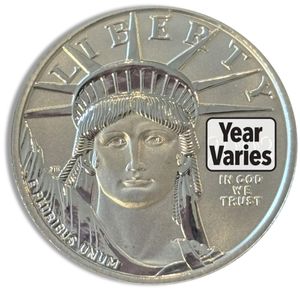
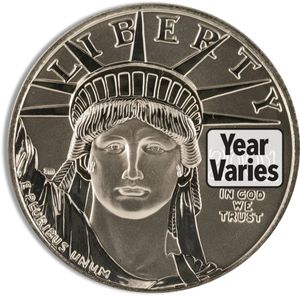
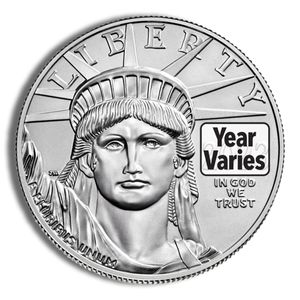
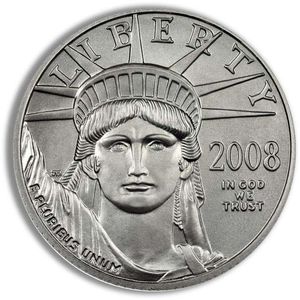
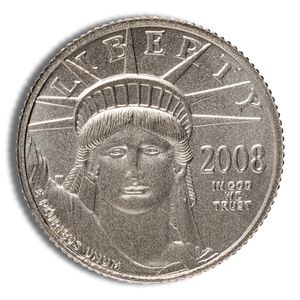
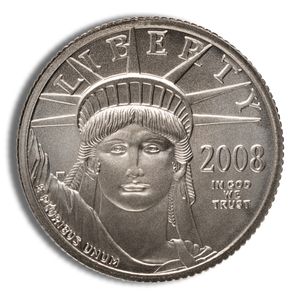
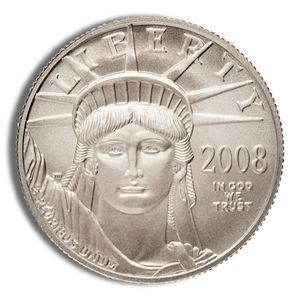
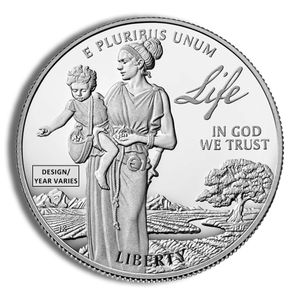
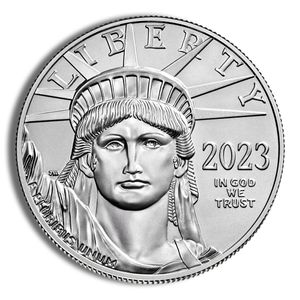
Our catalog of american platinum eagles covers the full range of options available from the United States Mint, from random year 1 oz brilliant uncirculated coins to fractional denominations in 1/2 oz, 1/4 oz, and 1/10 oz sizes. You'll also find burnished editions from 2006 through 2008, proof issues with box and certificate of authenticity, cap-only specimens, and professionally graded coins certified by both NGC and PCGS at grades including MS70, SP70, and PF70.
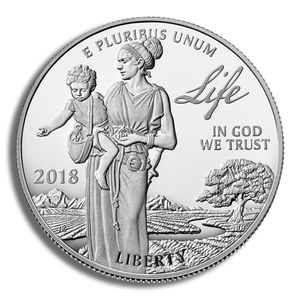
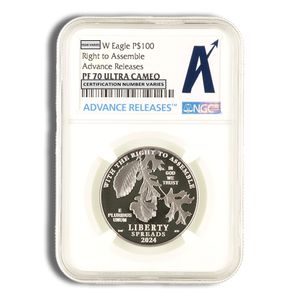
Beyond the standard bullion and proof lineup, the catalog includes specific year releases such as the 2018-W proof, the 2024-W proof graded NGC PF70 Advance Release, and the upcoming 2026 proof featuring the Charters of Freedom design honoring the Declaration of Independence. Whether you're looking for a raw coin in original mint packaging or a certified specimen in a graded holder, the selection reflects the depth and variety that serious platinum buyers expect.
Bullion Standard operates as a transparent precious metals marketplace where pricing reflects real-time market conditions. Every product is sourced from reputable mints and distributors, verified for authenticity and purity, and offered with clear bid and ask pricing so you understand both sides of the transaction before you buy.
What Are American Platinum Eagles?
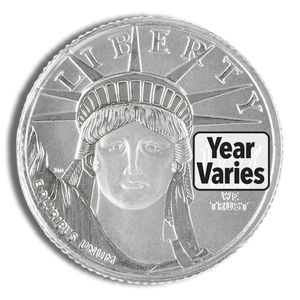
The American Platinum Eagle is the official platinum bullion and proof coin of the United States government, struck by the United States Mint at West Point, New York. Each coin carries a legal tender face value denominated in U.S. dollars, with the 1 oz coin assigned a $100 denomination, the 1/2 oz a $50 denomination, the 1/4 oz a $25 denomination, and the 1/10 oz a $10 denomination. These face values are largely symbolic given the intrinsic metal value, but they carry the full backing of the U.S. government and establish each coin as official legal tender.
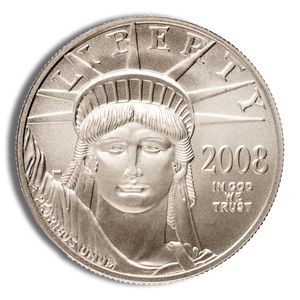
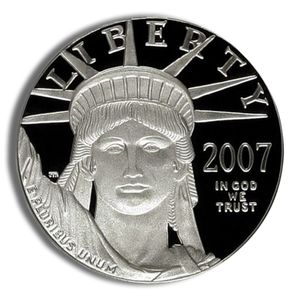
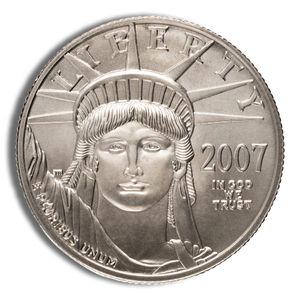
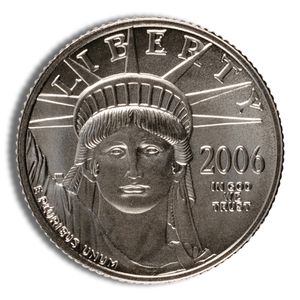
The program produces coins in three distinct finish categories. Bullion editions are struck for investors seeking straightforward platinum content at premiums close to spot. Burnished coins, produced from 2006 through 2008, feature a hand-loaded planchet and a matte-like satin finish that distinguishes them visually from standard bullion strikes. Proof coins receive multiple strikes from polished dies on specially prepared planchets, resulting in sharp relief details and mirror-like fields that appeal strongly to collectors and display-quality buyers.
Fractional platinum eagles occupy an important part of the lineup for buyers who want platinum content in smaller, more accessible denominations. The 1/10 oz, 1/4 oz, and 1/2 oz coins all share the same 0.9995 fine platinum purity as the full 1 oz coin, making them equivalent in metal quality while offering a lower absolute entry price per coin.
History and Background
Congress authorized the American Platinum Eagle program through the United States Mint Authorization Act of 1996, and the first coins entered circulation in 1997. The program launched as the first platinum bullion coin produced by the United States government, filling a gap in the official U.S. precious metals coin lineup that had previously been occupied only by gold and silver programs. From the outset, the mint produced both bullion and proof versions, with the proof program quickly developing a following among collectors drawn to its annually changing reverse designs.
The proof series became particularly notable for its rotating reverse design themes, which changed each year to reflect different aspects of American civic and democratic values. Throughout its history, design programs have explored themes tied to the U.S. Constitution, the three branches of government, Founding Fathers-era ideals, and most recently the Charters of Freedom series, with the 2026 issue featuring imagery tied to the Declaration of Independence. This design continuity has made the proof series an ongoing collector pursuit distinct from the standard bullion market.
The burnished finish program had a shorter run, spanning 2006 through 2008, before the mint discontinued the format. Coins from these years struck at West Point carry the "W" mint mark and are now treated as a complete, collectible subset within the broader platinum eagle family. Certified examples, particularly those graded MS70 or SP70 by NGC or PCGS, have established themselves as recognized reference points for condition-premium pricing in the secondary market.
Purity, Weight, and Specifications
All american platinum eagles are struck in .9995 fine platinum, making them among the purest government-issued platinum coins available from any sovereign mint. This purity standard aligns with the London Platinum and Palladium Market specifications and positions these coins as recognized instruments within the global wholesale platinum market.
The 1 oz coin measures 32.7 mm in diameter and 2.39 mm in thickness, with a weight of one troy ounce of platinum. The 1/2 oz coin measures 27 mm in diameter with a thickness of approximately 1.75 mm. The 1/4 oz coin sits at 22 mm in diameter and 1.32 mm thick, and the 1/10 oz coin measures 16.5 mm in diameter with a thickness under 1 mm. Each denomination is struck to consistent mint specifications, making size, weight, and purity straightforward to verify.
Troy ounce measurement is the standard unit of weight used throughout the precious metals industry and differs from the avoirdupois ounce used in everyday commerce. One troy ounce equals approximately 31.1 grams. All platinum content listed across our catalog uses troy ounce measurements, consistent with industry convention and international precious metals market standards.
Available Brands, Mints, and Product Variations
The overwhelming majority of american platinum eagles in our catalog originate from the United States Mint, the only facility authorized to produce these coins. West Point is the primary striking facility, identified by the "W" mint mark present on burnished and proof issues. Bullion coins distributed for investment purposes may carry various mint marks depending on the year and are listed as random year when a specific date has not been designated.
Graded examples are certified by either NGC (Numismatic Guaranty Company) or PCGS (Professional Coin Grading Service), both of which are authorized third-party grading services recognized across the industry. Burnished coins graded by PCGS receive the SP70 designation, reflecting the Specimen classification used for that finish, while NGC-certified burnished coins carry the MS70 grade. Proof coins graded by NGC at the perfect level receive the PF70 designation. Bullion Standard is an authorized dealer for both NGC and PCGS, allowing us to source and represent certified coins accurately.
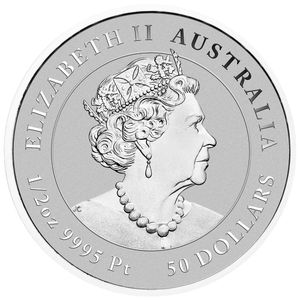
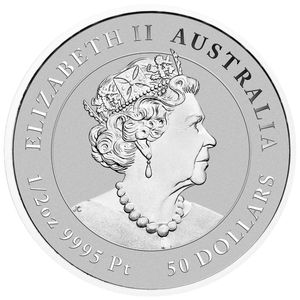
The catalog also includes a small number of platinum coins from The Perth Mint, including Australian platinum eagle-themed issues. These differ from the U.S. program in design, backing, and market characteristics, so buyers comparing the two should evaluate each on its own terms. The U.S. Mint issues carry the direct backing of the U.S. government, while Perth Mint coins are backed by the government of Western Australia and produced under a different minting program and legal framework.
Pricing, Premiums, and Market Factors
Platinum coins are priced based on the current spot price of platinum plus a premium that reflects manufacturing costs, distribution, packaging, and market demand. For standard bullion coins, premiums tend to be narrower than for proof or certified specimens. Proof coins with original box and certificate of authenticity carry higher premiums, both because of their more complex minting process and because their appeal extends into the collector market alongside the bullion market.
Certified coins graded MS70, SP70, or PF70 generally carry the highest premiums in the lineup, reflecting the additional cost of third-party verification and the scarcity of coins that meet perfect grade standards. The premium for a certified coin relative to a raw version of the same issue can vary significantly depending on current market demand, the total population of coins at that grade, and collector interest in specific year and finish combinations. Burnished coins from 2006 through 2008, representing a discontinued format, tend to carry condition premiums that reflect both their limited mintage window and their niche collector following.
Bullion Standard displays live bid and ask pricing on each product page, allowing buyers to see the full spread before transacting. Premiums are not hidden or obscured within complex pricing tiers. Because platinum itself trades at a fraction of the liquidity depth seen in gold and silver markets, spreads on platinum products can be wider than comparable gold or silver coin formats, and this is reflected transparently in our pricing structure rather than masked behind inflated list prices.
Condition, Packaging, and What to Expect
Bullion editions listed as random year ship in the condition and packaging consistent with standard mint distribution, which typically means coins housed in individual capsules or tubes depending on quantity ordered. Random year products are fulfilled from available inventory across multiple production years, and specific dates are not guaranteed. If a particular year matters to you, the specific-year listings in our catalog are the appropriate option.
Proof coins listed with box and certificate of authenticity (COA) ship in the original United States Mint presentation box with all original packaging materials intact. Cap-only listings, which appear throughout the burnished and proof sections of our catalog, indicate coins that have been removed from their original outer box but retain their individual protective capsule. These are genuine mint-issued coins; the absence of the outer box simply reflects how they were acquired or stored and does not affect the coin itself.
Certified coins arrive in sealed third-party grading holders from NGC or PCGS. These holders carry the coin's grade, certification number, and a description of the coin's details. The slab encapsulation provides physical protection and serves as documentation of the coin's verified condition. Minor surface marks consistent with normal mint handling are acceptable within bullion grade standards and are distinct from the impairments that would affect a coin's numismatic grade.
Authenticity and Verification
All american platinum eagles sold through Bullion Standard are sourced directly from the United States Mint, authorized distributors, or established wholesale channels. Each coin passes through our internal verification process before fulfillment, confirming authenticity, weight, and purity against known specifications for each product type and year.
Third-party graded coins certified by NGC or PCGS carry an additional layer of independent verification. Both services maintain publicly searchable databases where buyers can confirm a certification number, grade, and coin details against the organization's records. This system provides an auditable trail of authenticity that goes beyond dealer representation alone. Bullion Standard's status as an authorized dealer for both NGC and PCGS reflects our alignment with the industry's highest verification standards.
The United States Mint also incorporates anti-counterfeiting design elements into its coin production, including edge reeding patterns, precise dimensional tolerances, and design details that are difficult to replicate outside of a genuine government minting facility. For buyers who want to verify platinum content independently, XRF (X-ray fluorescence) testing and ultrasound-based authentication devices are widely available tools that can confirm metal composition without damaging the coin's surface.
Liquidity and Resale Considerations
American platinum eagles are among the most widely recognized platinum coins in the global market, which directly affects their resale accessibility. Dealers, coin shops, and wholesale buyers across the United States and internationally are familiar with the program, making it easier to find buyers quickly compared to lesser-known platinum products. Recognition matters at the point of resale, and the U.S. Mint backing provides an established frame of reference for pricing and authentication.
Standard bullion coins, particularly the 1 oz format, tend to be the most liquid because they represent the largest segment of the market and the most straightforward platinum content to price and evaluate. Fractional coins, while more accessible at the point of purchase, may carry slightly wider spreads at resale due to their smaller size and relatively lower demand compared to the 1 oz format. Certified coins introduce an additional variable: their resale market is more specialized, with value partly tied to the specific grade, grading service, and current demand within the numismatic community.
Platinum as a metal trades in a significantly smaller market than gold or silver, which means that overall liquidity conditions can shift more noticeably in response to changes in supply or demand. Buyers evaluating resale expectations should consider the specific product format, its condition, current market depth, and the outlet through which they plan to sell when forming realistic expectations about realized proceeds.
Storage and Security
Platinum is chemically stable and highly resistant to corrosion, oxidation, and tarnish under normal storage conditions. Unlike silver, which can develop surface toning over time when exposed to airborne sulfur compounds, platinum requires minimal chemical protection. The primary storage concerns for platinum coins are physical protection from scratching, impact, and loss.
Individual coins stored in their original capsules or NGC/PCGS slabs are well protected from surface damage under normal handling and storage conditions. For larger quantities of bullion coins stored in tubes, a quality home safe with a fire rating or a professional vault service provides the appropriate level of physical security. Bank safe deposit boxes offer an additional layer of institutional security, though they do not carry FDIC insurance coverage for the contents.
Buyers storing proof coins in their original presentation boxes should keep those boxes away from humidity, direct sunlight, and temperature extremes. Foam inserts in original mint packaging can off-gas over time in certain environments, so long-term archival storage may benefit from individual coin capsules if the original box materials are showing deterioration. For significant holdings, third-party vault storage with documented custodial arrangements provides both physical security and an auditable chain of custody.
Selling and Buyback Options
Bullion Standard operates a two-way market, meaning you can sell platinum eagles back through the same platform where you purchased them. Our buyback pricing reflects current wholesale market conditions and is updated in real time, so you're seeing current executable pricing rather than an estimate generated at the time of a phone inquiry. This structure makes it straightforward to evaluate the difference between what you paid and what the current market is offering before you commit to selling.
Buyback pricing for american platinum eagles varies by product type, condition, and packaging. A 1 oz bullion coin in original capsule will typically receive a buyback offer closer to spot than a proof coin with original box and COA, which carries an additional premium in both directions. Certified coins in NGC or PCGS holders may receive differentiated pricing depending on the grade, population data, and current collector demand for that specific issue. Coins returned without original packaging, or with damage beyond normal handling wear, may receive adjusted pricing reflecting their altered market presentation.
The process begins with a sell request through our platform, where you'll receive current buyback pricing for the specific products you hold. Our purchasing team reviews each transaction, and payment is processed after verification of the coins received. The transparency of our bid pricing on each product page means you can compare the current buyback offer against current market conditions without relying on a phone call or a one-time quote that may not reflect the live market.
Why Buy American Platinum Eagles?
The american platinum eagle program carries direct U.S. government backing, legal tender status, and one of the highest purity standards available from any sovereign mint at 0.9995 fine. For buyers who prioritize government-guaranteed platinum content with established international recognition, this program represents the clearest option within the U.S. domestic market. The program's long history dating back to 1997 has produced a broad and liquid secondary market relative to lesser-known platinum coin programs.
Platinum itself is considerably rarer than gold in terms of annual mining output, with global production concentrated primarily in South Africa and Russia. This supply concentration creates a different market dynamic than gold or silver, where production is more geographically distributed. Buyers drawn to platinum often do so with an awareness of these supply characteristics and the metal's significant role in industrial applications, particularly in automotive catalytic converters, fuel cells, and various chemical manufacturing processes.
The range of formats within the program gives buyers meaningful options depending on their priorities. Raw bullion coins appeal to buyers focused on platinum content at the lowest premium. Burnished and proof issues attract collectors who value the aesthetic qualities of a higher-finish coin and the historical completeness of a defined series. Certified examples at MS70, SP70, or PF70 serve buyers who want documented, verified condition with the protection of a sealed grading holder. That combination of accessibility, format variety, and institutional credibility is difficult to replicate in other platinum coin programs.
Why Buy from Bullion Standard?
Bullion Standard has operated as a precious metals dealer since 2010, building a marketplace model centered on pricing transparency and informed purchasing rather than high-pressure sales tactics. Our A rating with the Better Business Bureau, combined with active membership in the American Numismatic Association and the National Coin and Bullion Association, reflects the standards we hold ourselves to operationally and ethically. Every product offered through our platform has been sourced from reputable mints, distributors, or wholesale channels and verified before it reaches a customer.
Our platform is designed to give buyers the information they need to evaluate a purchase independently. Live bid and ask pricing, displayed on each product page, shows the full spread rather than a single listed price with hidden terms. This applies equally to the buying side and the selling side, so customers can evaluate the true cost of ownership before completing a transaction. For buyers who want to go further, our proprietary market intelligence tools provide historical premium data, spread analysis, and liquidity metrics that go well beyond what most dealers provide.
Checkout is supported across a wide range of payment methods including Visa, Mastercard, American Express, Discover, PayPal, bank-connected payments through Plaid, wire transfer, paper check, and cryptocurrency through BitPay. Fulfillment is handled with attention to packaging integrity and secure shipping, and our customer service team is accessible for questions at any stage of the process. The experience is built around the idea that buying platinum should feel straightforward and documented, not opaque or pressured.
Get Near-Spot Pricing with Bullion Standard Pro
Bullion Standard Pro is designed for buyers who transact regularly and want access to pricing that reflects the wholesale market directly. Members receive live, executable wholesale bid and ask pricing across the catalog, including platinum eagles, without the additional dealer markups typically layered into standard retail pricing structures. Premiums and spreads fluctuate naturally based on real-time supply and demand within the wholesale platinum market, giving members a more accurate picture of how these products are actually priced at the institutional level.
For platinum buyers in particular, where market depth is shallower than gold and spreads can be more sensitive to supply conditions, having access to real-time wholesale pricing is a meaningful advantage. Pro members can also view their holdings valued at live wholesale bid pricing rather than estimated retail values, which provides a more realistic assessment of current portfolio liquidation value. This matters especially for buyers holding multiple denominations or a mix of bullion and certified coins, where the spread between retail valuation and wholesale realization can vary significantly across products.
The platform also provides access to proprietary analytics including historical premium data, premium percentile rankings, spread analysis, and market sentiment indicators drawn from activity across the broader wholesale bullion market. These tools allow members to identify relative value across different product formats and make purchasing decisions based on observable market data rather than marketing positioning. For buyers who treat platinum acquisitions as a deliberate, data-informed process, Bullion Standard Pro is the environment where that kind of analysis becomes practical and actionable.

 (833) 278-4653