Buy 1/4 Oz Gold Coins Online

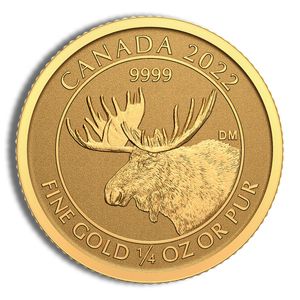
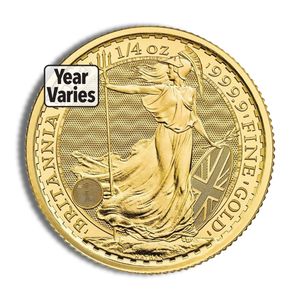
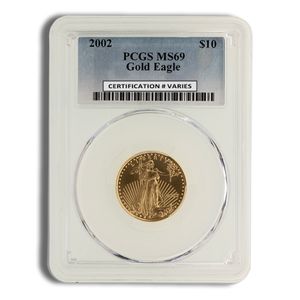
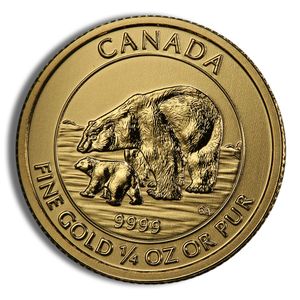
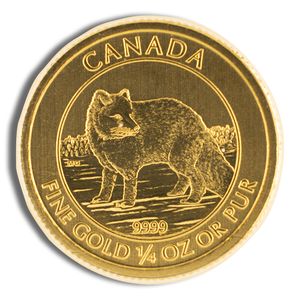
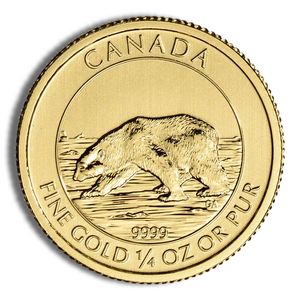
Our catalog of 1/4 oz gold coins brings together some of the most widely recognized government-issued bullion programs from around the world, all in a fractional size that balances affordability with genuine market utility. You'll find coins from the United States Mint, The Perth Mint, the Royal Canadian Mint, the Austrian Mint, The Royal Mint of Great Britain, and the South African Mint, spanning both dated and random year options. Whether you're drawn to the Gold American Eagle, the Gold Maple Leaf, the Gold Kangaroo, the Gold Philharmonic, the Gold Britannia, or the Gold Krugerrand, each coin represents an officially minted program backed by a sovereign government.

Products are available across multiple vintage years, including 2024, 2025, and 2026 issues alongside random year inventory that provides greater pricing flexibility. Sealed packaging options are also available on select products such as the Canadian Maple Leaf. Bullion Standard structures this selection around pricing transparency and straightforward market access, so buyers can evaluate options side by side without navigating misleading markups or opaque premium structures.

What Are 1/4 Oz Gold Coins?

A 1/4 oz gold coin contains exactly one-quarter troy ounce of gold, making it a fractional bullion coin relative to the standard one-troy-ounce format. These coins are struck by government mints and carry legal tender status in their country of origin, which distinguishes them from privately minted rounds of comparable size. The gold content is precisely controlled and certified by the issuing mint, with fineness typically stamped directly on the coin's face.

Fractional gold coins occupy a practical middle ground in the bullion market. They're smaller and more accessible in price than full-ounce coins, but they still carry the full government backing and global recognition that makes bullion coins desirable in the first place. Buyers often choose this size when they want the credibility of sovereign mint production without committing to the full per-coin cost of a one-ounce piece.

It's worth noting that fractional coins typically carry slightly higher premiums per troy ounce than their full-ounce counterparts. This is a consistent characteristic of the fractional bullion market, and it reflects the additional per-unit production costs associated with smaller coin formats rather than any inefficiency in pricing.

History and Background

The modern fractional gold bullion coin market developed alongside the broader government bullion programs of the late twentieth century. The Gold American Eagle program, introduced by the United States Mint in 1986, launched in four sizes including the quarter-ounce denomination from the beginning. The Austrian Philharmonic followed in 1989, and the Canadian Maple Leaf program, which began in 1979 as a one-ounce coin, eventually expanded to include fractional sizes to meet growing demand from buyers seeking smaller denominations.

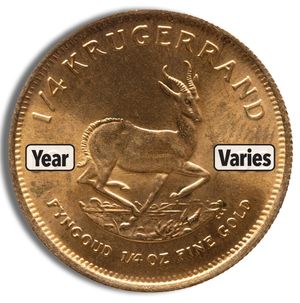
The South African Krugerrand, which first appeared in 1967 as the world's first modern gold bullion coin, introduced fractional sizes including the quarter-ounce in 1980. The Perth Mint's Kangaroo program and The Royal Mint's Britannia series similarly expanded into fractional formats as international demand for accessible gold bullion grew throughout the 1990s and 2000s. These programs collectively established the global infrastructure for fractional gold coin trading that exists today.

Over time, fractional sizes have become a standard offering across virtually every major sovereign mint program. Their consistent specifications and government backing have contributed to a level of global market recognition that supports broad liquidity across dealer networks, secondary markets, and international trading platforms.

Purity, Weight, and Specifications

Most 1/4 oz gold coins in our catalog are struck to .9999 fineness, which is the standard for coins like the Canadian Maple Leaf, Australian Kangaroo, Austrian Philharmonic, and Gold Britannia. The Gold American Eagle and Gold Krugerrand are struck to .9167 fineness, which is 22-karat gold. The lower purity on these two coins reflects a deliberate alloy composition that adds small amounts of silver and copper to improve the coin's durability and scratch resistance without reducing its total gold content, which remains exactly 0.25 troy ounces in both cases.

Weight specifications are consistent and tightly controlled across all government mint programs. Each coin contains exactly one-quarter troy ounce of fine gold, and that figure is guaranteed by the issuing sovereign authority. Mintmarks, fineness designations, weight declarations, and legal tender face values are typically engraved directly on the coin. The American Eagle, for example, carries a face value of ten dollars, while the Maple Leaf carries a face value of ten Canadian dollars, though these figures bear no practical relationship to the coin's market price.

Available Brands, Mints, and Product Variations

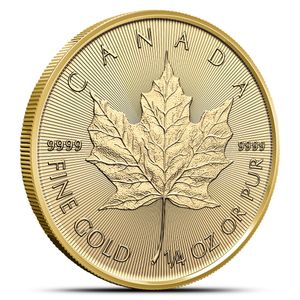
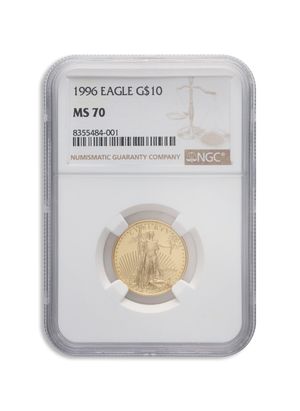
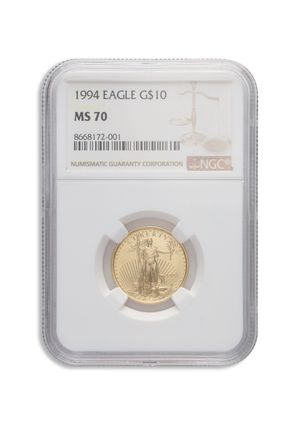
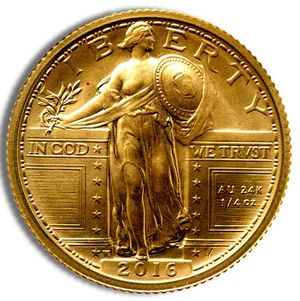
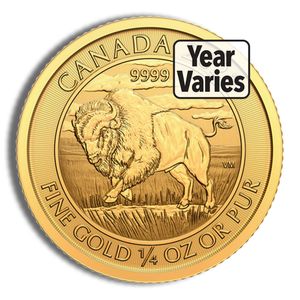
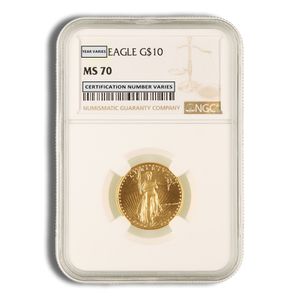
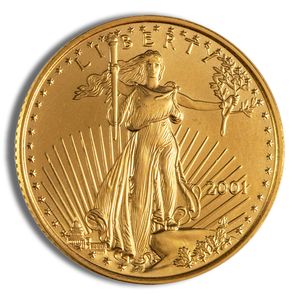
The selection available here spans six of the world's most established sovereign mint programs. The United States Mint produces the Gold American Eagle, struck in 22-karat gold with the iconic Saint-Gaudens-inspired obverse design and struck at the West Point Mint. The Royal Canadian Mint produces the Gold Maple Leaf, known for its .9999 purity and the radial lines security feature introduced in more recent years. Sealed packaging is available on select Maple Leaf inventory, which provides an additional layer of tamper evidence for buyers who prioritize packaging integrity.

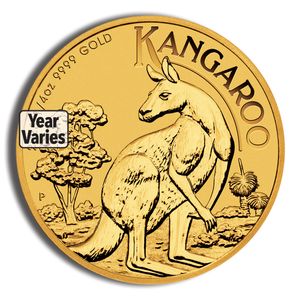
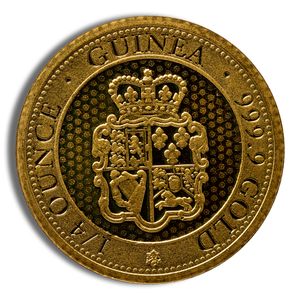
The Perth Mint's Kangaroo program features annually rotating reverse designs, which gives dated issues a modest collector dimension alongside their bullion utility. The Austrian Philharmonic, struck by the Austrian Mint in Vienna, is one of the most widely recognized European bullion coins and carries a .9999 fine gold standard. The Royal Mint's Gold Britannia program has evolved significantly in recent years, incorporating advanced security features and moving to .9999 fineness beginning with the 2013 issue. The South African Krugerrand, one of the oldest gold bullion coin programs in the world, remains a staple of the global fractional gold market despite its 22-karat composition.

Dated inventory is available for 2024, 2025, and 2026 across several programs, while random year options offer greater pricing flexibility for buyers who are focused on gold content rather than a specific vintage. Products listed as random year are genuine, authentic coins in brilliant uncirculated condition; the specific year simply varies based on current inventory.

Pricing, Premiums, and Market Factors

Gold coin pricing is always expressed as a function of the current spot price of gold plus a premium. The premium reflects production costs, mint distribution fees, dealer overhead, and the supply and demand dynamics specific to each coin program. For fractional coins, premiums per troy ounce are generally higher than for full-ounce coins because fixed production costs are spread across a smaller amount of metal. This is an inherent characteristic of fractional formats and applies across the market regardless of the dealer.

Different coins carry different premiums based on several factors. Mint reputation, production volume, global recognition, fineness, and current market demand all contribute to where a specific coin trades relative to spot. The Gold American Eagle, for example, tends to carry a premium that reflects both its strong domestic recognition and the relatively higher production costs associated with its 22-karat composition. The Maple Leaf and Philharmonic often trade at comparatively tighter premiums due to their high production volumes and broad global distribution.

Bullion Standard displays real-time pricing and bid/ask spreads on each product page, giving buyers a clear view of the current acquisition cost and the spread between purchase and buyback pricing. This structure removes guesswork from the evaluation process and allows buyers to compare options across the catalog using objective data rather than negotiated quotes.

Condition, Packaging, and What to Expect

All 1/4 oz gold coins in our catalog are graded brilliant uncirculated, meaning they have not been placed into circulation and retain their original mint finish. BU coins may show minor handling marks or contact points from the minting and packaging process, which is a normal and expected characteristic of this grade. These coins are not certified by a third-party grading service unless specifically noted, and they are not intended to be evaluated on the same standards applied to numismatic or collector coins.

Packaging varies by product. Some coins arrive in original mint packaging, including tubes or sealed blister packs. The Canadian Maple Leaf, for example, is available in sealed packaging that provides additional tamper evidence and maintains the coin in its original mint presentation. Random year products are packaged appropriately for shipping and protection but may not include original mint boxes or certificates of authenticity, which is standard for this type of inventory across the market.

Buyers selecting random year products should expect coins in genuine brilliant uncirculated condition with years selected from available inventory. Specific year requests cannot be accommodated for random year listings. For buyers who require a specific vintage, dated products for 2024, 2025, and 2026 are available across multiple programs.

Authenticity and Verification

Every coin sold through Bullion Standard is sourced from authorized mint distribution channels, reputable wholesalers, and established industry distributors. Authenticity, weight, and purity are verified before any product reaches our customers. Bullion Standard maintains an A rating with the Better Business Bureau and holds membership in the American Numismatic Association and the National Coin and Bullion Association, which reflects our commitment to sourcing integrity and professional conduct within the industry.

The mints represented in our catalog each incorporate their own anti-counterfeiting measures directly into the coin design and production process. The Royal Canadian Mint uses laser-engraved security features including micro-engraved maple leaf privy marks on recent Maple Leaf issues. The Perth Mint incorporates security features into its Kangaroo design, and the Austrian Philharmonic's intricate relief details are difficult to replicate outside of an industrial mint environment. These production-level safeguards provide a meaningful baseline of protection for buyers working with recognized government-issued coins.

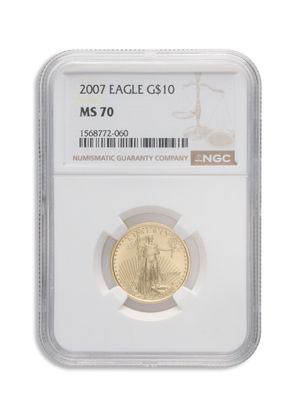
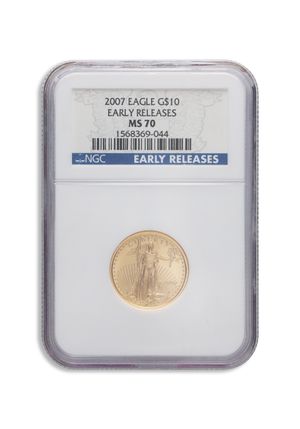
For buyers who want additional documentation, third-party grading and encapsulation through PCGS or NGC is available on select products. Bullion Standard is an authorized dealer for both grading services, and encapsulated coins provide an additional layer of authenticity certification for buyers who require it.

Liquidity and Resale Considerations

Quarter-ounce gold coins from major sovereign mint programs are among the more liquid fractional bullion products available in the physical gold market. Their government backing, consistent specifications, and broad global recognition make them straightforward to evaluate and transact within dealer networks, secondary markets, and private sales. Coins from programs like the American Eagle, Maple Leaf, and Philharmonic are recognized by dealers across North America, Europe, and beyond, which generally supports more efficient pricing at the point of resale.

Liquidity in the fractional coin market is generally tighter than for full-ounce products, and bid/ask spreads on fractional coins tend to be wider as a percentage of spot value. This is a standard market dynamic and worth considering as part of the total cost of ownership. Products from programs with higher global production volumes typically see comparatively tighter spreads than coins from lower-volume or regionally focused programs.

Condition and packaging play a role in resale outcomes as well. Coins in original sealed packaging or with intact mint presentation typically command cleaner transactions. Coins that have been cleaned, damaged, or significantly mishandled may face more scrutiny at the point of resale, particularly if they are being evaluated for grading or premium buyback programs.

Storage and Security

Quarter-ounce gold coins are compact and easy to store, but their small size also makes them easier to misplace compared to larger format bullion. Individual coins should be kept in appropriate protective holders, original mint packaging, or coin capsules that prevent direct contact and minimize the risk of surface damage. Stacking loose coins without protection can result in contact marks that, while they don't affect gold content, can reduce the coin's visual appeal and potentially its resale desirability.

For home storage, a quality safe with fire and theft protection is a practical starting point. The compact size of quarter-ounce coins makes them well suited to capsule holders or small coin trays within a larger storage system. Bank safe deposit boxes offer an alternative for buyers who prefer institutional security, though they do eliminate direct access outside of banking hours and may not be covered under all insurance arrangements.

For larger holdings, third-party vault storage through an insured precious metals depository provides a professionally managed storage environment with documented custody. This option is particularly relevant for buyers accumulating fractional coins over time who want to consolidate holdings in a secure, insured facility without maintaining a home safe capable of handling growing inventory.

Selling and Buyback Options

Bullion Standard operates a two-way market, meaning customers can both purchase and sell gold coins through the same platform. This structure allows buyers to consider the full transaction picture before making a purchase, understanding not just the acquisition price but also the likely buyback value and the spread between the two. Buyback pricing is posted transparently on our product pages and reflects real-time market conditions rather than discretionary dealer estimates.

When selling 1/4 oz gold coins to Bullion Standard, pricing is determined by the current spot price of gold, the product's mint program, its condition, and current market demand for that specific coin type. Coins in original packaging or sealed presentation typically move through the buyback process more efficiently. Coins that show significant handling, cleaning, or damage may be subject to additional evaluation.

The buyback process is handled directly through our purchasing team, which evaluates products against current wholesale market conditions. Buyers who want visibility into the live relationship between purchase price and buyback price before committing to a transaction can access this data through our platform. The goal is to make the sell side of the equation as transparent as the buy side, which is a meaningful departure from how many traditional dealers approach the buyback process.

Why Buy 1/4 Oz Gold Coins?

The quarter-ounce format offers genuine flexibility that full-ounce coins don't provide. For buyers who want to acquire gold in smaller increments, move portions of their holdings without liquidating an entire ounce, or simply prefer the more accessible entry price that comes with a fractional denomination, the 1/4 oz size is a practical choice. The coins in our catalog are government-issued, which means they carry official weight and fineness guarantees that privately minted rounds cannot match.

Recognizability is another factor that works in favor of sovereign mint coins at any size. Programs like the Gold American Eagle, Gold Maple Leaf, and Gold Krugerrand are known to dealers and buyers globally. That familiarity supports more efficient transactions at the point of resale compared to obscure private mint products, which may require additional verification and are subject to more variable pricing.

Collectors and date-specific buyers also find value in the annual design variations that programs like the Perth Mint Kangaroo offer, while the sealed packaging options available on certain Maple Leaf products appeal to buyers who prioritize presentation integrity. Across all these programs, the quarter-ounce denomination consistently delivers the credibility of sovereign gold production in a format that suits a wide range of practical needs.

Why Buy from Bullion Standard?

Bullion Standard was founded in 2010 and is headquartered in San Diego, California. Over more than a decade of operation, we've built our reputation around pricing transparency and operational integrity rather than high-pressure sales tactics. Our approach is grounded in the belief that buyers make better decisions when they have access to clear information about what they're paying, what they're buying, and what their holdings are worth in the current market.

Every product we sell is verified for authenticity, weight, and purity before it reaches our customers. We source from authorized mint channels, reputable wholesalers, and established industry distributors, and our A rating with the Better Business Bureau reflects a consistent track record of fulfilling customer expectations. As authorized dealers for both PCGS and NGC, we're also positioned to assist buyers who want third-party certification on their coins.

Our platform is designed to support the entire transaction, from initial research through purchase, storage, and eventual resale. Transparent pricing, visible bid/ask spreads, competitive buyback pricing, and responsive customer service are all part of the same customer-first structure. Payment options include Visa, Mastercard, American Express, Discover, PayPal, bank-connected payments through Plaid, wire transfer, paper check, and cryptocurrency through BitPay, giving buyers genuine flexibility in how they transact.

Get Near-Spot Pricing with Bullion Standard Pro

Bullion Standard Pro provides members with access to live, executable wholesale bid and ask pricing across a broad range of precious metals products. Unlike standard retail pricing structures, Pro does not apply additional dealer markups or dealer spreads to member transactions. Members transact directly at executable wholesale market prices, allowing premiums and spreads to reflect actual supply and demand rather than fixed retail pricing formulas.

For buyers who acquire fractional gold coins with any regularity, the pricing efficiency available through Pro can make a meaningful difference in the total cost of ownership over time. The platform also includes real-time portfolio valuation using live wholesale bid pricing, which gives members a clearer picture of current liquidation value rather than estimated retail values. Historical premium analysis, bid/ask spread data, and proprietary market intelligence tools are also available, helping members evaluate specific coin programs using objective market data.

Pro is designed for buyers who want a more transparent and analytically grounded approach to the physical gold market. By bringing the kind of pricing transparency and market intelligence typically associated with traditional financial markets into the physical bullion space, Bullion Standard Pro helps members make decisions based on what the market is actually doing rather than what a single dealer's price sheet reflects.