Buy Canadian Wildlife Silver Coins Online
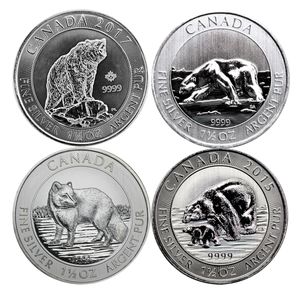
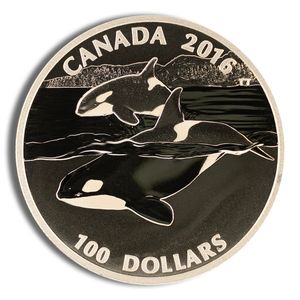
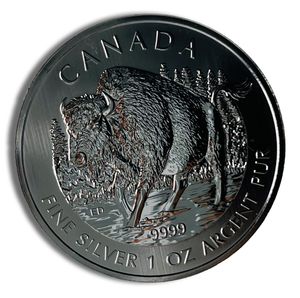
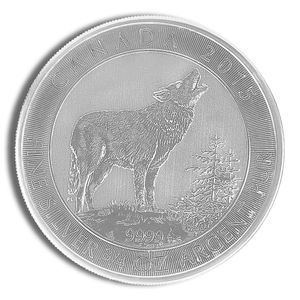
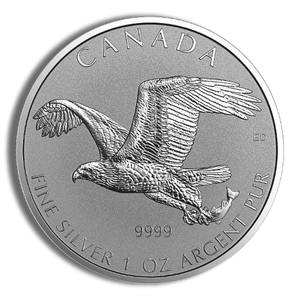
Our catalog of canadian wildlife silver coins brings together some of the most recognized wildlife-themed silver bullion produced in the modern era, with offerings ranging from fractional half-ounce pieces to substantial 1.5 oz coins struck at the Royal Canadian Mint. You'll find dated issues alongside random year options, giving both year-specific collectors and premium-conscious buyers flexibility when building a position in silver. Products in this section span multiple series, including RCM Wildlife, Birds of Prey, and individual design releases such as the Polar Bear, Arctic Fox, Grey Wolf, Wood Bison, and Snow Falcon.
Beyond Canadian-origin coins, the catalog also includes wildlife-themed silver from the Perth Mint in Australia and the Bavarian State Mint's Somalian Elephant series, each with their own specifications, packaging formats, and market characteristics. All products are sourced from authorized channels, verified for authenticity and purity, and listed with transparent pricing that reflects real-time market conditions. Whether you're purchasing a single dated coin or evaluating a random-year option for its pricing efficiency, what's here represents a cross-section of the most widely traded wildlife silver coins in the bullion market today.
What Are Canadian Wildlife Silver Coins?
Canadian wildlife silver coins are government-authorized bullion coins struck in .9999 fine silver by the Royal Canadian Mint, most carrying a Canadian dollar face value and featuring detailed engravings of North American animals. Unlike standard numismatic coins, these are produced primarily as bullion, meaning their value is driven by silver content rather than rarity or condition grades. The wildlife theme distinguishes them from the Maple Leaf series, which carries a more standardized maple leaf design, while still maintaining the same .9999 purity standard and RCM production quality.
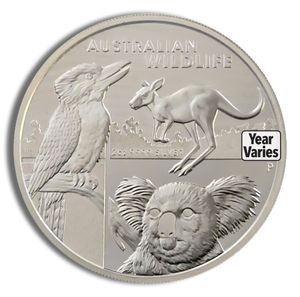
Buyers are typically drawn to wildlife coins for two reasons: they combine the premium-efficiency characteristics of government-issued bullion with a design appeal that makes them more visually distinctive than plain rounds or bars. The range of weights available, from 0.5 oz fractionals to 1.5 oz pieces, allows for flexible purchasing across different budget levels. The broader category also includes wildlife-themed coins from other sovereign mints, such as the Perth Mint's 2 oz Australia Wildlife series and the Somalian Elephant from the Bavarian State Mint, all of which follow similar principles of high purity, recognizable design, and standardized specifications.
History and Background
The Royal Canadian Mint has produced wildlife-themed silver bullion as part of several overlapping programs since the early 2000s, though the series gained significant traction in the early 2010s with releases like the Canadian Wildlife Series, which included large-format 1 oz designs featuring animals such as the Wood Bison, Grizzly Bear, and Wolf. That series was widely distributed and helped establish the RCM's wildlife coins as a recognizable product category within the global bullion market. The Birds of Prey and RCM Wildlife programs followed, expanding the format to include fractional weights and new design themes.
The Somalian Elephant has an equally well-established history, having been produced annually since 1999 by the Bavarian State Mint under license. Each annual release features a new elephant design on the reverse, making it one of the longer-running wildlife bullion series in continuous production. The Perth Mint's Australia Wildlife series similarly developed a loyal following through its 2 oz format and rotating kangaroo designs, offering an alternative to standard 1 oz coins with a slightly larger silver content per piece. Together, these programs reflect a broader industry trend toward design variety within the bullion space without sacrificing the standardized specifications that make these coins easy to price, trade, and store.
Purity, Weight, and Specifications
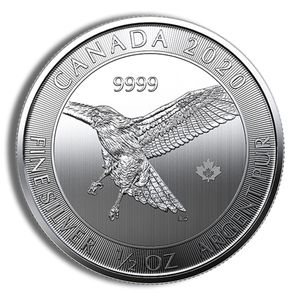
Virtually every coin in this catalog is struck in .9999 fine silver, the same purity standard used for the Canadian Maple Leaf and considered one of the highest purity benchmarks in the modern bullion market. This level of fineness means the coins contain 99.99% pure silver with minimal alloy content, which affects both appearance and melt value calculations. Weights range from 0.5 troy oz for fractional pieces like the Bald Eagle and Red Tail Hawk to 1.5 troy oz for larger format RCM Wildlife and Birds of Prey coins, with 1 oz pieces representing the most common and widely traded format.
Specifications vary slightly by release. The 1.5 oz RCM Wildlife coins typically measure 38 mm in diameter with a thickness of approximately 4.5 mm, while the 0.5 oz fractional coins are generally 32 to 32.3 mm in diameter at 2.5 mm thick. The 2 oz Perth Mint Australia Wildlife pieces carry a larger diameter of 40.6 to 55.6 mm depending on the year. All weights are measured in troy ounces, the standard unit for precious metals, where one troy ounce equals approximately 31.1 grams. Face values stamped on these coins, whether Canadian dollars or Somalian shillings, are largely symbolic and significantly below market value.
Available Brands, Mints, and Product Variations
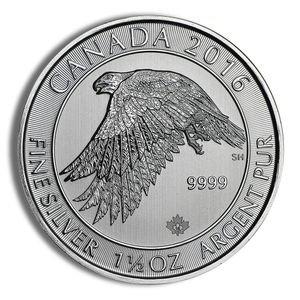
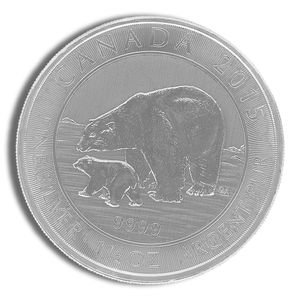
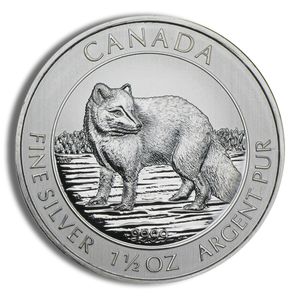
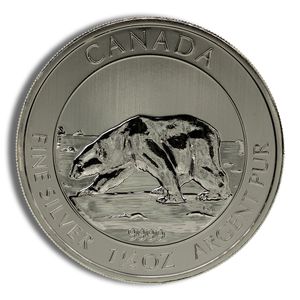
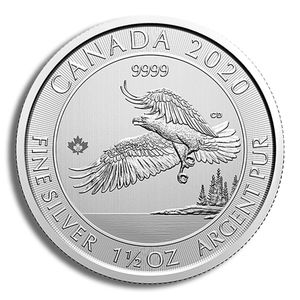
The Royal Canadian Mint is the dominant producer in this catalog, responsible for the majority of wildlife silver coins spanning the RCM Wildlife, Birds of Prey, and Canadian Wildlife Series programs. Specific dated releases include the 2013 Wood Bison, 2013 Polar Bear, 2014 Arctic Fox, 2015 Polar Bear and Cub, 2015 Grey Wolf, 2016 Snow Falcon, 2017 Bald Eagle, and 2020 North American Bald Eagle and Red Tail Hawk. The RCM is known for its tight quality control and consistent .9999 purity across all bullion production, and its coins carry strong market recognition in North America and internationally.
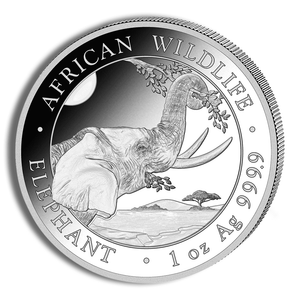
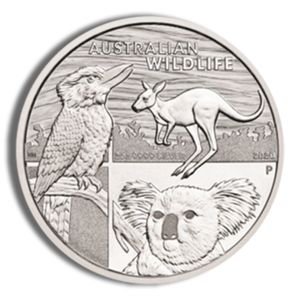
The Perth Mint contributes the 2 oz Australia Wildlife series, available in both dated 2021 form and as a random year option. Perth Mint coins carry the P mint mark on dated issues and are produced to .9999 fineness, consistent with the RCM standard. The Bavarian State Mint, operating under license for the Somalian Elephant program, provides the 2023 and 2024 1 oz Somalian Elephant coins, which are struck to .9999 fineness and packaged in tubes of 20 with outer box quantities of 500. Random year options are also available for several Canadian pieces, including the 0.5 oz Bald Eagle, 1 oz Wildlife, 1.25 oz Wildlife, and 1.5 oz Wildlife, offering pricing flexibility for buyers less focused on specific issue years.
Pricing, Premiums, and Market Factors
Like all silver bullion, wildlife coins are priced relative to the spot price of silver, with a premium added to cover minting costs, distribution, dealer margins, and any design-specific demand. The spot price moves continuously based on global market activity, while premiums are more stable in the short term but do shift based on supply and demand conditions at the wholesale and retail level. Fractional coins such as the 0.5 oz pieces typically carry proportionally higher premiums per troy ounce than their 1 oz or 1.5 oz counterparts, reflecting the fixed cost of minting relative to silver content.
Specific design releases and low-mintage years can command tighter supply in the secondary market, which puts upward pressure on premiums even when spot prices remain flat. Conversely, random year and generic wildlife options tend to trade at more efficient premiums because they draw from a larger available supply. Packaging format also matters: coins sold in original mint tubes generally retain a cleaner price structure than loose coins, which may show handling marks and require individual assessment. At Bullion Standard, pricing is structured to reflect real-time market conditions clearly, without layering on unnecessary complexity.
The bid/ask spread displayed on each product page provides a meaningful reference point when evaluating the true cost of ownership. Buyers who understand both sides of the transaction, what they pay and what they can reasonably expect to receive when selling, are better positioned to evaluate whether a given product aligns with their goals. This transparency is central to how Bullion Standard approaches pricing across the catalog.
Condition, Packaging, and What to Expect
Most coins in this catalog are graded BU, or Brilliant Uncirculated, meaning they were struck to bullion quality standards and have not been placed into circulation. BU coins may have minor contact marks, slight bag marks from handling during packaging, or minor surface variations that are considered normal and acceptable within bullion grading standards. These are not collectible proof coins, and buyers should expect the appearance typical of high-volume bullion production rather than the mirror-finish quality of numismatic or collector pieces.
Packaging varies across the catalog. RCM Wildlife coins are typically distributed in sealed plastic tubes, with inner pack quantities of 15 to 30 coins depending on the size and outer box quantities ranging from 240 to 600. The 2 oz Perth Mint Australia Wildlife coins come in smaller quantities per tube. Random year products are fulfilled from available inventory and may arrive in tube packaging or individually, depending on the specific lot. Buyers selecting random year or random design products should expect the year and design to be assigned based on current stock rather than preference, and the selection may include any year from the relevant production range.
Authenticity and Verification
All products at Bullion Standard are sourced from authorized mints, licensed distributors, and reputable wholesale channels. Every coin is verified for authenticity, weight, and purity before being offered for sale. The Royal Canadian Mint incorporates a range of anti-counterfeiting measures into its bullion production, including radial line security features, laser-engraved maple leaf privy marks on certain issues, and micro-engraved detail work that is difficult to replicate outside of official mint production environments. The Perth Mint and Bavarian State Mint employ their own verification standards appropriate to their respective products.
Buyers can further verify coins through third-party authentication services such as PCGS and NGC, both of which Bullion Standard is an authorized dealer for. While most bullion wildlife coins are traded raw and ungraded, submission for certification is an option for buyers who want a formal purity and authenticity guarantee, particularly for specific dated issues or coins intended for long-term holding. Sigma Metalytics testers and X-ray fluorescence equipment are also commonly used by dealers and collectors to verify metal content without damaging the coin's surface.
Liquidity and Resale Considerations
Wildlife silver coins from the Royal Canadian Mint are among the more liquid products in the silver bullion space, particularly the 1 oz and 1.5 oz formats, which are widely recognized by dealers, brokers, and online secondary markets globally. The .9999 fine purity standard and RCM mint mark are well-known identifiers that most bullion buyers and dealers can evaluate quickly, which reduces friction when it comes time to sell. Coins from the Perth Mint and Bavarian State Mint carry similar market recognition, particularly the Somalian Elephant series, which has been continuously produced since 1999 and has an established resale market.
Random year products and common date issues tend to trade on silver content and mint recognition rather than year-specific premiums, which generally means tighter bid/ask spreads in the secondary market. Coins with a specific dated design that was produced in limited quantities may attract collector interest beyond melt value, but that dynamic varies considerably by issue and market conditions. Understanding which products trade more broadly versus those that are more design-dependent helps buyers evaluate resale efficiency before making a purchase.
Storage and Security
Proper storage protects both the physical condition and the long-term market presentation of wildlife silver coins. Silver is susceptible to toning, tarnishing, and surface oxidation when exposed to humidity, sulfur compounds in the air, or skin oils from direct handling. Original mint tube packaging provides a reasonable degree of environmental protection and should be retained where possible. Coins removed from tubes should be stored in individual flips, airtite capsules, or coin holders made from inert materials to prevent chemical interaction with the coin surface.
For larger quantities, a home safe rated for both fire and theft resistance is a practical starting point, particularly for coins stored in bulk tubes. Third-party vault storage through a secure depository is an alternative worth considering for significant holdings, as it eliminates the insurance and access logistics associated with home storage. Bank safe deposit boxes are also widely used, though they come with access limitations and do not offer the same level of insured coverage as a dedicated precious metals depository. Whichever method is chosen, consistent temperature and low humidity are the most important environmental factors to control.
Selling and Buyback Options
Selling wildlife silver coins into the market follows the same general process as other bullion products: the buyer presents the coins, the dealer assesses condition and mint recognition, and a buyback price is offered based on current spot levels, applicable premiums, and the specific product's liquidity profile. Coins in original packaging, particularly those still in sealed mint tubes, typically receive more favorable buyback pricing than loose coins, since their condition history is cleaner and processing is more straightforward. Specific dated issues from the RCM, Perth Mint, and Bavarian State Mint all carry strong market recognition that supports efficient buyback pricing.
Bullion Standard operates as a two-way market, meaning customers can sell coins directly back through the same platform where they purchased them. Our purchasing team evaluates products based on current market conditions, product type, mint origin, condition, and packaging, and provides competitive buyback pricing structured around real-time wholesale bid levels. This integrated approach, where buying and selling occur within the same ecosystem, is designed to provide customers with a more transparent and efficient transaction experience on both sides of the market. Liquidity considerations are worth factoring in before any purchase is made, and the bid/ask spread displayed on each product page is a useful reference for understanding the current market relationship between acquisition cost and resale value.
Why Buy Canadian Wildlife Silver Coins?
The appeal of wildlife-themed silver coins sits at the intersection of bullion practicality and design variety. These coins offer the same .9999 fine silver content and government mint backing as standard bullion coins while featuring detailed engravings that make them more visually distinctive and collectible. For buyers who want silver with recognizable sovereign backing but prefer something beyond a plain round or a standard Maple Leaf, wildlife coins represent a natural choice. The weight range available, from 0.5 oz fractionals to 1.5 oz and 2 oz pieces, also gives buyers flexibility in terms of per-unit cost and storage format.
Silver carries one of the broadest industrial demand profiles of any precious metal, with applications across electronics, solar panel manufacturing, medical devices, and industrial fabrication. While the bullion coins in this catalog are priced primarily on their silver content and mint premium rather than industrial specifications, the underlying metal's broad market demand contributes to its global recognizability and active trading environment. The combination of sovereign mint production, high purity standards, familiar wildlife imagery, and a well-established secondary market makes wildlife silver coins a straightforward and practical category for buyers accumulating physical silver.
Why Buy from Bullion Standard?
Bullion Standard was founded in 2010 and has grown from a San Diego-based operation into a nationally recognized precious metals marketplace by prioritizing transparency over high-pressure sales tactics. Every product in the catalog, including the wildlife silver coins listed here, is sourced from reputable mints, authorized distributors, and vetted wholesale channels, and verified for authenticity, weight, and purity before it reaches the customer. The company holds an A rating with the Better Business Bureau and maintains active memberships with the American Numismatic Association and the National Coin and Bullion Association.
Pricing at Bullion Standard reflects live market conditions and is structured to provide clarity rather than obscure the actual cost of ownership. The bid/ask spread displayed on each product page makes it straightforward to understand both acquisition cost and current resale value, which is information most traditional dealers don't surface readily. Checkout is supported by a broad range of payment options including Visa, Mastercard, American Express, Discover, PayPal, wire transfer, paper check, bank-connected payments through Plaid, and cryptocurrency through BitPay. Fulfillment is handled reliably, and customer support is accessible throughout the buying and selling process.
The two-way market model means customers don't have to go elsewhere when it's time to sell. Bullion Standard's purchasing team provides competitive buyback pricing based on real-time wholesale conditions, making it possible to manage physical silver holdings within a single, transparent platform from acquisition through eventual liquidation.
Get Near-Spot Pricing with Bullion Standard Pro
Bullion Standard Pro is designed for buyers who want to transact closer to the wholesale level of the market. Members gain access to live, executable wholesale bid and ask pricing across a broad range of bullion products, including wildlife silver coins, without the additional dealer markups applied in the standard retail environment. Premiums and bid/ask spreads adjust naturally based on real-time supply and demand within the wholesale market rather than being set to fixed retail margins, which can create meaningful pricing advantages for buyers who purchase regularly or in larger quantities.
Beyond pricing efficiency, Pro members have access to proprietary market intelligence tools including historical premium analysis, premium percentile rankings, spread analysis, liquidity metrics, and buy/sell ratio indicators. These tools allow investors to evaluate individual products using objective data, compare pricing across the catalog, and identify relative value based on measurable market conditions rather than marketing claims. Portfolio valuation through the platform uses live wholesale bid pricing to provide a more accurate picture of current liquidation value rather than estimated retail equivalents.
For buyers who take a longer-term view of their silver holdings and want to reduce the friction and cost associated with repeated transactions, Bullion Standard Pro provides the kind of pricing transparency and market intelligence that has traditionally been available only to institutional or wholesale market participants. The goal is to make the physical silver market more efficient and better understood for anyone willing to engage with it on an informed basis.

 (833) 278-4653