World Platinum Coins for Sale

Buy World Platinum Coins Online

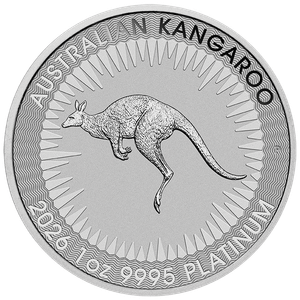
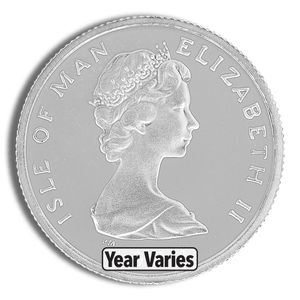
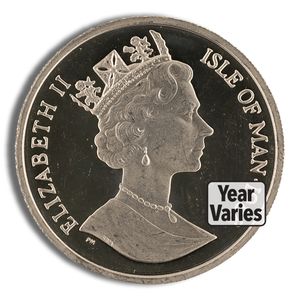
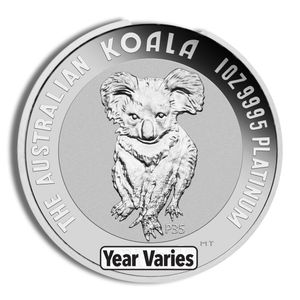
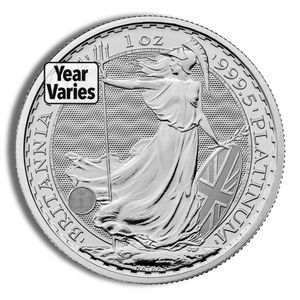
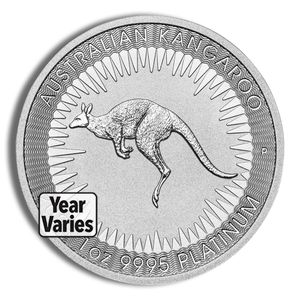
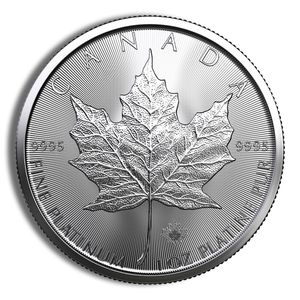
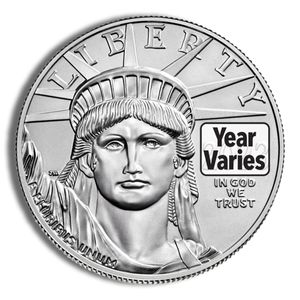
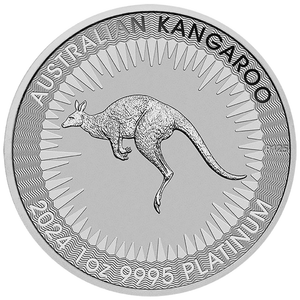
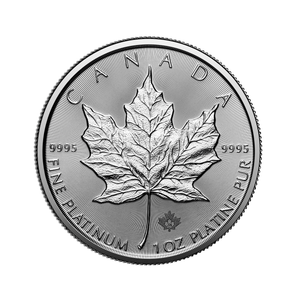
Our catalog of world platinum coins brings together sovereign-minted platinum from some of the most respected government and private mints operating today. Whether you're looking for a 1 oz platinum Kangaroo from The Perth Mint, a classic Austrian Philharmonic, a Royal Canadian Mint Maple Leaf, or a fractional-weight coin from programs like the Isle of Man Noble or the Great Britain Britannia, you'll find a broad range of options across multiple weights and origins.

Available in 1 oz, 1/2 oz, 1/4 oz, 1/10 oz, 1/20 oz, and specialty fractional sizes including 1/3 oz wildlife editions, these coins cover the full spectrum of platinum bullion formats sought by both buyers and dealers. Random year options are listed alongside dated releases, giving you flexibility based on your priorities. Bullion Standard sources these coins through established wholesale channels and presents them within a transparent, data-informed marketplace designed to make the purchasing process straightforward.

What Are World Platinum Coins?

World platinum coins are government-authorized or mint-issued coins struck in platinum, typically carrying a face value denomination and produced to recognized purity and weight standards. Unlike generic platinum rounds or bars, these coins are produced under official mint programs and carry the backing of their issuing country or territory. That distinction matters when it comes to recognition, resale, and market familiarity.

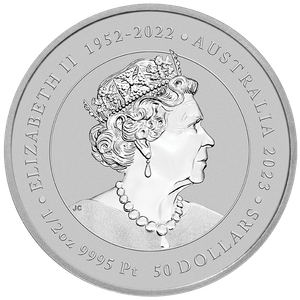
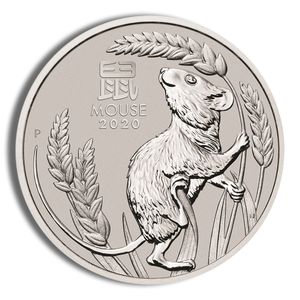
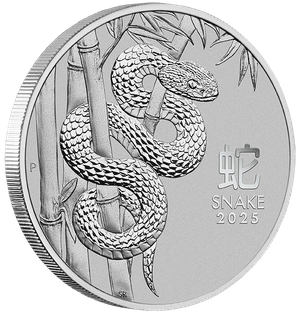
Most platinum coins in our catalog are struck to .9995 fine platinum, the benchmark purity standard adopted by major sovereign mints worldwide. They're available in both standard bullion formats and limited commemorative editions, covering designs ranging from the iconic Kangaroo and Koala wildlife series to the classically styled Maple Leaf and Philharmonic. Some programs, like Australia's annual Lunar series or the Royal Mint's Queen's Beast and Tudor Beast series, feature rotating designs that attract collectors alongside bullion buyers.

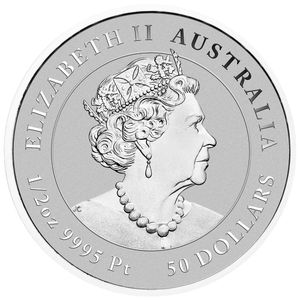
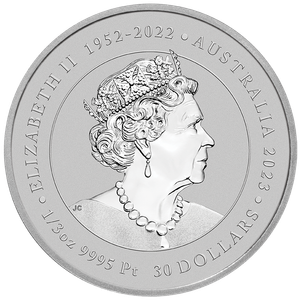
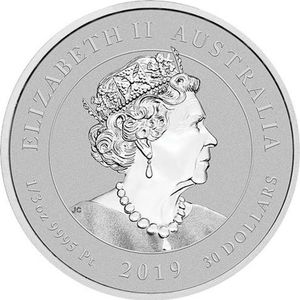
Fractional platinum coins occupy a distinct niche. Sizes like 1/10 oz and 1/4 oz allow for more precise purchasing at lower entry points, while specialty formats like the Perth Mint's 1/3 oz wildlife coins offer design variety at non-standard weights. These smaller denominations tend to carry higher per-ounce premiums than full ounce coins, which is a practical consideration for buyers managing cost efficiency.

History and Background

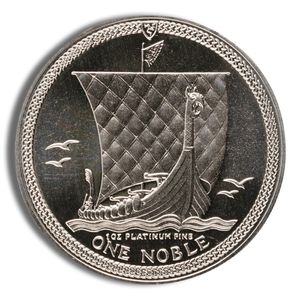
Platinum entered the modern bullion coin market significantly later than gold or silver. The Isle of Man Noble, first issued in 1983 through Pobjoy Mint, was among the earliest sovereign platinum coin programs and helped establish the concept of government-issued platinum bullion as a tradeable asset class. Canada followed with the Platinum Maple Leaf in 1988, which became one of the most recognized and widely traded platinum coins in the world before the program was temporarily suspended and later resumed.

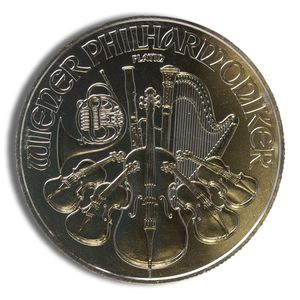
Australia's Perth Mint expanded the sovereign platinum coin landscape through its Koala, Kangaroo, and wildlife series, each building a track record of consistent production and international distribution. The Austrian Philharmonic, a dominant force in gold bullion, extended its program to platinum and drew on the design's strong brand recognition to attract buyers familiar with the gold version. The Royal Mint's Britannia in platinum and, more recently, the Queen's Beast and Tudor Beast series represent the continuing evolution of numismatically driven platinum coin programs from major sovereign institutions.

Platinum's industrial footprint, particularly its critical role in catalytic converters and other automotive and industrial applications, has always influenced both supply availability and pricing dynamics. Production is heavily concentrated in South Africa and Russia, making supply relatively constrained compared to gold and silver. That supply concentration, combined with fluctuating industrial demand, has historically contributed to platinum's distinct price behavior relative to other precious metals. These supply characteristics are part of why the platinum coin market has developed with fewer large-scale programs than gold or silver, and why certain editions have been discontinued or produced in limited quantities.

Purity, Weight, and Specifications

The overwhelming majority of coins in our platinum catalog are struck to .9995 fine platinum, the standard adopted by institutions including The Perth Mint, the Royal Canadian Mint, the Austrian Mint, and The Royal Mint. A small number of products, such as certain South African Mint offerings, are struck at .999 fine. Both purity levels are broadly accepted in the bullion market, though .9995 is the more common standard among sovereign platinum programs.

Standard coin weights are denominated in troy ounces, the universal measure used across the precious metals industry. One troy ounce equals approximately 31.1 grams. Common weights across our catalog include 1 oz, 1/2 oz, 1/4 oz, 1/10 oz, 1/20 oz, and fractional sizes such as 1/3 oz. Each coin's specifications, including its declared weight and purity, are confirmed through the issuing mint's assay standards. Mint marks, where applicable, appear on the coin's face or reverse and indicate the facility responsible for striking the piece.

Available Brands, Mints, and Product Variations

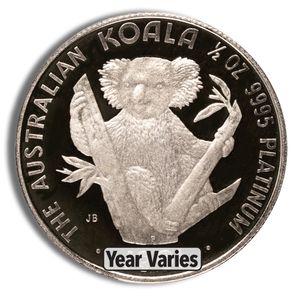
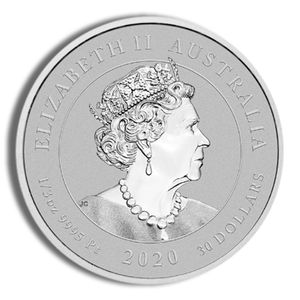
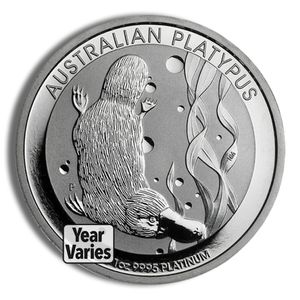
The Perth Mint in Western Australia represents one of the most active producers within our platinum coin catalog. Their output includes the 1 oz Koala, 1 oz Kangaroo, 1 oz Platypus, and a range of fractional Koala and wildlife coins, as well as annual Lunar series releases and specialty marine and bird of prey editions. Products like the Bottlenose Dolphin, Striped Marlin, Osprey Eagle, Barn Owl, Sea Lion, and White-Bellied Sea Eagle represent the depth of Perth Mint's wildlife coin output in platinum, each struck to .9995 fine and sourced through authorized distribution channels.

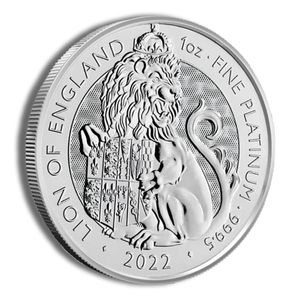
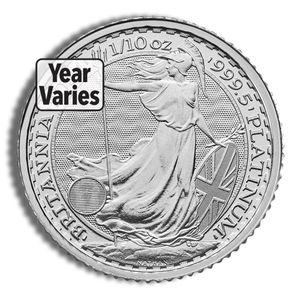
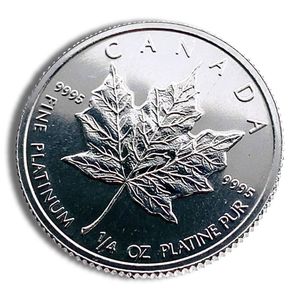
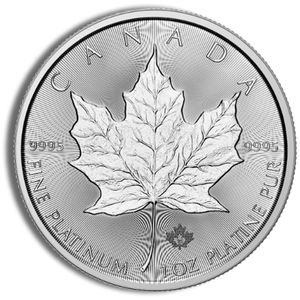
The Royal Canadian Mint's Platinum Maple Leaf is available across five sizes in our catalog, from 1/20 oz through 1 oz, making it one of the more versatile programs for buyers who want to acquire platinum at different weight levels. Austria's Philharmonic, produced by the Austrian Mint, carries strong global recognition rooted in its design history and is available in the standard 1 oz format. The Royal Mint's Britannia and Queen's Beast series in platinum represent British sovereign production, with dated editions like the White Greyhound of Richmond and the Yale of Beaufort offering design variety alongside standard bullion credentials. The Tudor Beast series, beginning with the Lion of England, continues that tradition.

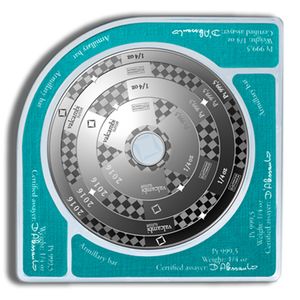
Beyond these flagship programs, our catalog includes coins from Pobjoy Mint's Isle of Man Noble series across 1 oz, 1/2 oz, 1/4 oz, and 1/10 oz sizes, the Valcambi Suisse Armillary round in assay card packaging, Gibraltar Castle coins produced through PAMP, St. Helena's Rose Crown Guinea in 1/3 oz, and South African Mint's Big 5 Buffalo and Leopard Proof coins with box and certificate of authenticity. This range reflects the genuine breadth of the global platinum coin market, from mainstream government-issued bullion to specialty collectible formats.

Pricing, Premiums, and Market Factors

Platinum coin pricing is determined by combining the current spot price of platinum with a per-ounce premium that reflects production costs, mint fees, distribution margins, and market demand. Spot price fluctuates continuously based on trading activity across global commodity markets, and our pricing updates in real time to reflect those movements. Unlike markets with more standardized premiums, platinum coin premiums can shift meaningfully depending on which mint produced the coin, the size of the coin, packaging type, and current supply within wholesale distribution channels.

Fractional coins consistently carry higher per-ounce premiums than full ounce versions of the same program. A 1/10 oz Maple Leaf or 1/10 oz Britannia will cost more per troy ounce than its 1 oz equivalent, a structural feature of the bullion market that reflects the fixed production costs distributed across a smaller metal content. Dated editions, specialty designs, and coins packaged with certificates of authenticity or presentation boxes may also carry elevated premiums relative to random year bullion. Understanding these relationships helps buyers compare total cost of ownership across different options rather than focusing on platinum spot price alone.

Bullion Standard displays the bid/ask spread on each product page, giving buyers a transparent view of both the purchase price and the estimated resale value at the time of viewing. This approach reflects our broader commitment to pricing clarity. Rather than presenting only one side of the transaction, we believe buyers should understand the complete picture before committing to a purchase. Platinum's more constrained liquidity compared to gold or silver makes this transparency especially relevant for informed decision-making.

Condition, Packaging, and What to Expect

Brilliant Uncirculated is the condition standard that applies to most coins in our platinum catalog. BU coins are freshly struck from polished dies and exhibit no wear from circulation. However, minor contact marks, handling lines, or light surface imperfections are considered normal for BU coins and don't indicate a defect. These coins are not graded by a third-party certification service unless explicitly noted in the product listing.

Packaging varies across programs. Some coins ship in individual plastic capsules, others in mint-issued tubes, and certain products come in presentation boxes with certificates of authenticity. Products listed as "Random Year" are drawn from available inventory across multiple production years, and buyers should not expect a specific year of issue unless the product listing clearly specifies one. Specialty editions such as the South African Big 5 Proof coins and the Cook Islands Firefighter Real Heroes coin ship with original box and COA as described in the listing.

The Valcambi Armillary round comes sealed in an assay card, a tamper-evident format that includes assay certification directly within the packaging. This type of presentation is common among certain refinery-produced rounds and provides an additional layer of verification at the point of purchase. Buyers should review individual product listings for specific packaging details before completing their purchase.

Authenticity and Verification

Every platinum coin offered through Bullion Standard is sourced from reputable mints, authorized wholesalers, and established distribution networks. Products are verified for authenticity, weight, and purity before they reach our fulfillment operations. We do not list products we cannot verify, and our sourcing standards reflect the expectations of a marketplace that takes product integrity seriously.

Most major platinum coin programs incorporate anti-counterfeiting measures at the mint level. The Royal Canadian Mint's Maple Leaf coins feature micro-engraved security marks visible under magnification. The Perth Mint's coins carry distinctive mint marks and design elements consistent across production runs. Austria's Philharmonic design is among the most widely recognized in the world, making deviations from the standard more apparent to experienced handlers. Where assay cards are present, they provide an independent record of the coin's specifications tied directly to the mint or refinery that produced it.

Bullion Standard holds an A rating with the Better Business Bureau and maintains active memberships in both the American Numismatic Association and the National Coin and Bullion Association. We are authorized dealers for PCGS and NGC, giving us direct access to professional grading services for customers seeking certified product options. These affiliations reflect our operational standards and our accountability to recognized industry organizations.

Liquidity and Resale Considerations

Platinum coins vary meaningfully in their resale liquidity based on the issuing mint, the program's global recognition, the coin's weight, and current market conditions. Programs like the Canadian Maple Leaf, the Austrian Philharmonic, and the Perth Mint Kangaroo carry strong international recognition within the dealer and wholesale communities, which generally translates to more straightforward resale. Less widely distributed programs or specialty editions may be recognized within collector markets but can require more effort to resell at mainstream bullion prices.

Full ounce coins in recognized programs tend to trade with tighter bid/ask spreads than fractional sizes or limited edition coins. Fractional coins, while accessible from a purchase standpoint, can be less liquid at the resale stage because their per-unit value is lower and dealer interest in processing smaller pieces varies. Keeping original packaging and, where included, certificates of authenticity generally supports a smoother resale process regardless of the coin program.

Platinum as a metal trades in a smaller and less liquid market than gold or silver, which is a relevant context for any buyer considering platinum coin purchases. Dealer networks for platinum bullion are narrower than for gold, and price spreads in the wholesale market can be wider during periods of reduced demand or price volatility. Reviewing current bid pricing before purchasing gives buyers a realistic picture of the current resale landscape rather than relying on spot price alone as a proxy for liquidation value.

Storage and Security

Platinum coins are relatively small in physical size, which makes them straightforward to store securely at home or in a dedicated vault facility. A quality home safe rated for both theft resistance and fire exposure is a practical solution for smaller quantities. For buyers accumulating larger holdings, third-party vault storage through an insured depository offers professionally managed security without the personal liability of home storage.

Individual platinum coins should be kept in their original capsules or protective packaging to prevent contact damage and surface wear. Even minor abrasions from repeated handling can affect the appearance of a BU coin over time. Avoid touching the face of the coin directly; holding it by the edge reduces the risk of transferring oils and contaminants to the surface. Coins stored in tubes should remain sealed until needed, and assay-card-packaged products should be kept sealed to preserve both condition and verification integrity.

Environmental conditions matter for long-term storage. Platinum itself is highly resistant to oxidation and corrosion, so tarnishing is not the concern it is with silver. However, exposure to humidity, chemical vapors, or abrasive surfaces can still affect the coin's cosmetic condition and packaging integrity. A cool, dry, and stable environment is preferable whether you're storing at home or within a managed vault facility.

Selling and Buyback Options

Selling platinum coins back into the market follows a straightforward process with Bullion Standard's two-way market structure. Buyers can request a buyback quote directly through our platform, with pricing based on live wholesale bid pricing rather than delayed or manually set dealer prices. This reflects our commitment to bringing the same pricing transparency to the sell side of the transaction that we apply to purchases.

Factors that influence buyback pricing include the coin's mint program and global recognition, its weight and format, current platinum spot price, wholesale bid conditions at the time of sale, and the condition and completeness of original packaging. Coins from widely recognized programs in full ounce sizes and in original packaging tend to receive the most straightforward pricing. Specialty editions, limited-mintage coins, or products missing certificates or boxes may be assessed differently depending on current demand within the wholesale channel.

Understanding buyback pricing before purchasing is part of the informed buying process we encourage at Bullion Standard. Our product pages display both buy and sell pricing, allowing buyers to evaluate the complete transaction, not just the acquisition cost. When it's time to sell, our purchasing team works to provide competitive, market-reflective pricing with a process designed to be efficient and transparent rather than cumbersome.

Why Buy World Platinum Coins?

Platinum coins occupy a distinct position in the precious metals market because of their combination of sovereign mint backing, tight purity standards, and relative scarcity compared to gold and silver coin programs. Government-issued platinum coins from programs like the Maple Leaf, Kangaroo, and Philharmonic carry recognized legal tender status and are produced to consistent specifications, which supports their acceptance across dealer networks worldwide.

Platinum's supply side is geographically concentrated, with the vast majority of global production originating from South Africa and Russia. That supply concentration, combined with sustained industrial demand from automotive catalytic converters, chemical processing, and medical device manufacturing, creates a different market dynamic than gold or silver. Buyers who want meaningful exposure to a metal with distinct industrial and supply characteristics often look to platinum as a complement to other holdings.

The format flexibility within this catalog is genuinely useful. Whether you're looking to acquire a single 1 oz coin from a flagship program or build a diversified holding across multiple mints and sizes, the range available reflects the breadth of the actual wholesale platinum coin market. Dated and collectible editions like the Lunar series and Queen's Beast coins add a numismatic dimension for buyers who value design variety alongside metal content.

Why Buy from Bullion Standard?

Bullion Standard was founded in 2010 in San Diego, California, and has grown into a nationally recognized online precious metals marketplace by operating on principles that many in this industry have historically avoided: transparency, consistent pricing, and genuine two-way market access. Our platform is built to give buyers a complete picture of what they're purchasing and what they can expect when it's time to sell, not just a one-sided retail experience.

Every platinum coin we offer is sourced through verified channels and confirmed for authenticity before it ships. We maintain an A rating with the Better Business Bureau, hold active memberships in the ANA and NCBA, and operate as authorized dealers for both PCGS and NGC. Our payment options include major credit and debit cards, PayPal, bank-connected payments through Plaid, wire transfer, paper check, and cryptocurrency through BitPay, covering the full range of how serious buyers prefer to transact.

Our emphasis on bid/ask spread transparency, real-time pricing, and a two-way market model reflects the belief that buyers deserve to understand the complete cost of ownership before committing to a purchase. That philosophy shapes how we price products, how we present market data, and how we operate our buyback program. It's the same philosophy that has driven our growth from a local San Diego operation to a nationally recognized marketplace over more than a decade.

Get Near-Spot Pricing with Bullion Standard Pro

Bullion Standard Pro is designed for buyers who want to transact at wholesale-level pricing rather than standard retail premiums. Members gain access to live, executable wholesale bid and ask pricing across our platinum coin catalog, with spreads that reflect real-time market conditions rather than fixed retail markups. Unlike the traditional dealer model, Pro pricing does not layer additional dealer margins on top of wholesale market prices.

For buyers who purchase platinum coins regularly or in meaningful quantities, the pricing efficiency available through Bullion Standard Pro can make a material difference in the total cost of acquiring metal over time. Members also benefit from real-time portfolio valuation based on live wholesale bid pricing, proprietary market intelligence tools, historical premium analysis, and spread tightness metrics that allow for more informed comparison across coin programs and weights.

These tools are built around the same philosophy that guides the broader Bullion Standard platform: better information leads to better decisions. By providing access to the same pricing transparency and analytical capabilities that institutional buyers use, Bullion Standard Pro extends a more efficient and informed purchasing experience to individual buyers who are serious about understanding the platinum market rather than relying on marketing claims or static product listings.