Buy Junk Silver Coins (90%, 40%, & 35%) Online
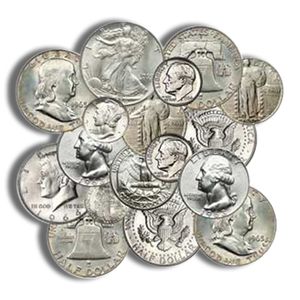
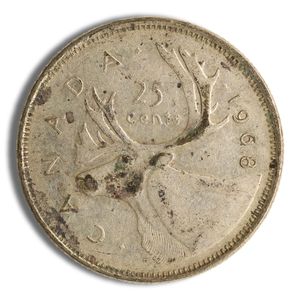
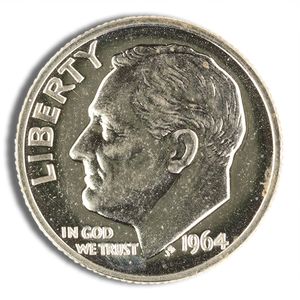
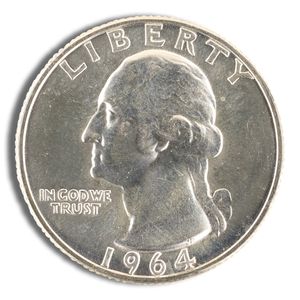
Our catalog of junk silver coins covers the full spectrum of circulated and uncirculated 90%, 40%, and 35% silver U.S. coinage, giving buyers direct access to one of the most practical and widely recognized segments of the physical silver market. From 90% silver Washington quarters and Roosevelt dimes to 40% Kennedy half dollars from 1965 through 1969 and 35% silver war nickels struck during World War II, the selection spans multiple coin types, denominations, grades, and packaging formats.
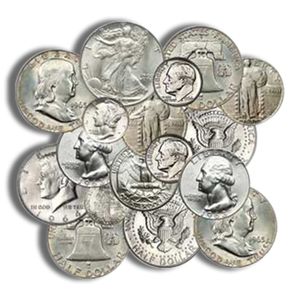
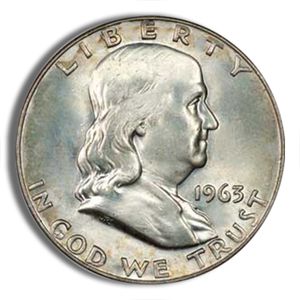
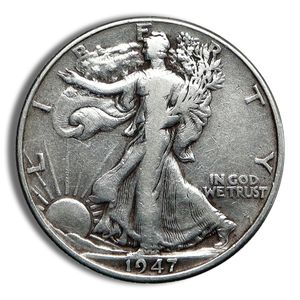
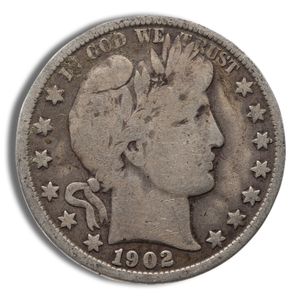
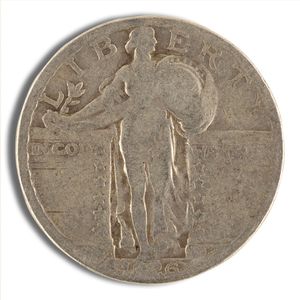
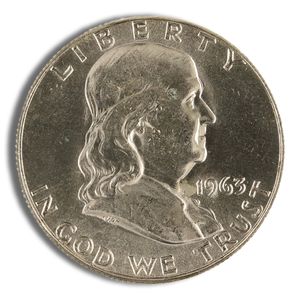
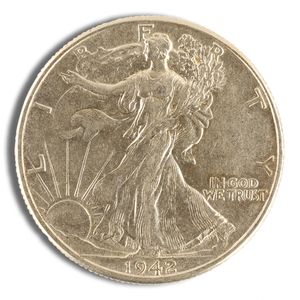
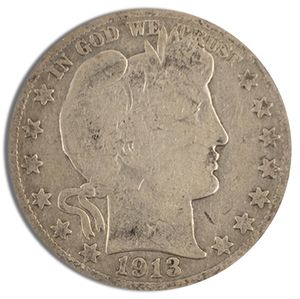
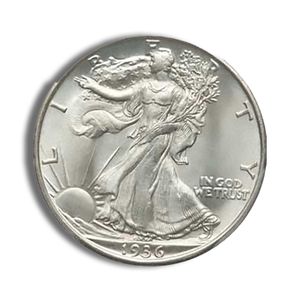
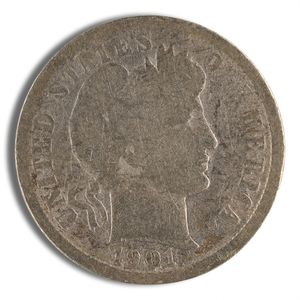
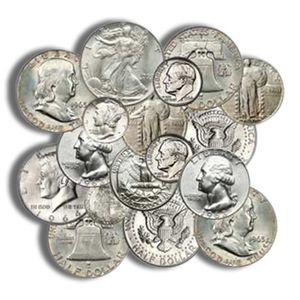
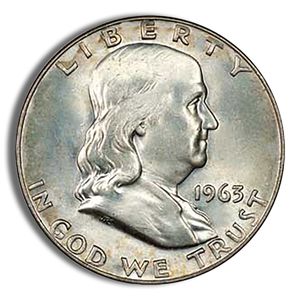
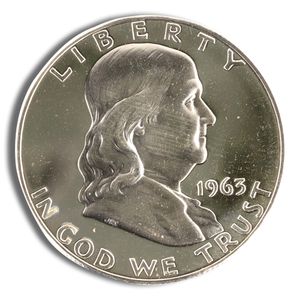
Products are offered in $1 face value increments, making it straightforward to calculate silver content without additional math. Available grades range from cull and average circulated to VF, XF, AU, and BU, with several proof options across Roosevelt dimes, Washington quarters, Franklin half dollars, and Kennedy halves. Collectible series including Barber dimes, Barber quarters, Barber halves, Mercury dimes, Standing Liberty quarters, Walking Liberty half dollars, and Franklin halves are all represented alongside more common modern issues.
Bullion Standard structures this part of its catalog around pricing transparency and consistent sourcing. Whether you're purchasing a single $1 face value lot or scaling into larger quantities, you'll find clear specifications, real-time spot-linked pricing, and product-level bid/ask spreads displayed directly on each listing.
What Are Junk Silver Coins (90%, 40%, & 35%)?
The term "junk silver" refers to pre-1965 U.S. coins, and certain post-1964 issues, that carry no numismatic premium but contain meaningful silver content. Despite the name, these aren't coins without value. The label simply distinguishes them from collector coins traded for rarity or condition. They trade almost entirely on their silver content relative to the current spot price, making them among the most straightforward silver products in the bullion market.
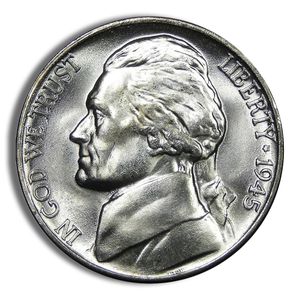
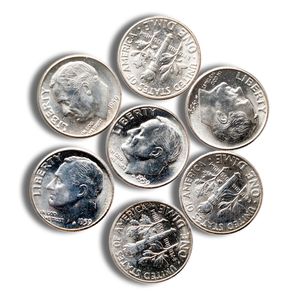
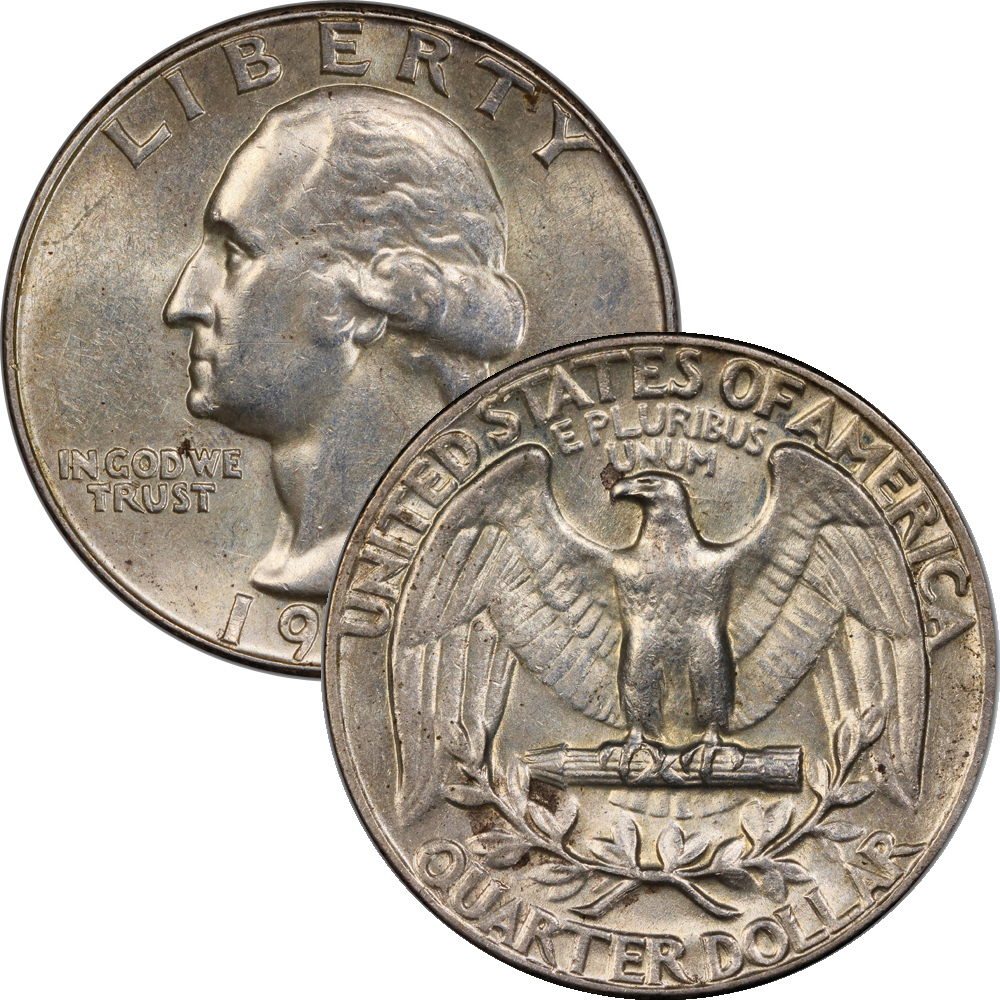
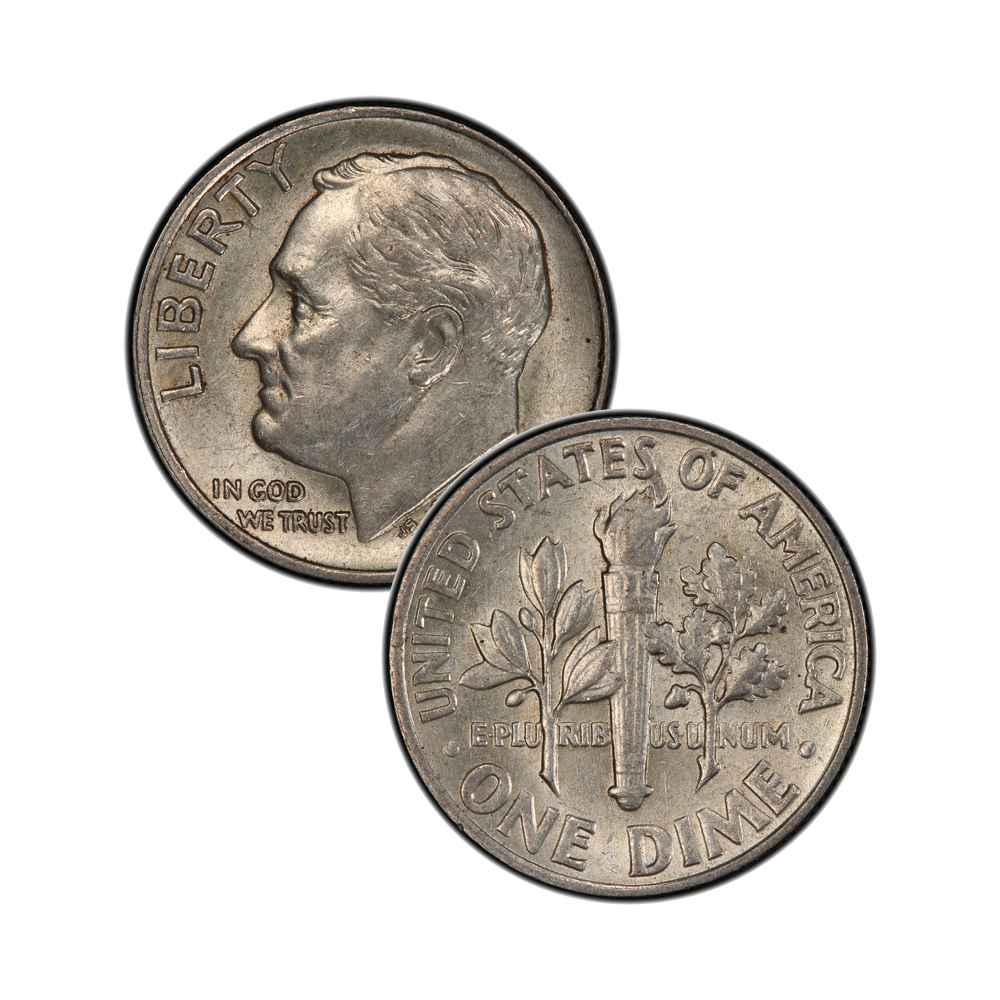
The 90% silver designation covers the vast majority of U.S. dimes, quarters, and half dollars minted before 1965, all of which were struck with a composition of 90% silver and 10% copper. The standard silver content figure used across the industry is 0.715 troy ounces per $1 face value for circulated coins, with 0.7234 troy ounces sometimes applied to uncirculated or proof issues that retain their full weight. The 40% silver category covers Kennedy half dollars dated 1965 through 1969, which contain approximately 0.295 troy ounces of silver per $1 face value. War nickels from 1942 through 1945, struck at 35% silver, each contain roughly 0.05625 troy ounces and are typically sold individually or in small quantities rather than in $1 face value lots.
Buyers choose these coins for several reasons. They're widely recognized, easy to verify, and available in denominations small enough to allow for flexibility in any physical silver strategy. Because they're already in familiar U.S. coin form, they require no specialized verification equipment for most experienced buyers and dealers, which contributes to their broad market acceptance.
History and Background
U.S. silver coinage has its roots in the Coinage Act of 1792, which established the dollar as the foundational monetary unit and mandated silver content in circulating coins. For the better part of two centuries, dimes, quarters, half dollars, and dollar coins contained 90% silver as a matter of federal law. The composition remained consistent through multiple design changes, from the Barber series of the late 19th century through the Roosevelt dime and Washington quarter programs that ran into the mid-20th century.
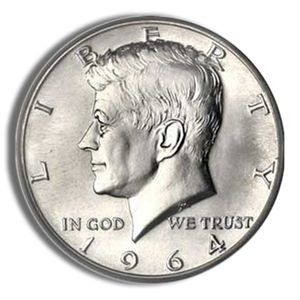
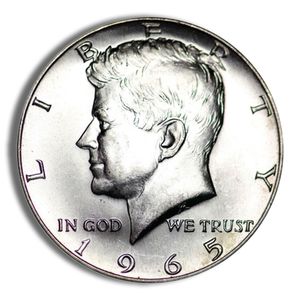
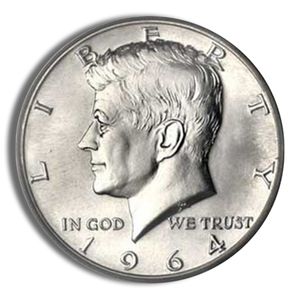
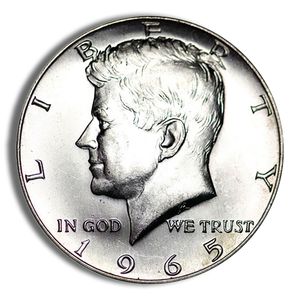
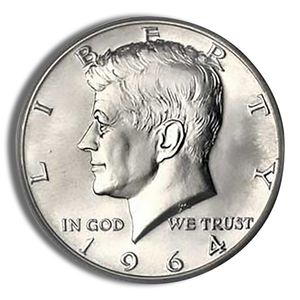
The Coinage Act of 1965 marked the pivotal shift. Rising silver prices made the metal content of circulating coins worth more than their face value, prompting Congress to eliminate silver from dimes and quarters entirely and reduce the silver content of half dollars to 40%. Kennedy half dollars, introduced in 1964 following President Kennedy's assassination, were struck in 90% silver only for that first year before transitioning to the 40% clad-silver composition from 1965 through 1969. In 1971, silver was removed from the half dollar entirely. War nickels represent a separate wartime decision, driven by the need to conserve nickel for military use rather than by silver economics.
Once silver was removed from circulation, pre-1965 coins were quickly hoarded and removed from everyday commerce. They've traded as a commodity-linked product ever since, with pricing tied directly to spot silver. The market for these coins is well-established among dealers, wholesalers, and individual buyers, supported by decades of consistent trading volume and transparent industry pricing benchmarks.
Purity, Weight, and Specifications
The 90% silver coins in our catalog contain 0.715 troy ounces of silver per $1 of face value in average circulated condition, a figure derived from the known silver content per coin minus a small allowance for wear. Proof and BU issues sometimes carry a slightly higher content figure of approximately 0.7234 troy ounces per $1 face value since they haven't experienced the weight loss associated with circulation. Each coin's individual silver content is fixed by its denomination: a dime contains approximately 0.07234 troy ounces, a quarter approximately 0.1808 troy ounces, and a half dollar approximately 0.3617 troy ounces when in uncirculated condition.
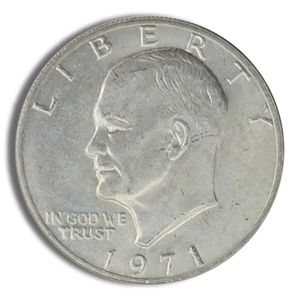
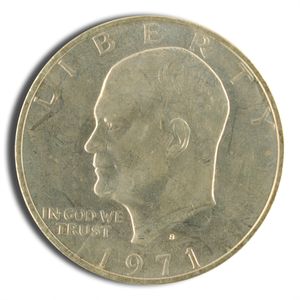
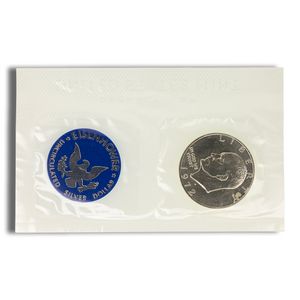
Kennedy half dollars from 1965 to 1969 carry a 40% silver composition with a copper core, yielding approximately 0.1479 troy ounces per coin or 0.295 troy ounces per $1 face value. Eisenhower dollars struck in this period with 40% silver content contain approximately 0.3161 troy ounces per coin. War nickels, at 35% silver, weigh 5 grams each and contain approximately 0.05626 troy ounces of silver, making them the smallest silver unit in the junk silver universe by content. Diameter and thickness specifications vary by denomination and are listed on individual product pages for buyers who need precise measurements for storage or handling planning.
Purity levels are inherent to the coin's composition rather than stamped as an assay mark, since these are government-issued coins with known, legally mandated specifications. No additional assay card or certificate is typically associated with junk silver. The U.S. Mint's production standards serve as the baseline for purity verification, and the coins' legal tender status means their composition has already been established by federal law.
Available Brands, Mints, and Product Variations
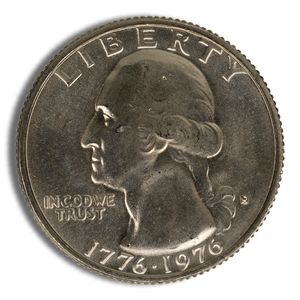
All junk silver coins in our catalog were produced by the United States Mint at various facilities, with mint marks from Philadelphia, Denver, and San Francisco appearing across different coin types and years. Products are listed as random year unless a specific year is designated, such as the 1964 Kennedy half dollar or the 1976 Bicentennial quarter struck at San Francisco in 40% silver for collector sets.
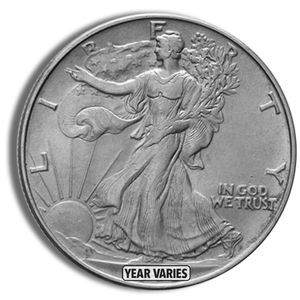
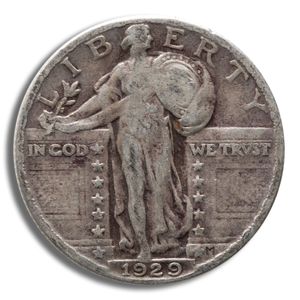
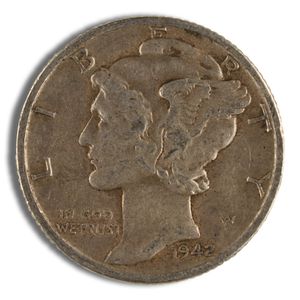
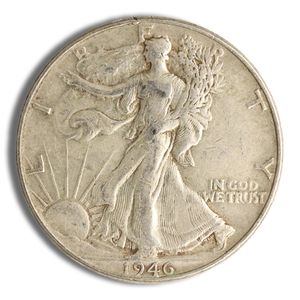
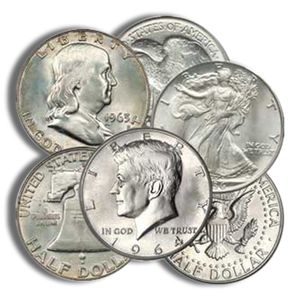
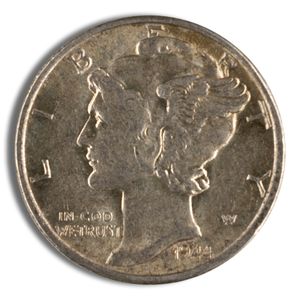
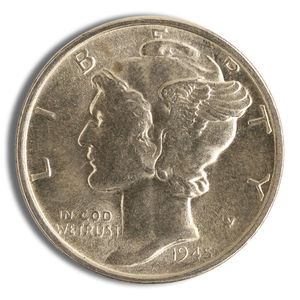
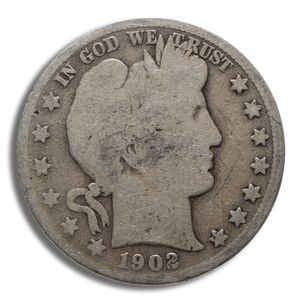
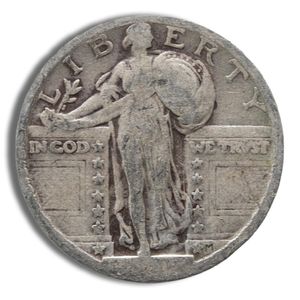
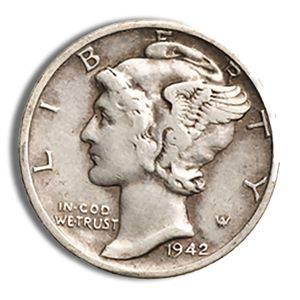
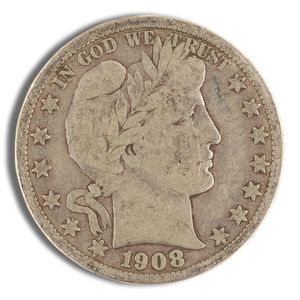
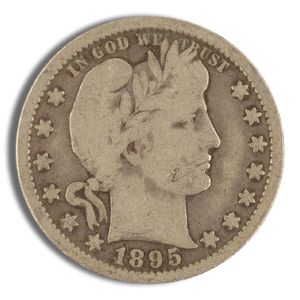
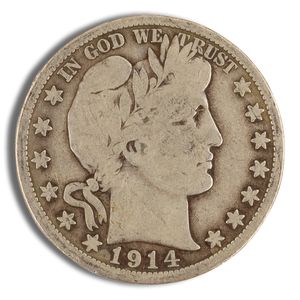
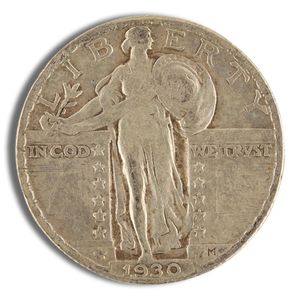
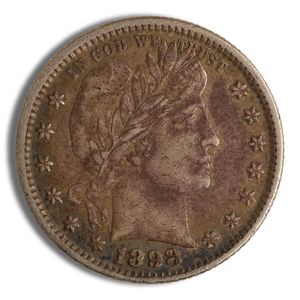
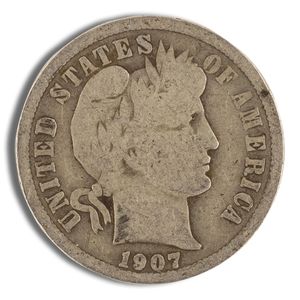
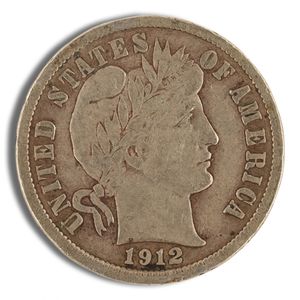
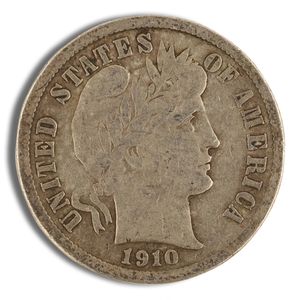
The range of coin types is broad. Barber dimes, Barber quarters, and Barber halves represent the 1892 through 1916 design era, available across multiple grade levels from average circulated through XF. Mercury dimes, produced from 1916 through 1945, are available in circulated, AU, XF, and BU grades. Standing Liberty quarters from the 1916 through 1930 period are offered with distinctions for full date, partially worn date, and fully worn date, which matters to buyers who prioritize collectibility alongside silver content. Walking Liberty half dollars, Franklin half dollars, and Roosevelt dimes round out the 90% silver series, while 40% silver Eisenhower dollars and Kennedy halves represent the later clad-silver era. War nickels round out the 35% silver portion of the catalog.
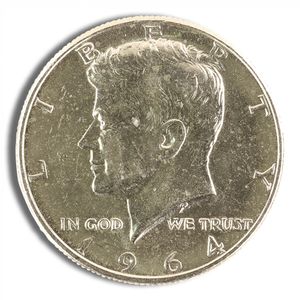
Several products are also available in proof finish, including the 1964 Kennedy half dollar proof, proof Roosevelt dimes from 1946 through 1964, proof Washington quarters from 1932 through 1964, and proof Franklin half dollars. The 40% silver 1776-1976 Bicentennial quarter is also offered in BU or proof finish, having been struck specifically for collector sets rather than general circulation.
Pricing, Premiums, and Market Factors
Junk silver coins are priced with reference to the spot price of silver and the established silver content per $1 of face value. The premium over spot for 90% silver tends to be among the lowest in the retail silver market, reflecting the product's commodity-like nature, broad recognition, and high available supply. That said, premiums do fluctuate based on market conditions, wholesale supply levels, and demand patterns at any given time.
Grade plays a meaningful role in pricing differentials within the same coin type. Average circulated or cull-grade coins carry tighter premiums, while AU, BU, and proof examples command higher prices reflecting their condition and collector crossover appeal. Specific dates, particularly key dates within series like the Barber or Standing Liberty families, can trade at numismatic premiums that fall outside normal junk silver pricing and are typically not included in bulk face value lots. Products in our catalog are priced based on their stated grade and condition without overstating collector value.
Bullion Standard displays bid/ask spreads directly on each product page, giving buyers a clear view of both the acquisition cost and the current buyback price before completing a purchase. This reflects our broader commitment to pricing transparency and allows buyers to evaluate the full cost of ownership rather than focusing only on the ask price. Spread width varies by product type and market conditions, with more liquid products like generic 90% silver lots typically showing tighter spreads than lower-volume items.
Condition, Packaging, and What to Expect
Junk silver coins are not sold in sealed mint packaging. Most arrive loose, sorted by denomination or coin type, without individual holders or presentation cases. Average circulated coins will show visible wear consistent with general circulation, which is entirely normal and expected. Dates may be partially or fully worn on some issues, such as Standing Liberty quarters, where that characteristic is noted directly in the product listing. Cull-grade coins may include pieces with heavier wear, light cleaning marks, or minor damage that doesn't affect silver content.
BU and AU examples are handled with more care and are typically shipped in protective packaging to prevent contact damage, but they're still considered raw coins rather than slabbed or certified pieces unless specifically noted. Proof coins will show evidence of their original mirror-like fields and frosted design elements, though many older proof junk silver pieces have been removed from their original sets and may show light handling.
Random year products will ship with whatever date or dates are available from current inventory, and buyers should not expect specific years unless the listing explicitly identifies a particular year. Quantities are expressed in $1 face value increments, so a purchase of $10 face value in Roosevelt dimes, for example, would include 100 individual dimes. Coin counts are listed on individual product pages for clarity.
Authenticity and Verification
U.S. government-issued silver coins carry inherent authenticity assurance tied to their federal production standards and legally mandated compositions. The United States Mint has maintained rigorous quality control standards throughout the history of silver coinage, and the design features, weight tolerances, and die characteristics of these coins are well-documented by numismatic reference organizations including the American Numismatic Association.
Experienced dealers verify authenticity through a combination of weight checks, dimensional measurements, and visual inspection of design elements. Counterfeit U.S. silver coins do exist in the market, particularly for key dates and higher-value pieces, but the most common junk silver denominations are generally easier to verify than high-premium collector coins or large bars. Specific gravity testing and basic electromagnetic slide tests can help confirm silver content for buyers who want additional verification tools at home.
Bullion Standard inspects all incoming inventory for authenticity and conformity to stated specifications before products are listed or shipped. Our sourcing comes from established wholesale channels, estate collections, and dealer networks with traceable provenance. As an A rated Better Business Bureau member and a dealer affiliated with both the American Numismatic Association and the National Coin and Bullion Association, we maintain sourcing and verification standards consistent with recognized industry best practices.
Liquidity and Resale Considerations
Junk silver ranks among the most liquid products in the physical silver market precisely because it's universally recognized, easily verifiable, and available in small, divisible units. Coin dealers, precious metals exchanges, pawn shops, estate buyers, and private collectors all have established familiarity with pre-1965 silver coinage. This broad base of potential buyers and sellers means that finding a market for these coins is generally more straightforward than for specialty bullion products or less common formats.
Products priced closer to melt value, such as average circulated 90% silver lots, tend to resell more predictably within tight bands around the prevailing silver spot price. Higher-grade or proof examples carry more pricing variability depending on condition, specific date, and the balance between bullion buyers and numismatic collectors active in the market at any given time. Maintaining original condition and avoiding cleaning or polishing helps preserve resale value across all grade levels.
Because junk silver doesn't carry issuer-specific packaging or assay cards, there's no packaging premium to lose during resale. The coin's condition at the time of sale is the primary variable influencing pricing beyond silver content, making these products relatively straightforward to evaluate and transact in secondary market settings.
Storage and Security
Loose junk silver coins are typically stored in canvas bags, plastic tubes, or coin boxes sorted by denomination. The traditional "junk silver bag" containing $1,000 face value in 90% silver coins has been a standard industry storage format for decades, but smaller quantities are equally easy to manage. Plastic tubes designed for specific coin diameters offer a compact, stackable option that keeps coins from rubbing against each other excessively.
Silver is susceptible to toning and tarnish when exposed to air, humidity, and sulfur compounds over time. While toning doesn't affect the silver content of circulated coins, it can reduce the visual appeal of BU or proof pieces and may influence resale pricing for condition-sensitive buyers. Storing silver in airtight containers with desiccant packets and keeping them away from rubber, paper, and other sulfur-containing materials will help preserve their appearance.
For larger holdings, a quality home safe rated for fire and theft resistance provides a reasonable baseline of security. Third-party vault storage through a professional precious metals custodian offers an alternative for buyers who prefer institutional-level security and insurance coverage without occupying home storage space. Whichever approach you choose, keeping an accurate inventory of your holdings by denomination, type, and face value simplifies management over time.
Selling and Buyback Options
Selling junk silver back into the market is generally a straightforward process given the product type's broad recognition and commodity pricing structure. Bullion Standard maintains an active buyback program covering the coin types listed in our catalog, with pricing tied directly to real-time silver spot values and current wholesale market conditions. Buyers interested in selling can request a quote through our platform, and pricing is determined by coin type, stated grade, face value quantity, and current bid-side market conditions.
Condition and packaging expectations at the time of sale matter. Coins represented as BU or AU at the time of purchase should arrive in equivalent condition to receive the corresponding buyback pricing tier. Average circulated lots are evaluated based on silver content per face value rather than individual coin grades, which simplifies the process for bulk transactions. Heavily damaged or cleaned coins may be reclassified into cull pricing tiers during inspection.
Our two-way market model means buyers can evaluate liquidity before making a purchase by reviewing the live bid price displayed on each product page. Rather than treating the sell side as an afterthought, Bullion Standard integrates buyback pricing into the product experience from the start, giving you a clearer picture of market conditions on both sides of the transaction.
Why Buy Junk Silver Coins (90%, 40%, & 35%)?
These coins offer one of the most direct entry points into physical silver ownership. Because they're priced primarily on silver content with minimal premium over spot, buyers get relatively efficient silver exposure without paying for elaborate packaging, collectible designs, or government legal tender premiums. The divisibility of small denominations like dimes and quarters also makes them practical for buyers who want flexibility in how they hold and eventually distribute their physical silver.
The historical and numismatic dimensions add an appeal that purely industrial silver products don't carry. Walking Liberty half dollars, Mercury dimes, Standing Liberty quarters, and Barber coinage are genuinely beautiful pieces of American minting history, and the fact that they also carry meaningful silver content makes them attractive to a wider range of buyers than standard rounds or generic bars. Proof examples, in particular, represent the U.S. Mint at its finest and can carry a degree of collector crossover value beyond pure silver pricing.
War nickels and 40% silver Kennedy halves occupy a unique position in the junk silver ecosystem, offering lower per-coin silver content with correspondingly lower individual prices. This makes them accessible entry points for buyers who want to accumulate silver in smaller increments or simply want to round out a diverse physical silver position with a range of coin types and eras.
Why Buy from Bullion Standard?
Bullion Standard has been operating as a precious metals marketplace since 2010, and the experience built over that time is reflected in how we structure pricing, sourcing, and customer support. Every product in our junk silver catalog is sourced through verified wholesale channels, inspected for authenticity and condition, and listed with accurate specifications. You're not relying on vague condition descriptions or approximate silver content figures. What's stated on the product page is what you receive.
Pricing transparency is a structural part of how we operate. Live bid and ask prices are displayed on each product page, and premiums reflect real market conditions rather than inflated retail markups. Our A BBB rating, ANA and NCBA membership, and status as an authorized PCGS and NGC dealer reflect the operational standards we've maintained since our founding. Customers can purchase using a wide range of payment methods including Visa, Mastercard, American Express, Discover, PayPal, bank-connected payments through Plaid, wire transfer, paper check, and cryptocurrency through BitPay.
Customer service and reliable fulfillment complete the picture. We understand that buying physical silver requires trust in the dealer relationship, and we've built Bullion Standard around the principle that trust is earned through consistency, honesty, and follow-through rather than promotional language. Our buyback program, transparent spread disclosure, and two-way market structure reflect that philosophy in practical terms.
Get Near-Spot Pricing with Bullion Standard Pro
Bullion Standard Pro is designed for buyers who want to transact as close to wholesale market pricing as possible. Members access live, executable wholesale bid and ask prices across our product catalog, including junk silver coin lots, without the additional dealer markups applied in standard retail pricing structures. Premiums and spreads on Pro reflect actual wholesale supply and demand conditions, which means they move naturally with the market rather than being fixed at a static retail level.
For buyers accumulating junk silver in meaningful quantities, the pricing difference between standard retail and near-wholesale execution can be significant over time. Pro members also gain access to real-time portfolio valuation based on live wholesale bid pricing, giving a more accurate picture of current liquidation value than retail-estimated figures. Historical premium analytics, spread tightness comparisons, liquidity metrics, and proprietary market intelligence tools are also available to help members evaluate which products represent the most efficient entry points at any given time.
The platform is built around the conviction that physical precious metals buyers deserve access to the same quality of market information available in other financial markets. Junk silver, with its commodity-like pricing and high trading volume, is particularly well-suited to this kind of data-informed approach. Bullion Standard Pro makes that level of market visibility practical for serious buyers without requiring institutional resources to access it.

 (833) 278-4653