1 oz Gold Coins | Bullion Standard
Buy 1 oz Gold Coins Online
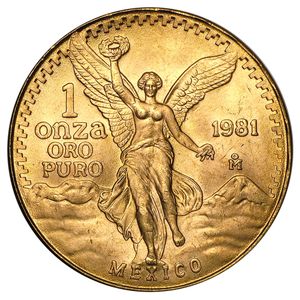
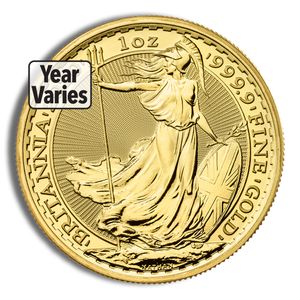
Our catalog of 1 oz gold coins covers the full range of what the modern bullion market has to offer. You'll find government-issued coins from the United States Mint, the Royal Canadian Mint, the Perth Mint, the Austrian Mint, the South African Mint, the Royal Mint of Great Britain, the China Mint, the Mexican Mint, and more, spanning everything from the widely traded American Gold Eagle and Canadian Gold Maple Leaf to internationally recognized coins like the Gold Krugerrand, Gold Philharmonic, Gold Kangaroo, Gold Panda, and Gold Libertad.
The selection includes bullion-grade coins in brilliant uncirculated condition, certified coins graded by NGC and PCGS, proof and burnished collector issues, impaired and cull-grade coins available at reduced premiums, random year offerings, and specific-year coins across several decades. Packaging formats range from individual coins to mint-sealed tubes, assay cards, and original government boxes with certificates of authenticity.
Bullion Standard is structured as a transparent, two-way marketplace, meaning you can both purchase and sell 1 oz gold coins within the same platform. Pricing reflects real-time market conditions, and each product page displays both bid and ask pricing so you can evaluate the full cost of ownership before making a decision.
What Are 1 oz Gold Coins?
A 1 oz gold coin contains exactly one troy ounce of gold, though the total weight of the coin itself may be slightly higher depending on its purity and alloy composition. The troy ounce, which equals approximately 31.1 grams, is the universal weight standard used throughout the precious metals industry. Gold coins at this weight represent the most commonly traded denomination in the bullion market and are recognized by dealers and institutions worldwide.
Most 1 oz gold coins are issued by sovereign governments and carry legal tender status in their country of origin, even if their face value is symbolic relative to their actual gold content. This government backing distinguishes bullion coins from privately minted rounds and contributes to their wide recognition and market liquidity. Buyers typically choose the one-ounce format for its balance of accessibility, standardization, and broad market acceptance.
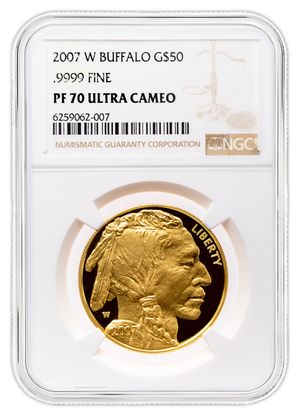
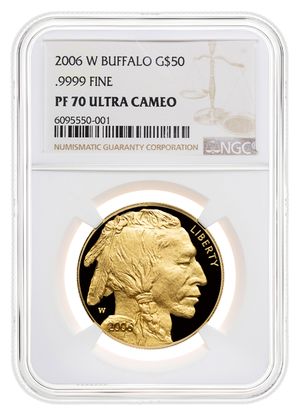
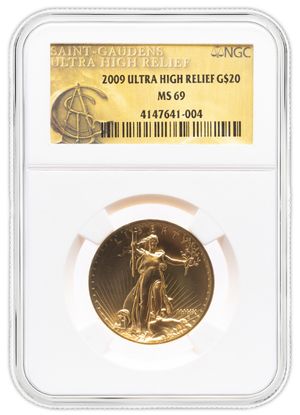
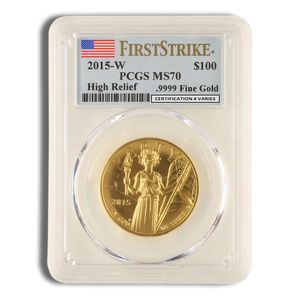
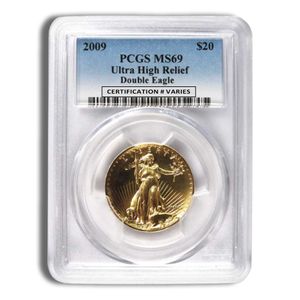
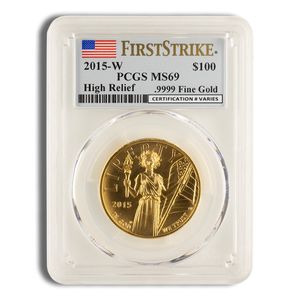
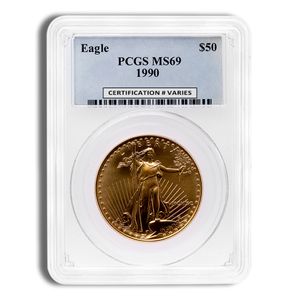
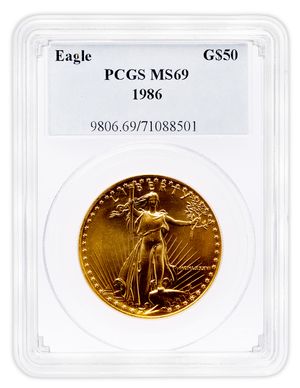
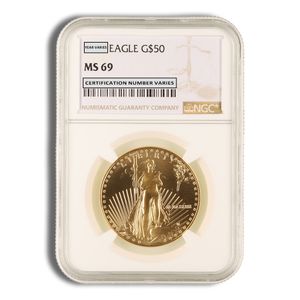
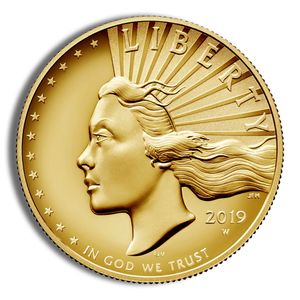
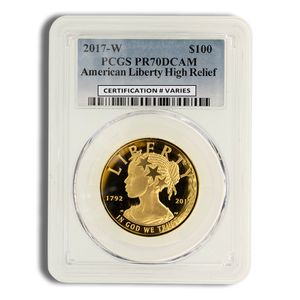
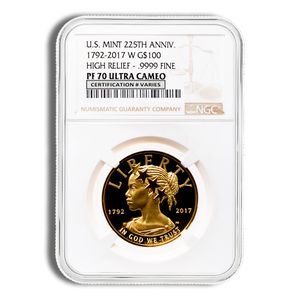
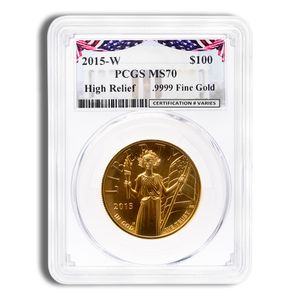
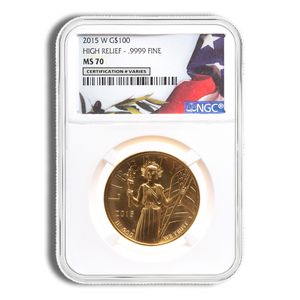
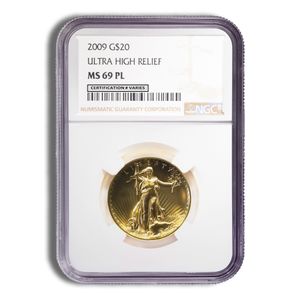
Within this format, there's meaningful variation. Bullion coins are produced for everyday precious metals transactions and carry modest premiums above spot. Proof coins are struck to higher standards, with polished dies and frosted designs, and typically come in presentation packaging. Burnished coins occupy a middle ground, with a distinct matte finish applied during production. Certified coins have been submitted to third-party grading services such as NGC or PCGS, encapsulated in tamper-evident holders with an assigned grade, and tend to carry additional premiums depending on the coin's year, grade, and rarity.
History and Background
The modern 1 oz gold bullion coin market traces its roots to South Africa's introduction of the Krugerrand in 1967. Minted by the South African Mint and distributed globally, the Krugerrand was the first coin specifically designed to allow private ownership of gold in a convenient, standardized format. Struck in 22-karat gold with a 0.9167 purity and alloyed with copper to improve durability, it became the dominant gold coin in the world through the 1970s and early 1980s before political pressures led to import restrictions in many Western countries.
The gap created by those restrictions led to the development of several now-iconic programs. The United States Mint launched the American Gold Eagle in 1986, also struck in 22-karat gold but with an added silver alloy. Canada responded with the Gold Maple Leaf, introduced in 1979 and struck to a higher 0.9999 purity that quickly became a benchmark in the industry. Australia's Perth Mint entered the market with the Gold Nugget, later rebranded as the Gold Kangaroo, followed by the Austrian Mint's Gold Philharmonic in 1989. Each of these programs was designed to compete with the Krugerrand while introducing their own design traditions and purity standards.
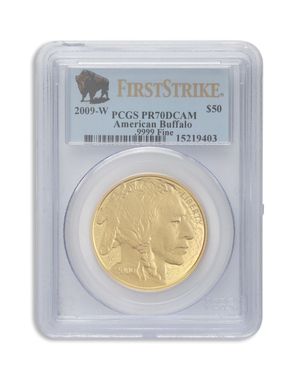
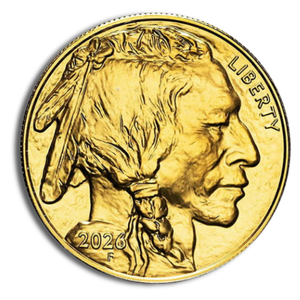
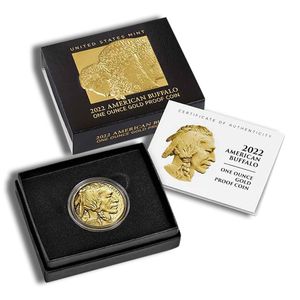
Through the 1990s and 2000s, the market expanded further with collector-focused programs like Australia's Lunar Series, which began in 1996 with the Perth Mint and has since run through multiple 12-year zodiac cycles. The U.S. Mint introduced the Gold Buffalo in 2006, the first 24-karat (.9999 fine) gold coin produced by the United States government. Today, the catalog of available 1 oz gold coins reflects decades of mint program development across multiple countries, each with its own design language, purity standard, and collector following.
Purity, Weight, and Specifications
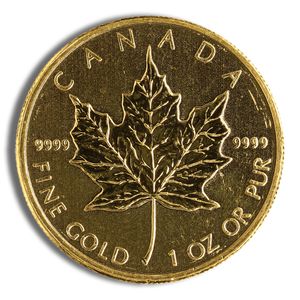
The standard purity for 1 oz gold bullion coins varies by mint and program. The most common standard in the modern market is .9999 fine gold, used by the Canadian Gold Maple Leaf, Austrian Gold Philharmonic, Australian Gold Kangaroo, British Gold Britannia (post-2013), American Gold Buffalo, Somalian Gold Elephant, and others. A subset of coins in our catalog carries an even higher purity of .99999 fine, which is notably found in certain Canadian Maple Leaf issues produced under special assay programs.
Not all gold bullion coins are struck to .9999 fineness. The American Gold Eagle and British Gold Britannia (pre-2013) are struck in 22-karat gold at .9167 purity, which means they contain one full troy ounce of gold but the coin itself weighs slightly more due to the copper and silver alloy added for durability. The South African Gold Krugerrand uses the same 22-karat alloy. The Mexican Gold Libertad has appeared at multiple purity levels across different production runs, including .9 fine for early issues and .999 fine for more recent strikes.
Dimensions vary by coin. The Gold Eagle measures 32.7mm in diameter and 2.87mm in thickness, while the Maple Leaf is slightly smaller at 30mm diameter. The Austrian Philharmonic is notably larger at 37mm in diameter, and the Gold Panda is struck on a 32.05mm planchet. These physical differences matter for collectors and for choosing appropriate storage solutions such as capsules, tubes, and coin holders.
Available Brands, Mints, and Product Variations
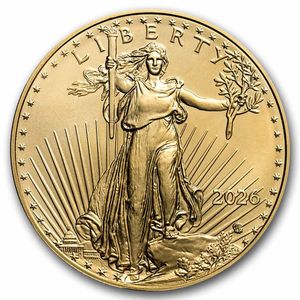
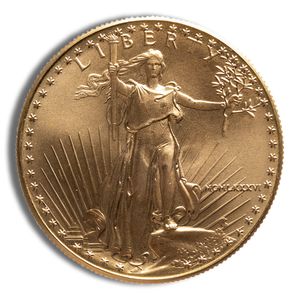
The United States Mint produces two flagship 1 oz gold coin programs: the American Gold Eagle and the American Gold Buffalo. The Eagle has been struck continuously since 1986 and is available in bullion, proof, and burnished formats. Our catalog includes raw bullion Eagles in brilliant uncirculated condition, certified examples graded MS69 by both NGC and PCGS spanning years from 1986 through the present, proof issues from 1986-W through the 2000s with original box and certificate of authenticity, and cull-grade Eagles priced for buyers prioritizing gold content over cosmetic condition.
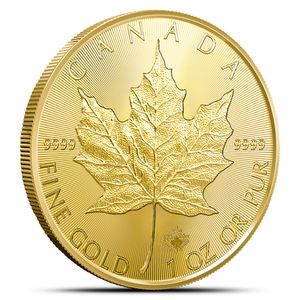
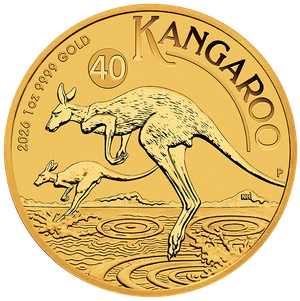
The Royal Canadian Mint offers the Gold Maple Leaf in both .9999 and .99999 fine versions, including random year bullion coins in brilliant uncirculated condition and special issues sealed in assay cards that verify weight and purity. The Perth Mint in Australia offers the Gold Kangaroo (and earlier Gold Nugget) for standard bullion purchases alongside an extensive Lunar Series coin program running from the 1996 Series I Rat through the 2008 Series II Mouse and beyond. The Austrian Mint's Gold Philharmonic is available in both bullion and impaired condition. The South African Mint's Gold Krugerrand appears in BU and cull condition. The Royal Mint of Great Britain's Gold Britannia is split between pre-2013 issues at .9167 purity and post-2013 issues at .9999 purity, both available in our catalog.
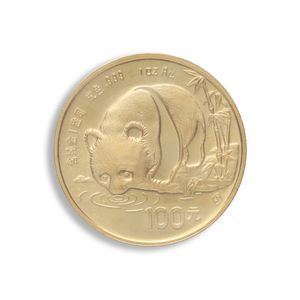
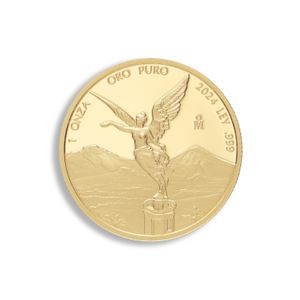
Additional programs include the China Mint's Gold Panda, available in sealed and unsealed packaging with random year designation, the Mexican Mint's Gold Libertad in both random year and specific year formats, and the Somalian African Wildlife Elephant struck by the Bavarian State Mint. Certified coins with NGC or PCGS holders, collector proof issues, burnished strikes, and WTC Ground Zero provenance labels represent further variation within the catalog, making this one of the most diverse selections of 1 oz gold coins available from a single dealer.
Pricing, Premiums, and Market Factors
The price of any 1 oz gold coin is anchored to the spot price of gold, which represents the current market value of one troy ounce of gold traded on international exchanges. The premium above spot reflects the cost of minting, distribution, dealer overhead, and market demand for a given product. Premiums are not fixed; they fluctuate based on supply availability, collector demand, mint production volumes, and broader market conditions.
Among bullion-grade coins, standard random year issues from high-volume programs like the American Gold Eagle, Canadian Maple Leaf, and Austrian Philharmonic tend to carry tighter premiums because of their consistent supply and broad market recognition. Proof coins, burnished strikes, and specific low-mintage years typically carry higher premiums reflecting their production costs and collector appeal. Cull and impaired coins are available at discounted premiums for buyers who prioritize metal content over cosmetic presentation.
Bullion Standard's pricing structure is built around transparency. Each product page displays both the current ask price and the current bid price, giving buyers a complete view of the bid/ask spread before committing to a purchase. This two-sided pricing model reflects our belief that understanding resale value is as important as understanding the acquisition cost. Buyers using Bullion Standard Pro gain access to live executable wholesale bid and ask pricing, where premiums and spreads reflect real-time wholesale market conditions rather than fixed retail markups.
Condition, Packaging, and What to Expect
Brilliant uncirculated coins are struck for bullion distribution rather than collector presentation and may show minor contact marks or handling variations consistent with their production and packaging process. This is normal and does not indicate a defect. Random year products are fulfilled from available inventory and the specific year received may vary from what is pictured. If year matters for a purchase, specific-year listings are available throughout the catalog.
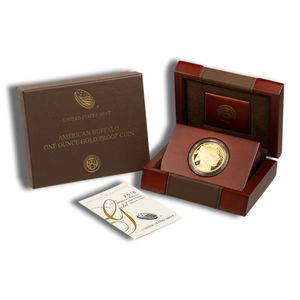
Many coins ship in their original mint packaging. Tubes typically hold 10 or 20 coins depending on the program, and sealed mint tubes are shipped intact. Coins from the Maple Leaf assay card program arrive in their original sealed assay packaging verifying authenticity, weight, and purity. Proof coins and burnished collector issues from the U.S. Mint come in their original government-issued presentation box with certificate of authenticity unless the listing specifies otherwise.
Cull and impaired condition coins are sold with the explicit understanding that they may exhibit scratches, contact marks, cleaning, or other cosmetic impairments. These coins contain the same gold content as bullion-grade examples but are priced accordingly. Certified coins in NGC or PCGS holders ship in their tamper-evident slabs, and the assigned grade is listed on each product page.
Authenticity and Verification
Every 1 oz gold coin sold by Bullion Standard is sourced from authorized mints, licensed distributors, and reputable wholesale suppliers. All products are verified for authenticity, weight, and purity before being made available for purchase. We do not list products that have not passed our internal authentication and condition review process.
Government-issued bullion coins carry inherent anti-counterfeiting features built into their production. The Canadian Maple Leaf incorporates micro-engraved radial lines and a laser-etched security mark that changes when viewed at different angles. The U.S. Mint applies similar production controls to the Gold Eagle and Gold Buffalo programs. Perth Mint coins benefit from the mint's certification infrastructure, and many are available in assay-sealed packaging that provides an additional layer of third-party verification.
Coins graded by NGC and PCGS have been independently authenticated and encapsulated by the numismatic industry's two leading third-party grading services. Bullion Standard is an authorized dealer for both NGC and PCGS. For ungraded coins, professional verification tools including electronic testing and precise weight measurement are part of our sourcing and intake process. Buyers who have concerns about a specific product can reach our customer service team for additional documentation or guidance.
Liquidity and Resale Considerations
Widely recognized government-issued gold coins are among the most liquid products in the physical precious metals market. Programs like the American Gold Eagle, Canadian Gold Maple Leaf, South African Krugerrand, Austrian Philharmonic, and Australian Gold Kangaroo are traded globally through dealer networks, exchanges, and private markets. Their consistent specifications and long production histories make them familiar to buyers and sellers worldwide, which supports efficient price discovery at the point of resale.
Liquidity tends to correlate with standardization and recognition. Random year bullion coins from major programs are generally the most liquid, as they trade primarily on their gold content and are not dependent on year-specific demand. Specific low-mintage years, proof coins, and certified examples can carry higher premiums in certain markets but may also attract a narrower pool of buyers at resale, which is worth considering before purchase.
Packaging condition affects resale expectations. Coins in original sealed tubes, assay cards, or government boxes may command a modest premium over loose coins when reselling to dealers or collectors. Cull and impaired coins trade at discounted levels relative to bullion-grade products and are best suited for buyers focused purely on acquiring gold content at a lower acquisition cost.
Storage and Security
Individual 1 oz gold coins should be stored in protective capsules to prevent contact marks and surface abrasion. Most certified coins already arrive in tamper-evident NGC or PCGS holders that provide physical protection. For uncertified coins, aftermarket capsules sized to the specific coin's diameter are widely available and recommended for long-term storage.
Mint-sealed tubes are an efficient storage format for multiple coins and should be kept sealed when possible to preserve the packaging's presentation value. Opened tubes can be stored in stackable tube holders or coin boxes designed for the specific tube size. For larger holdings, a home safe rated for fire and theft protection provides an accessible and secure solution. Humidity and temperature fluctuations are less of a concern with gold than with silver or copper-containing coins, but stable conditions are still preferable.
For buyers accumulating meaningful quantities, segregated vault storage through a third-party depository provides professional-grade security and insurance coverage without the logistical considerations of home storage. Many buyers use a combination of home storage for a portion of their holdings and vault storage for larger or higher-value pieces. The right approach depends on the quantity owned, individual risk tolerance, and storage cost preferences.
Selling and Buyback Options
Bullion Standard operates as a two-way market, meaning you can sell your 1 oz gold coins back into the same platform where you purchased them. Our purchasing team evaluates coins based on product type, mint of origin, condition, packaging, and current wholesale market conditions. Bid pricing is displayed live on each product page, giving sellers a clear view of expected resale value before initiating the process.
Coins from major government programs in standard bullion condition are typically the most straightforward to sell. Products arriving with original packaging, sealed tubes, or assay cards intact may benefit from stronger bids compared to loose or repackaged coins. Cull and impaired coins are also eligible for buyback but at reduced bid levels reflecting their condition. Certified coins graded by NGC or PCGS are evaluated based on the assigned grade, year, and current demand for that specific issue.
The selling process at Bullion Standard is designed to be direct and transparent. Once a sell order is confirmed at the current bid price, shipment instructions are provided and payment is processed upon receipt and verification of the coins. Our goal is to make the resale process as clear as the purchase process, so customers can evaluate both sides of the transaction from the outset rather than discovering resale conditions only after the fact.
Why Buy 1 oz Gold Coins?
The one-ounce format strikes a practical balance across several dimensions that matter to buyers in the physical gold market. At a single troy ounce, these coins are large enough to minimize the premium-per-ounce relative to fractional sizes while remaining small enough to be handled, stored, and transacted individually without special equipment or infrastructure. That combination of accessibility and efficiency makes the one-ounce format the most actively traded denomination in the global bullion coin market.
Government-issued coins in this format carry an added layer of credibility that privately minted products do not. Legal tender status, recognizable designs, consistent specifications, and decades of established distribution networks all contribute to the ease with which these coins change hands across dealer networks and secondary markets. Buyers who prioritize confidence in the recognition of what they own tend to gravitate toward established programs from sovereign mints.
The diversity of available programs is also meaningful. Different coins carry different purity levels, design traditions, and packaging formats, allowing buyers to focus on specific programs based on their priorities, whether that's the collector appeal of an annual Lunar Series coin, the premium efficiency of a standard bullion Eagle or Maple Leaf, or the historic significance of a specific-year proof from the early years of a program.
Why Buy from Bullion Standard?
Bullion Standard has been operating as a precious metals marketplace since 2010, and our focus on pricing transparency and customer trust has shaped how we've built the platform over that time. We don't operate on a high-pressure sales model. Our pricing is displayed clearly, bid and ask spreads are visible on every product page, and the information needed to evaluate a purchase is available before you commit.
Every product in our catalog has been sourced from authorized channels and verified for authenticity, weight, and purity. We are an authorized dealer for both NGC and PCGS, a member of the American Numismatic Association and the National Coin and Bullion Association, and we maintain an A rating with the Better Business Bureau. These aren't incidental credentials; they reflect a sourcing and authentication process that buyers can rely on.
Our checkout supports a wide range of payment methods, including Visa, Mastercard, American Express, Discover, PayPal, Plaid-connected bank payments, wire transfer, paper check, and cryptocurrency through BitPay. Fulfillment is handled with attention to packaging integrity and security. And because we operate as a two-way market, the relationship doesn't end at the point of purchase. When you're ready to sell, the same transparent pricing structure applies on the buyback side.
Get Near-Spot Pricing with Bullion Standard Pro
Bullion Standard Pro is designed for buyers who want direct access to wholesale market pricing rather than standard retail markups. Members transact at live, executable wholesale bid and ask prices that reflect real-time supply and demand across the precious metals market. There are no additional dealer spreads layered on top of those prices, which means the premiums and spreads members see are driven by actual market conditions rather than fixed retail pricing structures.
For buyers who purchase 1 oz gold coins with any regularity, the pricing efficiency available through Pro can be meaningful over time. Tighter spreads reduce the gap between what you pay to acquire and what you'd receive to sell, which is a more complete measure of cost than the acquisition premium alone. Pro members can also view live portfolio valuations based on wholesale bid pricing rather than estimated retail values, giving a more accurate picture of current liquidation value.
Beyond pricing, Bullion Standard Pro provides access to proprietary market intelligence tools that are difficult to find in a single platform elsewhere. Historical premium analysis, premium percentile rankings, spread analysis, liquidity metrics, buy/sell ratio indicators, and wholesale market activity data give members the ability to evaluate products using objective, data-driven criteria rather than marketing claims. For buyers who want to understand the market they're participating in rather than simply executing transactions, Pro is built around that purpose.

 (833) 278-4653