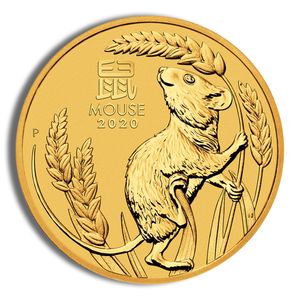
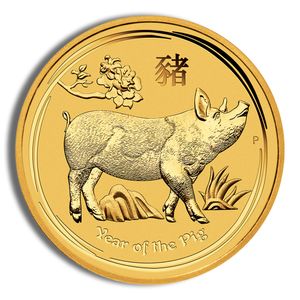
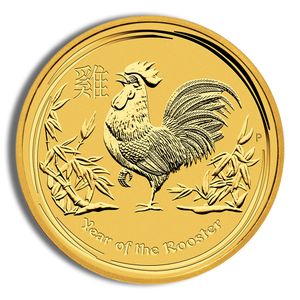
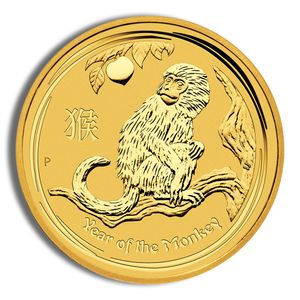
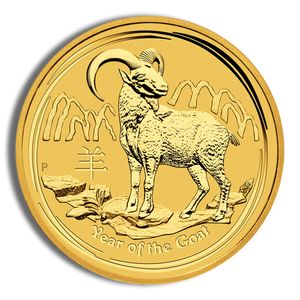
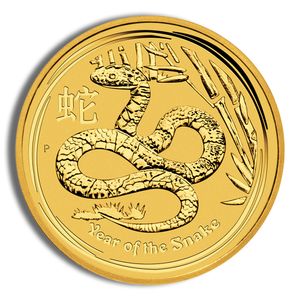
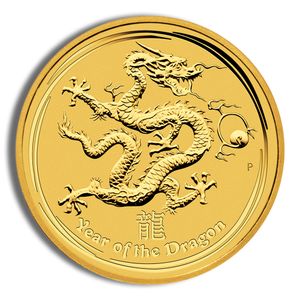
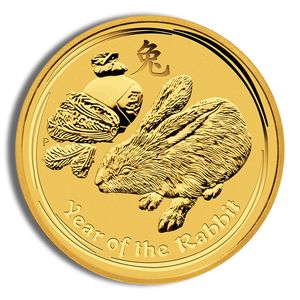
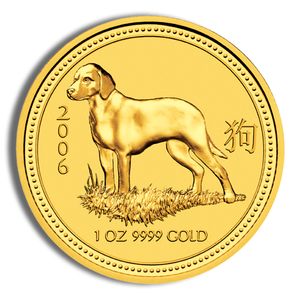
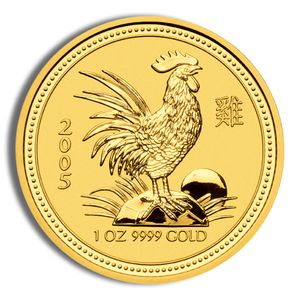
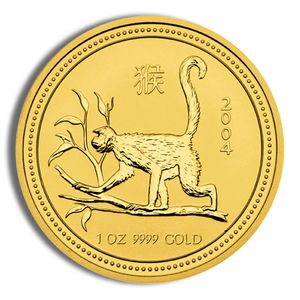
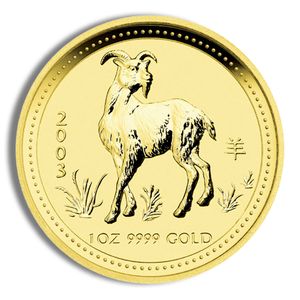
Buy Gold Lunar Series Coins Online
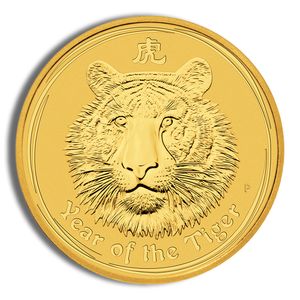
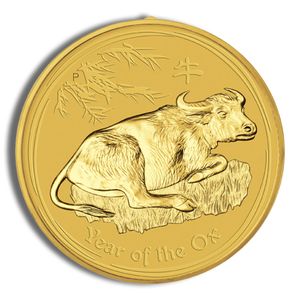
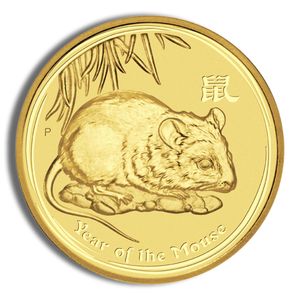
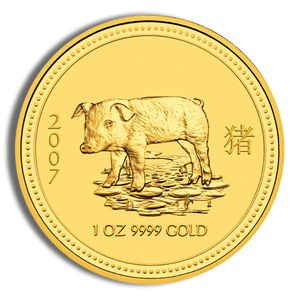
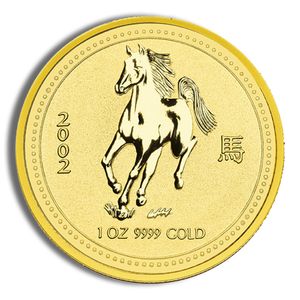
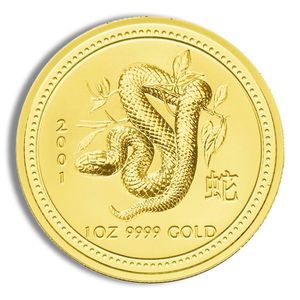
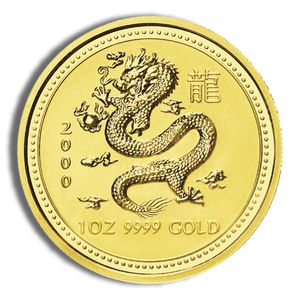
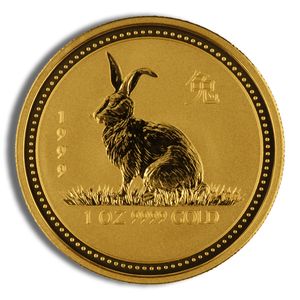
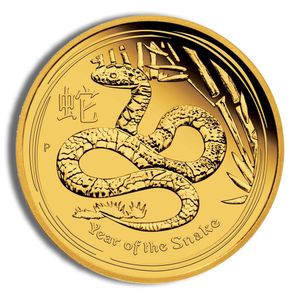
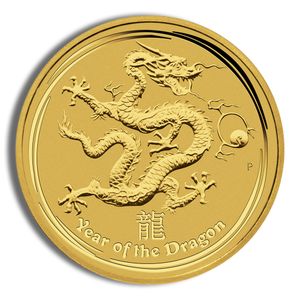
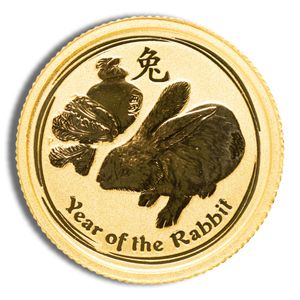
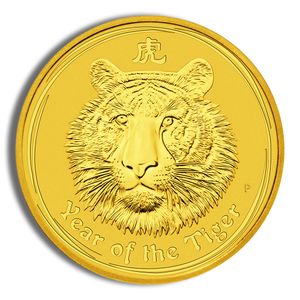
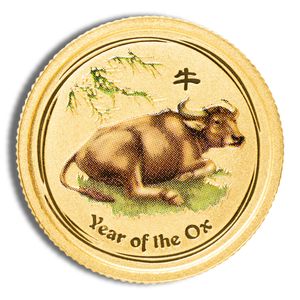
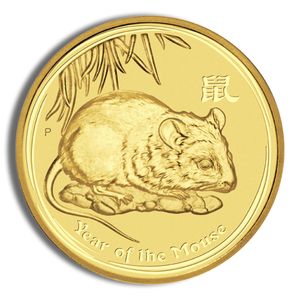
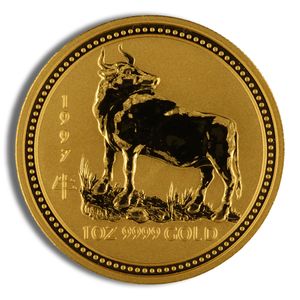
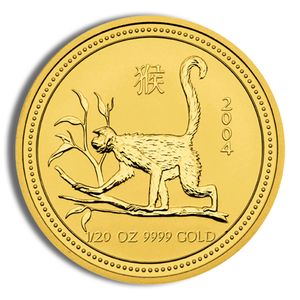
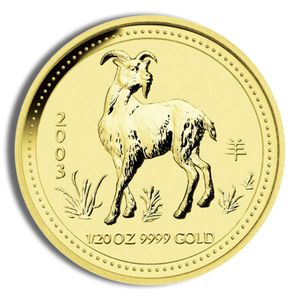
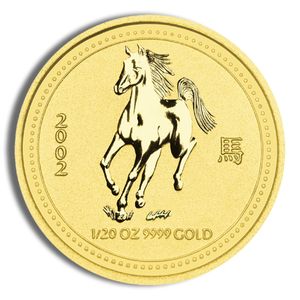
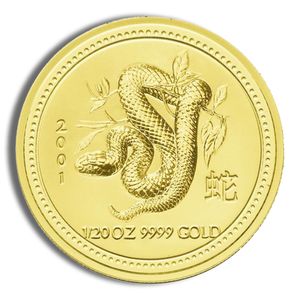
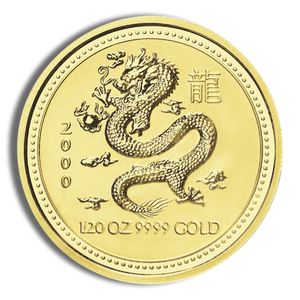
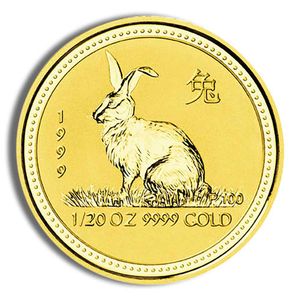
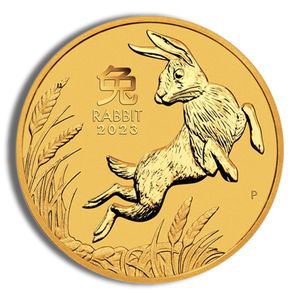
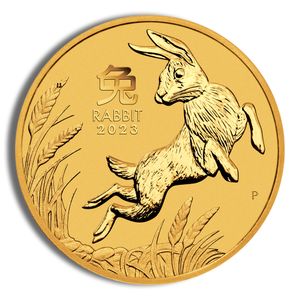
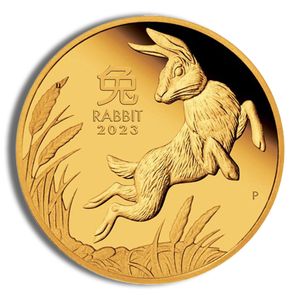
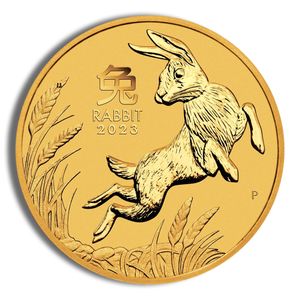
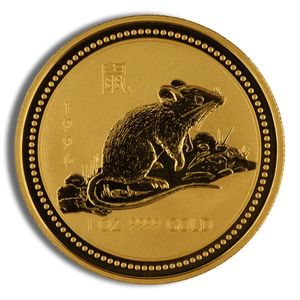
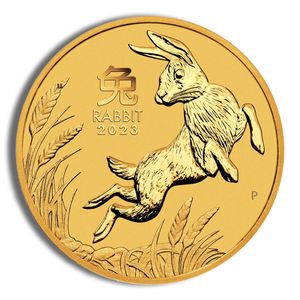
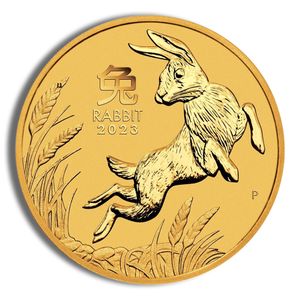
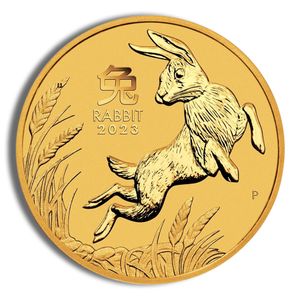
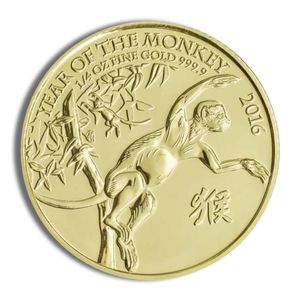
Our catalog of gold lunar series coins spans both Series I and Series II releases from The Perth Mint, covering the complete twelve-year cycle of the Chinese zodiac across multiple denominations. From the 1996 Rat to the 2014 Horse, these coins are available in fractional sizes including 1/20 oz, 1/10 oz, 1/4 oz, 1/2 oz, and 1 oz, alongside larger 2 oz releases that appear across the later years of both series. Each coin is struck in .9999 fine gold and carries the Brilliant Uncirculated designation for the majority of available dates.
The breadth of this catalog makes it possible to build a coherent date run, assemble a complete zodiac set, or simply acquire individual issues in the weight that fits your goals. Bullion Standard sources these coins through verified channels and prices them transparently relative to current spot conditions, with bid and ask pricing visible on each product page so you can evaluate the full cost of ownership before committing.
Whether you're completing a collection or simply looking for a recognized government-issue gold coin with broad market familiarity, the selection here reflects genuine depth across years, denominations, and series. Every listing reflects real inventory priced against live market conditions rather than static retail markups.
What Are Gold Lunar Series Coins?
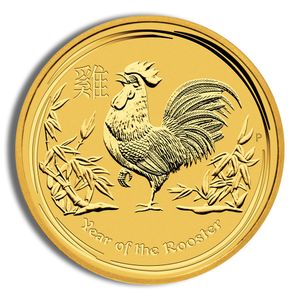
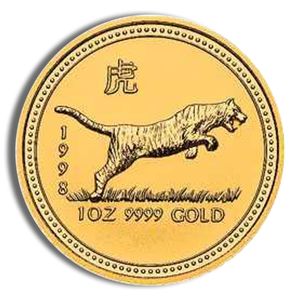
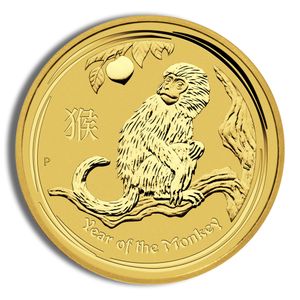
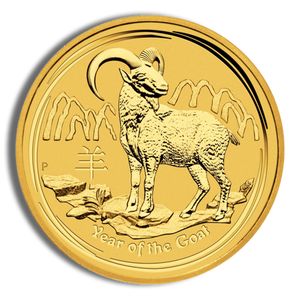
Gold lunar series coins are government-issued bullion coins produced by The Perth Mint in Australia that feature a rotating design tied to the twelve animals of the Chinese lunar calendar. Each year within the series corresponds to a different zodiac animal, and a complete twelve-year cycle constitutes one full series. The Perth Mint has produced multiple series, with Series I running from 1996 through 2007 and Series II beginning in 2008 and continuing through 2019.
Unlike generic bullion bars or rounds, these coins carry legal tender status under Australian law, are backed by the Australian government, and are produced to the same exacting standards as other Perth Mint issues. The .9999 fine gold purity places them among the purest gold coins commercially available, and their multi-denomination structure gives buyers flexibility across budget ranges. The 1/20 oz and 1/10 oz fractional coins offer entry points at a fraction of the cost of the 1 oz issue, while the 2 oz versions cater to buyers who prefer larger individual pieces.
The dual nature of these coins as both bullion and collectibles is a defining characteristic. The annual design change creates a natural collecting cycle, and the finite mintage for each date and denomination adds a layer of scarcity that standard bullion coins without changing designs don't share. That combination of recognized purity, government backing, and design variety sets the lunar series apart within the broader gold coin market.
History and Background
The Perth Mint launched its gold lunar coin program in 1996 with the Year of the Rat, marking one of the earliest gold bullion programs in the world to systematically incorporate the Chinese zodiac as a thematic framework. The timing reflected a broader recognition within the global bullion market of growing demand from collectors and investors in Asia, particularly in China, Hong Kong, Singapore, and among diaspora communities worldwide. The program was an immediate commercial success and quickly established itself as the definitive lunar gold coin series in the international market.
Series I ran from 1996 through 2007 and featured a particular design aesthetic tied to its era, with a strong emphasis on classical depictions of each zodiac animal. When Series II launched in 2008 with the Year of the Mouse, The Perth Mint refreshed the design language while maintaining the core format and purity standards. The Series II coins introduced a more contemporary rendering of each animal and expanded the standard denomination lineup to include 1/2 oz issues more consistently across the range. The 2 oz format also became more widely distributed in the later years of Series I and throughout Series II.
Over the decades since launch, the Australian gold lunar series has earned a reputation as one of the most consistently produced and widely recognized annual gold coin programs in the world. Its longevity, the depth of its mintage history, and its strong secondary market presence have made it a fixture in both the collector community and among institutional bullion buyers who value recognizable formats with established market liquidity.
Purity, Weight, and Specifications
All gold lunar series coins in this catalog are struck in .9999 fine gold, which represents a purity level of 99.99 percent. This places them among the purest gold coins produced by any sovereign mint globally and distinguishes them from older government-issued coins such as the American Gold Eagle, which is struck in 22-karat (.9167 fine) gold. The .9999 purity is stamped directly on each coin along with the weight in troy ounces, the metal content, and the Perth Mint's "P" mint mark.
Denominations available across this catalog include 1/20 oz, 1/10 oz, 1/4 oz, 1/2 oz, 1 oz, and 2 oz. Each denomination corresponds to a specific Australian dollar face value, though the intrinsic gold content is what drives market pricing. Weights are measured in troy ounces, the standard unit of measure for precious metals globally, where one troy ounce equals approximately 31.1 grams. The 1 oz and 2 oz coins represent the largest single-piece gold holdings within this lineup, while the fractional issues allow for more granular accumulation or gifting.
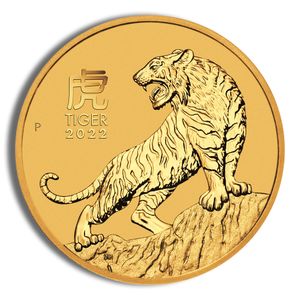
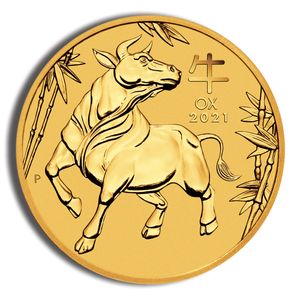
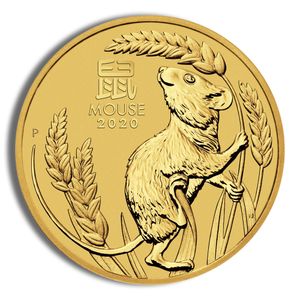
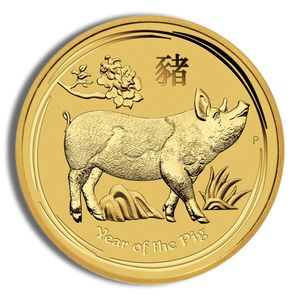
Each coin carries the effigy of Queen Elizabeth II on the obverse, a standard feature of Australian legal tender coinage, alongside the face value denomination and the year of issue. The reverse carries the zodiac animal design specific to that year. These markings collectively serve as authentication indicators and are consistent across the entire series production run from The Perth Mint.
Available Brands, Mints, and Product Variations
Every coin in this catalog is produced by The Perth Mint, one of Australia's oldest and most respected government-owned minting institutions, operating since 1899. The Perth Mint is a division of Gold Corporation and operates under the guarantee of the Western Australian government. Its reputation for precision striking, consistent quality control, and high-purity alloy management is well established across the global precious metals industry. The "P" mint mark on each coin is a recognized authenticity indicator within the secondary market.
Product variations within this catalog are organized primarily by year, denomination, and series designation. Series I coins from 1996 through 2007 encompass the Rat, Ox, Tiger, Rabbit, Dragon, Snake, Horse, Goat, Monkey, Rooster, Dog, and Pig. Series II coins from 2008 onward include the Mouse, Ox, Tiger, Rabbit, Dragon, Snake, and Horse as represented in this portion of the catalog. The design differences between Series I and Series II are meaningful to collectors and can affect secondary market premiums for specific dates and denominations.
Within individual years, the range of available denominations varies slightly. The 1/2 oz format appears consistently from 2004 onward in this catalog but is not present in the earliest Series I releases. The 2 oz format appears from 2000 onward. This means buyers assembling complete runs by denomination should pay close attention to which years include which sizes, as the full lineup of fractional options was introduced incrementally across the life of the program rather than from the outset.
Pricing, Premiums, and Market Factors
Gold lunar series coins are priced based on the current spot price of gold plus a premium that reflects production costs, mint packaging, collector demand, and market liquidity specific to each date and denomination. Premiums for 1 oz coins are typically tighter than those for fractional issues, as larger denominations benefit from lower per-ounce production costs and greater secondary market depth. The 1/20 oz and 1/10 oz fractionals carry proportionally higher premiums due to the fixed cost of striking a coin being spread across a smaller amount of gold content.
Within the lunar series specifically, premiums can also vary based on the perceived desirability of particular zodiac years, the series designation (Series I or Series II), and the relative scarcity of a specific date and denomination combination. Early Series I coins from 1996 through 1999 were produced in smaller initial mintages and can carry elevated premiums in the secondary market compared to more recently struck issues. The Dragon years, both 2000 in Series I and 2012 in Series II, have historically attracted stronger collector demand than some other zodiac animals, which can affect available supply and pricing at any given moment.
Bullion Standard displays bid and ask pricing on each product page, giving buyers a clear view of both the purchase price and the current buyback price before making a decision. This transparency allows you to evaluate the spread and understand the real cost of ownership rather than comparing a purchase price against an estimated resale figure discovered only later. Our pricing reflects live market conditions and is updated continuously to align with wholesale market movements.
Condition, Packaging, and What to Expect
Gold lunar series coins listed as Brilliant Uncirculated (BU) have been struck to a high production standard and have not entered general circulation. BU coins exhibit full mint luster and sharp design detail but are not held to the same individual inspection standards as proof-quality coins. Minor surface marks, light contact marks from handling during the minting and packaging process, or very subtle variations in strike depth are considered normal and do not represent defects for BU-grade products.
Coins in this catalog are typically housed in protective plastic capsules or original Perth Mint packaging where applicable. Some issues, particularly earlier Series I coins, may be presented individually in capsules or with original display cases depending on the specific product and lot. Coins are not graded by third-party services such as PCGS or NGC unless explicitly stated in the product listing, and the grading service field on these listings is designated as "None."
Buyers should expect the product to arrive in the condition and format described in the individual listing. Random year products, where applicable, are fulfilled from available inventory and the specific year received may differ from the product image shown. For dated issues, the year listed in the product title is the year you will receive. Shipping packaging is designed to protect coins from physical damage during transit, and all orders are insured and tracked through dispatch.
Authenticity and Verification
Every gold lunar coin in this catalog originates from The Perth Mint, a government-backed institution with over a century of production history and global recognition within the precious metals industry. The mint's quality standards, .9999 purity guarantee, and consistent striking specifications provide the foundational layer of product authenticity. The "P" mint mark, the stated gold weight, and the purity designation struck into each coin are the primary on-coin authentication markers.
Bullion Standard sources products exclusively through verified suppliers, authorized distributors, and reputable wholesalers within the industry. Every product is inspected for authenticity, weight, and purity before being made available for purchase. Our team verifies incoming inventory against known specifications for each date, denomination, and series prior to listing. This internal verification process is part of the sourcing protocol applied across our entire catalog.
For buyers who want additional assurance, third-party grading services such as PCGS and NGC offer independent authentication and encapsulation. Bullion Standard is an authorized dealer for both services. Encapsulated and graded coins carry the grading service's authenticity guarantee and are sealed in tamper-evident holders that protect the coin and document its verified condition. For ungraded BU coins, the combination of The Perth Mint's established manufacturing standards and our own sourcing and verification procedures provides a reliable baseline for authenticity confidence.
Liquidity and Resale Considerations
Gold lunar series coins from The Perth Mint occupy a well-established position in the global secondary market. Their government backing, recognized purity, and long production history make them familiar to dealers, collectors, and institutional buyers worldwide. The 1 oz denomination is generally the most liquid size, as it aligns with the standard unit of trade for gold bullion and commands the broadest buyer base. Fractional issues have a narrower buyer pool but remain recognizable and tradable within collector-oriented channels.
Resale pricing for lunar series coins is influenced by the spot price of gold at the time of sale, the premium the secondary market assigns to that specific date and denomination, and the coin's condition and packaging. Coins retaining their original mint packaging and capsule presentation typically command stronger bids from dealers and secondary market buyers than those that have been removed from their original housing. Preserving the original packaging is therefore a practical consideration for anyone thinking about eventual resale.
The secondary market for lunar series coins is active across dealer networks, numismatic auction platforms, and online bullion exchanges. The breadth of the collector community for this program internationally, particularly across Asia and in markets with large Chinese-speaking populations, contributes to sustained demand for specific dates and denominations. Understanding the difference between bullion-level liquidity and collector-premium liquidity is useful when evaluating resale expectations for any specific coin in this series.
Storage and Security
Gold lunar coins, particularly fractional issues in 1/20 oz and 1/10 oz denominations, are small and require careful organization to avoid misplacement. Storing coins in their original capsules and keeping those capsules in a labeled coin box or storage case is the most practical approach for maintaining physical organization and protecting surfaces from contact damage. Tube storage is less common for lunar coins than for generic bullion rounds, given the individualized nature of each dated design, so capsule-based organization is the standard approach.
For home storage, a heavy-gauge fire-resistant safe bolted to a structural element of the building provides the most accessible combination of security and convenience. Safes rated for both fire and theft resistance are preferred, particularly for collections with meaningful gold content. Bank safe deposit boxes offer an additional off-site option with institutional physical security, though they are not insured by the FDIC and separate insurance coverage should be arranged. Third-party vault storage through a precious metals custodian is also a viable option for larger holdings and typically includes independent insurance coverage, segregated storage, and professional inventory management.
Environmental conditions matter for long-term coin preservation. Gold is chemically inert and does not tarnish or oxidize under normal conditions, but moisture and direct handling can introduce surface contamination over time. Storing coins in a low-humidity environment away from direct light and handling them only by the edges when outside of their capsules will help preserve surface quality. These are practical considerations that apply regardless of storage location.
Selling and Buyback Options
Selling gold lunar series coins begins with a straightforward assessment of current market conditions, the specific date and denomination being offered, and the coin's condition. Dealers evaluate buyback pricing based on the current spot price of gold, the wholesale market premium for that particular issue, and the liquidity profile of the coin in question. Well-known dated issues in original mint condition with intact packaging command the most competitive bids, while coins with damaged capsules, removed from original packaging, or with visible surface wear may receive adjusted pricing.
Bullion Standard operates as a two-way market, meaning the same platform where you purchase metals is also where you can sell them back. Our purchasing team evaluates buyback requests based on current wholesale bid pricing, which is displayed on each product page and updated continuously to reflect live market conditions. This structure removes the opacity often associated with dealer buyback programs and allows you to see the current bid before initiating a sale. There are no hidden adjustments or after-the-fact price changes once a buyback transaction is confirmed at the stated price.
Buyers preparing for eventual resale should document their inventory with purchase records, including the specific date, denomination, and SKU for each coin. Retaining original packaging and avoiding unnecessary handling preserves resale condition. For coins with collector premiums that may have appreciated meaningfully above their gold melt value, professional third-party grading prior to sale can help establish documented condition for buyers in the numismatic channel who require graded presentation for high-premium purchases.
Why Buy Gold Lunar Series Coins?
The appeal of gold lunar series coins sits at the intersection of recognized bullion formats and structured collectibility. These are not novelty coins or limited-edition marketing products; they're part of a multi-decade government-issued program with a continuous production history, established market presence, and a defined collecting framework built around the twelve-year zodiac cycle. That structure gives buyers a logical reason to build a collection over time without requiring speculative assumptions about which designs might become desirable after the fact.
The multi-denomination format is a practical advantage for buyers across different budget levels. The ability to acquire the same zodiac design in 1/20 oz, 1/10 oz, 1/4 oz, 1/2 oz, or 1 oz allows for flexible accumulation and makes the series accessible to buyers who may not want to commit to a 1 oz purchase for every year. For buyers focused on gold content efficiency, the 1 oz and 2 oz issues offer lower per-ounce premiums relative to the fractional sizes and remain the most practical choice for straightforward gold accumulation.
The international recognition of The Perth Mint as a manufacturer adds a layer of credibility that benefits both primary purchase confidence and secondary market liquidity. Coins from this mint are well known to dealers in North America, Europe, Asia, and the Pacific, which broadens the pool of potential buyers at resale. The program's longevity, dating back to 1996, also means that a well-documented secondary market exists with historical pricing data available for most dates and denominations, which is a meaningful advantage for buyers who value market transparency over novelty.
Why Buy from Bullion Standard?
Bullion Standard was founded in 2010 in San Diego, California, and has grown into a nationally recognized online precious metals marketplace by prioritizing transparency over the high-pressure sales environment common in parts of this industry. Our approach is built on the belief that buyers deserve clear pricing, honest product descriptions, and responsive service without having to negotiate for fair treatment. That philosophy shapes every part of the platform, from how products are listed to how buyback pricing is displayed.
Our sourcing and verification processes ensure that every gold lunar coin available through Bullion Standard has been authenticated, weighed, and confirmed to specification before listing. We source from reputable mints, authorized distributors, and established wholesalers, and we maintain an A rating with the Better Business Bureau along with active memberships in the American Numismatic Association and the National Coin and Bullion Association. We are also an authorized dealer for both PCGS and NGC, giving buyers access to professional third-party grading services through a single trusted source.
The checkout experience is designed to be secure and flexible. Accepted payment methods include Visa, Mastercard, American Express, Discover, PayPal, bank-connected payments through Plaid, wire transfer, paper check, and cryptocurrency through BitPay. Every transaction is processed with full encryption, and fulfillment is handled with insured, tracked shipping to ensure your purchase arrives safely and documented. Customer support is available to assist at every stage of the buying and selling process, reflecting our commitment to long-term relationships rather than one-time transactions.
Get Near-Spot Pricing with Bullion Standard Pro
Bullion Standard Pro is designed for buyers who want direct access to the wholesale side of the precious metals market. Members transact at live, executable wholesale bid and ask pricing rather than standard retail pricing structures, which means premiums and spreads reflect real-time supply and demand conditions in the wholesale market rather than fixed markups applied at the dealer level. For repeat buyers or anyone accumulating meaningful quantities of gold lunar coins, the pricing efficiency available through Pro can represent a material difference in total acquisition cost over time.
The platform also provides members with real-time portfolio valuation based on live wholesale bid pricing rather than estimated retail values. This gives a more realistic picture of current liquidation value and allows members to evaluate their holdings against actual market conditions rather than figures that may not reflect what a buyer would pay today. Historical premium data, bid/ask spread analysis, liquidity metrics, and proprietary market intelligence tools are all available within the platform to help members understand how individual products are trading relative to their historical norms.
For buyers interested in evaluating the gold lunar series across multiple dates and denominations, Bullion Standard Pro's product comparison tools allow side-by-side assessment using objective metrics including premium levels, spread tightness, and historical pricing behavior. Rather than relying on marketing claims or assumptions about which coins represent relative value at a given moment, Pro members can use transparent data to make informed decisions. The goal is to reduce the information gap that has historically existed between retail buyers and the wholesale precious metals market, giving serious buyers access to the kind of analytical depth that has long been standard in other asset classes.

 (833) 278-4653