Buy Other Online
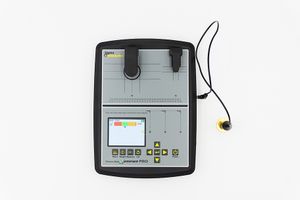
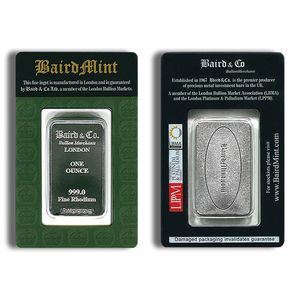
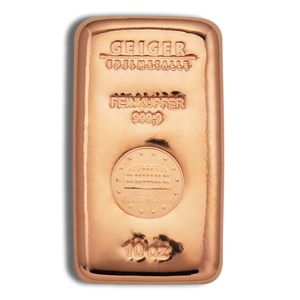
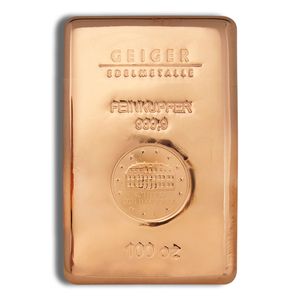
Our catalog in this section brings together a deliberately curated selection of products that fall outside the standard bullion metals categories but remain genuinely useful to serious buyers and collectors. You'll find rhodium bars from Baird Mint packaged in assay cards, copper bars from Geiger Edelmetalle in both 10 oz and 100 oz formats, coin care solutions from E-Z-Est in multiple sizes, and precious metal verification devices from Sigma Metalytics, including the PMV Investor model and the PRO configuration with dual wand sets.
This part of the Bullion Standard marketplace reflects the practical reality that owning and managing physical precious metals involves more than buying gold and silver. Verification tools, cleaning supplies, and specialty metals all play a role in how collectors and buyers manage their holdings with greater confidence and accuracy.
Whether you're sourcing rhodium as a distinct asset class, picking up copper bars from a respected European refinery, or adding a Sigma Metalytics device to your authentication workflow, each product here is sourced through the same verified supply chain that governs every item across our platform.
What Are Other?
The products grouped here are unified by their departure from the core precious metals categories, not by any lack of relevance. Rhodium, for instance, is a genuine platinum group metal with real industrial applications and a well-established spot price, but it doesn't fit neatly into the gold, silver, platinum, or palladium buckets that define most bullion catalogs. Copper bars occupy a similar space, recognized by many collectors as a stackable physical commodity but priced and traded differently from traditional bullion.
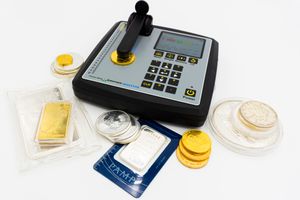
Coin cleaning solutions and precious metal verification instruments are a different type of product entirely. They serve functional roles in the broader ecosystem of physical precious metals ownership. A Sigma Metalytics verifier, for example, uses electromagnetic resonance to assess the metallic composition of a coin or bar without damaging it, giving buyers and dealers a non-destructive method for confirming authenticity.
What ties these products together is that they all serve informed, serious buyers who approach precious metals ownership with care. These aren't impulse purchases. They're products that reflect a more complete and thoughtful approach to collecting, verifying, and maintaining physical holdings.
History and Background
Rhodium was first isolated in the early nineteenth century and has historically been one of the rarest metals on Earth. Its commercial relevance accelerated through the twentieth century as its catalytic properties became essential in automotive emissions control. Unlike gold or silver, rhodium does not have a centuries-long monetary tradition, but it has developed a distinct identity within the investment-grade metals market, with small-format bars like the Baird Mint and PAMP Suisse collaborations catering to buyers who want direct exposure to rhodium in a tangible, assay-certified form.
Copper, by contrast, has been used by humans for thousands of years and holds an important place in industrial civilization. The growth of the copper bar market as a collector and accumulation format is more recent, driven largely by small-scale stackers and hobbyists who appreciate its aesthetic appeal and its lower entry price compared to silver or gold. Refineries like Geiger Edelmetalle in Germany brought their trademark quality standards to larger copper formats, producing bars that carry the same craftsmanship found in their precious metals lineup.
The market for authentication tools like the Sigma Metalytics Precious Metal Verifier emerged in direct response to the growing sophistication of counterfeit bullion. As the global bullion market expanded over the past two decades and tungsten-filled bars and plated coins became a real concern, demand grew for reliable, non-destructive verification tools that could be used by dealers, collectors, and serious private buyers alike. E-Z-Est coin cleaning products have an older history rooted in numismatics, where maintaining the appearance of collectible coins has long been a subject of careful debate and specialized chemistry.
Purity, Weight, and Specifications
The 1 oz rhodium bar from Baird Mint and PAMP Suisse carries a fineness of .999, which is the accepted standard for investment-grade rhodium bars. Rhodium is measured in troy ounces like other precious metals, and its bars are produced in limited quantities given the metal's scarcity and the relatively small number of refiners capable of producing commercial-grade rhodium products. The assay card packaging serves as both a certificate of authenticity and a tamper-evident seal, preserving the bar in its original condition.
Geiger's copper bars in the 10 oz and 100 oz formats are also produced to a .999 purity standard, which is standard across most commercially available copper bars. While copper is priced per pound rather than per troy ounce in commodity markets, copper bars in the collector segment are typically sold by troy weight or avoirdupois weight depending on the producer, so it's worth confirming which standard applies when comparing prices across different products.
Sigma Metalytics devices don't carry a purity specification in the traditional sense, but the PRO model includes both a small and a large bullion wand, allowing the user to test a wider range of product sizes including standard bars, coins, and larger formats. These devices are calibrated to identify the electrical resistivity properties unique to specific metals, making them effective for distinguishing genuine silver, gold, platinum, and palladium products from counterfeits.
Available Brands, Mints, and Product Variations
Baird Mint, headquartered in London, is one of the United Kingdom's most established precious metals refiners and is recognized across the global bullion market for producing bars that meet the London Bullion Market Association's good delivery standards. Their rhodium bar, produced in partnership with PAMP Suisse, one of the world's most respected Swiss refineries, comes sealed in an assay card that provides additional protection and a recognizable certificate of origin. This collaboration between two well-regarded producers gives the bar strong market recognition.
Geiger Edelmetalle is a German refinery with a reputation built across both precious and industrial metals. Their copper bars carry the clean, minted finish and clear markings that characterize the broader Geiger product line. The availability of both a 10 oz and 100 oz format provides flexibility, with the larger bar offering a lower per-unit cost for buyers looking to accumulate copper in quantity.
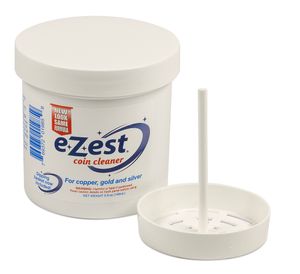
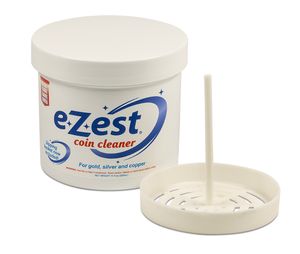
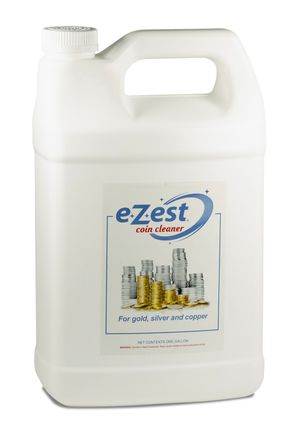
E-Z-Est coin cleaning solutions are available in three configurations in our catalog: a 5 oz jar sold in a 12-pack case, a 10 oz jar also sold in a 12-pack case, and a 1 gallon size sold in a 2-pack case. These case formats are designed for dealers, shops, or serious collectors who use the product regularly. Sigma Metalytics offers three distinct products here, moving from the PMV Investor as a baseline option to the standard PMV with Bullion Wand and the full PRO configuration, each offering a broader testing range and greater versatility for the buyer's specific needs.
Pricing, Premiums, and Market Factors
Rhodium pricing is notably different from other precious metals in that it can be significantly more volatile and the market is far thinner. Premiums on rhodium bars tend to be higher relative to spot than you'd see on a standard gold or silver bar, reflecting the limited number of refiners, the complexity of production, and the smaller pool of buyers and sellers active in the market at any given time. The assay card packaging on the Baird Mint rhodium bar is one factor that supports its resale recognition.
Copper bars are priced differently from investment-grade precious metals. Because copper's commodity value is comparatively low, the premium over raw material cost on collector-grade copper bars is proportionally higher, and buyers should understand that the premium reflects craftsmanship, packaging, and brand rather than intrinsic metal value in the same way a silver or gold bar is priced. Geiger's reputation as a European refinery adds a layer of collector recognition that supports pricing stability within that segment of the market.
Sigma Metalytics devices are priced based on functionality rather than any underlying metal value, and their cost should be evaluated in terms of the authentication utility they provide. For a buyer or dealer who handles significant volume, the cost of a verifier becomes marginal relative to the peace of mind it offers. Bullion Standard presents pricing on these products with the same transparency applied across our full catalog, reflecting real market positioning rather than inflated retail markups.
Condition, Packaging, and What to Expect
The Baird Mint rhodium bar ships within its factory-sealed assay card, which should remain intact upon delivery. The assay card is the primary packaging and serves as the product's certificate of authenticity. Removing it from the sealed packaging is not recommended, as this affects both the verification record and the resale presentation of the bar. Minor surface handling marks visible through the card's transparent window, if any, are normal and do not affect the bar's authenticity or purity.
Geiger copper bars typically ship in standard protective packaging suited to their format. Because copper oxidizes more readily than precious metals, some buyers choose to store these bars in airtight or semi-airtight packaging to minimize toning or surface discoloration. Minor surface marks are to be expected on copper products given the metal's softness, and slight toning that develops over time is cosmetic rather than structural.
E-Z-Est products ship in their original manufacturer packaging, and Sigma Metalytics devices come with their included accessories as specified in the product listing. The PRO model, for instance, includes both the small and large wand accessories in the retail box. All products are fulfilled directly from our verified supply chain with the same standards applied to precious metals orders.
Authenticity and Verification
The rhodium bar from Baird Mint and PAMP Suisse carries dual-refinery authentication through the assay card itself, which includes the bar's individual markings, fineness, and weight. Both Baird and PAMP maintain internationally recognized reputations, and bars produced under this collaboration are subject to the quality control standards of both facilities. Buyers should always verify that the assay card seal is unbroken upon receipt.
Geiger Edelmetalle bars carry the refinery's distinctive markings and are produced under consistent quality controls applied across their full product range. Copper bars are less frequently targeted by counterfeiters given the metal's low value, but purchasing from a recognized producer still provides the assurance of consistent weight and purity specifications.
Sigma Metalytics devices themselves are instruments of authentication rather than products requiring verification in the traditional bullion sense. They are factory calibrated and come with documentation from the manufacturer. For buyers already using these devices, it's worth noting that Bullion Standard has sourced these units through authorized distribution channels, and each device is in its original manufacturer packaging with full product integrity.
Liquidity and Resale Considerations
Rhodium is a thin market relative to gold and silver, and buyers should understand that resale options are more limited and spreads are wider as a result. The assay card format and the dual-refinery provenance of the Baird Mint bar improve its standing among the buyers who are active in the rhodium segment, but prospective buyers should research current market conditions and available buyback pricing before committing to a purchase.
Copper bars have a dedicated collector base, but their resale market operates differently from precious metals. The primary buyers tend to be other collectors and hobbyists rather than refineries or institutional dealers, which means liquidity can vary significantly depending on timing, format, and the broader collector market environment. Larger formats like the 100 oz Geiger bar may appeal to a narrower buyer pool than the 10 oz option.
Sigma Metalytics devices retain value in the secondary market among dealers and serious collectors, particularly newer models in good working condition with original accessories. E-Z-Est cleaning products are consumables with no meaningful secondary market value. For all non-standard metal products, Bullion Standard recommends reviewing available buyback pricing before purchase to set realistic expectations around the full cost of ownership.
Storage and Security
Rhodium bars in assay card format are compact and relatively easy to store. Their small footprint makes them suitable for a home safe, a safe deposit box, or a dedicated vault storage arrangement. Because the assay card is integral to the bar's provenance and resale presentation, keeping it flat, dry, and undamaged is important. Avoid stacking heavy items directly on top of the assay card packaging.
Copper bars require slightly more attention to environmental conditions than precious metals. Exposure to humidity, sulfur-containing materials, or acidic environments can accelerate surface toning and oxidation. Storing copper bars in sealed plastic sleeves, acid-free bags, or airtight containers within a climate-controlled environment will help maintain their appearance over time. The 100 oz format is also significantly heavier than most standard bullion bars, so appropriate structural support within storage systems should be considered.
Sigma Metalytics devices should be stored in their original protective cases when not in use to prevent damage to the wand connectors and the main unit. E-Z-Est solutions should be stored according to the manufacturer's recommendations, typically in a cool, dry location away from direct sunlight and out of reach of children.
Selling and Buyback Options
Selling rhodium, copper bars, or specialty items back into the market involves a different process than selling standard gold or silver bullion. For the rhodium bar, condition and assay card integrity are critical factors in the buyback valuation. A bar with a broken or compromised assay seal will typically receive a lower offer than one in original condition, reflecting the additional verification steps required by the buyer.
Copper bar buyback pricing is more variable than precious metals given the product's collector-driven market. Refinery-branded bars from recognized producers like Geiger tend to perform better in resale environments than generic copper products, but buyers should approach copper bar resale with realistic expectations about the spread between acquisition and exit pricing.
Bullion Standard operates as a two-way market across its supported product categories. Our purchasing team evaluates specialty products on a case-by-case basis, and current buyback pricing is available directly through our platform for products where we maintain active buy pricing. We recommend reviewing our buyback rates before purchasing any item in this section so that the full economics of ownership are clearly understood before the transaction is made.
Why Buy Other?
Products in this section appeal to buyers who think about precious metals ownership comprehensively rather than narrowly. Rhodium in assay card format offers direct access to one of the rarest platinum group metals in a form that is portable, authenticated, and recognizable to knowledgeable buyers in that segment. For collectors who track the full spectrum of investment-grade metals, having a rhodium bar as part of a broader physical holdings portfolio adds a genuinely distinct element.
Copper bars from Geiger appeal to a different kind of buyer: one who appreciates the craftsmanship of a well-made metal bar without the price commitment of precious metals. For stackers and collectors who enjoy the tactile and aesthetic dimension of physical metals, copper bars from a European refinery with a reputation for quality offer an accessible entry point. The 100 oz format in particular carries satisfying weight and presence for those who appreciate the physical reality of larger metal formats.
Verification tools and coin care products are practical necessities for anyone managing a meaningful collection or operating in a buying and selling capacity. A Sigma Metalytics device provides an additional layer of confidence when acquiring products from secondary markets or evaluating items of uncertain provenance. These aren't luxury purchases for serious collectors and dealers; they're working tools that pay for themselves through the confidence and accuracy they provide.
Why Buy from Bullion Standard?
Bullion Standard was founded in San Diego in 2010 with a straightforward philosophy: transparency, pricing integrity, and a genuine commitment to long-term customer trust. That philosophy governs how we source, price, and fulfill every product in our catalog, including specialty items like rhodium bars, copper bars from Geiger, and verification instruments from Sigma Metalytics. Every item is sourced through verified supply channels and confirmed for authenticity before it reaches a customer.
Our pricing is structured around real-time market conditions rather than static retail markups. For products with active spot pricing, our pages display both the purchase price and the current buyback price, giving buyers a clear view of the bid and ask spread before committing to a transaction. This transparency extends to specialty and non-standard products, where our goal is to give buyers the information they need to make a genuinely informed decision rather than a sales-pressure-driven one.
We maintain an A rating with the Better Business Bureau and hold memberships with the American Numismatic Association and the National Coin and Bullion Association. Our payment options include Visa, Mastercard, American Express, Discover, PayPal, Plaid bank-connected payments, wire transfer, paper check, and cryptocurrency through BitPay, providing flexibility across a wide range of buyer preferences. From fulfillment to post-purchase support, the experience is built around reliability, not just the initial transaction.
Get Near-Spot Pricing with Bullion Standard Pro
Bullion Standard Pro is designed for buyers who want direct access to wholesale-level pricing across the precious metals market. Members transact at live, executable wholesale bid and ask prices without dealer markups or fixed retail pricing structures layered on top. For products with active wholesale market activity, this creates a meaningfully different pricing environment than the traditional retail dealer model.
For specialty metals like rhodium, where the spread between acquisition and liquidation pricing tends to be wider, having access to wholesale-level pricing can make a material difference in the overall cost of ownership. Pro members can view live executable pricing, monitor spread conditions in real time, and make purchasing decisions based on objective market data rather than estimated retail pricing.
Beyond pricing, Bullion Standard Pro provides portfolio valuation using live wholesale bid pricing, which gives members a more realistic view of current liquidation value than standard retail-based estimates. Proprietary analytics tools, historical premium data, and market intelligence resources round out the platform, making it a practical resource for buyers who want more than a standard e-commerce checkout experience when managing physical precious metals holdings.

 (833) 278-4653