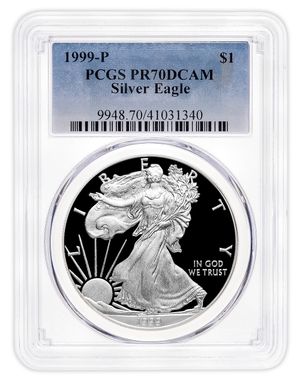
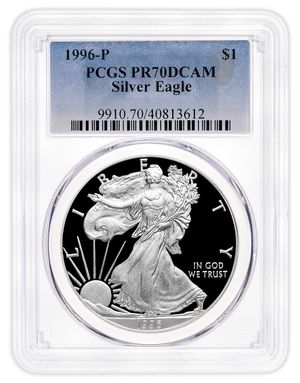
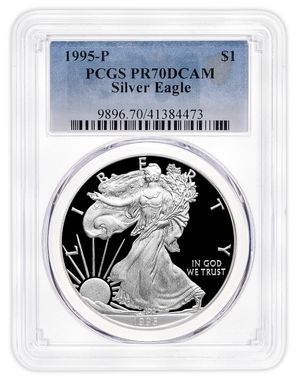
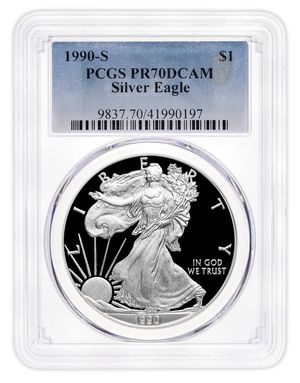
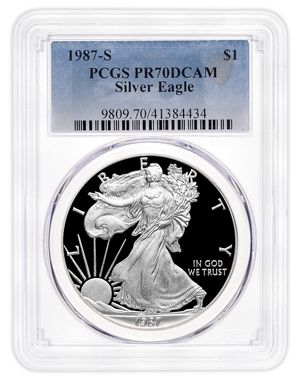
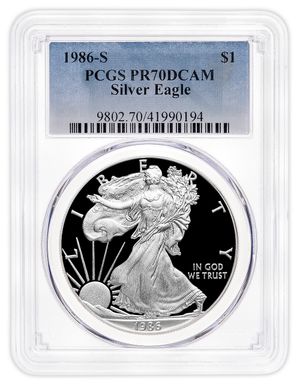
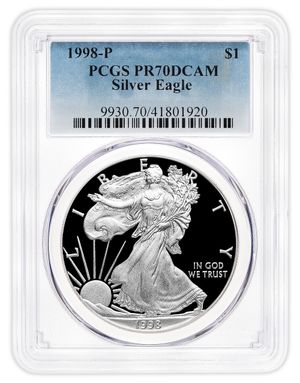
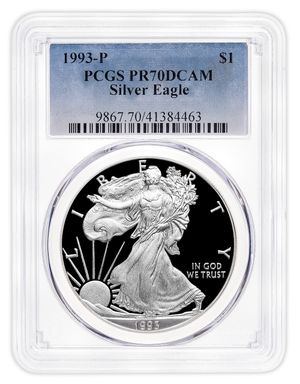
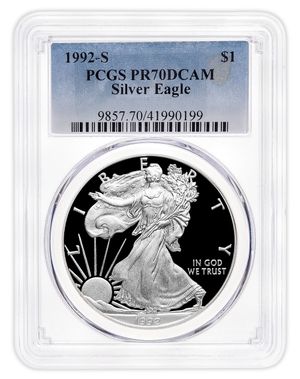
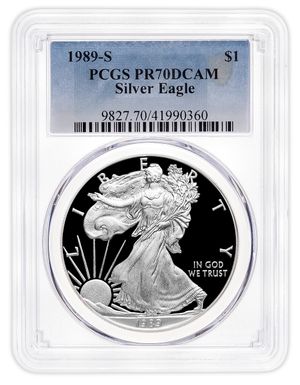
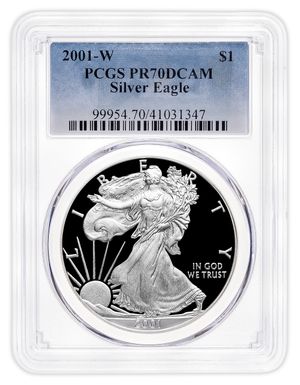
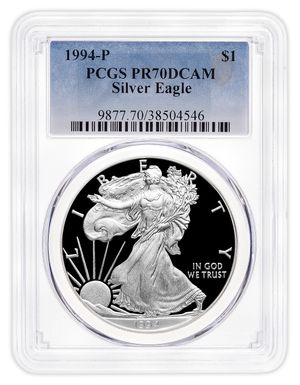
Buy United States Silver Coins Online
Our catalog of united states silver coins spans more than a century of American minting history, from circulated Morgan silver dollars dated as early as 1878 to 40% silver Kennedy half dollars from the transitional years of 1965 through 1969. Whether you're looking for raw circulated examples in grades ranging from Cull and Good through About Uncirculated, professionally graded specimens certified by NGC or PCGS, or GSA-packaged Carson City Morgan dollars complete with original box and certificate of authenticity, the selection here is built to serve a wide range of buying priorities.
The Morgan dollar offerings are particularly broad, covering both date-specific and general-date examples from mints including Philadelphia and Carson City. Graded coins range from MS62 through MS67 via NGC and PCGS, with toned specimens offered separately for collectors who prize natural patina. GSA-issued Morgans from years including 1878, 1879, 1880, 1881, 1882, 1883, and 1884 are available in both raw BU and certified grades, making it straightforward to find a specific year or grade without navigating multiple sources.
Bullion Standard approaches this market as a transparent two-way marketplace rather than a traditional retail dealer. That means pricing reflects real-time market conditions, buyback options are built into the platform, and the information available to buyers is designed to support informed decisions rather than pressure-driven purchases.
What Are United States Silver Coins?
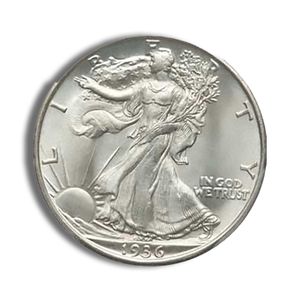
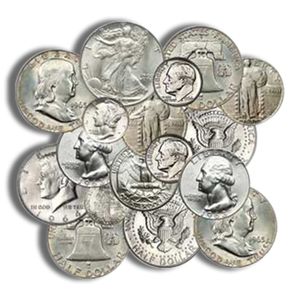
United States silver coins are coins produced by the United States Mint containing silver as their primary metal. They fall into two broad camps: older silver coinage struck before the Coinage Act of 1965 eliminated silver from circulating dimes and quarters, and transitional-era coins like the Kennedy half dollar series from 1965 to 1969, which were reduced to 40% silver before silver was removed entirely from circulating coinage in 1970. Morgan silver dollars and Peace silver dollars represent the most widely traded pre-1965 silver dollars in the bullion and numismatic markets today.
Buyers approach this segment from different angles. Some are focused on silver content per dollar spent, prioritizing face-value lots of 40% silver halves or circulated Morgan dollars with minimal numismatic premium. Others are drawn to specific dates, mint marks, grades, or the aesthetics of certified and toned specimens. The GSA Morgan dollars occupy a distinct niche, having been government-packaged and issued directly to the public in the 1970s from Treasury reserves, with original holders and documentation intact.
The distinction between raw and certified coins matters here more than in most bullion categories. A raw BU Morgan dollar carries a different price profile than the same coin in an NGC or PCGS holder graded MS65, and the spread between those two items reflects both the grading service's authentication and the scarcity of high-grade survivors. Understanding where a particular coin sits within that spectrum is central to making a well-informed purchase.
History and Background
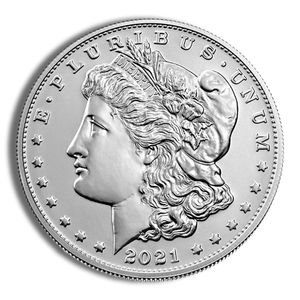
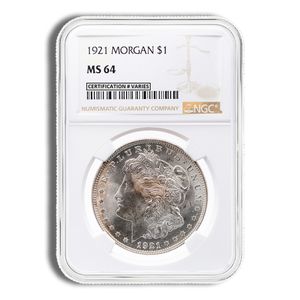
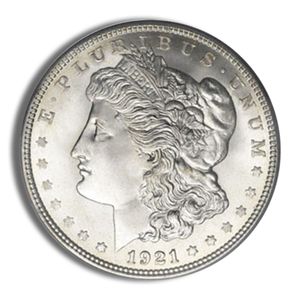
The Morgan silver dollar was struck continuously from 1878 through 1904 and then again briefly in 1921 under the Bland-Allison Act and later the Pittman Act, which authorized the melting and reminting of hundreds of millions of silver dollars from Treasury reserves. Designed by George T. Morgan, the coin carries a portrait of Liberty on the obverse and a heraldic eagle on the reverse. Its production spanned multiple mint facilities, with Carson City issues often commanding the most collector interest due to their lower mintage figures and the romantic history of the Nevada silver rush era.
The GSA Morgan dollars represent one of the more unusual distribution events in modern numismatic history. Beginning in 1972, the United States General Services Administration sold off hundreds of thousands of Morgan dollars that had remained in federal storage since the 19th and early 20th centuries. Coins were sold in original plastic holders with certificates of authenticity, and today those original GSA packages are recognized as distinct collectibles in their own right. Carson City issues dominated the GSA sales and continue to carry meaningful premiums relative to Philadelphia or New Orleans Mint coins of similar grade.
The 40% silver Kennedy half dollar era from 1965 through 1969 reflects a transitional moment in American monetary history. As rising silver prices made 90% silver coinage economically unsustainable, the Mint reduced silver content rather than eliminate it entirely, producing a short-lived composition that now occupies a modest but consistent corner of the silver bullion market. These halves contain 0.1479 troy ounces of silver per coin, meaning a one-dollar face value lot carries approximately 0.295 troy ounces of actual silver content.
Purity, Weight, and Specifications
Morgan silver dollars struck from 1878 through 1904 contain 0.7734 troy ounces of silver at a purity of 90%, or .900 fine. Each coin weighs 26.73 grams with a diameter of 38.1 millimeters. The 90% silver composition applies across all mint facilities and dates within this production window, making silver content consistent regardless of which mint struck the coin.
The 40% silver Kennedy half dollars from 1965 through 1969 contain 0.1479 troy ounces of silver per coin at a purity of .400 fine. Face-value lots are the standard way these coins are bought and sold in the bullion market. A one-dollar face value lot, consisting of two half dollars, carries a combined silver content of approximately 0.295 troy ounces, which aligns with the metal weight listed across these products.
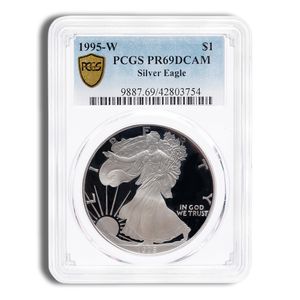
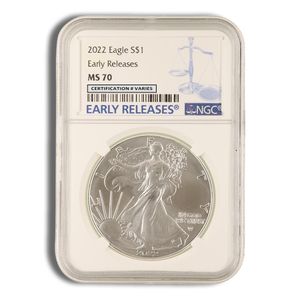
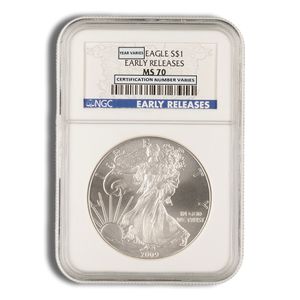
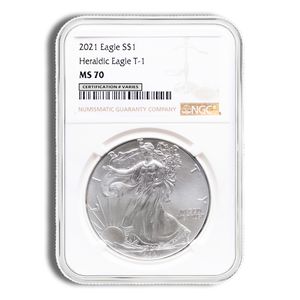
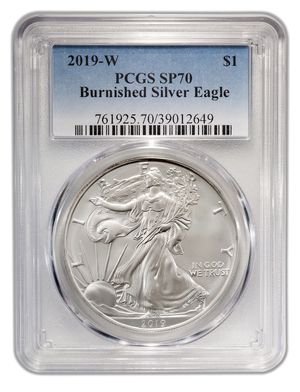
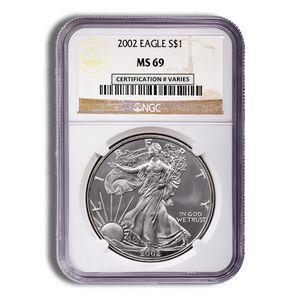
Certified coins carry graded holders from NGC or PCGS that include the coin's grade, certification number, and authentication seal. GSA holders include an original plastic capsule and government-issued certificate of authenticity, which are considered part of the product and influence both pricing and resale expectations. Coins graded with a plus designation, such as MS63 or MS64, have been identified by the grading service as exhibiting above-average quality for their grade level.
Available Brands, Mints, and Product Variations
All coins in this segment of the catalog originate from the United States Mint, with Morgan dollars struck at facilities including Philadelphia, Carson City, New Orleans, and San Francisco depending on the specific year and variety. The Carson City Mint, designated by the CC mint mark, is the most represented here through the GSA Morgan dollar lineup spanning years from 1878 through 1884. The 1880 vintage is particularly notable, appearing in multiple varieties including the standard 1880-CC, the reverse of 1878 variety, and the 1880/79-CC overdate, each treated as a distinct collectible with its own pricing characteristics.
Within the graded Morgan dollar offerings, NGC and PCGS are both represented across overlapping grade tiers from MS60 through MS67. Toned examples are listed separately from untoned examples at each grade level, reflecting the consistent collector demand for coins that have developed natural color over decades of storage. The separation between toned and untoned specimens matters for buyers who have a preference either way, and both are priced according to current market conditions rather than a fixed toning premium.
Raw Morgan dollars are available across a broad condition range, from Cull through BU, including Fine, Good, XF, and AU designations. The 40% silver Kennedy halves are offered in both average circulated and BU conditions, covering buyers who want the most affordable silver-content exposure as well as those who prefer better-looking coins. The GSA-packaged Morgans include original box and certificate of authenticity as part of the listing, distinguishing them from raw or certified examples of the same years.
Pricing, Premiums, and Market Factors
Silver coin pricing moves with the underlying spot price of silver, but the premium above spot varies considerably depending on grade, date, mint mark, certification status, and product type. Raw circulated Morgan dollars in grades like Good or Fine trade closer to their silver melt value, while certified examples in grades MS63 and above carry numismatic premiums that reflect both scarcity and collector demand. A coin graded MS65 or MS66 by NGC or PCGS represents a meaningfully different product than an uncertified BU example, and that difference is reflected in the spread between them.
GSA-packaged Carson City Morgans carry a premium associated with their original government packaging, historical provenance, and collector appeal. The premium is not uniform across years or grades; certain date-mint combinations are scarcer in original GSA holders and command accordingly higher prices. Toned coins occupy a somewhat separate market where color quality and eye appeal influence buyer interest in ways that are not fully captured by a numeric grade alone.
For buyers focused primarily on silver content per dollar, the 40% silver Kennedy halves and circulated Morgan dollars in lower grades offer the most direct exposure to silver without significant numismatic overlay. Bullion Standard's pricing is built on real-time market data, and the bid/ask spread displayed on each product page reflects current wholesale market conditions. Understanding both the acquisition cost and the expected buyback value is the clearest way to evaluate the true cost of ownership on any individual product.
Condition, Packaging, and What to Expect
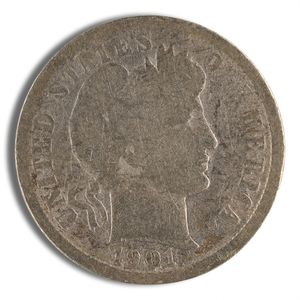
Raw circulated Morgan dollars sold in grades like Cull, Good, Fine, XF, and AU will show wear consistent with their grade designation. Cull coins may have significant surface marks, cleaning, or damage and are priced accordingly for buyers whose primary interest is silver content. Higher circulated grades like XF and AU exhibit sharper detail with only light to moderate wear, making them more visually appealing while still carrying a more modest premium than certified Mint State examples.
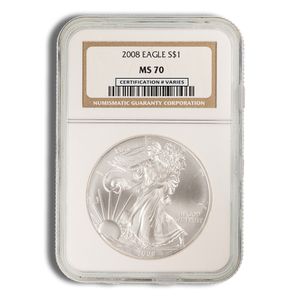
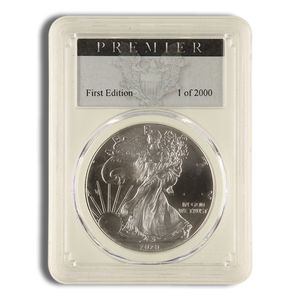
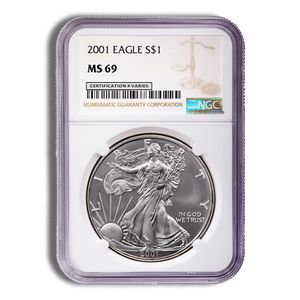
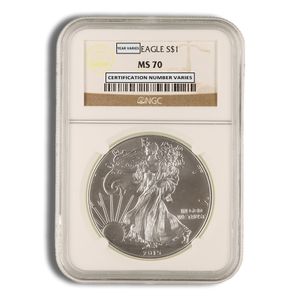
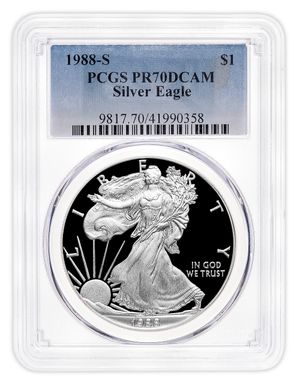
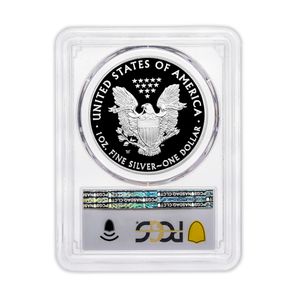
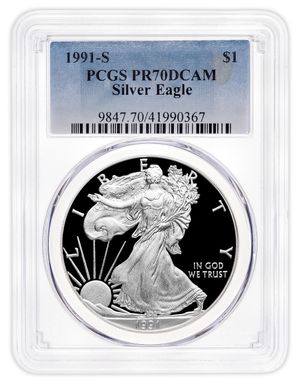
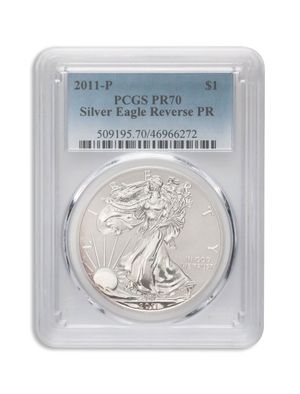
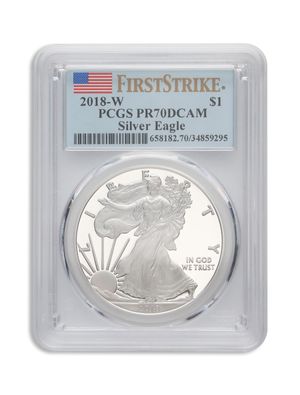
Raw BU and AU examples are not encapsulated and will typically arrive in coin flips or protective sleeves. GSA Morgans in original packaging include the plastic government holder and accompanying certificate of authenticity; opening or removing the coin from the original GSA holder can affect its collectible value and is generally not recommended. Certified NGC and PCGS coins arrive in tamper-evident sonically sealed hard plastic holders with a label identifying the grade, certification number, and any special designations.
Face-value lots of 40% silver Kennedy half dollars in average circulated condition will show general wear across the surface and may include coins from multiple years within the 1965 to 1969 range. BU examples will exhibit original luster but may show minor bag marks consistent with uncirculated coins handled in bulk. For any product listed as random year or random date, the specific year received is determined by current inventory and cannot be selected at the time of purchase.
Authenticity and Verification
United States Mint silver coins benefit from decades of established numismatic standards and a well-documented authentication infrastructure. NGC and PCGS are the two most widely recognized third-party grading services in the world, and coins in their holders have been individually authenticated and graded by trained numismatists. The hard plastic holders include security features designed to detect tampering, and each coin's certification number can be verified directly through the grading service's online registry.
GSA-packaged Morgan dollars have their own authentication context, with original government-issued holders and certificates of authenticity serving as provenance documentation. While the GSA packaging does not represent a grading service certification, it is widely recognized in the numismatic community and has been the subject of detailed research and population tracking over the decades since the original sales.
Bullion Standard sources all products from reputable wholesale distributors, authorized dealers, and established market participants. Every product is verified for authenticity, weight, and purity before reaching customers. Our A BBB rating, membership in the American Numismatic Association and the National Coin and Bullion Association, and our status as an authorized dealer for both NGC and PCGS reflect a sourcing and verification process built around long-term accountability rather than short-term convenience.
Liquidity and Resale Considerations
Morgan silver dollars are among the most actively traded coins in the American numismatic market. Their long history, widespread collector base, and recognized grading standards make them straightforward to price and transact across a wide range of buying and selling environments, including dealer buyback programs, auction platforms, and private sales. Certified examples in NGC and PCGS holders benefit from the additional verification layer that removes authentication uncertainty from the resale conversation.
GSA-packaged Carson City Morgans retain their strongest resale characteristics when the original packaging and certificate remain intact. Removing a coin from its GSA holder fundamentally changes how it is categorized and valued in the secondary market. Buyers who intend to eventually resell GSA examples should treat the original packaging as part of the product rather than disposable material.
Face-value lots of 40% silver Kennedy halves and raw circulated Morgan dollars in lower grades are primarily liquid within the broader silver bullion market, where pricing tracks closely to silver melt value. Recognition is high for these products among dealers and buyers alike. Products that trade closer to spot tend to experience tighter spreads and more straightforward liquidity than heavily numismatic items, which can be subject to wider swings in collector demand. Considering liquidity before a purchase, rather than only at the point of sale, leads to better-informed decisions.
Storage and Security
Certified coins in NGC or PCGS holders are already protected from direct handling and most environmental exposure, but they still benefit from stable storage conditions. Temperature fluctuations and humidity can affect toning development over time, which matters for buyers who want to preserve a coin's current appearance. A climate-controlled environment, whether a home safe, a dedicated coin cabinet, or a professional vault, provides the most reliable long-term conditions.
Raw Morgan dollars and Kennedy halves should be stored in non-PVC coin flips, hard plastic capsules, or acid-free holders to prevent chemical reactions that accelerate toning or surface deterioration. Storing raw silver coins loose in containers where they can contact each other increases the risk of bag marks and surface abrasion, which affects both appearance and grade eligibility for coins that might later be submitted for certification.
For larger holdings, third-party secure vault storage provides a practical alternative to home storage and eliminates the risks associated with keeping significant quantities of coins on-site. Bank safe deposit boxes offer a middle ground for smaller collections. Regardless of the storage method chosen, keeping an accurate inventory with photographs is a straightforward practice that simplifies insurance documentation and eventual resale.
Selling and Buyback Options
Bullion Standard operates as a two-way market, meaning customers who purchased coins through the platform can also sell them back using the same ecosystem. Buyback pricing is based on current wholesale market conditions and reflects the coin's type, certification status, grade, mint mark, condition, and the presence of original packaging where applicable. Certified coins in NGC or PCGS holders with confirmed grades are typically among the most straightforward to price for buyback because the authentication and grade are already established by a recognized third party.
For GSA-packaged Morgans, intact original holders and accompanying certificates of authenticity are expected as part of the buyback process. Coins removed from original GSA packaging are evaluated differently and may not qualify for the same buyback pricing as intact examples. Raw circulated coins are evaluated based on condition and silver content, with pricing that tracks current market conditions for the specific grade range.
The buying and selling process at Bullion Standard is designed to be operationally clear, with a purchasing team experienced in evaluating both bullion and numismatic silver coins. Reviewing current buyback pricing before making a purchase is a practical step that helps buyers understand the full cost of ownership across the lifecycle of a transaction, not only the premium paid at the point of acquisition.
Why Buy United States Silver Coins?
American silver coinage has one of the deepest collector and investor bases of any segment in the precious metals market. Morgan dollars in particular benefit from more than a century of active numismatic research, well-established population data, and a grading infrastructure that allows buyers to evaluate coins with a degree of precision not available for generic bullion products. This depth of market knowledge makes it easier to understand what you're buying and what drives pricing relative to comparable products.
For buyers focused on silver content rather than numismatic premium, the 40% silver Kennedy halves and circulated Morgan dollars in lower grades provide direct silver exposure in a recognizable, widely traded format. These products are easy to sell, easy to price, and straightforward to evaluate using publicly available silver spot pricing. The variety of conditions and grades available in the catalog means buyers can choose exactly the level of numismatic interest that matches their priorities.
The GSA Carson City Morgans represent a distinct appeal that sits between bullion and collectible. They carry documented government provenance, original packaging, and a minting history tied to one of the most romanticized chapters of American western history. That combination of silver content, historical context, and original government documentation creates a product that holds ongoing interest across multiple buyer segments.
Why Buy from Bullion Standard?
Bullion Standard has been operating as a precious metals marketplace since 2010, building a reputation in the industry based on pricing transparency, sourcing integrity, and customer-first policies. Our status as an authorized dealer for both NGC and PCGS means we transact in certified coins with the full backing of those grading services' authentication standards. The A BBB rating and membership in both the American Numismatic Association and the National Coin and Bullion Association reflect a consistent commitment to professional accountability that extends across everything from product verification to post-purchase support.
Pricing on every product reflects real-time market conditions, and the bid/ask spread displayed on each page is designed to give buyers a complete view of the transaction rather than just the ask price. That transparency extends to the buyback side of the market, where competitive pricing allows customers to make informed decisions about liquidity before completing a purchase. The platform is designed around the idea that understanding the full lifecycle of a precious metals transaction leads to better outcomes than focusing solely on the acquisition price.
The checkout process supports a broad range of payment methods, including Visa, Mastercard, American Express, Discover, PayPal, bank-connected payments through Plaid, wire transfer, check, and cryptocurrency through BitPay. Fulfillment is reliable, and products are shipped securely with appropriate packaging to protect both raw coins and certified slabs in transit. Customer service is accessible and designed to support buyers at every stage of the process, from first purchase through eventual resale.
Get Near-Spot Pricing with Bullion Standard Pro
Bullion Standard Pro is built around executable wholesale pricing rather than traditional retail markups. Members access live bid and ask prices drawn from actual wholesale market activity, which means premiums and spreads fluctuate based on real supply and demand rather than fixed retail pricing structures. For buyers who transact regularly or who are price-sensitive on specific products, this access to wholesale-level execution can represent a meaningful improvement in acquisition efficiency over standard retail purchasing.
The platform also provides real-time portfolio valuation using live executable bid pricing, which gives members a realistic picture of current liquidation value rather than an estimate based on retail ask prices. For a portfolio that includes certified Morgan dollars across multiple grades and GSA examples with varying provenance, having a single platform that values each position using current wholesale market data provides significantly more useful information than static spot-based calculations.
Beyond pricing, Bullion Standard Pro includes proprietary market intelligence tools covering premium analytics, spread analysis, liquidity metrics, historical premium comparisons, and buy/sell ratio indicators across the broader precious metals market. For buyers navigating a segment as nuanced as certified and semi-numismatic American silver coins, where premiums can vary substantially between grades, dates, and certification services, access to objective market data and historical pricing trends creates a more informed foundation for purchase decisions.

 (833) 278-4653