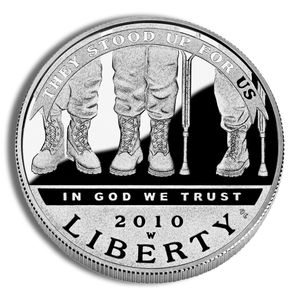
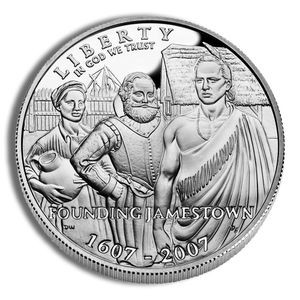
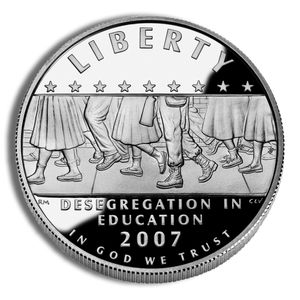
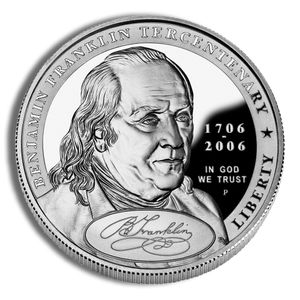
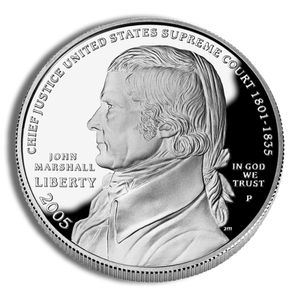
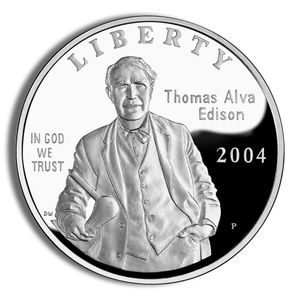
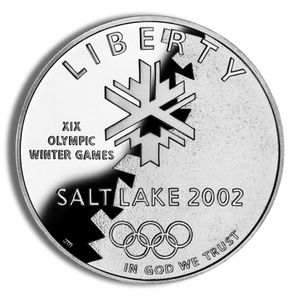
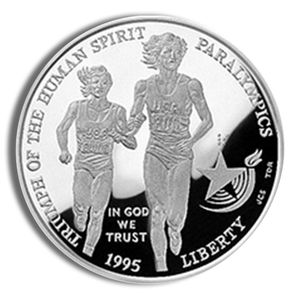
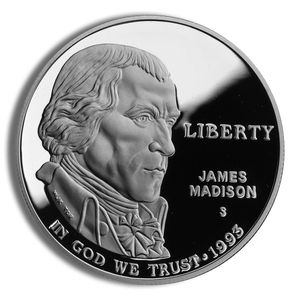
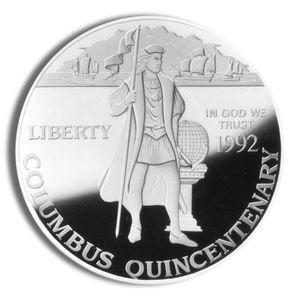
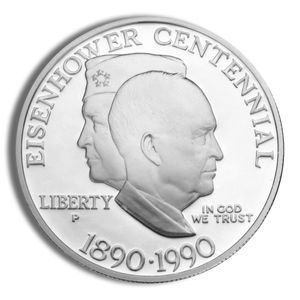
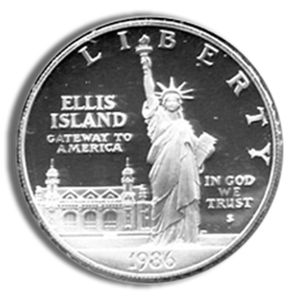
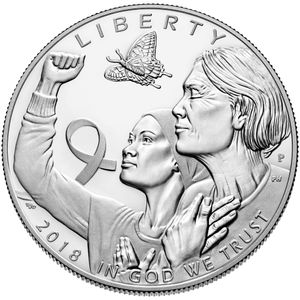
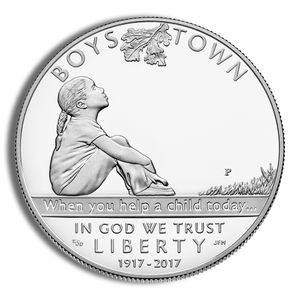
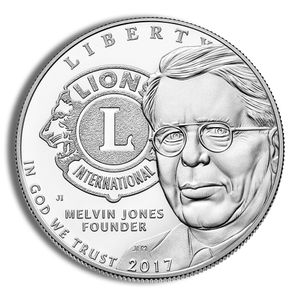
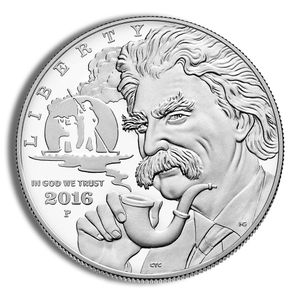
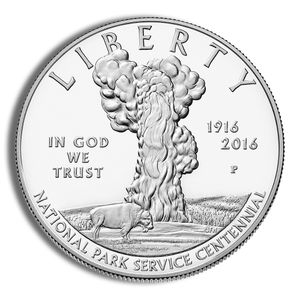
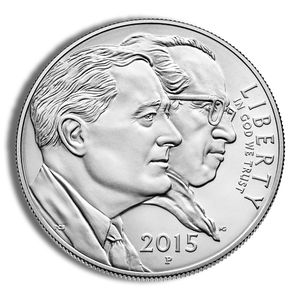
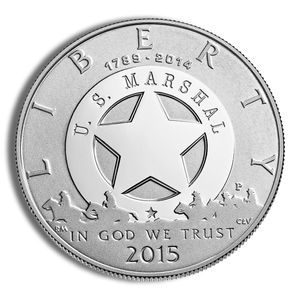
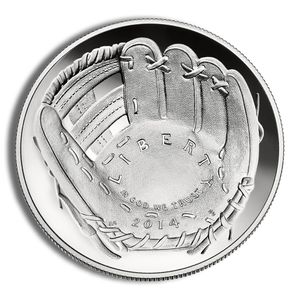
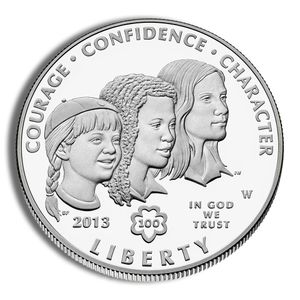
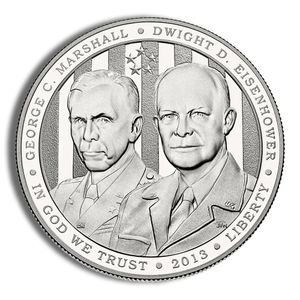
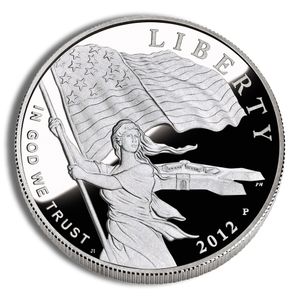
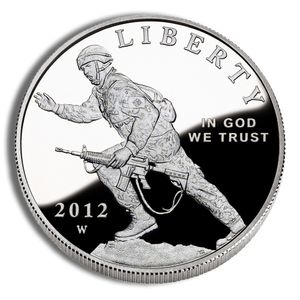
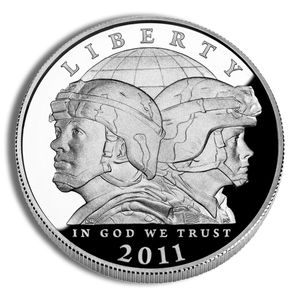
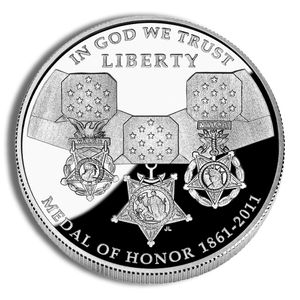
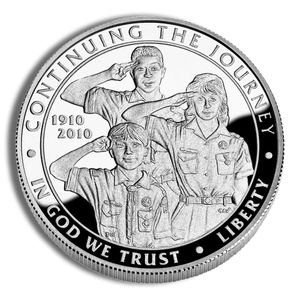
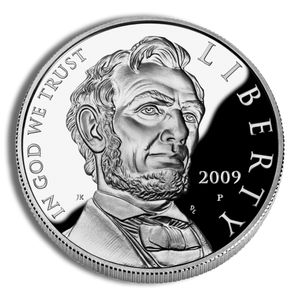
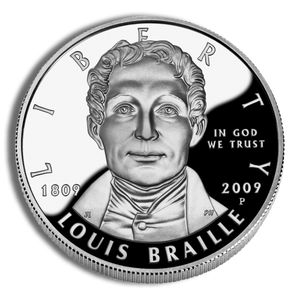
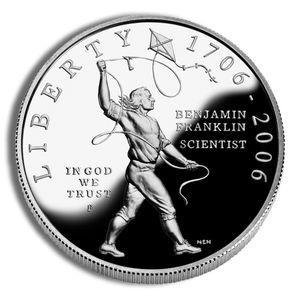
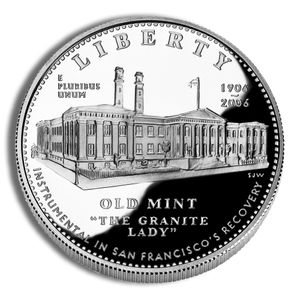
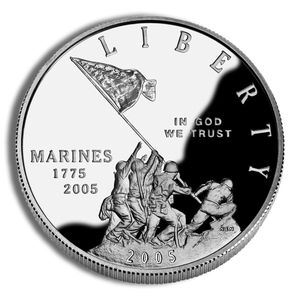
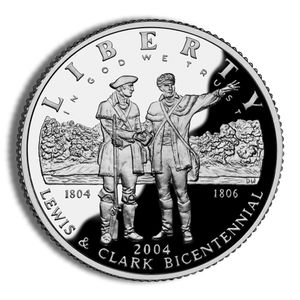
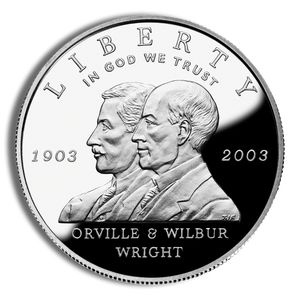
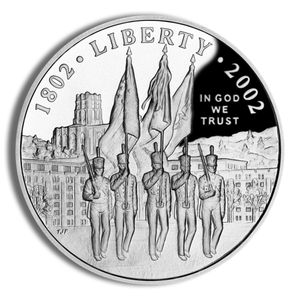
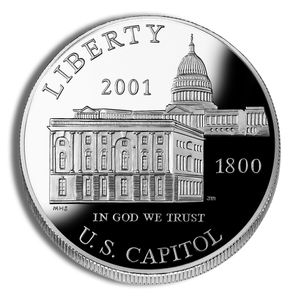
Buy Modern Commemorative Proof Silver Coins Online
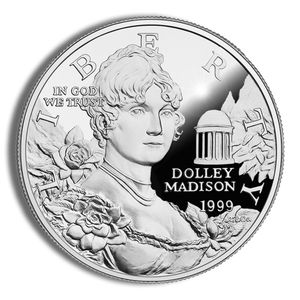
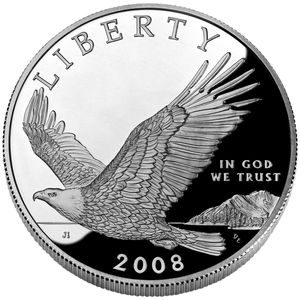
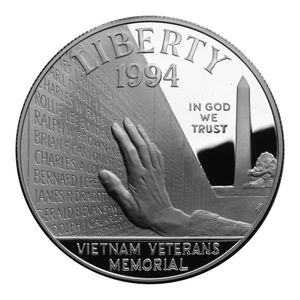
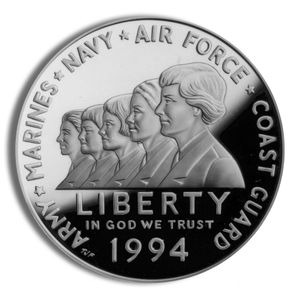
Our catalog of modern commemorative proof silver coins spans decades of United States Mint production, from the 1984-S LA Olympic dollar through the 2019-P Apollo 11 50th anniversary issue. Each coin in this collection was struck by the United States Mint specifically to honor significant people, events, and institutions in American history, and nearly every piece contains 0.7734 troy ounces of .900 fine silver. A handful of later-era issues, including the curved Apollo 11 commemorative, carry .999 fine silver at 0.8595 troy ounces, reflecting evolving mint specifications over time.
The selection here covers mint marks from Philadelphia (P), San Francisco (S), and West Point (W), giving collectors and buyers access to a broad cross-section of commemorative proof coinage issued since the program's modern revival. Packaging ranges from raw brilliant uncirculated examples to certified pieces graded by NGC and PCGS at grades ranging from PF69 to PF70. Whether you're sourcing a specific year, filling a commemorative series, or exploring certified options, the depth of our inventory reflects a focused commitment to this distinct corner of the silver coin market.
Bullion Standard is headquartered in San Diego, California, and has operated as a nationally recognized precious metals marketplace since 2010. Our pricing is structured around real-time market conditions, and every product is verified for authenticity, weight, and purity before it reaches a customer. Buying here means working with a dealer that treats transparency as a core operating principle rather than a marketing claim.
What Are Modern Commemorative Proof Silver Coins?
Modern commemorative proof silver coins are special-issue coins authorized by the United States Congress and produced by the United States Mint to commemorate specific subjects of national significance. Unlike circulating coinage, commemoratives are sold directly by the mint in limited quantities and are never released into general circulation. The "proof" designation refers to the production method: dies are specially prepared and coins are struck multiple times at slower press speeds to produce sharp detail, frosted design elements, and a mirror-like field finish that distinguishes them from standard strikes.
The dollar denomination is the most common format in the modern commemorative program, and the coins produced since 1982 share a consistent specification of 26.73 grams total weight with a .900 fine silver composition, yielding 0.7734 troy ounces of actual silver content. This standardization makes them straightforward to compare and evaluate across the program. Certain later issues, including the Apollo 11 curved coin, deviated from the standard dimensions and composition, offering .999 fine silver in a distinctive curved format that required entirely different minting equipment.
Buyers are drawn to these coins for several reasons. Some pursue the commemorative program as a numismatic collection, tracking each authorized issue by year and subject. Others are primarily interested in the silver content and prefer these pieces for their government-issued backing and recognizable proof finish. A third group focuses specifically on certified examples, particularly PF69 and PF70 specimens graded by PCGS or NGC, where the condition is independently verified and the coin is sealed in a tamper-evident holder.
History and Background
The modern United States commemorative coin program effectively relaunched in 1982 after a hiatus that stretched back to the 1950s. The earlier program had ended partly due to concerns about overproduction and collector fatigue, but Congress revived the concept with a new framework that imposed stricter controls on mintage limits and required that surcharges from coin sales be directed to sponsoring organizations. The 1984-S LA Olympic silver dollar, one of the earliest coins in our catalog, was among the first issues of this revived era and helped establish the template that would define the program for decades.
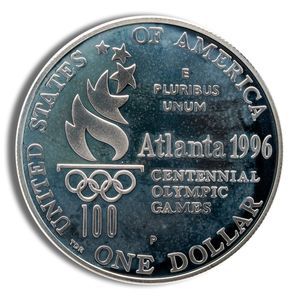
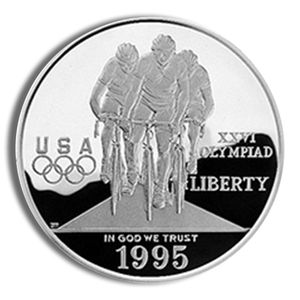
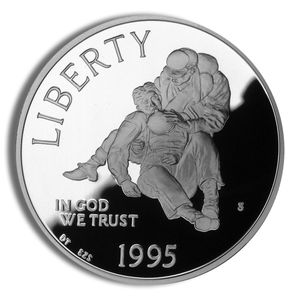
Through the late 1980s and 1990s, the program expanded significantly in scope. The United States Mint struck commemoratives honoring the Statue of Liberty centennial, the bicentennial of the Constitution, Congressional milestones, Olympic Games held both domestically and abroad, and figures ranging from Dwight Eisenhower to Jackie Robinson. The mid-1990s represented one of the most prolific periods, with multiple issues released in a single year tied to events such as the 1995 Civil War sesquicentennial and the 1996 Atlanta Olympics, which generated a large number of individual coin designs across gold and silver denominations.
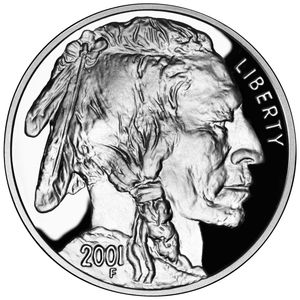
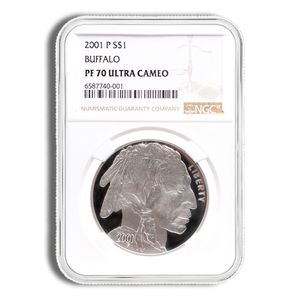
Market reception to the commemorative program has shifted considerably over time. Early issues from the 1980s saw strong collector demand, while some mid-1990s coins struggled with buyer fatigue as the volume of offerings increased. Over subsequent decades, the program returned to a more measured pace, and issues tied to subjects with broad public recognition, such as the 2001-P Buffalo commemorative, the 2014-P Baseball Hall of Fame dollar, and the 2019-P Apollo 11 issue, generated renewed collector interest and premium market activity that continues to influence secondary market pricing today.
Purity, Weight, and Specifications
The overwhelming majority of modern commemorative proof silver dollars share a standard specification established at the program's revival: a total weight of 26.73 grams, a diameter of 38.1 millimeters, and a silver composition of .900 fine, yielding 0.7734 troy ounces of actual silver content. This specification has remained consistent across most issues from 1982 through at least 2018, making it easy to account for silver content across a large portion of the program without variation.
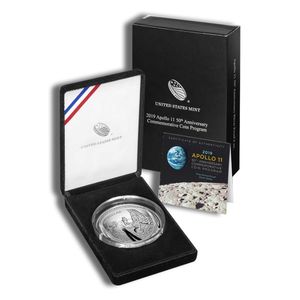
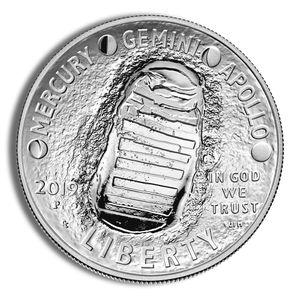
The 2019-P Apollo 11 curved commemorative dollar represents a notable departure from that standard. It carries a .999 fine silver composition and contains 0.8595 troy ounces of actual silver, reflecting both the higher purity and the additional material required for its distinctive curved shape. The curved design was produced using custom equipment developed specifically for this coin and required different production techniques from conventional proof coinage. Buyers evaluating silver content across the catalog should account for this distinction when comparing this piece against standard-specification issues.
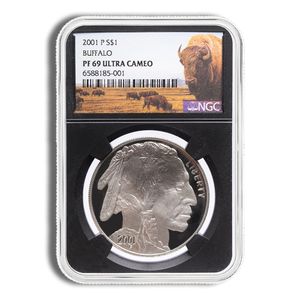
Proof coins struck at the San Francisco, Philadelphia, and West Point mints each carry the corresponding mint mark (S, P, or W) as part of their design. These marks are relevant to collectors tracking specific variants, and in some cases they correspond to different mintage figures across the same commemorative issue. Certified examples graded by NGC or PCGS receive an encapsulated label identifying the coin, year, mint mark, denomination, grade, and grading service, providing a permanent record that accompanies the coin through future transactions.
Available Brands, Mints, and Product Variations
Every coin in our catalog was produced by the United States Mint, which operates facilities in Philadelphia, San Francisco, and West Point. Within the commemorative program, the mint mark on each coin corresponds to the specific facility where it was struck and is considered part of the coin's identity. The San Francisco Mint has historically been associated with high-quality proof production, while the Philadelphia and West Point facilities have also struck commemoratives with equivalent proof specifications. Collectors familiar with the program will recognize which issues are specific to a single facility and which were produced at multiple mints as separate collectible variants.
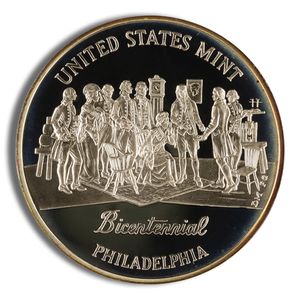
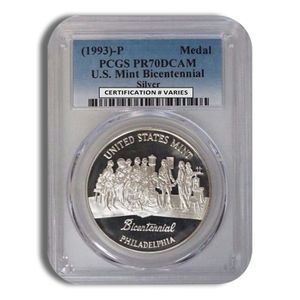
Product variations within this catalog fall into three broad categories. The first is raw brilliant uncirculated (BU) proof coins, which are sold as-received from the mint or in similar original condition without independent grading. The second category includes coins certified by NGC and graded at PF69 or PF70, such as the 2001-P Silver Buffalo NGC PF69 and PF70 options listed separately. The third variation is the PCGS-certified population, represented by coins like the 1993 Bicentennial Silver Medal in PCGS PR70. Certified coins are encapsulated and independently verified, which typically supports tighter spreads and cleaner resale processes in the secondary market.
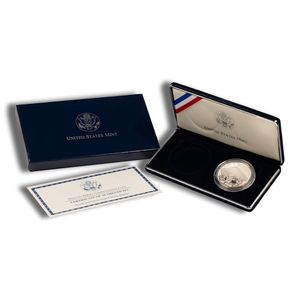
Within the raw BU segment, some listings include original government packaging with the box and certificate of authenticity (COA), as noted in the 2001-P Buffalo Commemorative listing. This distinction matters to collectors who place value on complete original presentation, particularly for issues where the original mint packaging contributes to the overall collectibility of the piece. Buyers should review individual product listings to confirm whether packaging is included, as this detail varies across the catalog.
Pricing, Premiums, and Market Factors
The pricing of modern commemorative proof silver coins involves two distinct components: the silver content value derived from the current spot price of silver, and the numismatic or collector premium applied above that value. For most standard-specification issues at 0.7734 troy ounces of .900 fine silver, the base silver value is relatively consistent and moves with the broader silver market in real time. What varies considerably from one coin to another is the premium, which reflects factors including original mintage figures, current secondary market supply, collector demand for specific subjects, and the condition or certification status of the individual piece.
Certain issues command substantially higher premiums based on their position within the collector market. The 2001-P Silver Buffalo, the 1984-S LA Olympic dollar, and the Apollo 11 series are among the coins most actively traded in the secondary market, and their premiums can diverge significantly from the program's more common mid-1990s issues. Certified examples in PF70, where the coin is assessed as having no post-production imperfections visible under magnification, typically carry the highest premiums within their respective issues. The gap between PF69 and PF70 pricing varies considerably depending on the coin and the certifying service.
Bullion Standard structures its pricing to reflect real-time market conditions rather than fixed markup schedules, and the bid/ask spread visible on each product page gives buyers a concrete picture of the relationship between the purchase price and the current buyback value. For buyers comparing commemorative proof silver coins across multiple platforms, this transparency provides a more complete basis for evaluating total cost of ownership rather than focusing solely on the listed purchase price.
Condition, Packaging, and What to Expect
Proof coins are produced under controlled conditions specifically to achieve high visual quality, but the term "BU" as applied to commemorative proofs in this catalog indicates coins that have been handled and stored carefully without independent grading rather than coins that have been certified. Most raw BU proof examples arrive in either original government capsules, velvet-lined government boxes, or protective flips, depending on how they have been stored and presented before reaching our inventory. Customers purchasing raw BU coins should expect coins in excellent visual condition, though minor contact marks or handling imperfections may be present at magnification, which is why grades below PF70 exist even for carefully handled proof coins.
Certified coins in NGC or PCGS holders offer a different expectation. Once slabbed, the coin is sealed in a hard plastic enclosure with a label confirming its grade, and the holder itself provides protection from handling, environmental exposure, and physical contact. PF69 coins represent pieces that the grading service has assessed as nearly perfect with only minor imperfections visible under close examination, while PF70 examples have been deemed flawless under the same scrutiny. Buyers interested in the highest-grade population for a specific issue should focus on slabbed examples.
For coins listed with original government box and COA, the packaging is part of what you receive and is described explicitly in the product name. Where that notation is absent, packaging details will be reflected in the individual product listing. If maintaining a complete set with original presentation is important for your collection, reviewing the packaging specifics for each piece before purchase is worthwhile.
Authenticity and Verification
Every commemorative proof silver dollar produced by the United States Mint is struck using official dies and carries design elements, edge lettering, and specifications that are standardized and well-documented in the numismatic literature. Authenticity verification for these coins draws on several overlapping methods: physical measurement of diameter and weight against known specifications, examination of design detail consistency, and comparison of surface characteristics against documented proof production standards. Counterfeit commemorative proof coins do exist in the market, which makes familiarity with the genuine article and proper verification practices important for any buyer.
Certified coins graded by NGC or PCGS carry a tamper-evident holder and a unique certification number that can be verified directly on each grading service's online registry. This lookup confirms the coin's details, grade, and certification history, providing an independent layer of verification that goes beyond visual inspection. For buyers who want the highest level of assurance about authenticity and condition without personally verifying each coin, certified examples remove uncertainty from the equation entirely.
Bullion Standard sources products from reputable mints, distributors, and verified wholesalers, and each item is evaluated for authenticity, weight, and purity as part of our standard intake process. Our status as an authorized dealer for both PCGS and NGC, combined with our membership in the American Numismatic Association and the National Coin and Bullion Association, reflects an ongoing commitment to operating within the industry's established standards for product integrity and professional conduct.
Liquidity and Resale Considerations
Modern commemorative proof silver coins occupy a somewhat distinct position in terms of resale liquidity compared to standard bullion coins like the American Silver Eagle. Their value is influenced both by silver content and numismatic demand, which means resale pricing depends on who you're selling to and how actively that particular issue trades in the secondary market. Common issues from the mid-1990s, for example, tend to trade more as silver-content pieces, while higher-profile subjects like the 2001-P Buffalo or the Apollo 11 curved commemorative attract numismatic buyers who are willing to pay premiums beyond the silver melt value.
Certified coins in PF69 and PF70 holders typically carry more predictable resale characteristics because graded populations are tracked by the grading services and buyers can evaluate relative scarcity within a specific grade. Coins slabbed by NGC or PCGS also tend to attract a broader buyer pool because the independent verification removes authentication concerns from the transaction. Raw BU examples are generally priced closer to their silver content plus a modest numismatic premium, and resale in that segment is more dependent on condition assessment at the time of sale.
Recognizable subjects and landmark issues across the commemorative program maintain more consistent resale demand than low-mintage pieces from obscure years that lack a broad collecting base. When building a collection with eventual resale in mind, focusing on coins tied to widely recognized subjects, complete original packaging, or certified high-grade status generally supports a more straightforward exit from the market when the time comes.
Storage and Security
Proof coins are susceptible to surface damage from fingerprints, humidity, atmospheric contaminants, and physical contact in ways that standard bullion coins are not, because the mirror-like fields and frosted design elements that define the proof finish are the first features to show handling wear. Raw proof coins should be stored inside their original government capsules or in purpose-made coin holders without direct contact with the coin's surfaces. Always handle proof coins by the edge, and never touch the obverse or reverse with bare hands.
For raw uncertified pieces, a home safe or fireproof lockbox with controlled humidity is an appropriate storage environment. Silica gel packets placed inside a sealed container can help manage moisture, and temperature-stable environments away from direct sunlight protect both the coins and any original paper COA or packaging. Certified coins in NGC or PCGS holders are more durable in terms of handling and do not require the same degree of care for surface protection, but they still benefit from stable storage conditions and should not be stored in areas exposed to significant temperature swings or moisture.
For larger collections of commemoratives, a third-party vault storage service or bank safe deposit box provides a higher level of physical security and environmental stability than most home setups. If you're holding a collection across multiple certified and raw pieces of meaningful combined value, reviewing your insurance coverage to confirm that numismatic coins are covered at their current market value is an important step that many collectors overlook until it's too late.
Selling and Buyback Options
Selling modern commemorative proof silver coins involves a process similar to selling other recognized silver coins, with a few considerations specific to the commemorative format. Dealer buyback pricing for these pieces typically reflects a combination of current silver spot value, the numismatic demand for the specific issue, the condition of the coin, and whether original packaging or certification accompanies the piece. Certified coins in NGC or PCGS holders tend to move through the resale process more smoothly because the grade has already been independently established, which reduces the back-and-forth over condition assessment that can slow transactions for raw examples.
Original government boxes and certificates of authenticity do carry value in the buyback market for many issues, particularly for coins where complete original presentation is part of what collectors expect. Coins presented with documentation intact typically support better pricing than the same issue without packaging, even when the coin itself is in equivalent condition. Keeping original materials together with the coin from the time of purchase makes the eventual sale process more straightforward.
Bullion Standard operates a two-way market structure, meaning customers can both purchase and sell precious metals within the same platform. Our buying team evaluates commemorative proof silver coins based on the same factors that inform our retail pricing: current silver market conditions, numismatic demand, coin condition, certification status, and product-specific liquidity. The bid price visible on each product page reflects our current buyback pricing in real time, which gives sellers a transparent starting point before initiating a transaction rather than discovering pricing only after the process is underway.
Why Buy Modern Commemorative Proof Silver Coins?
The appeal of modern commemorative proof silver coins lies in the combination of government-issued silver content, highly controlled proof production quality, and the connection to specific moments and figures in American history. For buyers who want silver with a tangible numismatic dimension, these coins offer something that standard rounds and bars simply don't: a documented purpose behind each strike and a production record that includes authorized mintage limits set by Congress. That framework gives each issue a defined context within the broader market.
Collector demand for this program is well-established and spans multiple generations of buyers, from those who followed the program from its 1982 revival to newer collectors drawn to specific designs or certified high-grade populations. Issues tied to the Apollo 11 anniversary, the Buffalo design, or the Baseball Hall of Fame have demonstrated that strong thematic resonance translates to sustained secondary market interest. For buyers drawn to the intersection of silver ownership and numismatic collecting, the commemorative proof program offers one of the most structured and well-documented frameworks available within United States coinage.
The standardized specifications across most of the program also make these coins straightforward to evaluate and compare. With the majority of issues carrying an identical silver content and composition, the primary variable between coins is the numismatic premium, which is driven by subject matter, mintage, condition, and market demand. That clarity makes it easier to understand exactly what you're paying for and why certain coins carry higher premiums than others across the same program.
Why Buy from Bullion Standard?
Bullion Standard was founded in 2010 with the straightforward belief that buying and selling precious metals should be transparent, efficient, and supported by accurate information. Since then, we've grown into a nationally recognized marketplace by applying that principle consistently across every part of the experience, from how we price products to how we handle customer questions after a purchase. Our A rating with the Better Business Bureau, combined with active membership in the American Numismatic Association and the National Coin and Bullion Association, reflects a track record built on doing the straightforward things correctly over time.
As authorized dealers for both PCGS and NGC, we're positioned to source, verify, and offer certified coins with confidence, and our intake process ensures that every product, whether certified or raw, meets standards for authenticity, weight, and purity before it ships. The bid/ask spread visible on every product page gives buyers an honest look at the relationship between purchase price and current buyback value, which is a level of transparency that most dealers don't provide upfront. We believe that information belongs in front of you before the transaction, not after.
Our payment options are designed around convenience and security, covering Visa, Mastercard, American Express, Discover, PayPal, Plaid-connected bank payments, wire transfer, paper check, and cryptocurrency through BitPay. Fulfillment is handled with the same attention to process, and our customer service team is accessible when questions arise. The goal is a purchasing experience that feels professionally managed and straightforwardly honest from first click to final delivery.
Get Near-Spot Pricing with Bullion Standard Pro
Bullion Standard Pro is designed for buyers who want direct access to live wholesale bid and ask pricing across a broad range of precious metals products, including modern commemorative proof silver coins. Rather than applying fixed retail markups, the Pro platform operates on executable wholesale market pricing that reflects real-time supply and demand conditions at the wholesale level. This means the premiums and spreads you see are a function of actual market activity rather than predetermined retail pricing structures, and they fluctuate as market conditions change.
For buyers who are price-sensitive or transact with enough frequency that spread efficiency matters meaningfully, Pro membership provides a different kind of access than standard retail purchasing. Members can see live wholesale pricing, evaluate bid/ask spreads across products, access portfolio valuation using live executable wholesale bid pricing, and use proprietary analytics tools that help identify how individual products are pricing relative to their historical norms. Premium percentile rankings, spread analysis, and liquidity metrics provide context that's difficult to replicate using spot price charts alone.
The platform also includes product research and comparison tools that allow members to sort and evaluate coins and other precious metals products using objective metrics rather than marketing claims. For collectors and buyers navigating a program as varied as the modern commemorative proof series, where individual issues carry dramatically different premiums based on subject and rarity, having access to historical premium data and comparative analytics transforms how you evaluate each piece in the catalog. Bullion Standard Pro is built on the principle that better information leads to better decisions, and the commemorative proof market is exactly the kind of nuanced environment where that advantage is most meaningful.

 (833) 278-4653