Buy Morgan and Peace Silver Dollars Online
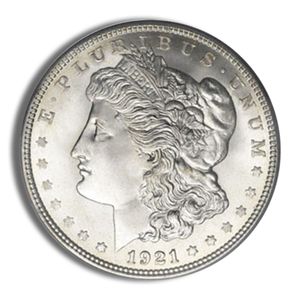
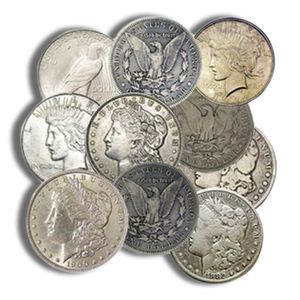
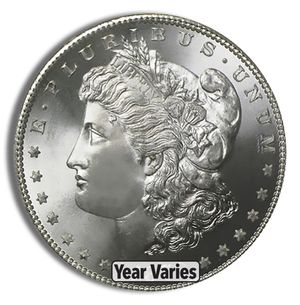
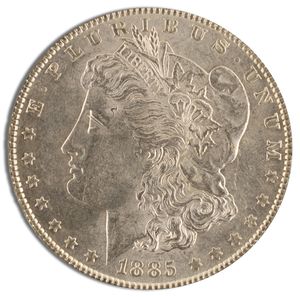
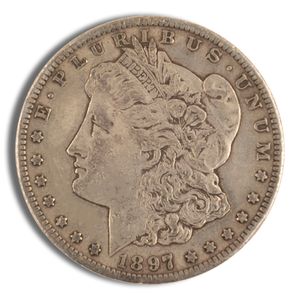
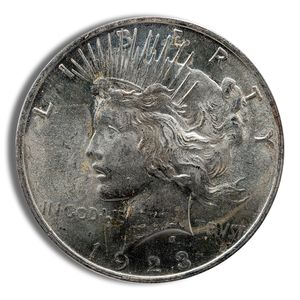
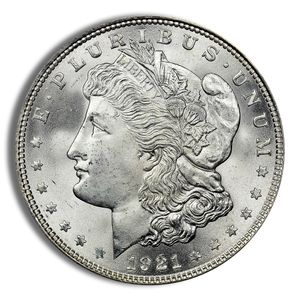
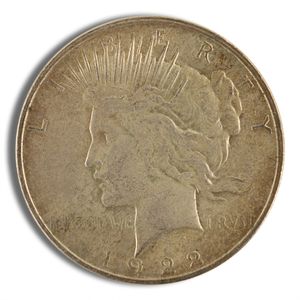
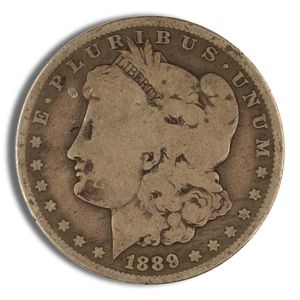
Our catalog features a broad selection of morgan and peace silver dollars spanning multiple grade levels, date ranges, and conditions, giving buyers the flexibility to match their specific needs and budget. You'll find everything from cull-grade circulated examples to brilliant uncirculated specimens, including classic date-range morgans from 1878 to 1904, the distinctive 1921 morgan dollar, and peace dollars in AU, BU, fine, and cull grades.
Every product is sourced through verified wholesale channels, authenticated for weight and purity, and priced with real-time market transparency. Whether you're acquiring raw circulated coins for their silver content or hand-selecting higher-grade pieces for their numismatic character, the selection here reflects actual market availability rather than a curated showroom.
Bullion Standard was founded in San Diego in 2010 and has grown into a nationally recognized precious metals marketplace by prioritizing pricing clarity and transparent sourcing. That same philosophy applies here, where premiums are structured to reflect current market conditions and the bid/ask spread on each product page gives you a complete picture of both acquisition cost and current resale value.
What Are Morgan and Peace Silver Dollars?
Morgan and peace silver dollars are United States government-issued coins struck in 90% silver, each containing 0.7734 troy ounces of pure silver. The morgan dollar was produced from 1878 through 1921, while the peace dollar succeeded it from 1921 through 1935. Both series share the same silver content and legal tender status, making them functionally equivalent in terms of silver weight while carrying distinct numismatic identities.
Unlike modern silver rounds or privately minted bullion, these coins carry the weight of official United States Mint production. Their silver content is standardized, their authenticity is well-documented, and their market recognition across both the bullion and numismatic communities is broad. Buyers typically approach them from one of two angles: as 90% silver coinage valued primarily by their metal content, or as collectible coins where grade, date, and mint mark carry measurable premiums above spot.
Condition grades range from cull, where a coin shows heavy wear or damage, through good, fine, extremely fine, about uncirculated, and brilliant uncirculated. Each grade tier reflects a meaningfully different level of surface detail, luster, and collector appeal, which in turn influences pricing above the baseline silver value.
History and Background
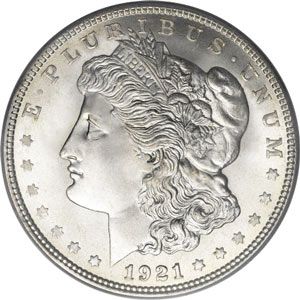
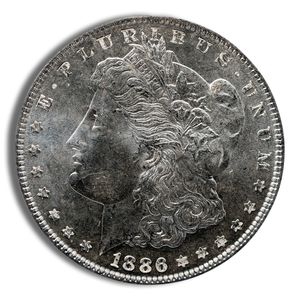
The morgan dollar takes its name from George T. Morgan, the assistant engraver at the United States Mint who designed the coin in 1878. Its production coincided with a period of significant domestic silver mining output following the Comstock Lode discovery, and the Bland-Allison Act of 1878 mandated Treasury purchases of silver for coinage, driving large-scale production at the Philadelphia, New Orleans, San Francisco, and Carson City mints. The coins circulated widely and were also stockpiled in Treasury vaults in enormous quantities, which is why so many survive today in higher grades.
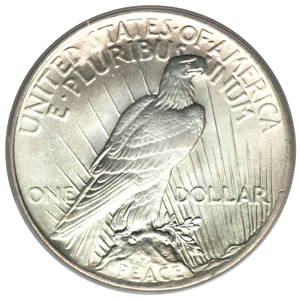
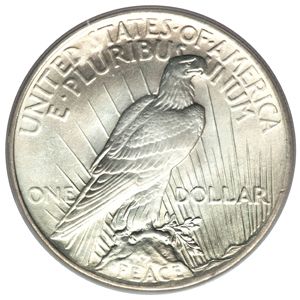
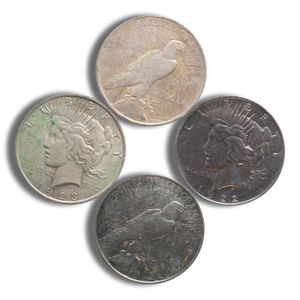
Production halted in 1904 when silver reserves declined, briefly resumed for a single year in 1921, and then gave way to the peace dollar, which was designed by sculptor Anthony de Francisci. The peace dollar reflected the cultural mood following World War I, with Liberty's crowned profile on the obverse and a perched eagle clutching an olive branch on the reverse. Peace dollar production ran through 1935, ending as the United States moved away from large silver dollar circulation.
Both series re-entered the collector and bullion market in force during the 1960s and 1970s when the Treasury released millions of previously vaulted morgan dollars through General Services Administration sales. That event introduced enormous quantities of uncirculated coins to the market, shaping the supply dynamics and pricing behavior that collectors and buyers encounter today. The GSA-held coins from the Carson City Mint remain among the most referenced examples of how government vault releases can permanently influence a coin's market history.
Purity, Weight, and Specifications
Both morgan and peace silver dollars are struck in an alloy of 90% silver and 10% copper, a composition standardized under the Coinage Act of 1873. Each coin has a gross weight of 26.73 grams, with an actual silver weight of 0.7734 troy ounces. This consistent specification is what ties them so directly to spot silver pricing and makes them straightforward to value relative to current market rates.
The coins measure 38.1 millimeters in diameter with a reeded edge, and their physical dimensions have remained consistent across all production years and mint facilities. There are no serialized assay markings or certificates as you'd find with modern silver bars, but the coin's design itself serves as a primary authentication feature. Morgan dollars carry a mint mark on the reverse below the eagle, while peace dollars place the mint mark above the word "DOLLAR."
The 0.7734 troy ounce silver content figure is the standard used for pricing and is consistent across every coin in this catalog regardless of year, grade, or mint origin. One important note: the "worse than cull" morgan/peace dollar listed separately carries a slightly rounded figure of 0.773 troy ounces, reflecting that heavily damaged or altered coins may carry a minor variance in cataloged weight.
Available Brands, Mints, and Product Variations
All coins in this catalog were produced by the United States Mint, with production distributed across facilities in Philadelphia, New Orleans, San Francisco, Carson City, and Denver depending on the year. The 1878 to 1904 date-range morgans listed here are offered as "various" mint mark coins, meaning the specific mint of origin may vary within that date span. This is standard practice for bulk silver coinage and is reflected in the pricing structure.
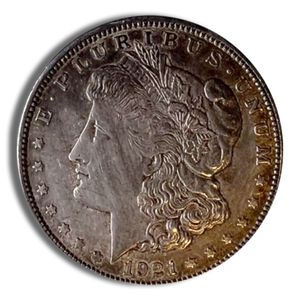
The 1921 morgan dollar is a distinct product from the earlier date-range offerings. The 1921 Philadelphia issue was struck in higher quantities than most earlier morgans and carries somewhat different collector dynamics as a result. It's available here in AU, BU, fine, and cull conditions. The peace dollar series carries its own separate listings in AU, AU, BU random year, fine, and cull grades, covering coins struck between 1921 and 1935.
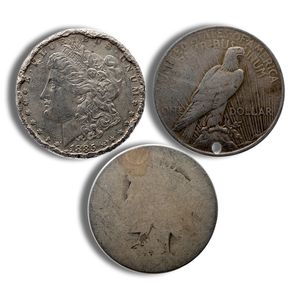
The catalog also includes a mixed cull silver dollar product covering either peace or morgan dollars, as well as a "worse than cull" random year option for buyers focused purely on silver content at the lowest available cost. These mixed-type or below-cull offerings represent genuine market product, commonly used by buyers who prioritize silver weight per dollar over any numismatic consideration.
Pricing, Premiums, and Market Factors
Pricing for morgan and peace silver dollars moves in relationship to the spot price of silver, with the premium above spot varying based on grade, year, and product type. Cull and circulated grades typically carry the tightest premiums, reflecting their use primarily as silver content plays. BU and AU grades carry wider premiums that incorporate both the silver value and the numismatic demand associated with their visual quality and market desirability.
Supply dynamics matter here in ways that differ from modern silver bullion. The 1878 to 1904 morgan dollars are a finite historical supply, meaning premium behavior can shift when circulated inventories tighten or when collector demand moves. The 1921 morgan and the peace dollar series have somewhat different supply profiles given their higher original mintage numbers in many cases. The "random year" and "various mint" designations reflect real market sourcing realities: dealers acquire these coins in bulk through numismatic wholesale networks, and specific dates or mint marks may not always be available to select.
Bullion Standard structures pricing to reflect real-time market conditions, and each product page displays the bid/ask spread so buyers can evaluate the full cost of ownership, not just the ask price. This transparency is central to our marketplace model. For buyers making frequent or volume-based purchases, Bullion Standard Pro provides access to live executable wholesale pricing that narrows the spread further, allowing price-sensitive buyers to transact closer to actual wholesale market levels.
Condition, Packaging, and What to Expect
Morgan and peace silver dollars sold as circulated coins will show wear appropriate to their grade designation. Cull coins may exhibit heavy wear, cleaning, scratches, rim damage, or other marks that reduce numismatic value without affecting the underlying silver content. Fine and good grades show moderate to heavy wear on high-relief areas but maintain readable design details. AU coins retain a majority of their original mint luster with only light wear on elevated surfaces.
BU coins are brilliant uncirculated and will display original mint luster across the surfaces, though contact marks and bag marks are entirely normal and expected for Morgan-era coins that were stored loose in canvas bags for decades. These are not flaws; they're part of the historical production and storage reality for this series. Cosmetically pristine BU examples exist but are not the standard for raw, ungraded coins sold at bullion premiums.
Coins in this catalog are sold as raw, ungraded pieces unless otherwise specified. They are not encapsulated by PCGS, NGC, or another third-party grading service. Random year and various mint mark products will be fulfilled based on current inventory, and specific dates or mint facilities cannot be requested or guaranteed. Packaging is straightforward, with coins typically shipped in protective flips, tubes, or secure padded mailers depending on quantity.
Authenticity and Verification
Authenticating morgan and peace silver dollars requires familiarity with the coin's physical characteristics, including weight, diameter, design details, and edge reeding. Genuine examples will measure 26.73 grams and 38.1 millimeters with consistent reeded edges. Counterfeit morgan dollars do exist in the marketplace, particularly in grades where the premium above silver content is most significant, making sourcing from established, verified dealers an important baseline for buyers.
Bullion Standard is an authorized PCGS and NGC dealer and a member of both the American Numismatic Association and the National Coin and Bullion Association. Every coin in our inventory is verified for authenticity, weight, and purity before being made available for sale. Our sourcing network draws from reputable numismatic wholesalers, institutional distributors, and established market channels with documented chain of custody.
For buyers who want additional authentication certainty on higher-grade pieces, PCGS and NGC encapsulation remains the industry standard. Slabbed coins carry a tamper-evident holder, a verified grade, and a certification number traceable through each service's online registry. While the products in this catalog are sold raw, buyers seeking third-party certified examples can find those through our broader numismatic inventory.
Liquidity and Resale Considerations
Morgan and peace silver dollars are among the most widely recognized and actively traded silver coins in the United States market. Their 90% silver composition is universally understood, their authenticity markers are well-established, and their demand spans both the coin collecting and bullion communities simultaneously. This dual-market demand provides broader resale optionality compared to many other silver products.
Circulated 90% silver coinage, commonly referred to as "junk silver" in the trade, maintains a highly liquid resale market. Dealers, coin shows, online platforms, and auction houses all actively buy and sell circulated morgan and peace dollars. Higher-grade raw examples and certified specimens trade through more numismatic-focused channels where pricing is influenced by population data, collector demand, and registry competition for specific date and mint mark combinations.
Liquidity for these coins is generally considered strong relative to many other silver products, but grade and condition do influence which buying channels are most efficient for resale. Cull and circulated coins move quickly through wholesale silver markets, while BU and AU examples benefit from numismatic buyer networks that may offer premiums above strict silver melt value. Understanding this distinction before purchasing is worthwhile, and Bullion Standard's bid pricing structure on each product page gives you a realistic starting point for evaluating expected resale value.
Storage and Security
Morgan and peace silver dollars are durable coins by design, but proper storage still protects both their physical condition and their long-term marketability. For circulated or cull coins purchased strictly for silver content, protection from moisture and environmental contamination is the primary concern. Airtight plastic tubes, sealed coin bags, and low-humidity storage environments are practical and cost-effective solutions for bulk holdings.
Higher-grade AU and BU examples deserve more careful handling to preserve their surfaces and luster. Cotton or nitrile gloves should be used when handling uncirculated coins directly, and individual protective flips or hard plastic holders reduce the risk of additional contact marks. Storing BU coins in original tubes when possible helps maintain consistent surface quality across a group of coins acquired together.
Larger holdings benefit from secure storage beyond a standard home environment. Home safes rated for both fire and theft protection provide a practical entry point, while bank safe deposit boxes and third-party precious metals vault services offer institutional-level security for significant accumulations. For buyers with substantial positions, segregated vault storage through a reputable custodian provides documented, insured protection with straightforward access when it's time to sell or transfer.
Selling and Buyback Options
Selling morgan and peace silver dollars back into the market is generally straightforward given their broad recognition and active dealer networks. The primary factors that influence buyback pricing are the coin's grade, condition, year, mint mark where specified, and current silver spot pricing. Coins sold as mixed or random year inventory are typically bid on their silver content, while specific higher-grade or key-date pieces may carry numismatic premiums in resale.
Bullion Standard operates a two-way market, meaning you can both purchase and sell silver dollars within the same platform. This structure is intentional. We believe liquidity should be part of the purchasing decision, not an afterthought when it's time to exit a position. Our purchasing team actively bids on morgan and peace silver dollars at competitive market rates, and the buyback pricing on each product page reflects live market conditions rather than arbitrary dealer quotes.
Condition and original packaging influence buyback value in practical ways. Cull coins or mixed-type lots are generally priced close to silver melt. BU and AU coins that arrive in undamaged, original condition maintain stronger bid pricing than similarly graded coins showing additional handling damage. Buyers who store and protect their coins appropriately from the point of purchase tend to realize better buyback outcomes when they're ready to sell.
Why Buy Morgan and Peace Silver Dollars?
Few silver products carry the same combination of historical significance, market liquidity, and accessible price points that morgan and peace silver dollars offer. Their 90% silver composition is universally understood in both dealer and private markets, and their recognizability means they rarely require explanation at the point of resale. That immediate market recognition matters in practical terms when you need to transact quickly.
The grade flexibility available in this catalog is a genuine advantage. Buyers focused on silver content at the most efficient price point can access cull and circulated examples, while those with a stronger interest in coin quality can select AU or BU examples that carry numismatic character alongside their bullion value. This range doesn't exist in the same way with modern silver rounds or generic bars, making this series uniquely adaptable across different buyer profiles and priorities.
There's also a straightforward appeal in owning coins that have genuine historical provenance. Morgan and peace dollars circulated through real American commerce, were handled in real transactions, and represent a specific chapter in United States monetary history. That tangible connection to history adds a dimension to ownership that modern bullion products simply can't replicate, and it contributes to the ongoing collector demand that supports broader market liquidity across all grade levels.
Why Buy from Bullion Standard?
Bullion Standard has operated as a precious metals dealer since 2010 and has built its reputation on a straightforward philosophy: pricing should be transparent, sourcing should be verified, and customers should have access to the information they need to make informed decisions. Our A Better Business Bureau rating, ANA membership, and NCBA membership reflect the operational standards we hold ourselves to across every transaction.
Every morgan and peace silver dollar in our inventory has been verified for authenticity, weight, and purity before being listed for sale. We source through established numismatic wholesale networks with documented provenance, and our status as an authorized PCGS and NGC dealer reflects the authentication standards we apply across our numismatic product lines. Buyers aren't relying on marketing claims; they're relying on a sourcing and verification process with real institutional backing.
Our checkout process supports a wide range of payment methods including Visa, Mastercard, American Express, Discover, PayPal, Plaid bank connections, wire transfer, paper check, and cryptocurrency through BitPay. Fulfillment is handled with secure, insured shipping, and our customer service team is accessible and responsive through the post-purchase process. The experience is designed to feel like a transparent marketplace rather than a high-pressure sales environment, because that's how we believe precious metals should be bought and sold.
Get Near-Spot Pricing with Bullion Standard Pro
Bullion Standard Pro is designed for buyers who want to transact closer to actual wholesale market pricing. Members gain access to live executable wholesale bid and ask pricing across the catalog, including morgan and peace silver dollars, without the additional dealer markups or fixed retail spreads common in the traditional dealer model. Premiums and spreads reflect real-time supply and demand within the wholesale market, which means pricing adjusts naturally as market conditions evolve rather than being held at static retail levels.
For buyers accumulating silver in meaningful quantities, the difference between retail-spread pricing and near-wholesale pricing adds up across multiple transactions. Bullion Standard Pro also provides real-time portfolio valuation based on live wholesale bid pricing, giving members a more accurate picture of current liquidation value rather than estimated retail prices. This distinction matters when you're evaluating the actual market value of what you own.
Beyond pricing efficiency, Pro members have access to proprietary market intelligence tools including premium analysis, spread tracking, liquidity metrics, and historical pricing data across the catalog. These tools are designed to reduce the information asymmetry that has traditionally existed between retail buyers and wholesale market participants. The goal is to make the physical precious metals market more transparent and more efficient for buyers at every level of experience.

 (833) 278-4653