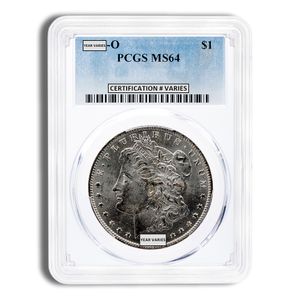
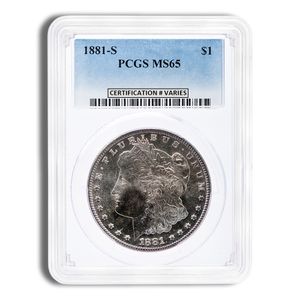
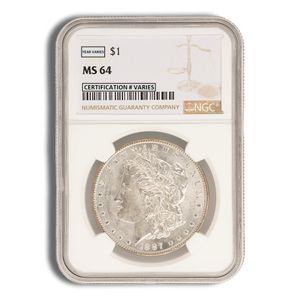
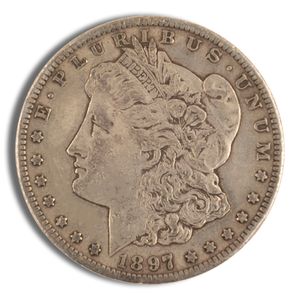
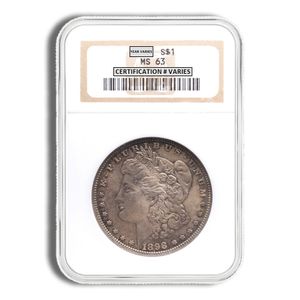
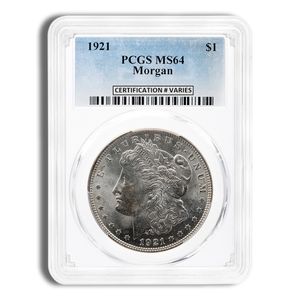
The Morgan Silver Dollar is one of the most recognized and widely collected coins in American numismatic history. Struck by the United States Mint in .900 fine silver with a total weight of 0.7734 troy ounces, these coins were produced across several mint facilities between 1878 and 1904 before a final revival year in 1921. This example has been graded MS66 by the Professional Coin Grading Service (PCGS) and carries natural toning, distinguishing it from typical uncirculated examples. We carry authenticated, PCGS-certified examples that allow collectors and buyers to acquire pieces with confidence in their assigned grade and overall integrity.
An MS66 designation places this coin well above the average uncirculated survivor, indicating exceptional eye appeal, sharp strike, and minimal disturbances to the surfaces. The addition of toning further distinguishes each individual piece, as no two toned coins develop identical color patterns.
The Morgan Dollar was born out of the Bland-Allison Act of 1878, which required the U.S. Treasury to purchase silver and convert it into standard silver dollar
…The Morgan Silver Dollar is one of the most recognized and widely collected coins in American numismatic history. Struck by the United States Mint in .900 fine silver with a total weight of 0.7734 troy ounces, these coins were produced across several mint facilities between 1878 and 1904 before a final revival year in 1921. This example has been graded MS66 by the Professional Coin Grading Service (PCGS) and carries natural toning, distinguishing it from typical uncirculated examples. We carry authenticated, PCGS-certified examples that allow collectors and buyers to acquire pieces with confidence in their assigned grade and overall integrity.
An MS66 designation places this coin well above the average uncirculated survivor, indicating exceptional eye appeal, sharp strike, and minimal disturbances to the surfaces. The addition of toning further distinguishes each individual piece, as no two toned coins develop identical color patterns.
The Morgan Dollar was born out of the Bland-Allison Act of 1878, which required the U.S. Treasury to purchase silver and convert it into standard silver dollars. The coin takes its name from George T. Morgan, the British-born Assistant Engraver at the Philadelphia Mint who designed it. Production spanned the Philadelphia, New Orleans, San Francisco, Carson City, and Denver mints, each identified by a distinct mintmark on the reverse.
The original production run lasted from 1878 through 1904, at which point striking was suspended due to declining silver supplies authorized under earlier legislation. The sheer volume of coins produced across multiple mints over more than two decades created enormous diversity in date and mintmark combinations, many of which carry meaningfully different market premiums based on relative scarcity. The Morgan Dollar era represents a distinct chapter in American monetary history, coinciding with rapid industrial growth and the national debate over silver coinage that defined late 19th century politics.
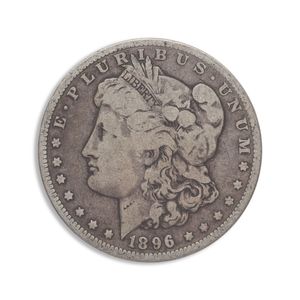
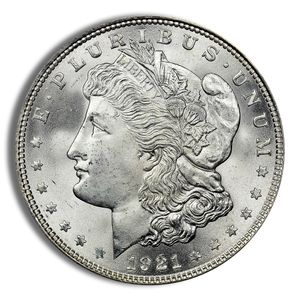
The obverse features a left-facing portrait of Liberty wearing a coronet inscribed with the word LIBERTY, surrounded by thirteen stars representing the original colonies. Morgan modeled the portrait on Anna Willess Williams, a Philadelphia school teacher, giving the design a classical and distinctly American character. The date and mintmark placement vary slightly by year and facility, adding to the visual diversity across the series.
The reverse depicts a heraldic eagle with outstretched wings, clutching arrows and an olive branch, with a wreath below and the inscriptions UNITED STATES OF AMERICA and ONE DOLLAR framing the design. The overall composition is bold and well-defined, and high-grade examples like this MS66 specimen showcase the full intended depth of Morgan's engraving with crisp feather detail and sharp lettering. Toning on coins of this caliber typically reflects decades of careful storage, and when original, it adds visual complexity and collector desirability rather than detracting from the coin's appeal.
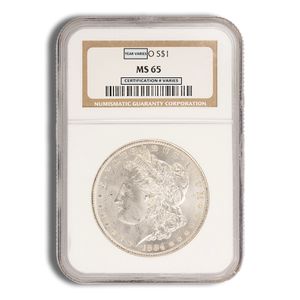
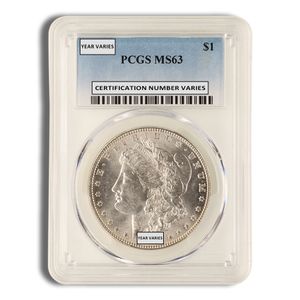
PCGS certification is the definitive authentication standard for this type of coin. Every PCGS-graded coin has been examined by a panel of professional numismatists, assigned a grade on the 70-point Sheldon scale, and sealed in a tamper-evident holder with a unique certification number traceable through the PCGS registry. MS66 represents a coin with superior mint luster, a sharp or better strike, and no more than a few light contact marks that are not immediately obvious. The toning designation indicates that PCGS has assessed the color as original rather than artificially induced.
We are an authorized PCGS dealer, which means we carry certified coins that have passed through the formal grading process and can be verified directly through PCGS online resources. The combination of third-party certification and our authorized dealer status provides a reliable framework for assessing what you are acquiring before completing a purchase.
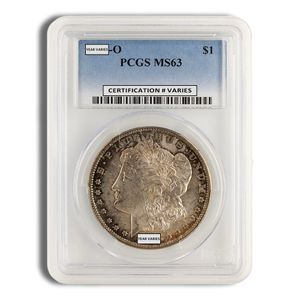
MS66 is a high-end uncirculated grade that reflects exceptional preservation relative to the Morgan Dollar population. Coins at this grade level display nearly full luster with only minor, non-detracting contact marks, and the strike is typically well above average. The toning on this particular piece is a defining characteristic and is considered by PCGS to be natural in origin, which is a meaningful distinction in the collector market.
As a graded numismatic coin, this Morgan Dollar ships encapsulated in its original PCGS holder. The slab itself provides physical protection and displays the assigned grade, certification number, and designation on its label. No additional handling or re-encapsulation is performed on our end. Each piece is treated as an individual certified collectible rather than a standard bullion item, and packaging reflects that accordingly.
The base value of a Morgan Silver Dollar begins with its silver content, calculated against the current spot price for silver. At .900 fine silver and 0.7734 troy ounces of total weight, the actual silver content of each coin is approximately 0.7736 ounces of pure silver after accounting for alloy composition. That said, for a PCGS MS66 toned example, the numismatic premium above melt value is typically the more significant pricing factor.
MS66 Morgan Dollars command meaningful premiums based on date, mintmark, strike quality, and the visual appeal of the toning. Coins with original, vibrant, or aesthetically compelling toning frequently attract stronger demand from registry collectors and toned coin specialists, which can push premiums well above those of untoned examples at the same grade. Our pricing reflects current wholesale market conditions and the specific characteristics of the individual coin.
PCGS-certified Morgan Dollars have a deep and active secondary market supported by auction houses, dealers, collector communities, and online platforms. The standardized grading system makes it straightforward to establish market value and compare prices across similar examples, which supports efficient resale for holders of certified coins. MS66 toned specimens occupy a specific niche within that market, and demand is driven largely by registry collectors and buyers focused on originality and eye appeal.
We operate as a two-way market, meaning customers can sell as well as buy within our platform. For coins of this caliber and certification, liquidity is closely tied to the current collector market for Morgan Dollars at the MS66 grade level, which remains consistently active. Understanding that dynamic before purchasing is part of the informed approach we encourage across all product categories.
An MS66 toned Morgan Dollar from the pre-1921 series represents one of the more distinctive offerings within the broader certified coin market. The combination of historical significance, confirmed third-party grading, and the presence of original toning creates a coin that appeals simultaneously to type collectors, date-and-mintmark specialists, and toning enthusiasts. Few American silver coin series attract as diverse a collector base as the Morgan Dollar, which contributes to sustained market depth across a wide range of dates and grades.
At the MS66 grade level, the coin is visually compelling in ways that lower-grade examples simply cannot match. The surfaces retain original luster beneath the toning, the strike is sharp, and the overall presentation reflects careful long-term handling. For collectors who prioritize eye appeal and certification integrity over raw silver content, this type of coin offers a meaningful alternative to standard bullion products.
We have been operating in the physical precious metals and numismatic market since 2010, and our approach has always been centered on transparency and long-term trust. As an authorized PCGS and NGC dealer, we handle certified coins with an understanding of what those designations mean and how they translate to real market value. Our A rating with the Better Business Bureau and active membership in both the American Numismatic Association (ANA) and the National Coin and Bullion Association (NCBA) reflect the standards we hold ourselves to across every transaction.
Rather than operating as a one-directional sales environment, we have built our platform around a two-way market model that considers both the buying and the selling sides of every transaction. We believe that a buyer who understands the full picture, including premiums, bid/ask spreads, and resale dynamics, makes better decisions and has a more productive long-term experience. Our pricing is structured around real-time market conditions, and our goal is to give you the information you need to purchase with confidence rather than pressure you toward a transaction.
Bullion Standard Pro gives members access to live, executable wholesale bid and ask pricing across a broad catalog of precious metals products. For numismatic coins like this PCGS MS66 toned Morgan Dollar, Pro tools can help members understand how wholesale market pricing compares to retail premiums, how spreads have evolved over time, and how liquidity characteristics differ between certified numismatic pieces and standard bullion products. Real-time portfolio valuation based on current wholesale bid prices gives members a clearer picture of actual liquidation value rather than a static estimate.
The platform also provides access to historical premium data and proprietary analytics that allow members to evaluate market conditions for specific product categories rather than relying on general assumptions. For collectors and buyers who are building positions in certified coins, that level of market visibility adds a meaningful dimension to the decision-making process.
We support a wide range of payment methods to ensure that completing a purchase is straightforward and secure regardless of how you prefer to transact. Accepted options include Visa, Mastercard, American Express, Discover, PayPal, bank-connected payments through Plaid, wire transfer, paper check, and cryptocurrency via BitPay. Each method is integrated into a secure transaction environment designed to protect your purchase from start to finish.
Whether you are completing a single certified coin purchase or building out a larger holding, our payment infrastructure is built around flexibility and reliability. We keep the process simple so your focus can remain on making an informed decision rather than navigating unnecessary friction at checkout.
Product ID: BST-0021352A9F
| Random Year Status | Random Year |
|---|---|
| Precious Metal Type | Silver |
| Bullion Coin Type | Morgan Dollar |
| Format | Coin |
| Country of Origin | United States |
| Brand/Mint | U.S. Mint |
| Mint Mark | Various |
| Purity | 0.9 |
| Weight | 0.7734 oz |
| Thickness (mm) | 2.4 mm |

| Diameter (mm) | 38.1 mm |
| Inner Pack (Quantity) | 20 |
| Grade | MS66 |
| Grading Service | PCGS |
The Morgan Silver Dollar is one of the most recognized and widely collected coins in American numismatic history. Struck by the United States Mint in .900 fine silver with a total weight of 0.7734 troy ounces, these coins were produced across several mint facilities between 1878 and 1904 before a final revival year in 1921. This example has been graded MS66 by the Professional Coin Grading Service (PCGS) and carries natural toning, distinguishing it from typical uncirculated examples. We carry authenticated, PCGS-certified examples that allow collectors and buyers to acquire pieces with confidence in their assigned grade and overall integrity.
An MS66 designation places this coin well above the average uncirculated survivor, indicating exceptional eye appeal, sharp strike, and minimal disturbances to the surfaces. The addition of toning further distinguishes each individual piece, as no two toned coins develop identical color patterns.
The Morgan Dollar was born out of the Bland-Allison Act of 1878, which required the U.S. Treasury to purchase silver and convert it into standard silver dollar
…The Morgan Silver Dollar is one of the most recognized and widely collected coins in American numismatic history. Struck by the United States Mint in .900 fine silver with a total weight of 0.7734 troy ounces, these coins were produced across several mint facilities between 1878 and 1904 before a final revival year in 1921. This example has been graded MS66 by the Professional Coin Grading Service (PCGS) and carries natural toning, distinguishing it from typical uncirculated examples. We carry authenticated, PCGS-certified examples that allow collectors and buyers to acquire pieces with confidence in their assigned grade and overall integrity.
An MS66 designation places this coin well above the average uncirculated survivor, indicating exceptional eye appeal, sharp strike, and minimal disturbances to the surfaces. The addition of toning further distinguishes each individual piece, as no two toned coins develop identical color patterns.
The Morgan Dollar was born out of the Bland-Allison Act of 1878, which required the U.S. Treasury to purchase silver and convert it into standard silver dollars. The coin takes its name from George T. Morgan, the British-born Assistant Engraver at the Philadelphia Mint who designed it. Production spanned the Philadelphia, New Orleans, San Francisco, Carson City, and Denver mints, each identified by a distinct mintmark on the reverse.
The original production run lasted from 1878 through 1904, at which point striking was suspended due to declining silver supplies authorized under earlier legislation. The sheer volume of coins produced across multiple mints over more than two decades created enormous diversity in date and mintmark combinations, many of which carry meaningfully different market premiums based on relative scarcity. The Morgan Dollar era represents a distinct chapter in American monetary history, coinciding with rapid industrial growth and the national debate over silver coinage that defined late 19th century politics.
The obverse features a left-facing portrait of Liberty wearing a coronet inscribed with the word LIBERTY, surrounded by thirteen stars representing the original colonies. Morgan modeled the portrait on Anna Willess Williams, a Philadelphia school teacher, giving the design a classical and distinctly American character. The date and mintmark placement vary slightly by year and facility, adding to the visual diversity across the series.
The reverse depicts a heraldic eagle with outstretched wings, clutching arrows and an olive branch, with a wreath below and the inscriptions UNITED STATES OF AMERICA and ONE DOLLAR framing the design. The overall composition is bold and well-defined, and high-grade examples like this MS66 specimen showcase the full intended depth of Morgan's engraving with crisp feather detail and sharp lettering. Toning on coins of this caliber typically reflects decades of careful storage, and when original, it adds visual complexity and collector desirability rather than detracting from the coin's appeal.
PCGS certification is the definitive authentication standard for this type of coin. Every PCGS-graded coin has been examined by a panel of professional numismatists, assigned a grade on the 70-point Sheldon scale, and sealed in a tamper-evident holder with a unique certification number traceable through the PCGS registry. MS66 represents a coin with superior mint luster, a sharp or better strike, and no more than a few light contact marks that are not immediately obvious. The toning designation indicates that PCGS has assessed the color as original rather than artificially induced.
We are an authorized PCGS dealer, which means we carry certified coins that have passed through the formal grading process and can be verified directly through PCGS online resources. The combination of third-party certification and our authorized dealer status provides a reliable framework for assessing what you are acquiring before completing a purchase.
MS66 is a high-end uncirculated grade that reflects exceptional preservation relative to the Morgan Dollar population. Coins at this grade level display nearly full luster with only minor, non-detracting contact marks, and the strike is typically well above average. The toning on this particular piece is a defining characteristic and is considered by PCGS to be natural in origin, which is a meaningful distinction in the collector market.
As a graded numismatic coin, this Morgan Dollar ships encapsulated in its original PCGS holder. The slab itself provides physical protection and displays the assigned grade, certification number, and designation on its label. No additional handling or re-encapsulation is performed on our end. Each piece is treated as an individual certified collectible rather than a standard bullion item, and packaging reflects that accordingly.
The base value of a Morgan Silver Dollar begins with its silver content, calculated against the current spot price for silver. At .900 fine silver and 0.7734 troy ounces of total weight, the actual silver content of each coin is approximately 0.7736 ounces of pure silver after accounting for alloy composition. That said, for a PCGS MS66 toned example, the numismatic premium above melt value is typically the more significant pricing factor.
MS66 Morgan Dollars command meaningful premiums based on date, mintmark, strike quality, and the visual appeal of the toning. Coins with original, vibrant, or aesthetically compelling toning frequently attract stronger demand from registry collectors and toned coin specialists, which can push premiums well above those of untoned examples at the same grade. Our pricing reflects current wholesale market conditions and the specific characteristics of the individual coin.
PCGS-certified Morgan Dollars have a deep and active secondary market supported by auction houses, dealers, collector communities, and online platforms. The standardized grading system makes it straightforward to establish market value and compare prices across similar examples, which supports efficient resale for holders of certified coins. MS66 toned specimens occupy a specific niche within that market, and demand is driven largely by registry collectors and buyers focused on originality and eye appeal.
We operate as a two-way market, meaning customers can sell as well as buy within our platform. For coins of this caliber and certification, liquidity is closely tied to the current collector market for Morgan Dollars at the MS66 grade level, which remains consistently active. Understanding that dynamic before purchasing is part of the informed approach we encourage across all product categories.
An MS66 toned Morgan Dollar from the pre-1921 series represents one of the more distinctive offerings within the broader certified coin market. The combination of historical significance, confirmed third-party grading, and the presence of original toning creates a coin that appeals simultaneously to type collectors, date-and-mintmark specialists, and toning enthusiasts. Few American silver coin series attract as diverse a collector base as the Morgan Dollar, which contributes to sustained market depth across a wide range of dates and grades.
At the MS66 grade level, the coin is visually compelling in ways that lower-grade examples simply cannot match. The surfaces retain original luster beneath the toning, the strike is sharp, and the overall presentation reflects careful long-term handling. For collectors who prioritize eye appeal and certification integrity over raw silver content, this type of coin offers a meaningful alternative to standard bullion products.
We have been operating in the physical precious metals and numismatic market since 2010, and our approach has always been centered on transparency and long-term trust. As an authorized PCGS and NGC dealer, we handle certified coins with an understanding of what those designations mean and how they translate to real market value. Our A rating with the Better Business Bureau and active membership in both the American Numismatic Association (ANA) and the National Coin and Bullion Association (NCBA) reflect the standards we hold ourselves to across every transaction.
Rather than operating as a one-directional sales environment, we have built our platform around a two-way market model that considers both the buying and the selling sides of every transaction. We believe that a buyer who understands the full picture, including premiums, bid/ask spreads, and resale dynamics, makes better decisions and has a more productive long-term experience. Our pricing is structured around real-time market conditions, and our goal is to give you the information you need to purchase with confidence rather than pressure you toward a transaction.
Bullion Standard Pro gives members access to live, executable wholesale bid and ask pricing across a broad catalog of precious metals products. For numismatic coins like this PCGS MS66 toned Morgan Dollar, Pro tools can help members understand how wholesale market pricing compares to retail premiums, how spreads have evolved over time, and how liquidity characteristics differ between certified numismatic pieces and standard bullion products. Real-time portfolio valuation based on current wholesale bid prices gives members a clearer picture of actual liquidation value rather than a static estimate.
The platform also provides access to historical premium data and proprietary analytics that allow members to evaluate market conditions for specific product categories rather than relying on general assumptions. For collectors and buyers who are building positions in certified coins, that level of market visibility adds a meaningful dimension to the decision-making process.
We support a wide range of payment methods to ensure that completing a purchase is straightforward and secure regardless of how you prefer to transact. Accepted options include Visa, Mastercard, American Express, Discover, PayPal, bank-connected payments through Plaid, wire transfer, paper check, and cryptocurrency via BitPay. Each method is integrated into a secure transaction environment designed to protect your purchase from start to finish.
Whether you are completing a single certified coin purchase or building out a larger holding, our payment infrastructure is built around flexibility and reliability. We keep the process simple so your focus can remain on making an informed decision rather than navigating unnecessary friction at checkout.