Buy 1 oz Palladium Coins Online
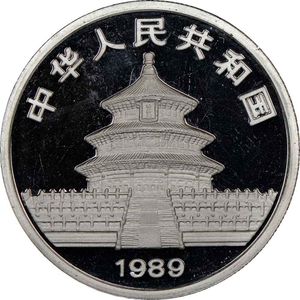
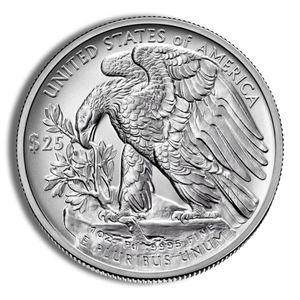
Our catalog of 1 oz palladium coins brings together some of the most recognized government-issued palladium bullion available in the market today. From the iconic Palladium American Eagle produced by the United States Mint at West Point to the long-running Canadian Palladium Maple Leaf from the Royal Canadian Mint, the selection spans multiple sovereign minting programs, finish types, and grade levels. Buyers will also find international options including the Chinese Palladium Panda from the Central Mint of China, the Russian Palladium Ballerina from the Moscow Mint, and the Isle of Man Angel from the Pobjoy Mint.
Beyond standard brilliant uncirculated coins, the catalog includes certified examples graded MS70 and PF70 by both NGC and PCGS, proof editions, reverse proof finishes, and burnished coins with original government packaging, boxes, and Certificates of Authenticity. Whether you're focused on a specific year, mint mark, or condition tier, the range is structured to accommodate different priorities across one consistent platform.
Bullion Standard applies the same transparent pricing approach to every product in this catalog. Each listing reflects real-time market conditions, and the bid/ask spread is displayed directly on product pages so buyers can evaluate both the acquisition cost and the expected resale value before completing a purchase. That level of pricing clarity is built into how we operate, not added as an afterthought.
What Are 1 oz Palladium Coins?
A 1 oz palladium coin is a government-minted bullion coin containing one troy ounce of palladium as its primary metallic content. Unlike collector coins valued largely for numismatic rarity, palladium bullion coins are produced for their metallic content and are priced primarily in relation to the prevailing spot price of palladium on the wholesale market. They carry legal tender status in their countries of origin, though their intrinsic palladium value far exceeds any nominal face denomination.
The 1 oz format is the standard for palladium coins globally. Unlike gold and silver, which are available in a wide range of fractional and large-format options, the palladium coin market is largely concentrated in the one-troy-ounce size. This makes the format both the entry point and the primary vehicle for palladium coin ownership. Coins in this category typically carry purities of 0.9995 or 0.999 fine palladium, depending on the issuing mint.
Buyers choose palladium coins for a variety of reasons. Government-backed production provides recognizability in the secondary market, which matters when it comes time to resell. The coin format is also more portable and individually divisible than bar formats, and certified versions graded by third-party services like NGC or PCGS offer additional assurance regarding condition and authenticity for buyers who require that level of documentation.
History and Background
Palladium's presence as a monetary metal developed far later than gold or silver. The metal was discovered in 1803 by English chemist William Hyde Wollaston, who named it after the asteroid Pallas. For much of the nineteenth and twentieth centuries, palladium remained primarily an industrial material, valued for its catalytic properties, electrical conductivity, and role in chemical processing. Its path into the bullion coin market didn't begin in earnest until the 1980s and 1990s.
The Soviet Union and later Russia were among the earliest issuers of palladium bullion coins, producing the Palladium Ballerina series beginning in 1989. The Isle of Man introduced palladium versions of its Angel coin during the same era, and China's Panda program included palladium editions through the 1990s. These programs established early frameworks for palladium as a monetized commodity, though the overall market remained smaller than those for gold or silver due to lower public familiarity with the metal.
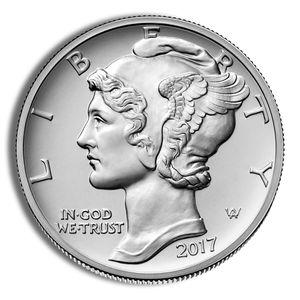
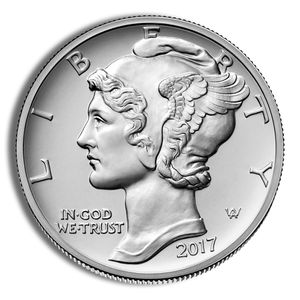
The launch of the Palladium American Eagle in 2017 marked a turning point in the modern market. Authorized by Congress under the American Eagle Palladium Bullion Coin Act, the coin was the first palladium legal tender coin produced by the United States Mint. Its introduction brought considerably more mainstream attention to palladium as a collectible and tradeable bullion format, and subsequent annual releases in proof, reverse proof, and burnished variants expanded the depth of the American Eagle palladium series significantly.
Purity, Weight, and Specifications
The standard purity for most major palladium coins is either 0.9995 fine or 0.999 fine palladium. American Eagle coins from the United States Mint carry a fineness of 0.9995, as do Canadian Maple Leaf coins from the Royal Canadian Mint. The Chinese Panda and Isle of Man Angel coins carry a 0.999 purity designation. Both purity levels are considered investment-grade and are acceptable across the global bullion market, with the 0.9995 designation representing a marginally higher metallic content per coin.
All coins in this catalog weigh one troy ounce, which is approximately 31.103 grams. Troy weight is the standard measurement system used throughout the precious metals industry and differs from the more commonly encountered avoirdupois ounce. Diameter specifications vary by issuing mint, with American Eagle coins measuring approximately 34.036 millimeters and other coins in the range of 34 to 38.6 millimeters depending on their origin. Thickness also varies, typically between 2.5 and 3.5 millimeters.
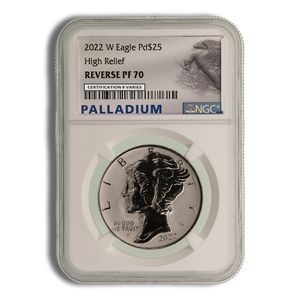
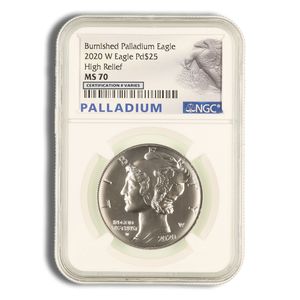
Certified coins graded by NGC or PCGS are encapsulated in tamper-evident plastic slabs that display the coin's grade, series information, and certification number. This encapsulation preserves the coin's condition and provides a verifiable record of its grading assessment. Ungraded coins are typically housed in individual capsules, tubes, or original government packaging depending on the product.
Available Brands, Mints, and Product Variations
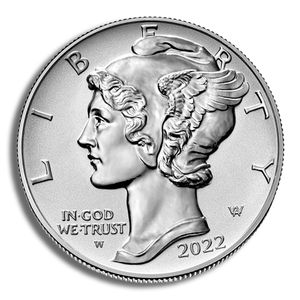
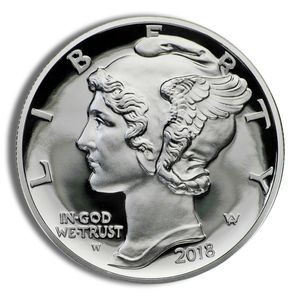
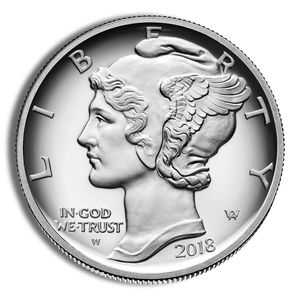
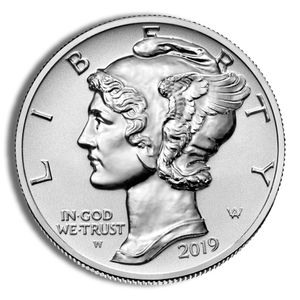
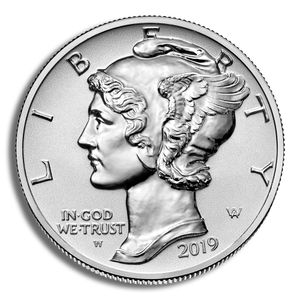
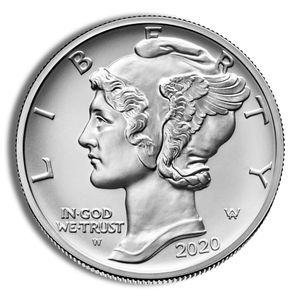
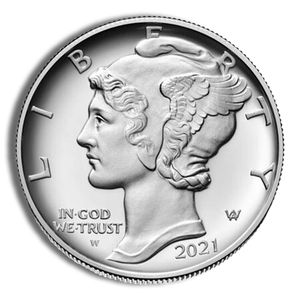
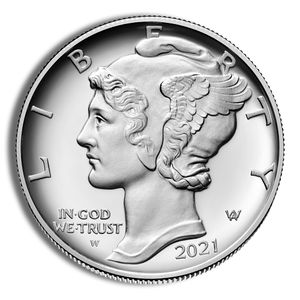
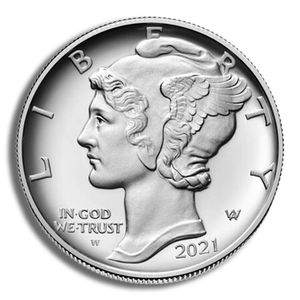
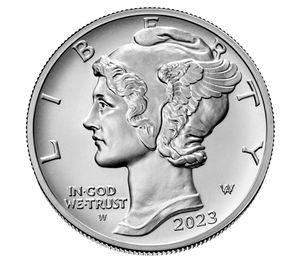
The American Eagle series from the United States Mint at West Point dominates this catalog in terms of product depth. Available editions span from the initial 2017 bullion release through the 2023 burnished version, with year-specific variants including standard BU strikes, proof editions released in 2018 and 2021, reverse proof versions from 2019 and 2022, and the burnished 2020 and 2023 editions. Several of these are presented with original boxes and Certificates of Authenticity, while others are available as raw coins or in NGC- and PCGS-certified MS70 and PF70 holders.
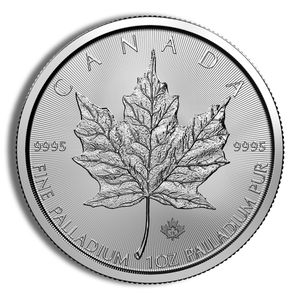
The Canadian Palladium Maple Leaf from the Royal Canadian Mint is one of the longest-running palladium coin programs in the world. Offered here as a random year brilliant uncirculated coin, it features the iconic maple leaf reverse and carries a 0.9995 fineness, matching the American Eagle's purity specification. The Maple Leaf is widely recognized in the secondary market and is packaged in rolls of ten coins.
International options include the Chinese Palladium Panda from the Central Mint of China, also available as a random year BU coin with a 0.999 purity, and the Russian Palladium Ballerina from the Moscow Mint, which carries a 0.9995 fineness and a 25-rouble denomination. The Isle of Man Palladium Angel, produced by the Pobjoy Mint, rounds out the international representation and features a notably larger 38.6-millimeter diameter. A sovereign mint random coin option in 0.9995 palladium is also available for buyers who prioritize metallic content over specific mint designation.
Pricing, Premiums, and Market Factors
The price of a 1 oz palladium coin is calculated using the current spot price of palladium as a base, with a premium added above that figure to account for minting costs, distribution, dealer margins, and market demand for that specific product. Palladium premiums tend to be higher than those seen on comparable gold or silver products due to the metal's thinner market and lower overall trading volume globally. The scarcity of palladium relative to gold further concentrates supply, and disruptions in primary production regions can move premiums materially in both directions.
Within this catalog, premium variation also reflects product-specific factors. Certified coins graded MS70 or PF70 by NGC or PCGS carry meaningfully higher premiums than raw BU equivalents, reflecting the cost of third-party grading, the selectivity of the 70-grade threshold, and the additional demand from collectors seeking certified specimens. Proof and reverse proof editions from the United States Mint also carry higher premiums than standard bullion strikes due to lower mintage figures and more intensive production processes. Random year coins from programs like the Maple Leaf or Panda generally trade at lower premiums than specific dated examples because buyers accept year variability in exchange for cost efficiency.
Bullion Standard's pricing reflects real-time market conditions, and each product page displays the bid/ask spread so buyers can assess the full cost picture before committing. Understanding both the purchase premium and the expected buyback value provides a more complete view of what ownership actually costs, which is why that information is made transparent rather than obscured behind a single listed price.
Condition, Packaging, and What to Expect
Standard brilliant uncirculated coins arrive in protective capsules or direct-fit holders and are handled with care throughout the fulfillment process. These coins are in new, unhandled condition from the issuing mint, though minor contact marks or surface variations can occur during the minting and packaging process and are not considered defects. For random year products, such as the Maple Leaf or Panda offerings, the specific year received will vary based on available inventory, and requesting a particular date is not available under that listing structure.
Products listed as coming with box and Certificate of Authenticity, including the 2018, 2019, 2021, and 2022 American Eagle editions, ship with the original United States Mint presentation case and accompanying documentation intact. These remain in sealed or near-sealed condition, preserving their presentation for buyers who value the complete original packaging. The COA provides the coin's mintage year, metal content, and purity verification directly from the issuing authority.
Certified coins encapsulated by NGC or PCGS ship in their original grading service holders. These plastic slabs are tamper-evident, and any visible sign of tampering would immediately raise a flag during verification. Labels on certified coins may vary by edition, and listings noting "label varies" reflect the range of label designs that NGC or PCGS may apply for a given coin across different release batches.
Authenticity and Verification
Every palladium coin sold through Bullion Standard is sourced from reputable mints, authorized distributors, and established wholesale channels. Each product is verified for authenticity, weight, and purity before it is made available for purchase. Government-issued palladium coins carry built-in authenticity advantages because their production is tightly controlled by national minting authorities using precise alloy compositions and standardized manufacturing processes.
The United States Mint, Royal Canadian Mint, and other sovereign minting programs incorporate anti-counterfeiting features into their palladium coins. The Canadian Maple Leaf uses radial line security patterns on both obverse and reverse fields, and certain editions include micro-engraved security elements. The American Eagle's detailed relief design and specific dimensional tolerances also serve as baseline verification references. Palladium's physical properties, including its density and magnetic response, provide additional means of authentication when professional testing equipment is available.
For buyers seeking the highest level of condition assurance, NGC and PCGS certified versions in this catalog offer independently verified grading and tamper-evident encapsulation. As an authorized dealer for both NGC and PCGS, Bullion Standard is positioned to source and authenticate certified products with direct knowledge of grading standards. The certification number on each slab can be independently verified through the respective grading service's public registry at any time.
Liquidity and Resale Considerations
Liquidity in the palladium coin market is more concentrated than in gold or silver, but it remains meaningful for widely recognized products. American Eagle palladium coins benefit from their United States government backing, established mintage records, and the institutional familiarity that comes with being part of the broader American Eagle program. The Maple Leaf similarly benefits from its Royal Canadian Mint pedigree and long track record in global bullion markets. These characteristics make them among the most straightforward palladium coins to resell through dealers, marketplaces, and direct buyer channels.
Certified coins in MS70 or PF70 holders can trade at premiums above raw equivalents in secondary markets, particularly when the underlying coin series has collector following and limited mintage. However, certified premium preservation is not guaranteed and depends on market demand for that specific grade and label variant at the time of resale. Random year and generic sovereign mint coins tend to trade closer to spot with tighter spreads, making them more liquid in straightforward bullion transactions but less likely to carry significant numismatic premiums.
Understanding the bid/ask spread for any palladium coin before purchase gives a more realistic picture of what resale looks like at current market conditions. Bullion Standard displays this spread on each product page precisely because liquidity should be part of the evaluation process, not something a buyer encounters for the first time when they decide to sell.
Storage and Security
Individual 1 oz palladium coins are compact and relatively straightforward to store securely. For buyers holding a small number of coins, a quality home safe rated for fire and theft resistance provides a practical baseline. Coins should remain in their capsules, tubes, or original packaging to protect surfaces from environmental exposure, handling damage, and tarnishing, though palladium is naturally resistant to oxidation and requires less maintenance than silver in that regard.
For larger holdings, a private vault depository or bank safe deposit box offers enhanced security without the logistical overhead of home storage. Many buyers use a combination of both, keeping a portion readily accessible and storing the remainder off-site. Third-party vault services that specialize in precious metals storage typically offer segregated or allocated storage options, insurance coverage, and periodic auditing.
Certified coins in graded slabs should be stored flat or in dedicated slab storage boxes to avoid cracking or warping of the encapsulation over time. Original government packaging for proof and special edition coins should be kept intact, as condition of the original box and COA can influence resale expectations, particularly for collectors or buyers who prioritize presentation.
Selling and Buyback Options
Bullion Standard operates a two-way market, which means customers can both purchase and sell palladium coins within the same platform using competitive buyback pricing. Rather than treating the sell side as a secondary concern, the platform is built around the idea that liquidity matters from the moment a purchase decision is made. When you're ready to sell, the process is designed to be straightforward, with buyback pricing that reflects current market conditions rather than arbitrary dealer discretion.
Buyback pricing for palladium coins is influenced by several product-specific factors. Mint recognition plays a significant role, with American Eagle and Maple Leaf coins commanding tighter spreads due to their widespread familiarity in the dealer and wholesale markets. Condition and packaging matter as well. Coins in original capsules or intact government packaging with COA documentation typically receive stronger buyback consideration than unpackaged or heavily handled coins. Certified coins in MS70 or PF70 holders may attract premium buyback pricing when collector demand for that grade is present, though this is market-dependent.
The cleaner and more recognizable the product, the more efficiently it moves through the resale process. Bullion Standard's purchasing team evaluates each product based on current market conditions, palladium spot pricing, and product-specific liquidity factors. Sellers can initiate the process directly through the platform, and the experience is structured to prioritize transparency and speed rather than unnecessary friction.
Why Buy 1 oz Palladium Coins?
The 1 oz coin format is the primary vehicle for palladium ownership in bullion form. Unlike gold or silver, where buyers can distribute ownership across a range of fractional and multi-ounce formats, the palladium coin market is centered on this single weight. That concentration means the 1 oz coin carries the broadest market recognition and the most straightforward path to both purchase and resale within this metal category.
Palladium's supply profile adds a distinct dimension to this market. Primary palladium production is geographically concentrated, with Russia and South Africa accounting for the substantial majority of global mine output. The metal also has significant industrial demand, particularly from automotive catalytic converter manufacturing, where it functions as a key component in emissions control systems for gasoline-powered vehicles. Electronics, dental applications, and chemical processing contribute additional demand streams. This industrial consumption profile means palladium pricing is influenced not only by investment-driven flows but also by real-world manufacturing activity.
Government-issued coins provide a verifiable structure for ownership. The legal tender designation, sovereign mint backing, and standardized specifications that come with coins from the United States Mint, Royal Canadian Mint, or other major programs give buyers a recognized, auditable product. For those who want additional verification, certified versions graded by NGC or PCGS provide condition documentation and tamper-evident encapsulation, making the palladium coin format one of the more fully documented ways to hold the metal in physical form.
Why Buy from Bullion Standard?
Bullion Standard was founded in 2010 in San Diego, California, with a focus on building a more transparent and trustworthy precious metals marketplace. Over the years, that foundation has grown into a nationally recognized platform with an A rating from the Better Business Bureau and active memberships in the American Numismatic Association and the National Coin and Bullion Association. As an authorized dealer for both NGC and PCGS, Bullion Standard is equipped to source and authenticate certified palladium coins with direct industry standing behind each transaction.
Products are sourced from reputable mints, refineries, wholesalers, and authorized distributors, and every item is verified for authenticity, weight, and purity before reaching the customer. The checkout experience is designed with security and simplicity in mind, supporting a wide range of payment methods including Visa, Mastercard, American Express, Discover, PayPal, Plaid-connected bank transfers, wire transfer, paper check, and cryptocurrency through BitPay. Fulfillment is reliable, shipping is handled with appropriate security measures, and customer support is accessible throughout the process.
What separates Bullion Standard from a traditional dealer model is the emphasis on pricing transparency and the two-way market structure. Buyers can see the bid/ask spread on each product page before committing to a purchase, and they can return to that same platform when it's time to sell. The goal is not just to facilitate a transaction but to give customers the information and infrastructure to make decisions they can stand behind long after the purchase is complete.
Get Near-Spot Pricing with Bullion Standard Pro
Bullion Standard Pro is designed for buyers who want pricing that reflects the wholesale market directly rather than a traditional retail markup structure. Members access live, executable wholesale bid and ask pricing across the palladium coin catalog, with no additional dealer spread layered on top. Premiums and spreads fluctuate based on actual supply and demand conditions in the underlying wholesale market, which means pricing moves the way markets move rather than being anchored to static retail structures.
For buyers who transact regularly or in larger quantities, this model creates meaningful pricing efficiency over time. The difference between retail and near-wholesale execution compounds across multiple transactions, and having visibility into live executable pricing allows members to evaluate market timing with real data rather than estimates. Portfolio valuation within Bullion Standard Pro is also based on live wholesale bid pricing, which provides a more accurate picture of current liquidation value compared to retail-estimated portfolio tools.
Beyond pricing, Bullion Standard Pro provides access to proprietary market intelligence tools that extend well beyond what most platforms make available. Historical premium analysis, spread tightness metrics, liquidity rankings, and wholesale market activity data allow members to evaluate individual palladium coins using measurable, objective criteria. For a market as specialized as palladium, where product-specific pricing dynamics can shift quickly based on supply concentration and industrial demand, that level of analytical depth represents a substantive advantage in making informed purchasing and selling decisions.


 (833) 278-4653