Buy Secondary Market Silver Online
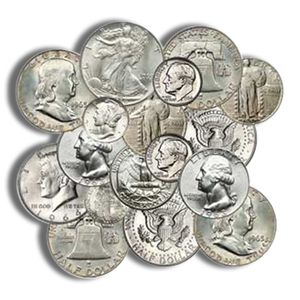
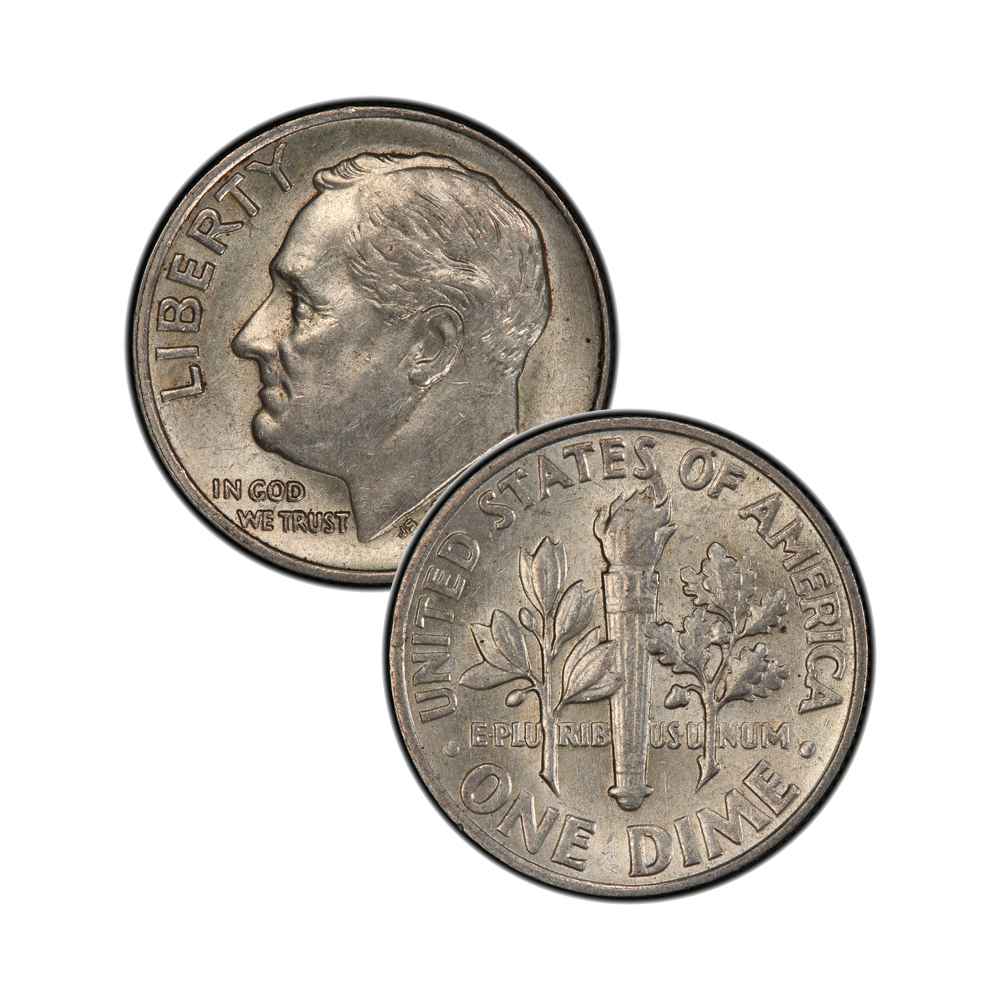
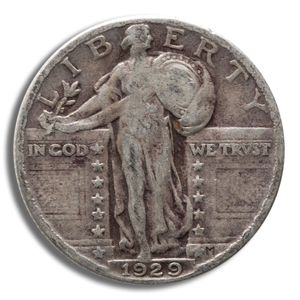
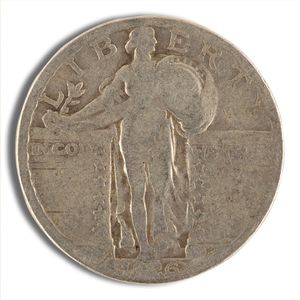
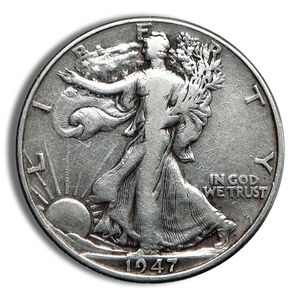
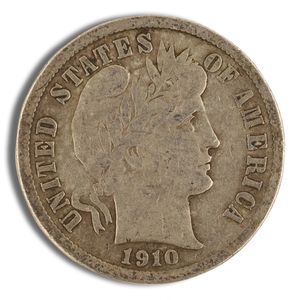
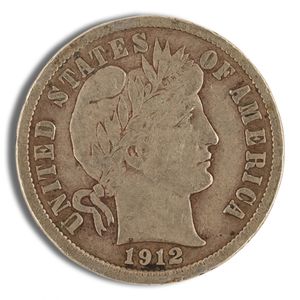
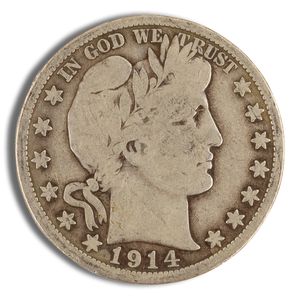
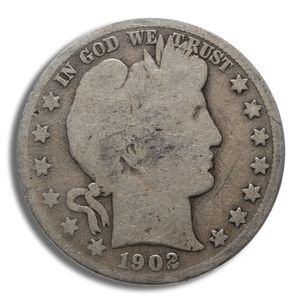
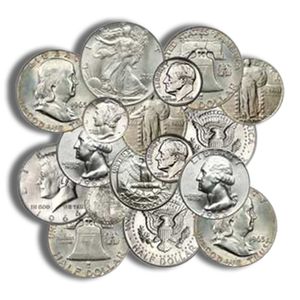
Our secondary market silver catalog spans one of the broadest selections of pre-owned U.S. silver coins available from a single dealer, covering everything from 90% silver Roosevelt dimes and Washington quarters to Morgan dollars, Peace dollars, Walking Liberty half dollars, Franklin half dollars, Barber coinage, Mercury dimes, Standing Liberty quarters, 40% Kennedy half dollars, Eisenhower dollars, and 35% silver war nickels. Products are available across multiple grades, from cull and average circulated to Fine, Very Fine, Extremely Fine, and About Uncirculated, giving buyers the flexibility to match their budget and quality preferences without paying unnecessarily for condition they don't need.
All products in this section are sourced from existing circulated coinage rather than newly struck bullion issues, making premiums generally lower than mint-fresh alternatives. Pricing reflects real-time silver spot prices, and the face value denomination structure common to most of these items makes them straightforward to evaluate on a per-ounce basis. Whether you're assembling a position in 90% silver by face value or sourcing specific coin types in higher circulated grades, this portion of our catalog is built to support a wide range of approaches.
Bullion Standard's transparent, two-way marketplace model applies equally here. You can buy and sell secondary market silver through the same platform, with buyback pricing displayed alongside acquisition costs so you're never left guessing what the full transaction looks like before committing.
What Are Secondary Market Silver Coins?
Secondary market silver refers to silver coins that have previously circulated or changed hands rather than being sold directly from a mint in original packaging. These coins were produced by the United States Mint during periods when silver was standard coinage material, and they re-enter the market through dealers, estates, collections, and wholesale channels. The silver content is fixed by the original composition of the coin, not by any additional refining or assaying process, which is why purity and weight are standardized and well-documented across each coin type.
The most commonly traded secondary market silver products are denominated by face value rather than exact troy ounce weight. A $1 face value lot of 90% silver coins, for example, contains approximately 0.715 troy ounces of pure silver regardless of whether that lot consists of dimes, quarters, or half dollars. This denomination-based structure is one of the defining characteristics of junk silver, as it's often called in the market, and it makes pricing and valuation relatively simple once you understand the face-value-to-silver-content relationship.
Secondary market silver is distinct from newly issued bullion coins like American Silver Eagles or Canadian Maple Leafs. There's no assay card, no mint-fresh presentation, and no guaranteed uncirculated condition. What these coins offer instead is lower overhead cost, genuine historical provenance, and silver content that has been independently verified by more than a century of numismatic documentation. For buyers focused primarily on silver content at competitive premiums, secondary market material is among the most practical options available.
History and Background
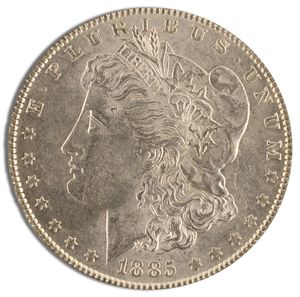
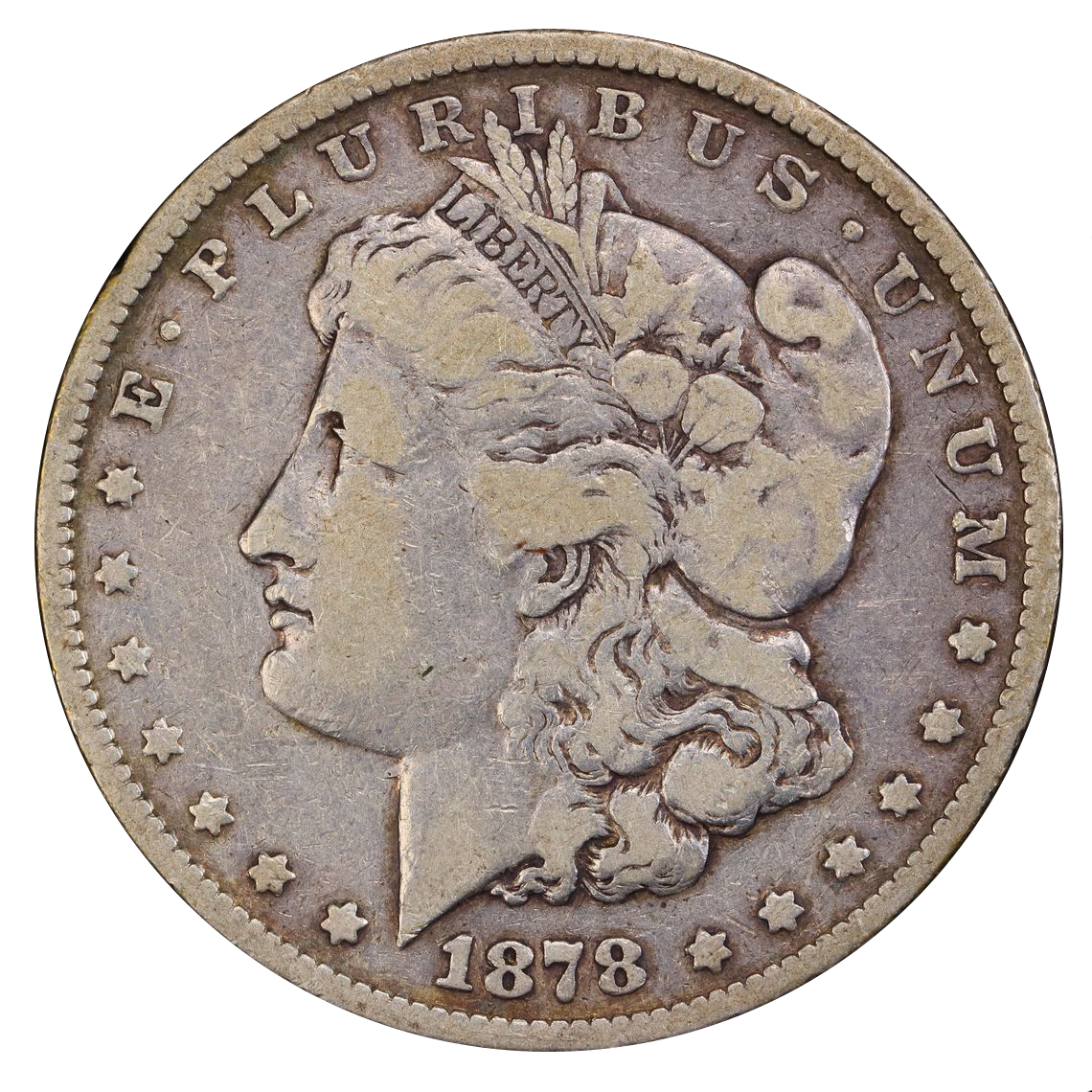
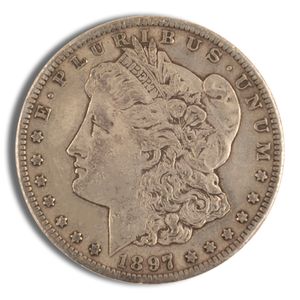
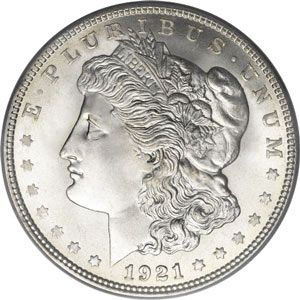
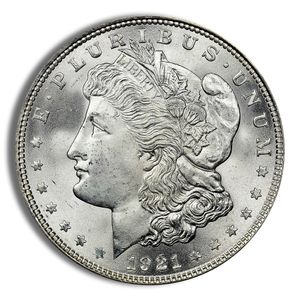
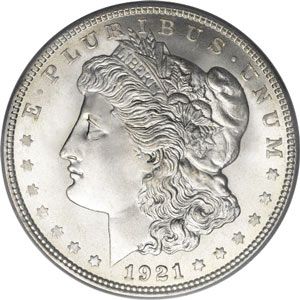
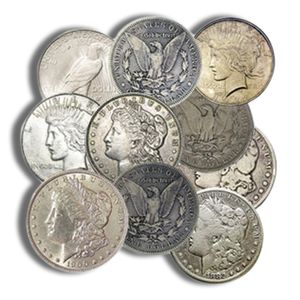
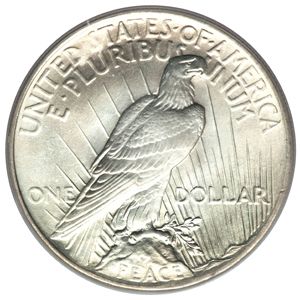
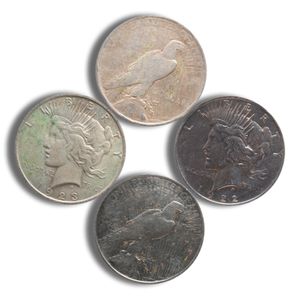
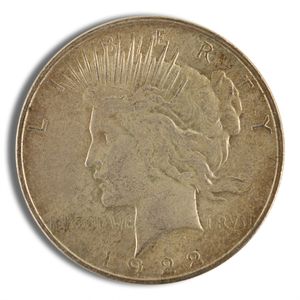
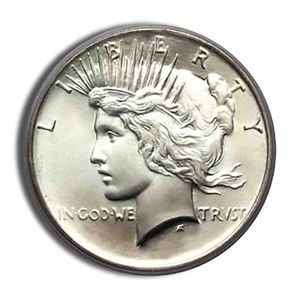
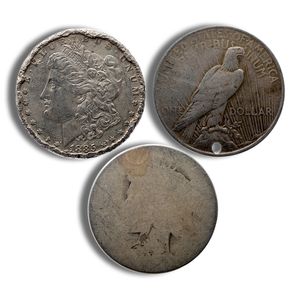
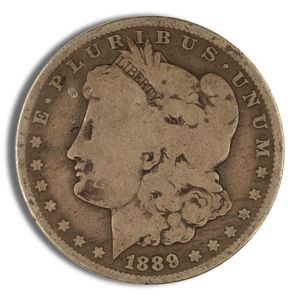
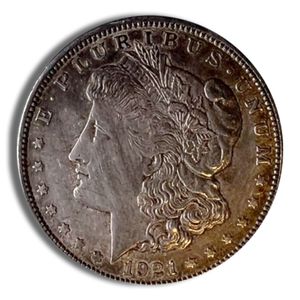
Silver coinage in the United States dates to the Coinage Act of 1792, which established the dollar as the national monetary unit and specified silver as its primary constituent metal. For most of the following 170 years, U.S. dimes, quarters, half dollars, and dollars were struck in 90% silver and 10% copper, a composition that remained unchanged through 1964. The Morgan dollar, produced from 1878 through 1904 and again in 1921, became one of the most recognized silver coins in American history. The Peace dollar followed from 1921 through 1935, representing a brief revival of the silver dollar tradition after World War I. Both series remain heavily traded on the secondary market today.
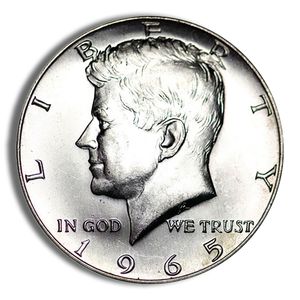
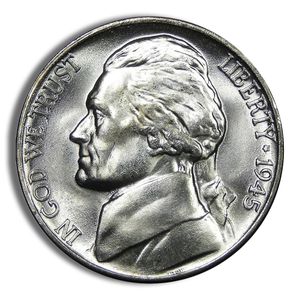
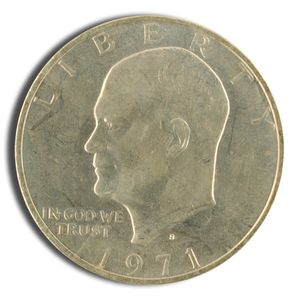
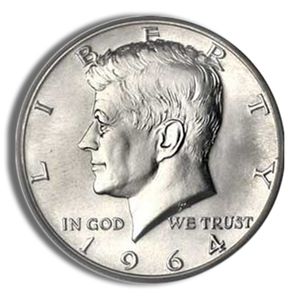
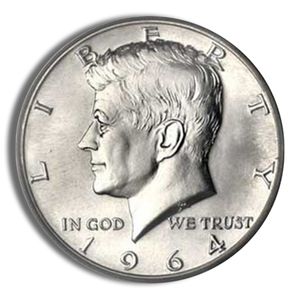
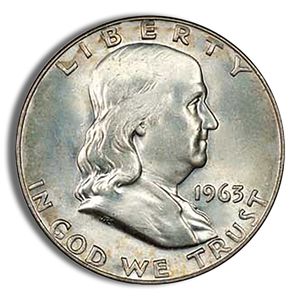
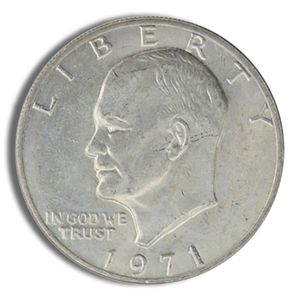
The Coinage Act of 1965 eliminated silver from dimes and quarters entirely and reduced the silver content of half dollars to 40%, a composition used through 1970. Kennedy half dollars struck from 1965 through 1969 contain 40% silver, while the 1964 Kennedy half dollars and all Franklin and Walking Liberty half dollars retain the original 90% composition. Eisenhower dollars struck for circulation between 1971 and 1978 were copper-nickel clad, but special collector editions struck at the San Francisco Mint in 40% silver were issued during those same years and remain a distinct secondary market product. War nickels, produced from mid-1942 through 1945, contain 35% silver and were struck to conserve nickel for wartime industrial use.
The secondary market for these coins has existed in some form since silver was removed from general circulation. As coins were hoarded, melted, and later re-traded through coin dealers, the market developed its own conventions around grading, face value denomination, and silver content calculation. Today's secondary market reflects decades of established pricing practice and broad dealer recognition, which contributes to the liquidity and familiarity buyers can expect when transacting in this category.
Purity, Weight, and Specifications
The purity of secondary market U.S. silver coins is determined by the original mint composition and has been independently verified through more than a century of numismatic record-keeping. Standard 90% silver coins contain 0.715 troy ounces of pure silver per $1 face value when averaged across a mixed lot of circulated coins, accounting for normal wear. A $1 face value lot of 40% silver Kennedy halves or Eisenhower dollars contains approximately 0.295 to 0.316 troy ounces of silver per $1 face value, depending on the specific coin type. War nickels carry approximately 0.05625 troy ounces of silver per coin at 35% purity.
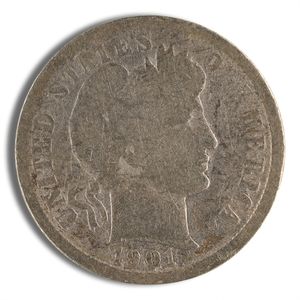
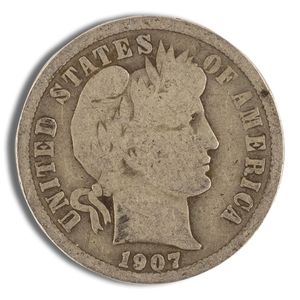
Morgan and Peace dollars contain 0.7734 troy ounces of silver per coin at 90% purity, weighing 26.73 grams with a diameter of 38.1 millimeters. Barber dimes, Mercury dimes, and Roosevelt dimes all share the same 17.9-millimeter diameter and approximately 1.35-millimeter thickness, while the various half dollar types range between 30.6 and 30.63 millimeters in diameter. These standardized specifications make secondary market silver highly consistent from a weight and purity standpoint, even when coin dates and mint marks vary across a lot.
No assay card accompanies secondary market coins. Purity verification relies on the coin's established numismatic documentation, composition history, and physical characteristics, all of which are thoroughly documented across the U.S. Mint's historical output. Buyers should understand that silver content figures for circulated coins are based on average weights accounting for wear, which is why the 0.715 figure for 90% silver is slightly below the theoretical maximum of 0.7234 troy ounces per $1 face value for uncirculated coins.
Available Brands, Mints, and Product Variations
Every coin in this section of our catalog was produced by the United States Mint, with production spread across multiple facilities including Philadelphia, Denver, San Francisco, Carson City, New Orleans, and West Point depending on the era and coin type. Morgan dollars and Peace dollars carry mint marks from several of these facilities, typically noted as "Various" in our listings since secondary market lots are not sorted by specific mint mark unless otherwise stated. The U.S. Mint's long production history and standardized compositions are central to why these coins remain so widely recognized in both the numismatic and bullion markets.
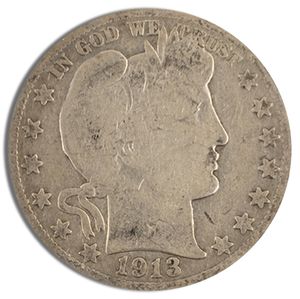
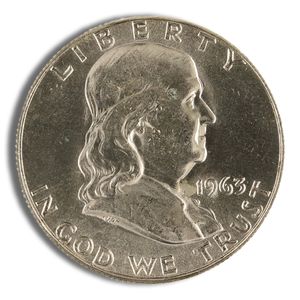
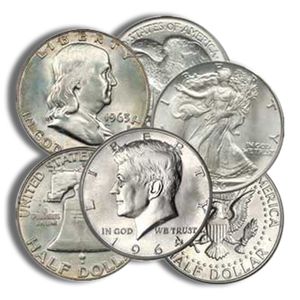
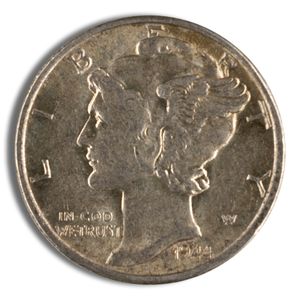
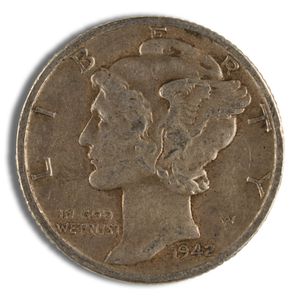
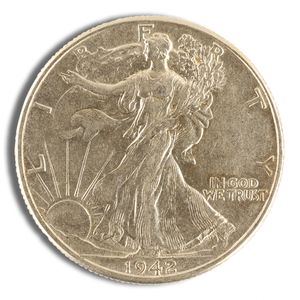
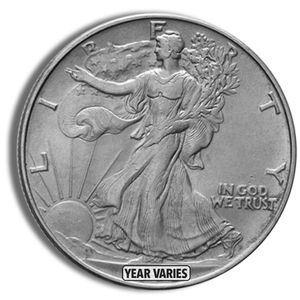
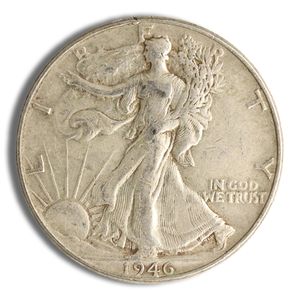
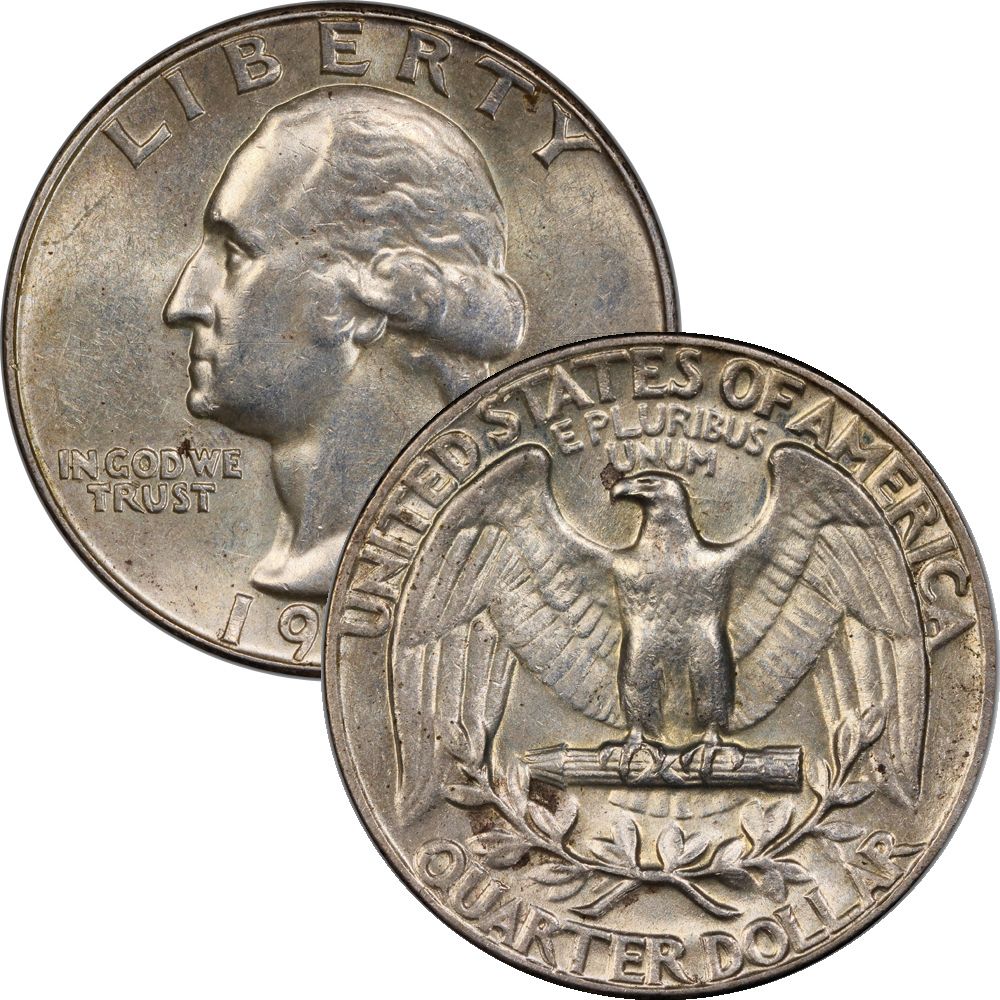
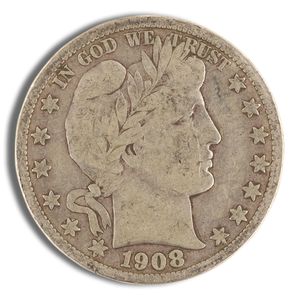
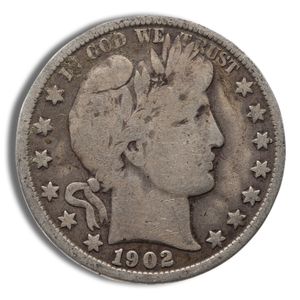
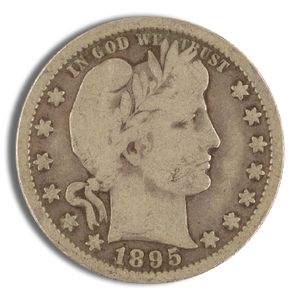
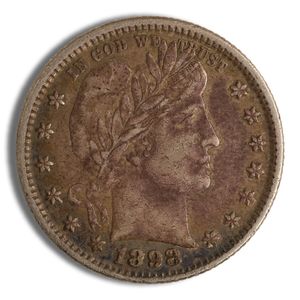
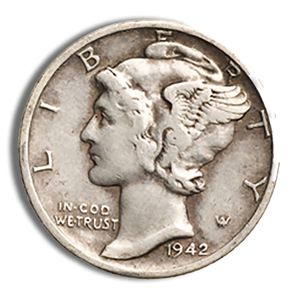
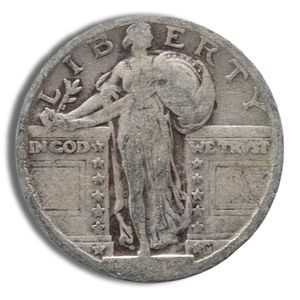
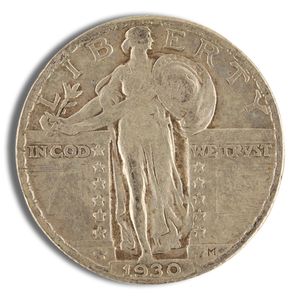
Within the catalog you'll find meaningful product variation beyond coin type. Morgan dollars are available from the 1878 to 1904 date range and separately for the 1921 issue year, with each available across multiple grades including Cull, Good, Fine, Extremely Fine, and About Uncirculated. Peace dollars follow a similar structure. The 90% silver coin listings cover Barber dimes, Mercury dimes, Roosevelt dimes, Barber quarters, Washington quarters, Standing Liberty quarters in full date, partially worn date, and fully worn date variants, Barber half dollars, Walking Liberty half dollars, Franklin half dollars, and 1964 Kennedy half dollars, all available in mixed denomination or specific coin type lots by $1 face value. Generic 90% silver mixed lots and cull lots round out the broader options for buyers focused purely on silver content.
The 40% silver segment includes Kennedy half dollars from 1965 through 1969, offered as circulated and cull condition, as well as Eisenhower dollars in AU and circulated grades. War nickels from 1942 through 1945 complete the lower-purity section. This breadth of product variation means buyers can source exactly the coin type and grade combination they prefer rather than accepting whatever a single lot happens to contain.
Pricing, Premiums, and Market Factors
Pricing for secondary market silver is directly tied to the spot price of silver, with premiums typically lower than newly minted bullion products. Because these coins carry no ongoing mint production costs, collector packaging, or licensing fees, the premium structure tends to be leaner. Grade plays a meaningful role in the premium applied, with cull and average circulated material priced closer to melt value and higher-grade coins like XF or AU examples commanding a modest numismatic premium above the pure silver content price.
Supply and demand within the secondary market also influences premiums. During periods of heavy retail buying or reduced secondary market supply, premiums on 90% silver can rise significantly above melt value even for average circulated material. Conversely, when secondary market supply is abundant and retail demand is softer, premiums tend to compress toward a narrow band above the silver spot price. Coin type matters as well: Barber coinage, Standing Liberty quarters, and pre-1921 Morgan dollars often carry a modest numismatic premium in higher circulated grades that isn't present in more common Washington quarters or Roosevelt dimes.
Bullion Standard displays bid and ask pricing on each product page, reflecting real-time market conditions and making the full cost of ownership visible before purchase. Our two-way market structure means the price you see on entry and the buyback pricing you'd receive on exit are both accessible on the same platform, which we believe is the most transparent way to evaluate any bullion transaction.
Condition, Packaging, and What to Expect
Secondary market silver coins are sold in circulated condition, meaning they show varying degrees of wear commensurate with their assigned grade. Cull coins may exhibit heavy wear, scratches, cleaning, environmental damage, or other impairments that reduce their numismatic appeal without affecting their silver content. Average circulated coins show typical handling wear consistent with time in general circulation but remain clearly identifiable with readable dates and design elements in most cases. Fine, Very Fine, Extremely Fine, and About Uncirculated grades reflect progressively more detail retention and lighter wear.
Packaging for secondary market lots is functional rather than decorative. Coins are typically shipped in tubes, bags, or sealed plastic depending on the quantity and denomination. There are no assay cards, mint capsules, or collector presentation boxes associated with circulated coinage. Random year listings ship with dates selected at our discretion based on available inventory, and specific years or mint marks are not guaranteed unless explicitly stated in the product listing. Buyers selecting random year products should expect a mix of common dates rather than scarce or key-date examples.
Normal cosmetic variation is expected and consistent with industry standards for secondary market bullion. Toning, light scratches, and contact marks are inherent to circulated coinage and are not considered defects. We encourage buyers to review grade descriptions carefully and select the condition tier that best suits their intended purpose, whether that's pure silver accumulation at the lowest possible premium or collecting specific coin types in more presentable grades.
Authenticity and Verification
Authenticity of secondary market U.S. silver coins is established through a combination of physical characteristics, weight tolerances, metallurgical composition, and the coin's visual design elements. U.S. Mint coinage from the 90%, 40%, and 35% silver eras has been extensively documented and is familiar to virtually every professional precious metals dealer and numismatist. Counterfeit examples do circulate in the market, which is why sourcing from a reputable dealer with established verification processes matters.
Bullion Standard's purchasing team evaluates secondary market coins for authenticity, purity consistency, and grade accuracy before they enter our inventory. Products sourced through wholesale channels are vetted through established industry networks with documented chain-of-custody standards. We do not offer assay cards for circulated coinage since the authentication process for this material relies on physical characteristics and numismatic expertise rather than document-based certification, but our verification process is thorough and consistent.
Buyers who want additional third-party assurance have the option to submit coins to grading services such as PCGS or NGC for certified encapsulation. Bullion Standard is an authorized dealer for both services. For most buyers purchasing secondary market silver at face value for its silver content, third-party certification is not economically warranted given the premium it adds relative to the base melt value, but the option exists for specific coins where numismatic value may justify the cost.
Liquidity and Resale Considerations
Secondary market U.S. silver coins are among the most widely recognized and readily tradable forms of physical silver in the domestic market. Dealers, pawnbrokers, coin shops, and bullion platforms throughout the country are familiar with 90% silver coinage, Morgan dollars, Peace dollars, and the other types represented in this catalog. This broad recognition translates to relatively consistent resale access compared to specialty bullion products that may have limited secondary demand outside a narrow collector base.
Resale pricing for secondary market silver is primarily driven by the silver spot price and the coin type's market recognition rather than the specific date or mint mark in most cases, though numismatically significant examples can command premiums above melt. Cull and average circulated material typically trades near melt value, while higher-grade examples may retain a modest numismatic premium in resale depending on current collector demand. Keeping coins in their original tubes or bags and avoiding cleaning or polishing preserves both numismatic integrity and market acceptance.
Understanding the resale environment before purchasing is something we actively encourage at Bullion Standard. Our product pages display both ask pricing and live bid pricing, giving you a complete view of the bid/ask spread before committing to a purchase. This visibility into the full transaction cost reflects our belief that liquidity should be considered at the point of purchase rather than discovered after the fact.
Storage and Security
Secondary market silver coins are relatively compact and stackable, making storage straightforward compared to larger bar formats. Standard coin tubes hold 20 Morgan or Peace dollars, and smaller denomination coins are typically packaged in tubes or bags that store efficiently in both home safes and third-party vault facilities. For larger positions, bank safe deposit boxes offer a cost-effective alternative with institutional-grade physical security.
Environmental factors matter when storing silver for any length of time. Sulfur compounds in the air cause toning and tarnishing over time, which is cosmetically noticeable but doesn't affect silver content. Storing coins in sealed tubes, airtight containers, or anti-tarnish bags reduces atmospheric exposure and helps maintain appearance. Avoid storing silver coins loose alongside other metals, as contact can cause surface scratches that reduce both visual appeal and resale presentation.
For buyers holding significant quantities of secondary market silver, third-party storage through an insured vault facility provides both security and insurance coverage that home storage cannot match. Bullion Standard can provide guidance on storage options as part of our post-purchase support. Regardless of the storage method chosen, keeping a clear record of quantity, face value, coin type, and grade for your holdings simplifies both insurance documentation and future resale.
Selling and Buyback Options
Selling secondary market silver through Bullion Standard follows a straightforward process built around transparent buyback pricing. Our purchasing team evaluates coins based on type, grade, and current market conditions, with buyback prices that reflect real-time silver spot prices and the liquidity characteristics of each coin type. Cull and heavily worn material is typically valued near melt, while higher-grade examples may qualify for a premium above the base silver content value depending on market demand at the time of sale.
Condition and packaging matter at the point of sale. Coins that have been cleaned, polished, or otherwise altered typically receive lower buyback offers since these treatments reduce numismatic value and market acceptance. Keeping coins in their original tubes or bags and handling them minimally preserves both the grade and the appearance that buyers and dealers use to evaluate material. Providing accurate information about coin type and quantity when requesting a quote allows our purchasing team to process your submission efficiently.
Our two-way market structure means you can use the same platform to both buy and sell secondary market silver without navigating a separate process or engaging a different counterparty. Buyback pricing is displayed alongside purchase pricing on our product pages, so the spread between acquisition cost and expected resale value is visible before you ever complete a purchase. This structure reflects our belief that an informed transaction requires visibility into both sides of the trade.
Why Buy Secondary Market Silver?
Secondary market silver offers a practical way to acquire physical silver at premiums that are typically lower than newly minted bullion coins. Since there are no ongoing production costs, collector packaging expenses, or licensing fees embedded in the price, buyers focused on silver content per dollar spent often find the premium structure more efficient. For buyers accumulating silver by the ounce over time, circulated 90% silver material purchased near melt represents a cost-effective entry point relative to many alternatives.
The historical provenance of these coins adds a dimension that purely industrial silver doesn't provide. Morgan dollars, Peace dollars, Walking Liberty halves, and Mercury dimes are genuine artifacts of American monetary history, and many buyers find that meaningful even when the primary motivation is the silver content. The breadth of available coin types also gives buyers the flexibility to focus on specific series, grades, or time periods according to their own preferences rather than being limited to a single product format.
Broad dealer recognition across the country supports the liquidity of secondary market U.S. silver in a way that newer or more specialized bullion products don't always match. Most coin dealers and precious metals buyers are immediately familiar with the silver content, authenticity characteristics, and fair market value of 90% U.S. silver coinage. That familiarity translates to more predictable and accessible resale options than less standardized formats might offer.
Why Buy from Bullion Standard?
Bullion Standard has operated as a United States-based precious metals dealer since 2010, built on a straightforward principle: transparency earns trust, and trust is the foundation of every long-term customer relationship in this industry. Our San Diego-based operation has grown into a nationally recognized marketplace by prioritizing honest pricing, consistent product verification, and a buying experience that feels like a marketplace rather than a high-pressure sales environment.
Every product in our secondary market silver catalog is verified for authenticity, weight, and purity before shipping. Our sourcing network draws on established wholesale channels with documented standards, and our purchasing team reviews incoming inventory against published grading benchmarks. We maintain an A rating with the Better Business Bureau and hold memberships with both the American Numismatic Association and the National Coin and Bullion Association. We're also authorized dealers for PCGS and NGC, which reflects a broader commitment to numismatic professionalism across our entire operation.
Our checkout process supports a wide range of payment methods including Visa, Mastercard, American Express, Discover, PayPal, bank-connected payments through Plaid, wire transfer, paper check, and cryptocurrency through BitPay. Every order ships through secure, insured fulfillment with responsive customer support available throughout the post-purchase process. We've designed every part of the experience around making physical silver ownership more straightforward, more transparent, and more accessible for buyers at every level of experience.
Get Near-Spot Pricing with Bullion Standard Pro
Bullion Standard Pro is designed for buyers who prioritize pricing efficiency and want direct visibility into wholesale market conditions. Members gain access to live, executable wholesale bid and ask pricing across a broad range of precious metals products, including secondary market silver, without additional dealer markups or fixed retail spreads applied on top. Premiums and bid/ask spreads fluctuate naturally based on underlying supply and demand, which means pricing reflects real market conditions rather than static retail structures.
For buyers accumulating secondary market silver in meaningful quantities over time, the pricing efficiency available through Bullion Standard Pro can materially reduce the total cost of ownership relative to standard retail purchasing. Members also receive access to proprietary market intelligence tools including historical premium analysis, spread analytics, liquidity metrics, and buy/sell ratio indicators that help inform purchasing decisions using objective data rather than assumptions or marketing claims.
Portfolio valuation within the platform uses live executable wholesale bid pricing rather than estimated retail values, giving members a realistic picture of current liquidation value rather than an optimistic number that may not reflect what the market would actually pay. For buyers who treat secondary market silver as a meaningful component of their overall physical metals holdings, this level of transparency into real-time portfolio value and wholesale market conditions represents a meaningful advantage over traditional retail platforms.


 (833) 278-4653