Buy Fractional Gold Coins Online
Fractional gold lets you own physical gold in pieces smaller than a full troy ounce, and our catalog covers that range from the 1 gram China Gold Panda up to pre-1933 double eagles holding just under an ounce of fine gold. You'll find 1/2 oz, 1/4 oz, 1/10 oz and 1/20 oz coins from the U.S. Mint, the Perth Mint, the Royal Canadian Mint, The Royal Mint and Casa de Moneda de México, alongside historic gold from France, Great Britain, Mexico and Austria.
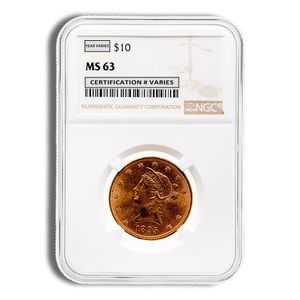
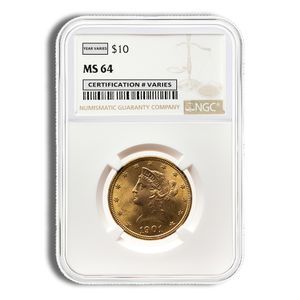
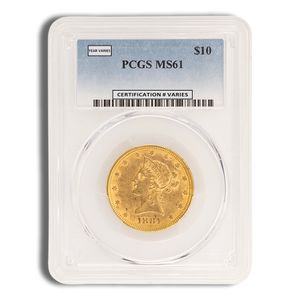
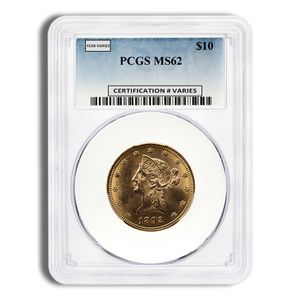
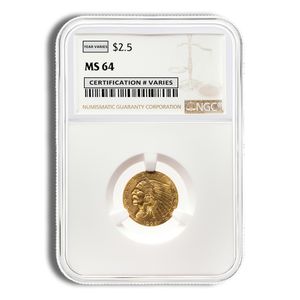
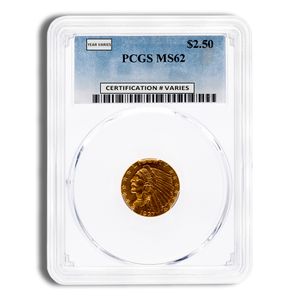
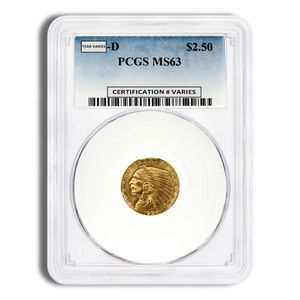
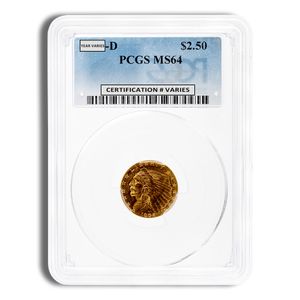
The selection spans modern bullion coins sold as random year listings, dated proof coins in their original box with a certificate of authenticity, and coins certified by NGC and PCGS in grades from MS61 up to MS70. American Gold Eagles make up the largest share, followed by pre-1933 American gold, Australian lunar coins, Mexican Libertads, Pandas, Maple Leafs and Kangaroos.
Every listing shows live pricing and the bid/ask spread, so you can see what a smaller coin costs to buy and what it brings when you sell. That matters more with fractional gold than with almost any other format, because the premium per ounce changes noticeably as coins get smaller.
What Are Fractional Gold Coins?
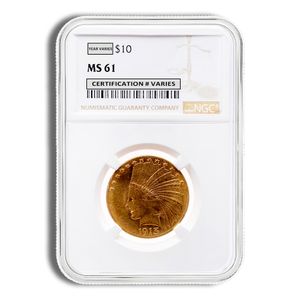
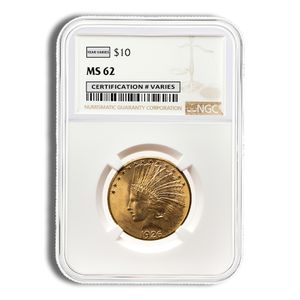
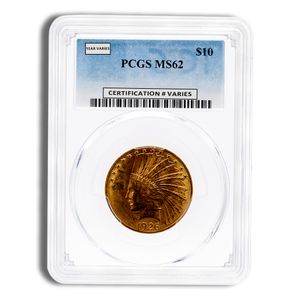
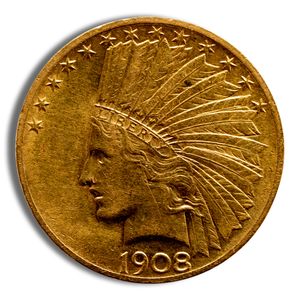
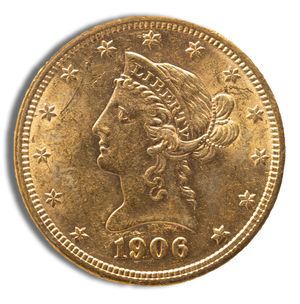
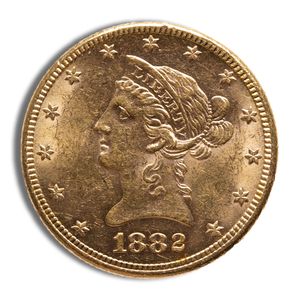
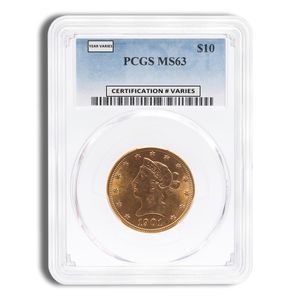
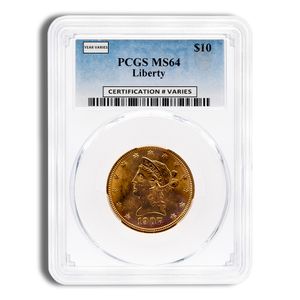
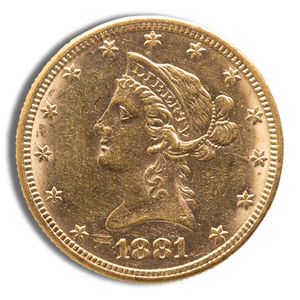
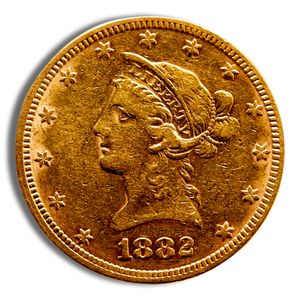
Fractional gold coins contain less than one troy ounce of fine gold. Modern government bullion programs strike them in standard fractions, most often 1/2 oz, 1/4 oz, 1/10 oz and 1/20 oz, with a few going smaller, such as the 1/25 oz Austrian Philharmonic, or switching to metric weights, as China did with the Gold Panda. Historic circulating gold belongs here as well, since a $10 Liberty eagle, a British sovereign or a French 20 francs piece was struck with a fixed amount of gold well under an ounce.
Compared with a 1 oz coin, a fractional piece carries the same design and purity in a smaller, more affordable unit. The trade-off is cost per ounce: minting, packaging and distributing a 1/10 oz coin takes nearly as much work as a full ounce, so that cost is spread across less metal. Buyers focused purely on the lowest cost per ounce usually lean toward 1 oz coins or bars, while fractional buyers are paying for flexibility.
That flexibility shows up in a few common ways. Some buyers add gold in small, regular amounts rather than waiting to afford a full ounce, others want units that can be sold one at a time, and many choose fractional coins as gifts for birthdays, graduations and weddings. Collectors use the format too, since programs like the Perth Mint lunar series and the 2016-W gold centennial coins are built around fractional sizes.
History and Background
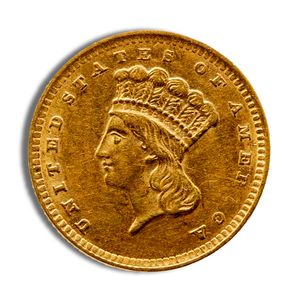
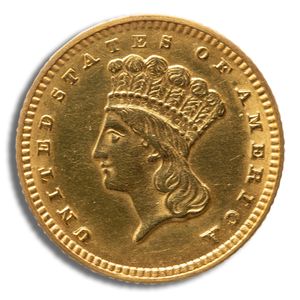
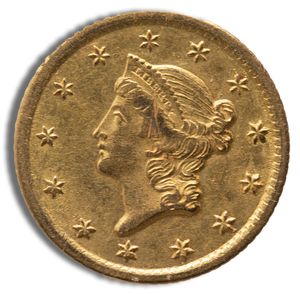
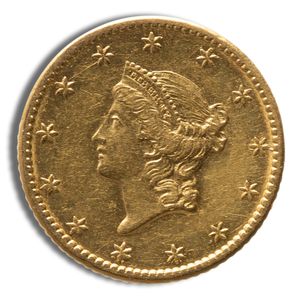
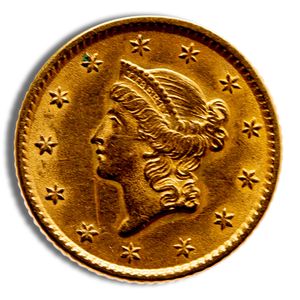
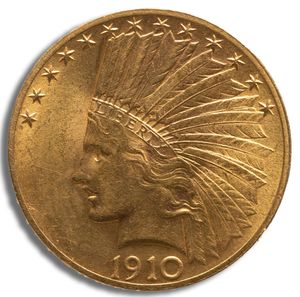
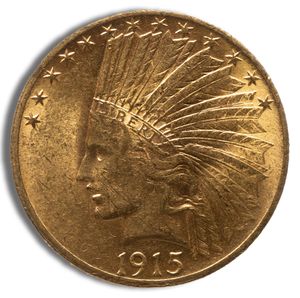
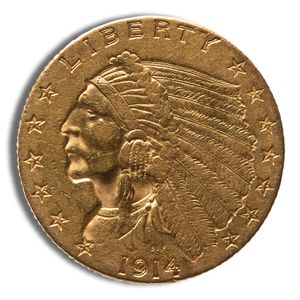
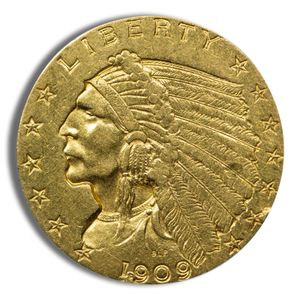
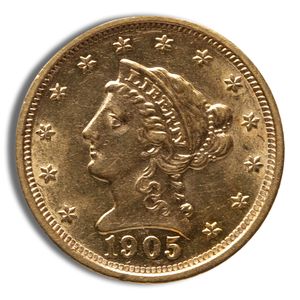
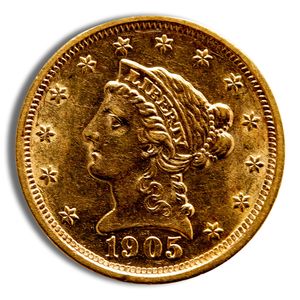
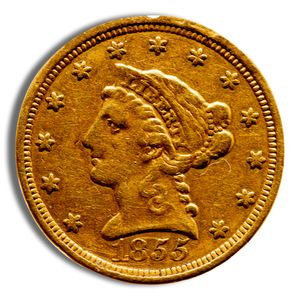
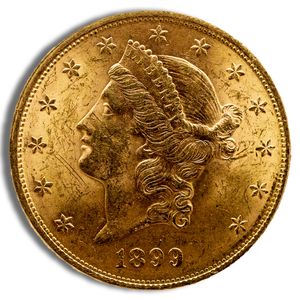
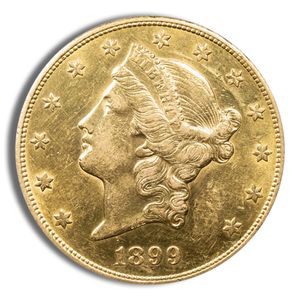
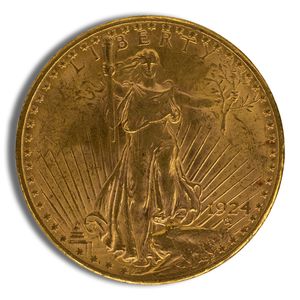
For most of modern history, gold coins were fractional by default. The United States struck gold dollars, quarter eagles, half eagles, eagles and double eagles to a .900 fine standard, Britain issued the sovereign, and France, Mexico, Russia and Austria all circulated gold denominations sized for everyday commerce. That era ended in the United States in 1933, when an executive order recalled most gold coinage from circulation, which is why American gold struck before that year is collected as its own group.
The modern bullion era began with the South African Krugerrand in 1967, and other governments soon built programs of their own. Canada launched the Gold Maple Leaf in 1979, and the U.S. Mint introduced the American Gold Eagle in 1986 in 1/10 oz, 1/4 oz, 1/2 oz and 1 oz sizes from the start. Australia, China, Mexico, Austria and Great Britain followed with Kangaroos and Nuggets, Pandas, Libertads, Philharmonics and Britannias, each offered in a range of fractional weights.
Fractional sizes also became the natural home for collector programs. The Perth Mint's lunar coins have run through Series I, II and III since 1996, The Royal Mint's Queen's Beasts series included 1/4 oz gold coins, and in 2016 the West Point Mint struck 1/10 oz Mercury dime and 1/2 oz Walking Liberty gold coins to mark the centennial of those designs.
Purity, Weight, and Specifications
Purity varies by program, so it's worth knowing which standard a coin follows. American Gold Eagles, Krugerrands and sovereigns use 22 karat gold at .9167 fine, with the alloy adding durability. Gold Maple Leafs, Philharmonics, Britannias struck since 2013, Perth Mint Kangaroos and lunar coins, and the 2008-W fractional Gold Buffalos are .9999 fine, while Mexican Libertads and China Gold Pandas are .999 fine.
Modern bullion coins are labeled by their fine gold content, so a 1/4 oz Gold Eagle contains a quarter troy ounce of pure gold even though the coin weighs slightly more because of its alloy. A troy ounce is 31.1035 grams, roughly 10% heavier than the ounce used for everyday goods. China moved the Gold Panda to metric weights in 2016, which is why you'll see 1 gram, 3 gram and 30 gram Pandas listed rather than ounce fractions.
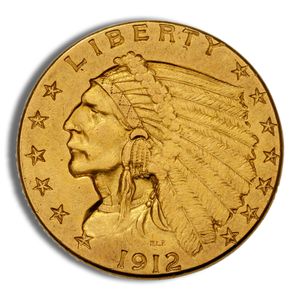
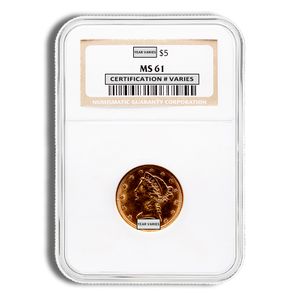
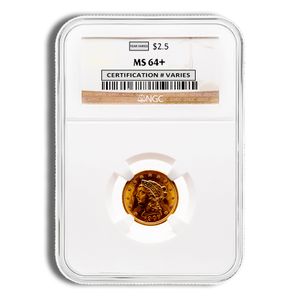
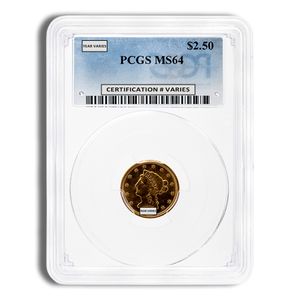
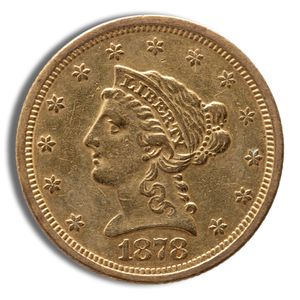
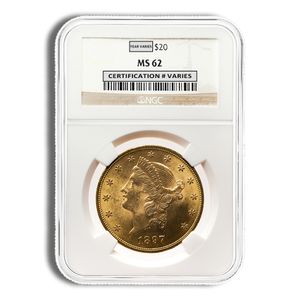
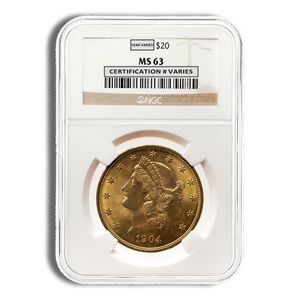
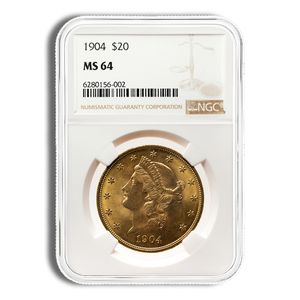
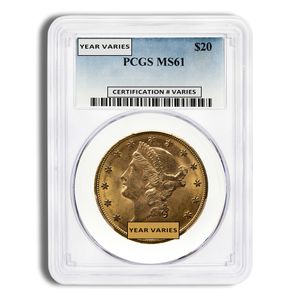
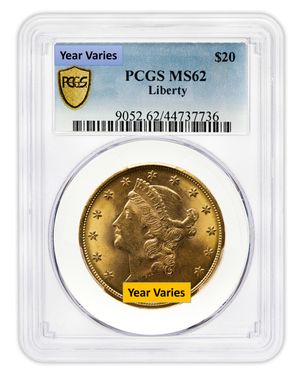
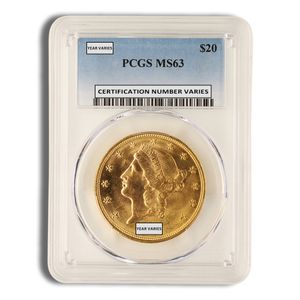
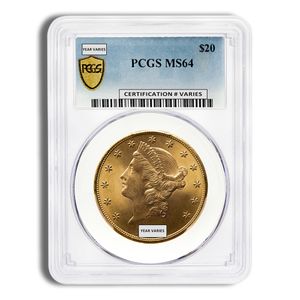
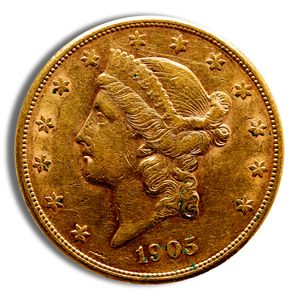
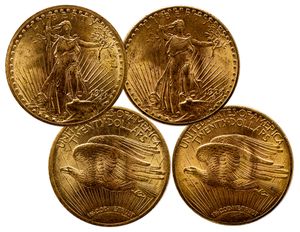
Historic gold is measured by the actual gold content of a .900 fine coin. A $20 double eagle holds 0.9675 oz of gold, a $10 eagle 0.4837 oz, a $5 half eagle 0.2419 oz and a $2.50 quarter eagle 0.1209 oz. A British sovereign contains 0.2354 oz, a French 20 francs 0.1867 oz and a Mexican 20 peso 0.4823 oz, and those figures appear in our listings because they set each coin's melt value.
Available Brands, Mints, and Product Variations
The U.S. Mint supplies the largest share of our fractional gold, led by American Gold Eagles in 1/10 oz, 1/4 oz and 1/2 oz sizes. You'll find random year BU Eagles, dated coins such as the 1989 1/4 oz in NGC MS69 or the 1993 1/4 oz in PCGS MS69, and West Point proof Eagles like the 1997-W 1/2 oz $25 and the 2002-W 1/10 oz $5 with their box and COA. The 2008-W Gold Buffalo, the only year that program was struck in fractional sizes, appears in both burnished and proof finishes.
The Perth Mint is the next largest source, with Kangaroo and Nugget coins and a deep run of lunar coins spanning Series I through Series III, from the 1996 1/10 oz Lunar Rat to the 2021 1/10 oz Lunar Ox. Casa de Moneda de México contributes BU and proof Libertads plus historic 10 peso and 20 peso gold, and the Royal Canadian Mint offers Maple Leafs in sealed packaging along with a 1/4 oz Twin Maple Leaf. The Royal Mint is represented by Britannias, Queen's Beasts, lunar coins and sovereigns, plus the 1/4 oz Liberty and Gold Britannia, a joint issue with the U.S. Mint.
Beyond the major programs, you'll see China Gold Pandas in sealed and unsealed packaging, Austrian Philharmonics down to 1/25 oz, Krugerrands in 1/10, 1/4 and 1/2 oz, and historic pieces such as French 40 francs of Louis Philippe I, Austrian 100 schilling and British sovereigns from George III through Charles III. The 2016-W Mercury dime and Walking Liberty centennial gold coins are offered in original mint packaging and graded SP69 or SP70 by NGC and PCGS. A handful of modern $5 and $10 American gold commemoratives round out the selection.
Pricing, Premiums, and Market Factors
Every gold coin is priced as the spot value of its gold content plus a premium, and that premium is where fractional gold differs most from larger formats. Striking, packaging and distributing a 1/10 oz coin costs nearly as much as a 1 oz coin, so the fixed cost is spread across a tenth of the metal. As a rule, the smaller the coin, the higher its premium as a percentage of gold value.
Within the same weight, premiums still vary by program and condition. Random year BU coins are usually priced closest to spot, dated issues and proof coins with box and COA carry more, and certified coins add the cost of grading, with an MS70 typically priced well above an MS69 of the same coin. Pre-1933 gold behaves differently again, since circulated coins in XF or AU often carry a modest premium over melt while high mint state examples are priced on grade and scarcity.
Supply and demand also move fractional premiums independently of spot. During periods of heavy buying, mint allocations and wholesale supply for smaller sizes can tighten quickly, and premiums adjust before they do on 1 oz coins. We show the live bid/ask spread on every product page, so you can compare the full cost of a 1/10 oz coin against a 1/4 oz or 1/2 oz version before you decide.
Condition, Packaging, and What to Expect
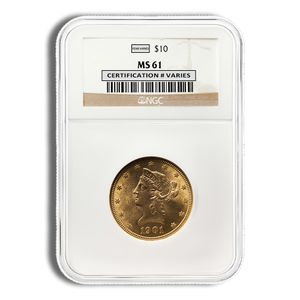
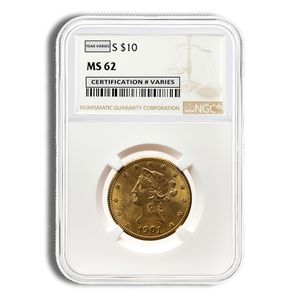
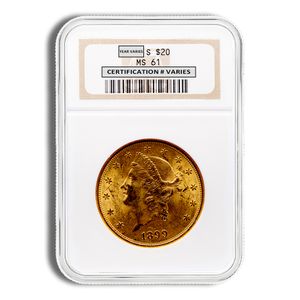
Packaging depends on the program. Maple Leafs and Pandas are often listed in sealed packaging, meaning the coin still sits in the mint's original plastic, while unsealed listings arrive in a capsule or flip. Proof Eagles and Buffalos listed with box and COA come in the original U.S. Mint presentation case with the certificate of authenticity, and graded coins arrive sealed in their NGC or PCGS holder.
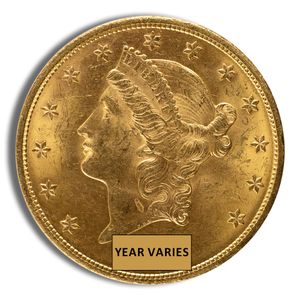
Random year listings mean we choose the date from available inventory, so the year on your coin may differ from the photo. BU bullion coins are struck for their metal content rather than display, so light contact marks, minor spotting or small differences in luster are normal and don't affect gold content. Pre-1933 coins listed as XF, VF or cleaned or low grade show wear consistent with that description, and they're priced accordingly.
The listing title is your best guide to what will arrive: it states the grade or condition, the finish, whether the coin is a random year, and whether it comes sealed, unsealed or with box and COA. If anything about a specific listing is unclear, our support team can answer questions before you place an order.
Authenticity and Verification
Smaller gold coins leave less room for an obvious discrepancy in weight or size, which is why sourcing matters so much with fractional gold. We buy from established mints, wholesalers and distributors, and every coin is verified for authenticity, weight and purity before it reaches you. We're also an authorized dealer for both PCGS and NGC.
Many modern bullion programs build security into the coin itself. The Royal Canadian Mint added radial lines and a micro-engraved privy mark to its Maple Leafs, and The Royal Mint has introduced features such as a latent image on recent Britannias. Sealed mint packaging adds another layer, since any tampering is visible.
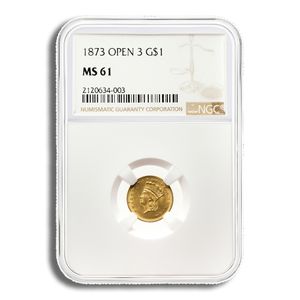
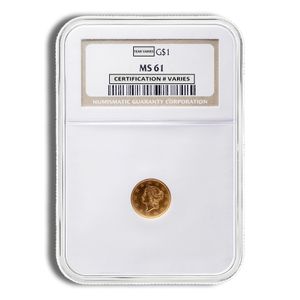
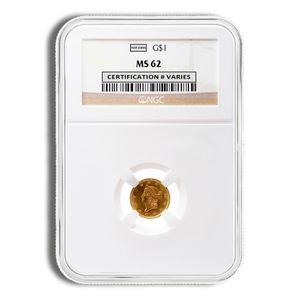
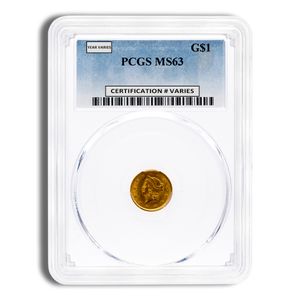
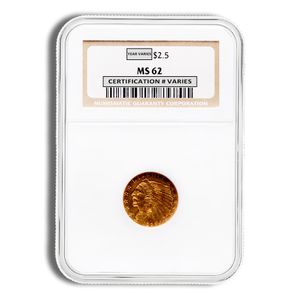
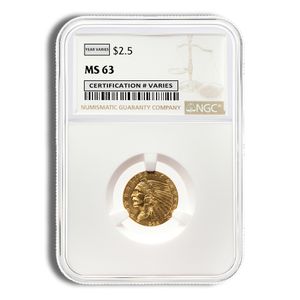
Certified coins add independent verification. NGC and PCGS authenticate and grade each coin, encapsulate it in a tamper-evident holder and assign a certification number you can look up in the grading service's online database. For pre-1933 gold, where counterfeits of common dates exist, certification removes much of the guesswork for buyers who don't test coins themselves.
Liquidity and Resale Considerations
Recognition drives resale more than anything else. American Gold Eagles, Maple Leafs, Krugerrands and Britannias in standard fractional weights are known to dealers everywhere, so pricing them is straightforward. The same is true of common pre-1933 types, which dealers value on gold content and grade without much research.
Fractional coins also carry a practical advantage when it's time to sell, because you can sell part of a holding without liquidating all of it. Someone holding ten 1/10 oz Eagles can sell two and keep eight, a choice that isn't available with a single 1 oz coin. The cost of that flexibility is a wider spread per ounce, since buyback prices on smaller sizes usually sit further below their retail price.
Less common items, such as historic European gold, lunar coins or high grade certified pieces, take more care to price because their value depends on collector demand as well as gold content. Checking the bid side on our product pages before you buy gives you a realistic picture of how each coin trades.
Storage and Security
Fractional gold is compact, which makes storage simple but also makes small coins easy to misplace. Coin capsules or original mint tubes keep them protected and organized, and a home safe bolted in place or a bank safe deposit box covers most holdings of this size. Larger collections often move to a professional depository with insured, audited storage.
Handle coins by the edges and avoid touching the faces, especially on proof coins, whose mirrored fields show fingerprints and can develop spots over time. Keep certified holders and presentation boxes away from heat and humidity, and store proof coins in their original cases to preserve their presentation.
Pure .9999 gold is softer than 22 karat gold, so Maple Leafs, Philharmonics, Kangaroos and Britannias benefit from staying in their capsules or sealed packaging. That also keeps them in the condition buyers expect when you eventually sell.
Selling and Buyback Options
Selling fractional gold to us follows the same two-way market model as buying. Each product page shows the current bid alongside the ask, so you know what we're paying before you start a sale. Once you lock in a price, our purchasing team walks you through shipping, verifies the coins on arrival and processes payment.
Buyback pricing for fractional coins reflects the same factors that shape their premiums. Widely recognized coins like Gold Eagles, Maple Leafs and Krugerrands generally receive the strongest bids for their size, while condition, original packaging and grade affect what we can pay for proof, certified and collectible pieces. Cleaned or damaged coins are usually valued closer to their gold content.
Market conditions matter as well. Bids on smaller sizes move with wholesale supply and demand, so the spread on a 1/10 oz coin can widen or tighten over time regardless of where spot is. Comparing current bids across sizes can help you decide which coins to sell first.
Why Buy Fractional Gold Coins?
The main reason is flexibility. Fractional gold coins let you buy at a lower price point, add to your holdings gradually and sell in smaller increments, and that divisibility is why most buyers accept a higher premium per ounce. Premium efficiency still varies within the format, with 1/2 oz and 1/4 oz coins usually sitting between the 1/10 oz and 1 oz sizes on cost per ounce.
Standardization helps too. Government bullion coins are issued as legal tender with fixed fine gold weights and published purities, so a 1/4 oz Krugerrand or a 1/10 oz Gold Eagle is the same coin wherever it's traded. That consistency makes them easy to verify, compare and resell.
Handling and storage are simpler as well. Small coins fit in capsules, tubes or a modest safe, and they make practical gifts when a full ounce isn't the right size. For collectors, fractional sizes are where many design programs live, from Perth Mint lunar coins and Queen's Beasts to the 2016-W centennial gold.
Why Buy from Bullion Standard?
We've operated as a precious metals dealer since 2010 from our headquarters in San Diego, California, on the principle that you only get one chance to earn someone's trust. That principle shapes how we price: live market pricing, a visible bid/ask spread on every product page, and buyback pricing in the same marketplace where you buy.
We source from reputable mints, refineries, wholesalers and distributors, and every product is verified for authenticity, weight and purity before it ships. Bullion Standard holds an A+ rating with the Better Business Bureau, is a member of the American Numismatic Association and the National Coin and Bullion Association, and is an authorized dealer for both PCGS and NGC.
Checkout accepts Visa, Mastercard, American Express, Discover, PayPal, bank-connected payments through Plaid, wire transfer, paper check and cryptocurrency through BitPay. Our product research tools let you compare premiums, historical premiums, spreads and liquidity across fractional sizes, so you can judge relative value using objective data rather than marketing claims.
Get Near-Spot Pricing with Bullion Standard Pro
Bullion Standard Pro gives members access to live, executable wholesale bid and ask pricing with no additional dealer markup or dealer spread applied. Premiums and spreads move with actual wholesale conditions rather than a fixed retail structure, which is especially useful with fractional gold, where retail premiums run highest.
Members also get real-time portfolio valuation based on live wholesale bid pricing, so holdings are valued at what they would bring in the wholesale market today rather than at an estimated retail figure. Market intelligence tools, including historical premium analysis, premium percentile rankings, spread analysis and buy/sell ratio indicators, show how individual coins are priced and traded over time.
For buyers who add fractional gold regularly or watch costs closely, that structure can make a meaningful difference across many small purchases. Bullion Standard Pro is the most direct way we offer to buy fractional gold at pricing close to the wholesale market.


 (833) 278-4653