Silver Dollars | Bullion Standard
Buy Silver Dollars Online
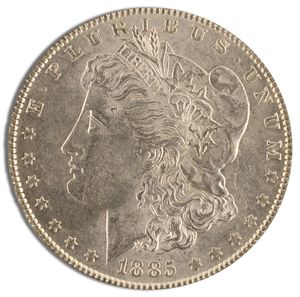
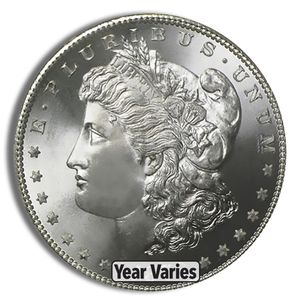
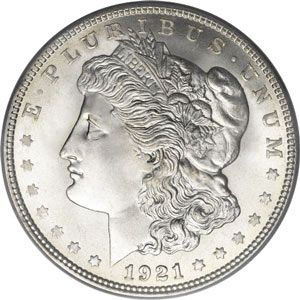
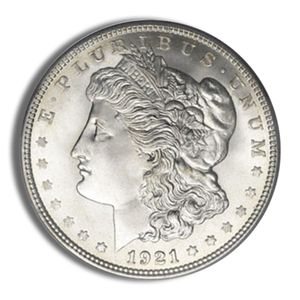
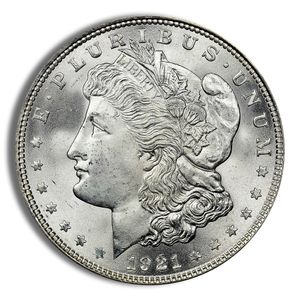
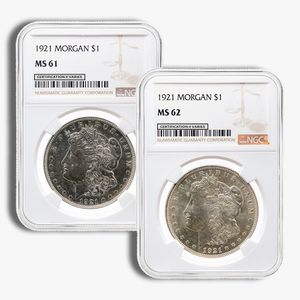
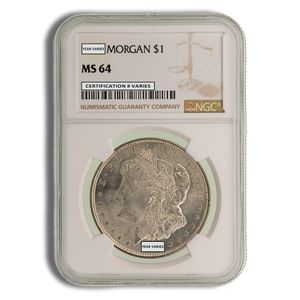
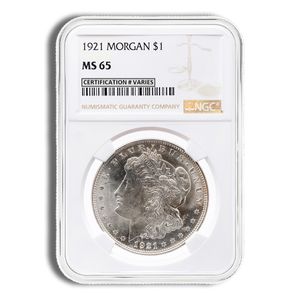
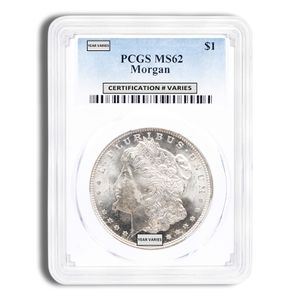
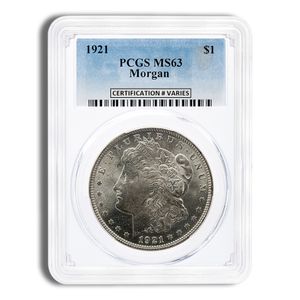
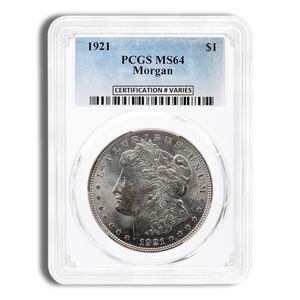
Our silver dollar catalog covers one of the broadest and most historically significant segments of the American silver market. Whether you're looking for circulated Morgan silver dollars in grades ranging from Cull through AU, brilliant uncirculated examples from 1921, or Carson City GSA issues certified by NGC or PCGS, you'll find a wide range of options that span multiple decades of U.S. Mint production. The selection includes both raw and certified coins, random-year issues, specific-date pieces, and specialty variants like toned examples and reverse-of-1878 overdate coins.
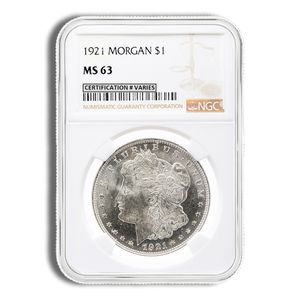
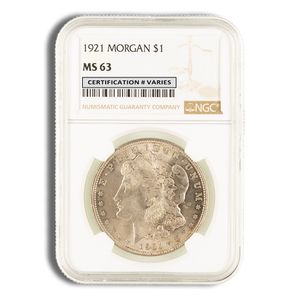
Certified coins in this catalog carry grades from NGC and PCGS ranging from MS60 all the way through MS67, covering the full spectrum of mint-state quality. Uncertified coins are offered in conventional circulated grades including Good, Fine, XF, and AU, as well as brilliant uncirculated examples suited to buyers who prioritize silver content over certified grade. The GSA Hoard coins, still available with their original government packaging including box and Certificate of Authenticity, represent a particularly notable segment of this catalog.
Bullion Standard sources silver dollars from reputable wholesalers and distributors, offering transparent pricing across all grades and formats. Whether you're buying raw dollars by the roll or selecting a specific certified coin from a Carson City mintage, the pricing and product details are presented clearly so you can make an informed decision before purchasing.
What Are Silver Dollars?
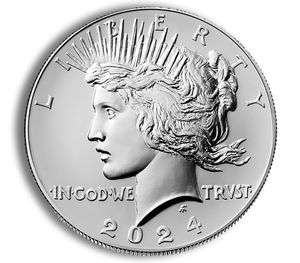
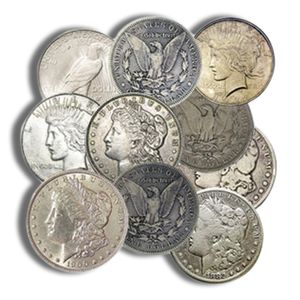
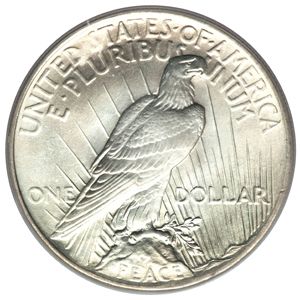
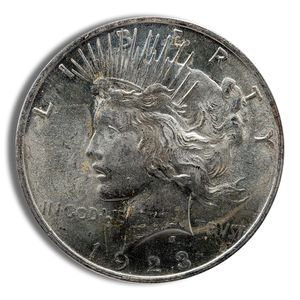
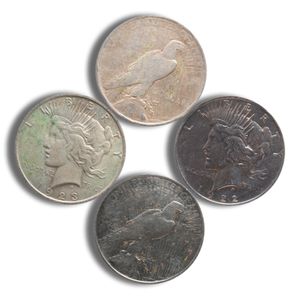
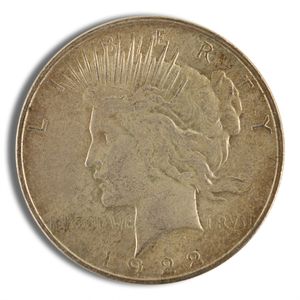
Silver dollars are large-format U.S. coins struck in 90% silver, each containing 0.7734 troy ounces of pure silver. The term most commonly refers to Morgan dollars, minted from 1878 through 1904 and again in 1921, and Peace dollars, minted from 1921 through 1935. Both types carry face values of one dollar and were produced as legal tender under the Bland-Allison Act and related silver legislation. Their physical size, 38.1 millimeters in diameter and 2.4 millimeters thick, made them the largest coin in regular U.S. circulation during their era.
For most buyers, silver dollars occupy a space between pure bullion and numismatic collectibles. Raw circulated examples trade primarily on silver content, with modest premiums above spot depending on grade and date. Certified mint-state coins, particularly those from lower-mintage Carson City issues, carry premiums that reflect both their silver content and their numismatic significance. Understanding which side of that line a coin falls on is important before making a purchase.
The format also differs meaningfully from silver rounds and silver bars. Silver dollars are genuine U.S. government coinage with distinct dates, mint marks, and a deep collector base, which influences how they're priced, traded, and resold. That history and recognizability is part of what distinguishes them from generic silver products in the broader bullion market.
History and Background
The Morgan dollar was introduced in 1878 following the passage of the Bland-Allison Act, which required the U.S. Treasury to purchase silver from domestic mines and coin it into dollars. Designed by George T. Morgan, the coins were struck at five different U.S. Mint facilities: Philadelphia, New Orleans, San Francisco, Denver, and Carson City. Production continued through 1904, when silver supplies and demand both declined, and the series was briefly revived for a final year in 1921 before transitioning to the Peace dollar design.
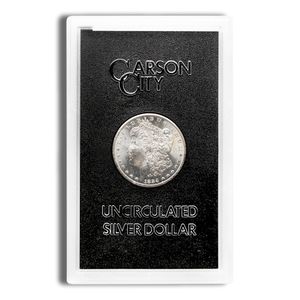
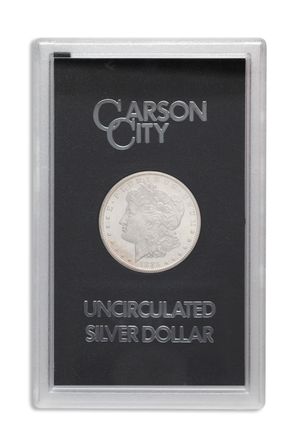
The Carson City Mint, operating from 1870 to 1893, produced some of the most prized Morgan dollar issues. Many of these coins were held in Treasury vaults for decades before being released to the public through the General Services Administration (GSA) hoard sales of the 1970s and early 1980s. The GSA distributed hundreds of thousands of Carson City Morgans in distinctive hard plastic holders with original government boxes and certificates, and those original government packages remain intact for many coins still traded today.
The Morgan dollar was briefly replaced by the Peace dollar in 1921 following the Pittman Act, which melted millions of Morgans and mandated the coinage of new silver dollars from domestically mined silver. Both series remained in broad circulation through the mid-twentieth century before silver was gradually removed from U.S. coinage. Today, Morgan and Peace dollars circulate almost exclusively through the numismatic and bullion markets, where their combination of silver content and historical significance continues to sustain strong collector and buyer interest.
Purity, Weight, and Specifications
Every Morgan and Peace silver dollar is struck in 90% fine silver, the same purity standard applied to all U.S. silver coinage produced before 1965. Each coin contains exactly 0.7734 troy ounces of pure silver, derived from a gross weight of 26.73 grams and a fineness of 0.900. The remaining 10% is copper, added to improve durability given the coin's intended role as circulating currency.
Physical dimensions are consistent across the Morgan dollar series: 38.1 millimeters in diameter and 2.4 millimeters in thickness. These specifications were maintained throughout the production run from 1878 through 1921, which means coins from different years and mint facilities are dimensionally interchangeable and fit the same coin capsules, tubes, and storage solutions. Standard coin tubes hold 20 Morgan dollars, and the catalog reflects this with inner-pack quantities of 20 for most products.
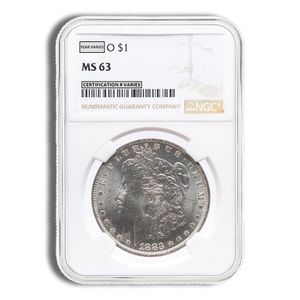
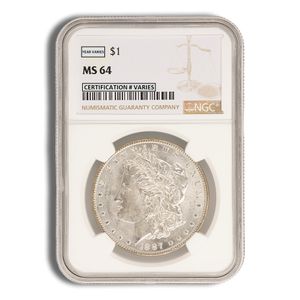
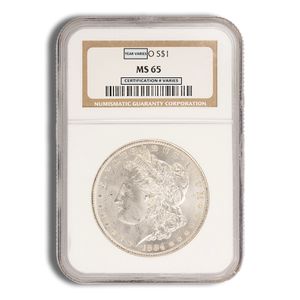
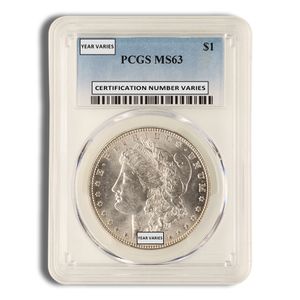
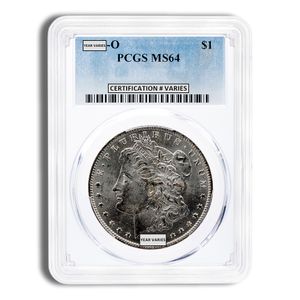
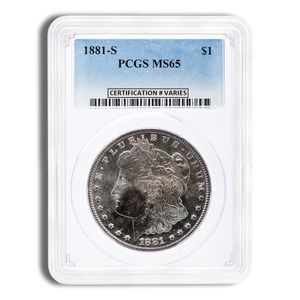
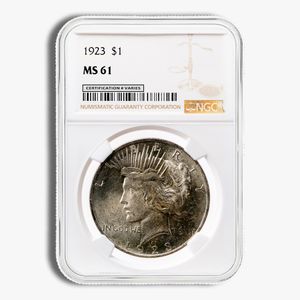
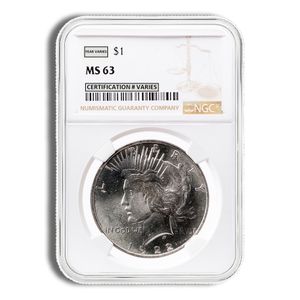
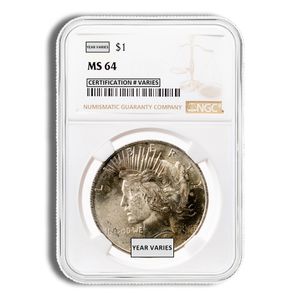
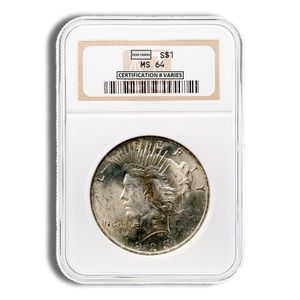
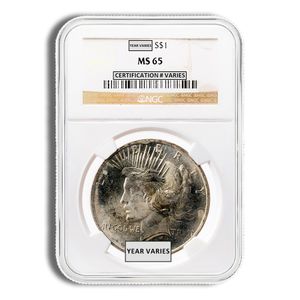
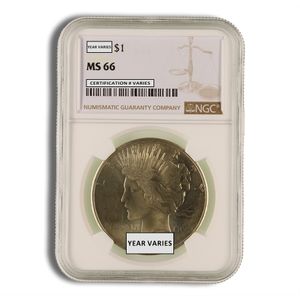
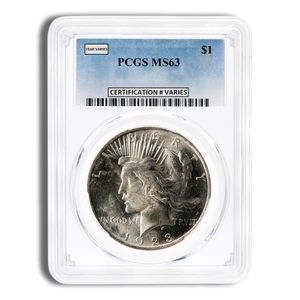
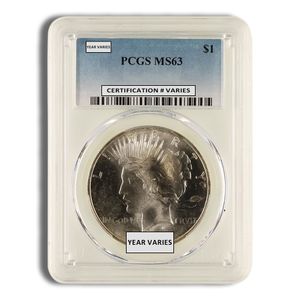
Certified coins carry a unique certification number, grade designation, and attribution from either NGC or PCGS. That encapsulation provides an additional layer of protection and standardization, ensuring the grade and authenticity are independently verified. Raw coins, whether sold as circulated or brilliant uncirculated, are verified for authenticity and specification before being offered through our platform.
Available Brands, Mints, and Product Variations
The Morgan dollars in this catalog were struck at multiple U.S. Mint facilities, with mint marks appearing on the reverse of each coin. The Carson City Mint (CC), San Francisco Mint (S), and Philadelphia Mint (no mint mark) are the most prominently represented. Carson City issues consistently carry the highest premiums among collectors due to their lower original mintages and the historical significance of the GSA hoard releases. The 1878-CC, 1879-CC, 1880-CC, 1881-CC, 1882-CC, 1883-CC, 1884-CC, 1885-CC, 1890-CC, and 1891-CC are all represented here in both raw BU and certified NGC grades.
Some of the more specialized variants in this catalog include the 1880-CC Reverse of 1878 and the 1880/79-CC overdate, both of which are recognized by NGC as distinct varieties. These coins appeal to date-and-mintmark collectors who are specifically targeting die varieties rather than simply filling a year set. Certified examples of these coins carry variety attributions on their labels, providing an additional layer of specificity for buyers who care about die attribution.
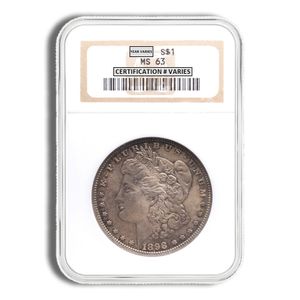
The random-year Morgan dollars, available in Cull, Good, Fine, XF, AU, and BU grades, as well as NGC and PCGS certified grades from MS60 through MS67, offer a flexible entry point into the series. These coins are sourced from various dates within the 1878 to 1904 production range and are well-suited for buyers focused on grade and silver content rather than specific dates or mint marks. Toned certified examples are also available in several NGC and PCGS grades, recognizing that original, naturally toned surfaces are considered desirable within the numismatic community.
Pricing, Premiums, and Market Factors
Silver dollar pricing is built on the underlying spot price of silver, with premiums layered on top based on grade, mint mark, date scarcity, certification status, and current market demand. Raw circulated coins in lower grades like Cull and Good trade closest to their melt value, with relatively modest premiums that reflect their condition and limited collector demand. As grades improve toward Fine, XF, and AU, premiums rise incrementally to account for better strike quality and surface preservation.
Certified mint-state coins carry the widest range of premiums in this category. An NGC MS60-MS62 random-year Morgan sits considerably closer to bullion value than an NGC MS65 Carson City dollar, which may carry substantial numismatic premiums above silver content based on collector demand, population reports, and date rarity. Toned examples certified by NGC or PCGS also carry distinct premiums in grades where original color is recognized as desirable by the market. Understanding where a specific coin sits on the bullion-to-numismatic spectrum is essential for evaluating the premium you're paying.
Bullion Standard displays transparent pricing that reflects current spot market conditions. The bid/ask spread shown on each product page gives you a clear view of both the acquisition cost and the expected resale value, so you can evaluate the complete transaction rather than focusing only on the purchase price. This is especially useful in a category like silver dollars, where premiums and spreads can vary significantly from one grade or date to another.
Condition, Packaging, and What to Expect
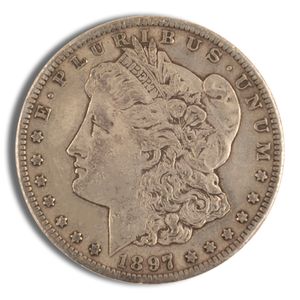
Raw circulated silver dollars will show wear consistent with their grade designation. Cull coins may have significant surface damage, rim dings, cleaning, or other impairments that disqualify them from a standard grade but do not affect their silver content. Good and Fine grades show moderate to heavy wear with design elements visible but flattened. XF and AU coins retain most of their original detail and are clearly distinguishable from heavily worn examples. These distinctions affect premiums but not the underlying 0.7734 troy ounces of silver each coin contains.
Brilliant uncirculated coins are offered in standard coin tubes of 20, consistent with the inner-pack quantities indicated in the product attributes. These coins have not been in circulation but may show contact marks, light bag marks, or minor surface imperfections typical of coins that were stored in bulk in mint bags. That's normal and expected for raw BU coins, and it's part of why certified grades carry higher premiums for buyers who want an independently evaluated, slabbed example.
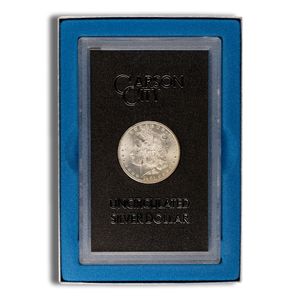
GSA hoard coins listed with "with Box and COA" are presented in their original government-issued hard plastic holders, which are nested inside a cardboard box accompanied by a Certificate of Authenticity from the General Services Administration. These packages date to the GSA sales of the 1970s and early 1980s, and the condition of the outer packaging can vary. The coin inside is protected within the sealed plastic holder regardless of the box's exterior condition.
Authenticity and Verification
Morgan silver dollars have been in circulation for well over a century, and the market for counterfeit examples does exist, particularly for higher-grade and high-premium dates. Bullion Standard sources all silver dollars from established wholesalers and distributors with verifiable provenance, and every product is reviewed for authenticity before being listed. Certified coins carry the additional assurance of independent verification by NGC or PCGS, two of the most respected third-party grading services in the numismatic industry.
NGC and PCGS both employ physical and chemical authentication methods, including detailed die analysis, surface examination, and weight verification. Once authenticated and graded, coins are sealed in tamper-evident sonically welded plastic holders with certification numbers that can be verified directly on each grading service's website. This makes certified coins the most straightforward way to purchase silver dollars with independently verified authenticity.
Bullion Standard is an authorized dealer for both NGC and PCGS, which means certified coins purchased through our platform carry the same authenticity assurances as those purchased directly from those grading services' authorized networks. For raw coins, our sourcing standards and pre-listing verification process provide a baseline of confidence that every product offered in this catalog is genuine.
Liquidity and Resale Considerations
Morgan silver dollars are among the most widely recognized and actively traded coins in the American numismatic market. Their long history, broad collector base, and consistent demand across both the bullion and numismatic segments make them relatively liquid compared to more obscure or specialized coin types. Raw circulated examples trade in volume through coin shops, auction houses, online platforms, and dealer networks, with pricing that tracks reliably against the underlying silver spot price for lower grades.
Certified examples are resold through more specialized channels, including major auction houses, dealer-to-dealer networks, and online numismatic marketplaces. The liquidity of a specific certified coin depends on its grade, date, mint mark, and current market demand. Common-date MS63 examples in standard holders trade more readily than MS65 examples of scarce Carson City dates, where the pool of buyers is narrower and pricing is more sensitive to population reports and recent auction results.
Recognizable mint marks and widely collected dates generally support resale more effectively than obscure varieties or problem coins. When evaluating which silver dollars to purchase, understanding the resale environment for that specific coin type is as important as understanding the purchase premium. Bullion Standard's two-way market structure allows customers to sell back into the same marketplace where they purchase, with buyback pricing that reflects current wholesale market conditions.
Storage and Security
Raw silver dollars store well in standard coin tubes of 20, which protect the coins from contact damage while keeping them organized and easily countable. These tubes can be stored in a home safe, a bank safe deposit box, or a third-party vault depending on the size of your holdings and your preference for accessibility. Coin tubes should be kept away from high humidity and temperature fluctuations to minimize the risk of toning or surface oxidation over time.
Certified coins in NGC or PCGS holders are best stored in coin boxes or binders specifically designed for slabbed coins. The hard plastic holders provide meaningful protection against environmental damage, but the holders themselves can be scratched or cracked if stored loosely or without adequate padding. A dedicated slab box or a padded case is the simplest way to keep certified coins organized and protected without adding unnecessary risk of cosmetic damage to the holder.
GSA hoard coins in their original packaging should be stored in their boxes whenever possible to preserve the completeness of the package, which is a consideration when reselling. Separating the coin from its original GSA holder reduces the collectibility and resale appeal of the item for buyers who specifically seek intact government packages.
Selling and Buyback Options
Bullion Standard operates a two-way market that allows customers to sell silver dollars back into the same platform where they were purchased. The buyback process is designed to be straightforward: you submit the coins for evaluation, pricing is offered based on current wholesale bid levels, and payment is processed after verification. Buyback pricing reflects real-time market conditions rather than fixed dealer offers, which means the prices you see are tied to what the wholesale market is actually bidding at the time you want to sell.
The factors that influence buyback pricing in this category are consistent with those that drive purchase premiums. Grade, certification status, mint mark, date, and current market demand all play a role. A certified NGC MS65 from Carson City will generally command a stronger buyback relative to its purchase price than a raw circulated Cull coin, because the market for the former is deeper and the premium is more stable. Packaging integrity also matters for GSA coins, where the original box and COA meaningfully affect the resale appeal.
Customers who want to understand their liquidation value before making a purchase can view the bid/ask spread displayed on each product page. This provides a realistic picture of what it would cost to sell the coin back into the market at current wholesale pricing, rather than discovering that information only after a purchase has been made.
Why Buy Silver Dollars?
Silver dollars occupy a distinctive position in the precious metals market that few other products replicate. They carry the full weight and silver content of any 0.7734-ounce silver product, but they also carry over a century of numismatic history and an established collector base that supports demand independent of the silver spot price. That combination gives buyers more flexibility than a standard silver round or bar, since the coin can be valued both as a bullion item and as a collectible depending on the grade and specific issue.
The Morgan dollar series in particular benefits from extraordinary production depth, with dozens of date-and-mintmark combinations across five different U.S. Mint facilities. That diversity supports a broad range of entry points, from high-volume Cull purchases at near-melt pricing to specific certified Carson City coins at meaningful numismatic premiums. Buyers can enter the category at exactly the level of specificity and premium that suits their goals.
For buyers focused purely on silver accumulation, the random-year circulated and BU options provide a cost-efficient way to acquire 0.7734 troy ounces of 90% silver per coin at competitive premiums. For those who want both silver content and recognized numismatic significance, the certified Carson City and San Francisco issues offer coins with independently verified grades and a long track record within the collector market.
Why Buy from Bullion Standard?
Bullion Standard was founded in 2010 and has operated as a nationally recognized online precious metals marketplace for over a decade. Our platform is built around pricing transparency, verified sourcing, and a two-way market structure that ensures customers understand both the cost of purchasing and the realistic value of reselling before they complete a transaction. That philosophy is reflected throughout every part of the buying experience, from the bid/ask spreads displayed on product pages to the responsive customer service team available to answer questions before and after purchase.
Every silver dollar offered through our platform is sourced from reputable wholesalers and distributors and verified for authenticity, weight, and purity before listing. Our status as an authorized dealer for both NGC and PCGS means certified coins in our catalog are held to the same authenticity standards those services require. Our A rating with the Better Business Bureau, membership in the American Numismatic Association, and membership in the National Coin and Bullion Association reflect a consistent commitment to professional standards across more than fifteen years of operation.
Payment options include Visa, Mastercard, American Express, Discover, PayPal, bank-connected payments through Plaid, wire transfer, paper check, and cryptocurrency through BitPay. Fulfillment is handled through a secure, insured shipping process with reliable delivery timelines. The overall experience is designed to feel like a transparent marketplace rather than a high-pressure sales environment, because that's the kind of platform we set out to build from the beginning.
Get Near-Spot Pricing with Bullion Standard Pro
Bullion Standard Pro is designed for buyers who want to transact closer to the wholesale level. Members gain access to live executable wholesale bid and ask pricing across a broad range of precious metals products, including silver dollars in multiple grades and formats. Unlike standard retail pricing, which incorporates fixed dealer markups and spreads, Pro pricing reflects real-time supply and demand conditions within the wholesale precious metals market. Premiums and bid/ask spreads fluctuate naturally based on market conditions rather than predetermined retail structures.
For buyers who purchase silver dollars regularly or in meaningful quantities, the pricing efficiency available through Bullion Standard Pro can reduce the effective cost per coin over time. Members also gain access to historical premium analytics, spread analysis, and proprietary market intelligence tools that provide a clearer picture of how individual products are priced relative to their historical ranges. That kind of data is particularly relevant in a category like silver dollars, where premiums can vary significantly across grades, dates, and market conditions.
Portfolio valuation through Bullion Standard Pro uses live executable wholesale bid pricing rather than estimated retail values, giving members a realistic view of their holdings based on current liquidation market conditions. For investors who want to evaluate their silver dollar positions with the same rigor applied to other asset classes, that combination of transparent pricing, live market data, and proprietary analytics tools represents a meaningful step toward a more informed approach to owning physical silver.


 (833) 278-4653