Buy 1 oz Silver Bars Online
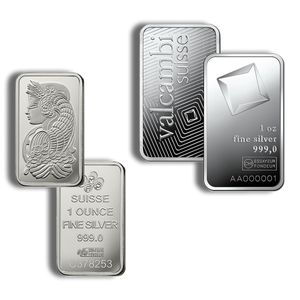
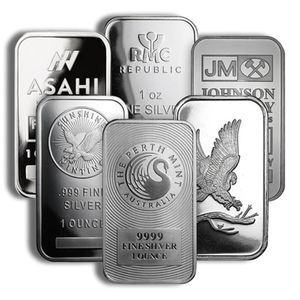
Our catalog of 1 oz silver bars brings together some of the most recognizable names in the global refinery and minting industry, including Perth Mint, Johnson Matthey, Engelhard, Sunshine Mint, Geiger Edelmetalle, Istanbul Gold Refinery, The Royal Mint, and Frontier Mint. Whether you're looking for a specific brand, a particular design, or the most cost-efficient entry point into physical silver, the selection here spans a meaningful range of origins, purities, and packaging formats.
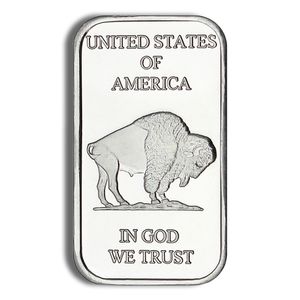
Alongside those established names, you'll also find secondary market options, random brand bars, art bars, and buffalo design pieces that offer straightforward silver content at competitive premiums. Some arrive in assay cards, others in sealed packaging, and certain options are sold from the secondary market in circulated condition. Every product listed here contains one troy ounce of .999 or .9999 fine silver and has been sourced through verified channels.
Bullion Standard operates as a transparent marketplace, not a high-pressure retail environment. Pricing on each product page reflects real-time market conditions, with the bid/ask spread displayed clearly so you can evaluate the full cost of ownership before making a purchase decision.
What Are 1 oz Silver Bars?
A 1 oz silver bar is a minted or cast rectangular piece of silver bullion weighing exactly one troy ounce, the standard unit of measurement in the precious metals industry. At 31.1 grams, the one troy ounce format is one of the most practical and widely traded silver bar sizes available, sitting at an accessible price point while still carrying meaningful silver content.
Compared to larger bar formats like 10 oz or 100 oz silver bars, the one ounce size is easier to handle, simpler to price, and more flexible for gradual accumulation. Unlike silver coins, which carry legal tender status and are often produced by sovereign mints in limited annual quantities, silver bars are produced primarily by private refineries and mints focused on delivering silver content at efficient premiums. The format is also distinct from silver rounds, which are coin-shaped but privately minted and not legal tender.
The 1 oz minted bar format, which is the predominant format in this catalog, is produced by stamping or pressing a refined silver blank through precision dies, resulting in clean edges, sharp design relief, and a consistent finish. This process differs from cast bars, which are poured into molds and typically carry a rougher, more industrial aesthetic that appeals to a different segment of buyers.
History and Background
The silver bar as a commercial bullion product gained significant traction in the latter half of the twentieth century as private refineries expanded their capacity and demand for standardized, tradeable silver grew beyond government-issued coinage. Refineries like Engelhard and Johnson Matthey were instrumental in establishing the credibility of privately produced silver bars during this period, and products from both brands remain actively traded in the secondary market today.
As international demand for silver bullion broadened, sovereign and semi-governmental mints began entering the bar market to complement their coin programs. The Perth Mint in Australia and The Royal Mint in the United Kingdom both developed minted bar products that carry the same quality assurance and assay standards associated with their coin programs. Geiger Edelmetalle in Germany brought a distinctly European approach to the format, producing bars with tight tolerances and proprietary assay packaging that appealed to buyers who prioritized security and provenance.
The rise of online precious metals marketplaces over the past two decades has made the 1 oz silver bar one of the most broadly accessible bullion formats globally. Increased competition among refineries and mints has contributed to tighter premiums on standard bar products, while design-focused offerings like art bars and commemorative pieces have expanded the market's appeal to buyers drawn to both the silver content and the aesthetic dimension of the format.
Purity, Weight, and Specifications
The bars in this catalog carry either .999 fine silver or .9999 fine silver purity. The .999 standard, sometimes referred to as three nines fine, is the most common purity level across the industry and is the basis for most privately produced silver bars. The .9999 standard, or four nines fine, indicates a higher level of refinement and is found on products from Perth Mint, Frontier Mint, and The Royal Mint within this catalog.
All bars weigh one troy ounce, which equals 31.1035 grams. This is a distinct measurement from the avoirdupois ounce used in everyday commerce, and it's the universal standard for silver and other precious metals. Each bar is stamped with its weight, purity, and in most cases the mint or refinery name, providing straightforward identification of the product's silver content.
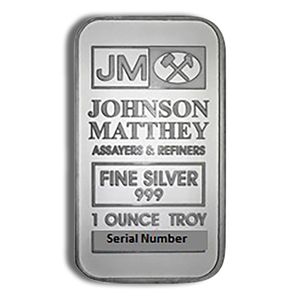
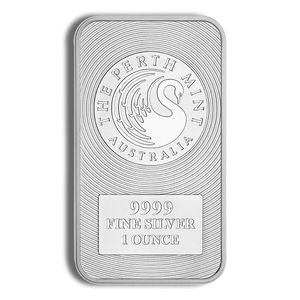
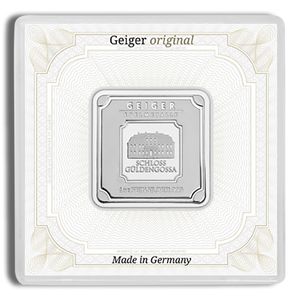
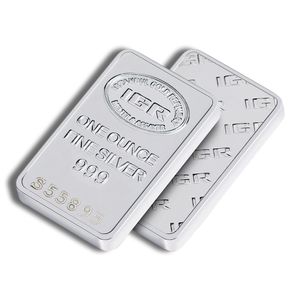
Bars that come in assay cards, such as the Geiger Edelmetalle and IGR options, include a sealed certificate that independently confirms the bar's weight and purity. This adds a layer of third-party verification and preserves the bar's original presentation, which can be relevant when reselling into certain market segments. Dimensional specifications vary by mint: the Johnson Matthey bar, for example, measures approximately 50.4mm by 29.7mm with a 2.7mm thickness, while the Perth Mint Kangaroo bar is 47.6mm by 27.6mm.
Available Brands, Mints, and Product Variations
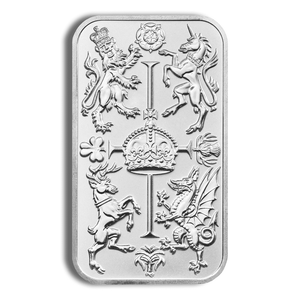
Perth Mint's 1 oz silver Kangaroo bar is one of the more recognizable options in the catalog, featuring .9999 fine silver and a distinctive kangaroo design backed by the quality assurance of the Australian government-owned mint. It comes individually packaged and is sold in inner packs of 20. The Royal Mint's Royal Celebration bar similarly carries .9999 purity and reflects the British mint's reputation for precise production standards.
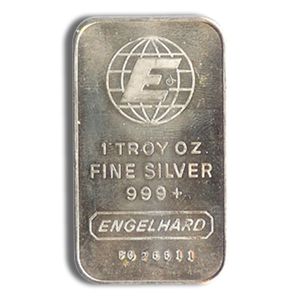
Johnson Matthey and Engelhard bars represent a different kind of appeal, one rooted in legacy refinery recognition rather than current production. Both brands have been out of active bar production for decades, which means these products trade primarily on the secondary market and carry a premium tied to their collectibility and historical significance among bullion buyers. Geiger Edelmetalle bars from Germany and IGR bars from Istanbul Gold Refinery offer European and Turkish refinery representation, both arriving in assay card packaging that preserves provenance.
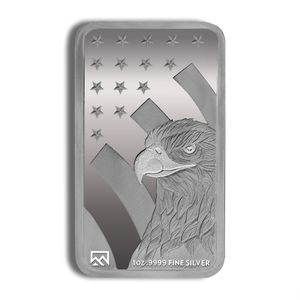
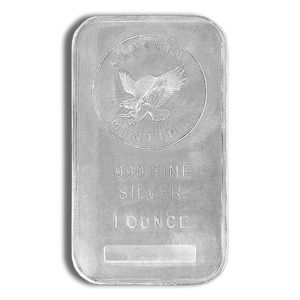
Sunshine Mint, based in the United States, produces bars with a proprietary MintMark SI security feature embedded in the surface, allowing buyers to verify authenticity using a decoder lens. Frontier Mint rounds out the American-made options with a .9999 fine silver bar featuring a patriotic American flag eagle design. For buyers focused primarily on silver content over brand specificity, the random brand and generic bars provide the same one troy ounce of .999 fine silver at generally tighter premiums. The secondary market option is sold in circulated condition, which may show minor handling marks but meets the same silver content standard.
Pricing, Premiums, and Market Factors
The price of a 1 oz silver bar is determined by two components: the spot price of silver and the premium above that spot price. Spot price reflects the current market value of silver in the wholesale commodities market and changes continuously throughout the trading day. The premium is the additional cost above spot that reflects production, distribution, branding, and market demand for a specific product.
Premiums vary meaningfully across the products in this catalog. Generic and random brand bars typically carry the lowest premiums because they represent pure silver content without the added cost of a recognizable mint brand or specialty packaging. Bars from Perth Mint, The Royal Mint, or Geiger Edelmetalle tend to carry somewhat higher premiums because of the associated brand reputation, production quality, and packaging presentation. Legacy products from Johnson Matthey and Engelhard can command premiums that exceed current-production equivalents due to collector demand in the secondary market.
Bullion Standard displays the bid/ask spread directly on each product page, which allows buyers to evaluate not just the purchase price but also the expected resale value relative to current market conditions. This two-way market structure means you're not purchasing in the dark about what it would cost to exit a position. For buyers who transact regularly or in volume, Bullion Standard Pro provides access to live wholesale pricing that removes retail markup layers entirely.
Condition, Packaging, and What to Expect
Most bars in this catalog ship in new, uncirculated condition directly from the mint or sealed distributor packaging. Products like the Sunshine Mint bar arrive in sealed plastic packaging, while Perth Mint Kangaroo bars come individually packaged with assay documentation. The Geiger Edelmetalle and IGR bars are delivered in assay card format, meaning the bar is sealed within a tamper-evident card that confirms weight and purity.
Generic and random brand bars are sold without assay cards and may arrive in plastic flips or loose, depending on inventory. These products are fully authentic and meet the same silver content standards, but their presentation is functional rather than premium. The secondary market bar is explicitly listed as circulated, which means it may show light surface marks, handling wear, or minor scuffs consistent with previous ownership. These cosmetic variations do not affect the silver content and are a normal characteristic of secondary market bullion.
For random brand and random design products, the specific brand received cannot be guaranteed in advance. The bar shipped will meet or exceed the listed purity and weight specifications, but buyers should expect that the design, finish, or brand name will vary based on current inventory. If a specific brand or design matters to you, selecting a named product from the catalog is the better choice.
Authenticity and Verification
Every product sold through Bullion Standard is verified for authenticity, weight, and purity before it reaches a customer. Products sourced from established mints like Perth Mint, The Royal Mint, Johnson Matthey, and Sunshine Mint carry the manufacturer's own authenticity guarantees as part of their production process. Sunshine Mint bars include the proprietary MintMark SI feature, a microscopic security element that can be verified with a decoder lens and provides a straightforward authentication method without requiring specialized equipment.
Assay cards from Geiger Edelmetalle and IGR provide a sealed chain of custody that documents the bar's specifications at the point of production. Buying a bar within its original assay card is one of the most reliable ways to confirm authenticity without third-party testing, particularly for products that may eventually change hands in the resale market. Bullion Standard is an authorized dealer for both PCGS and NGC, holds an A rating with the Better Business Bureau, and maintains memberships with the American Numismatic Association and the National Coin and Bullion Association.
For buyers who want independent confirmation beyond the manufacturer's documentation, XRF spectrometry is a non-destructive testing method commonly used by dealers and assayers to verify silver content without damaging the bar. This technology is widely available through reputable coin dealers and assay services, and it's a reasonable step for buyers who acquire silver bars outside of established dealer channels.
Liquidity and Resale Considerations
The 1 oz silver bar format is one of the most broadly recognized and actively traded physical silver products in the bullion market. Its standardized weight and widely understood purity levels make it straightforward to price and transact across virtually every resale environment, including dealer buyback programs, online marketplaces, and peer-to-peer transactions.
That said, not all 1 oz silver bars carry equal resale characteristics. Bars from internationally recognized mints and refineries, including Perth Mint, Johnson Matthey, Engelhard, and The Royal Mint, tend to attract consistent demand from dealers and collectors alike. Generic and random brand bars are equally liquid in terms of their silver content, but they may not command the same premiums in the secondary market as named-brand products. Bars in original assay card packaging typically retain a small presentation premium over loose or unpackaged equivalents, particularly when the assay card remains sealed and undamaged.
Secondary market bars in circulated condition are generally bought and sold at or near spot with minimal premium, which is reflected in their lower acquisition cost. Understanding these distinctions before purchasing helps align expectations with resale realities and avoids surprises when it's time to sell.
Storage and Security
One troy ounce silver bars are compact and relatively easy to store compared to larger bar formats, but that convenience also means they're small enough to be misplaced or damaged if not stored properly. A quality home safe rated for both fire and theft resistance is a practical baseline for buyers who prefer to keep their silver accessible. For larger holdings, dedicated vault storage through a trusted depository offers professional-grade security with insurance coverage and without the personal liability of home storage.
Bars delivered in assay card packaging should remain in their original sealed enclosures whenever possible. Breaking the seal on an assay card diminishes the authentication documentation and can reduce the premium those products carry in the resale market. Bars in plastic flips or sleeves should be stored in a stable environment with controlled humidity, as silver is prone to toning and oxidation when exposed to moisture, sulfur compounds, or air over extended periods.
Bank safe deposit boxes offer a middle ground for buyers who don't need frequent access to their holdings. While they don't carry FDIC insurance and access may be limited during bank hours, they provide physical security at a low cost. Regardless of the storage method chosen, maintaining a clear inventory record with SKU numbers, purchase documentation, and photographs simplifies both insurance claims and eventual resale.
Selling and Buyback Options
Selling 1 oz silver bars back into the market is a straightforward process when the product is in recognizable condition with clear provenance. Bullion Standard operates a two-way market, meaning customers can sell silver bars back to us directly through the same platform used to purchase them. Buyback pricing is based on current wholesale bid levels and reflects real-time market conditions rather than arbitrary dealer assessments.
The factors that most directly influence buyback pricing include the product's mint or refinery brand, condition, packaging integrity, and current spot price. A Perth Mint Kangaroo bar in its original packaging will typically receive a tighter spread than a generic bar sold loose. Bars in assay card packaging that remain sealed present cleanly for resale and are easier to process quickly. Secondary market and circulated bars are bought based on silver content alone with minimal premium consideration.
Bullion Standard Pro members benefit from access to live executable wholesale bid pricing, which provides real-time visibility into what products are worth in the wholesale market at any given moment. This removes ambiguity from the selling process and allows holders to make informed decisions about when and how to liquidate based on objective pricing data rather than estimates or approximations.
Why Buy 1 oz Silver Bars?
The 1 oz format sits at a practical intersection of accessibility and efficiency. Unlike fractional sizes, it doesn't carry the elevated per-ounce premiums associated with smaller bars, and unlike larger formats, it doesn't require the capital commitment of a 10 oz or 100 oz purchase. This makes it one of the most flexible formats for buyers who want to accumulate silver incrementally without concentrating too much capital in a single piece.
Silver also carries genuine industrial utility that distinguishes it from gold in the bullion market. It's used extensively in electronics, solar energy panels, medical devices, and industrial manufacturing. This underlying industrial demand provides a persistent market for silver beyond the bullion buyer community, which contributes to its broad recognizability as a commodity.
From a storage standpoint, the 1 oz bar is easy to handle, straightforward to inventory, and compact enough to store in meaningful quantities without requiring specialized infrastructure. For buyers who prioritize knowing exactly what they hold and being able to transact individual pieces efficiently, the standardized one ounce format is one of the most practical choices across the entire bullion market.
Why Buy from Bullion Standard?
Founded in San Diego in 2010, Bullion Standard has built its reputation on operational transparency and a genuine two-way market structure. Every product in our catalog is sourced from verified mints, refineries, wholesalers, and distributors and authenticated before it's made available for purchase. Our A BBB rating, ANA membership, NCBA membership, and authorized dealer status for both PCGS and NGC reflect a commitment to standards that go beyond routine retail compliance.
Pricing on every product page reflects live market conditions, and the bid/ask spread is displayed openly so buyers can evaluate the complete cost of ownership, not just the purchase price. This level of pricing transparency is central to how we operate and separates us from traditional dealer models that obscure the resale side of the transaction. Our checkout process supports a broad range of payment methods including Visa, Mastercard, American Express, Discover, PayPal, Plaid-connected bank payments, wire transfer, paper check, and cryptocurrency through BitPay.
Customer service and post-purchase support are built into the experience. Whether you have questions about a specific product, need help navigating our buyback process, or want to understand how a particular bar is priced relative to the broader market, our team is accessible and focused on building long-term relationships rather than one-time transactions. We believe the physical precious metals buying experience should feel informed and straightforward, and we've structured every part of our platform around that principle.
Get Near-Spot Pricing with Bullion Standard Pro
Bullion Standard Pro is designed for buyers who want to transact at wholesale market prices rather than standard retail premiums. Members gain access to live executable wholesale bid and ask pricing across a broad range of silver bar products, including the 1 oz format. Unlike indicative price displays, these are executable prices that reflect actual supply and demand conditions within the wholesale precious metals market at any given moment.
The Pro platform removes the dealer markup layer that is built into conventional retail pricing structures, allowing premiums and bid/ask spreads to move naturally in response to market conditions rather than fixed retail pricing schedules. For buyers who accumulate silver regularly or transact in volume, the pricing efficiency available through Pro can meaningfully reduce the cost difference between purchase price and resale value over time.
Beyond pricing, Pro members have access to proprietary market intelligence tools including historical premium analysis, premium percentile rankings, spread tightness metrics, liquidity indicators, and wholesale market activity data. Portfolio holdings are valued using live executable wholesale bid pricing rather than estimated retail values, providing a more realistic picture of current liquidation value. For buyers who want to approach the silver market with the same analytical discipline applied to other asset classes, Bullion Standard Pro offers a level of market transparency that isn't readily available through conventional bullion retail channels.


 (833) 278-4653