Buy $25 Goldback Notes Online
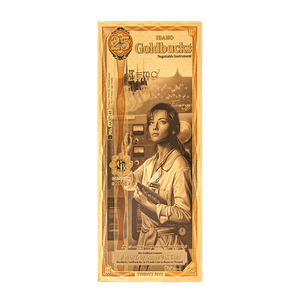
Our catalog of $25 Goldback notes brings together some of the most distinctive state-series aurum notes available in the modern bullion market. Each note in this collection contains 1/40th of a troy ounce of 24-karat gold embedded within a durable, polymer-layered format produced by Valaurum, the manufacturer behind the Goldback series. The four notes currently available represent Arizona, Florida, Idaho, and Oklahoma, each featuring original artwork celebrating the culture, heritage, and natural character of its respective state.
Goldback notes at the 25-denomination level are among the most traded entries in the Goldback series, sitting at a practical midpoint between the smaller fractional denominations and the higher-value notes. At Bullion Standard, these notes are presented with transparent pricing, real-time spot-linked premiums, and full product specifications so buyers can make informed decisions before adding them to their cart.
What Are $25 Goldback Notes?
Goldbacks are a form of physical gold in a note format, technically classified as aurum. Rather than a coin, round, or bar, a Goldback note is a thin, flexible sheet composed of layered polymer film with 24-karat gold deposited within it using a vacuum deposition process. The result is a visually striking, functional gold product that can be physically handled and transacted much like paper currency, though it carries no legal tender status at the federal level.
The denomination system used by Goldback is tied to fractional gold content. A 25 Goldback contains 1/40th of a troy ounce of gold, placing it between the smaller 1, 5, and 10 Goldback denominations and the larger 50 Goldback. This structure allows buyers to acquire physical gold in genuinely small increments without sacrificing the tangible nature of the metal itself.
Buyers are drawn to the 25 Goldback denomination for its usability. The fractional format makes it accessible for collectors, traders interested in small-denomination physical gold, and buyers who want to diversify their holdings across multiple state designs without committing to larger gold purchases.
History and Background
The Goldback series was developed by Valaurum, a Utah-based company founded with the goal of creating spendable, gold-containing currency for everyday use. The series launched in Utah in 2019 and has since expanded to include notes representing multiple U.S. states, with Nevada, Wyoming, New Hampshire, South Dakota, and others joining alongside Arizona, Florida, Idaho, and Oklahoma. The project draws conceptual influence from historical gold certificate currency, though it operates entirely outside of any government monetary system.
Valaurum's vacuum deposition technology was the key enabler of the format. By suspending thin layers of 24-karat gold within a laminated polymer structure, the company solved a long-standing engineering challenge: how to put genuinely small, measurable quantities of gold into a durable, flat, note-style product without relying on traditional minting methods that require minimum thicknesses and compressive force.
Since its introduction, the Goldback series has grown into a recognized segment of the alternative currency and fractional gold market. The state-specific artwork has helped drive collector interest alongside the bullion value, and the expandable denomination structure from 1 through 50 has supported the series' positioning as both a transactional product and a collectible.
Purity, Weight, and Specifications
Each 25 Goldback note contains exactly 0.025 troy ounces of gold, equivalent to 1/40th of a troy ounce. The gold content is composed of 24-karat gold at a purity of either .999 or .9999 fine depending on the specific state series. The Arizona and Oklahoma 25 Goldbacks in our catalog carry a .999 fine gold purity rating, while the Florida and Idaho notes are produced to a .9999 fine standard.
The note format itself is measured in fractions of a millimeter in thickness, with the Oklahoma series noting a thickness of approximately 0.1mm. The overall dimensions are consistent with a standard paper note, making the product thin, lightweight, and easy to handle. The gold is distributed uniformly throughout the laminated layers rather than plated on the surface, which distinguishes the aurum format from gold-plated novelty products.
Weight markings, denomination, purity, and the Valaurum brand are incorporated into each note's design. The gold content is verifiable and consistent across the denomination, and buyers can cross-reference metal content with the specifications listed on each product page.
Available Brands, Mints, and Product Variations
All four notes in this section are produced by Valaurum under the Goldback brand. Valaurum functions as both the manufacturer and the brand authority behind the entire Goldback series, responsible for the deposition technology, state-specific artwork, denomination structure, and quality standards that define the product line. Unlike traditional mints that press or strike metal blanks, Valaurum uses a proprietary industrial process to manufacture each note to consistent specifications.
The four state-specific notes currently available are the Arizona 25 Goldback, the Florida 25 Goldback, the Idaho 25 Goldback, and the Oklahoma 25 Goldback. While the gold content and denomination are identical across all four, each note features distinct imagery tied to its state's cultural and natural identity. The artwork is a meaningful part of the product's appeal, and many buyers collect across state series rather than purchasing a single note in quantity.
As the Goldback series continues to expand into new states, the catalog of available designs at the 25-denomination level is likely to grow. Buyers interested in building a full-state collection should check current availability, as not all state series are released simultaneously and some earlier series have developed distinct secondary market recognition.
Pricing, Premiums, and Market Factors
Goldback notes carry premiums above spot gold that are higher than those typically associated with standard bullion bars or sovereign coins. This is a function of several factors: the specialized manufacturing process, the fractional gold content, the state-specific artwork, and the relatively limited production volumes compared to mainstream bullion products. Buyers entering this segment should expect premiums to reflect those realities rather than treating them as inefficiencies.
The premium over spot is influenced by both the denomination and the specific state series. Some state Goldbacks develop tighter or wider premiums in the secondary market depending on collector demand, series availability, and whether a particular state's notes are still in active production. At Bullion Standard, pricing reflects real-time spot conditions and is updated continuously so buyers can see exactly what they're paying relative to the underlying gold value.
The bid/ask spread on Goldback notes tends to be wider than on high-liquidity bullion products like standard gold coins or bars, which is consistent with the specialized and collectible nature of the format. Understanding both the purchase price and the expected buyback value provides a complete picture of the true cost of ownership, and Bullion Standard displays this spread directly on product pages rather than obscuring it behind opaque pricing structures.
Condition, Packaging, and What to Expect
Goldback notes are typically sold in individual protective sleeves or as part of sealed packaging that preserves the note's surface and gold layers during shipping and handling. The polymer construction makes them more durable than paper currency but still susceptible to creasing, folding, or surface abrasion if handled carelessly. Products received from Bullion Standard are sourced directly from authorized Goldback distribution channels and arrive in new condition.
Because Goldback notes are a relatively new product format, buyers should be aware that minor tonal or visual variation between production batches can occur. These differences do not affect gold content or authenticity and are consistent with the manufacturing process. Buyers who are sensitive to cosmetic consistency may want to purchase multiple notes from the same order to ensure a uniform presentation.
Packaging presentation at the retail level typically involves individual poly sleeves or cardboard-backed holders, which protect the notes during transit and allow them to be displayed or stored without direct handling. Buyers intending to keep notes in pristine condition for resale or collection purposes should avoid removing them from their protective packaging.
Authenticity and Verification
Valaurum's manufacturing process builds authenticity indicators directly into the note's physical structure. The layered polymer and gold construction is not replicable through conventional printing or plating methods, which provides an inherent level of counterfeit resistance. The vacuum deposition process distributes gold at the atomic level within the laminate, making the gold content verifiable and visually consistent under magnification.
Each note includes the Goldback denomination, gold content disclosure, and Valaurum branding as part of its design. These markings serve as baseline verification references for buyers and dealers. Authentication in the secondary market typically involves visual inspection, weight verification where applicable, and familiarity with the legitimate note's design standards.
Bullion Standard sources all Goldback products through authorized distribution channels, and every product is verified for authenticity before fulfillment. Our purchasing and verification standards are consistent across the catalog, and buyers can transact with confidence knowing that the products they receive meet the specifications published on each product page.
Liquidity and Resale Considerations
Goldback notes occupy a distinct position in the liquidity spectrum of physical gold products. Their recognizability is strong within the Goldback collector and alternative currency communities, though they are less universally traded than standard bullion coins or bars. Buyers should understand that resale is most efficient through dealers and platforms that specifically support the Goldback series rather than through general bullion channels that may not be familiar with the format.
State-specific demand plays a role in secondary market pricing. Notes representing states with larger collector bases or more established series history may trade with narrower spreads than newer or less widely distributed state editions. The 25 Goldback denomination is among the most actively traded sizes in the series, which supports relative liquidity compared to higher denominations with lower production volumes.
Buyers who prioritize liquidity should factor the Goldback format's niche positioning into their purchasing decisions. The product offers genuine gold content in an accessible format, but the resale process differs meaningfully from selling a standard sovereign coin or recognized gold bar. Researching buyback pricing before purchasing is a practical step that Bullion Standard's transparent bid/ask display is designed to support.
Storage and Security
The flat, lightweight format of Goldback notes makes them easy to store in small spaces, which is one of the format's practical advantages. Individual notes or small collections can be kept in rigid card holders, archival sleeves, or purpose-built Goldback storage albums that organize notes by denomination and state. These options protect the surface from abrasion while allowing easy visual access without direct contact.
For buyers holding larger quantities, a home safe with climate stability is a sensible option. Goldback notes are sensitive to prolonged exposure to excessive heat, direct sunlight, or high humidity, all of which can affect the laminate layers over time. Keeping notes stored flat, away from direct light, and at stable room temperature preserves both the cosmetic condition and the integrity of the gold layers.
Bank deposit boxes offer a secure alternative for collectors who prefer institutional storage, though access frequency should be considered if notes are intended for active trading or display. For significant holdings, professional vault storage through an insured third-party facility provides the highest level of physical security and environmental control.
Selling and Buyback Options
Selling Goldback notes back into the market involves the same considerations as any specialized bullion format: product condition, packaging integrity, denomination, state series, and current market demand all influence buyback pricing. Notes in original, unhandled condition within their protective sleeves generally command better buyback terms than those showing handling wear or removed from packaging.
Bullion Standard operates a two-way market structure that allows customers to sell precious metals back through the same platform they purchased from. Our purchasing team evaluates buyback offers based on current wholesale market conditions, product-specific liquidity, and the actual condition of the items being sold. This structure provides sellers with a reliable and transparent exit option rather than requiring them to navigate unfamiliar secondary markets independently.
Buyers who plan to sell Goldback notes in the future should document their purchase records, retain original packaging, and store notes in a manner that preserves their condition. These factors contribute to a more efficient resale process and, in most cases, a more favorable buyback evaluation.
Why Buy $25 Goldback Notes?
The 25 Goldback denomination offers a practical balance between meaningful gold content and an accessible price point. At 0.025 troy ounces per note, buyers can acquire genuine 24-karat gold in small increments without the minimum commitments associated with standard coins or bars. This makes the format well suited for buyers looking to diversify across multiple state designs or build a denomination-based Goldback collection over time.
The state-specific artwork adds a layer of appeal that goes beyond the intrinsic metal value. Each note is a distinct, visually detailed piece tied to a specific place, which supports collector interest alongside the bullion dimension of the purchase. For buyers who appreciate both the gold content and the artistic craft behind each note, the 25 Goldback represents an entry point that delivers on both fronts.
There is also a practical usability dimension to the Goldback format that distinguishes it from other gold products. The note-style construction is designed for everyday handling and, within communities that recognize and accept Goldbacks, for direct exchange. Buyers interested in the intersection of physical gold and functional currency formats will find the 25 Goldback a compelling and well-developed product in that space.
Why Buy from Bullion Standard?
Bullion Standard has operated as a U.S.-based precious metals dealer since 2010, building a reputation grounded in pricing transparency, product authenticity, and a customer-first philosophy that prioritizes informed decision-making over high-pressure sales tactics. Every Goldback note in our catalog is sourced through authorized channels and verified before fulfillment, so buyers receive exactly what the product page describes.
Our pricing model is built around real-time market conditions. Rather than embedding opaque markups or obscuring the relationship between spot price and retail cost, we display the bid/ask spread directly on each product page. This gives buyers a complete picture of the acquisition cost and the expected resale value before any transaction is made. It's a structure rooted in the belief that better information leads to better decisions.
Customers can pay through a wide range of methods including Visa, Mastercard, American Express, Discover, PayPal, bank-connected payments through Plaid, wire transfer, paper check, and cryptocurrency through BitPay. Bullion Standard holds an A rating with the Better Business Bureau and maintains membership in both the American Numismatic Association and the National Coin and Bullion Association. Our goal is a marketplace that feels genuinely transparent and professionally reliable from the first visit through every subsequent transaction.
Get Near-Spot Pricing with Bullion Standard Pro
Bullion Standard Pro is designed for buyers who want direct access to wholesale-level pricing without the dealer markups built into standard retail transactions. Members transact at live, executable wholesale bid and ask prices that reflect real-time supply and demand rather than fixed retail pricing structures. For buyers who purchase Goldback notes regularly or in quantity, the pricing efficiency available through Pro can represent a meaningful difference in the total cost of acquisition.
Pro members also gain access to real-time portfolio valuation based on live wholesale bid pricing, which provides a more accurate picture of liquidation value than retail-estimated figures. This is particularly relevant for buyers holding a range of Goldback denominations and state series, where individual product premiums and spreads can vary meaningfully across the catalog.
Beyond pricing, Bullion Standard Pro provides access to proprietary market intelligence tools including historical premium analysis, spread analysis, liquidity metrics, and buy/sell ratio indicators. For buyers who take an analytical approach to evaluating physical gold products, these tools provide the kind of objective, data-driven market visibility that is rarely available within the traditional bullion retail environment.


 (833) 278-4653