Buy Silver Dollars Online
Our silver dollar catalog brings together one of the most historically significant segments of the American numismatic and bullion market under a single roof. Whether you're looking at circulated Morgan silver dollars graded Good through About Uncirculated, Brilliant Uncirculated examples across a range of dates, or certified specimens slabbed by NGC or PCGS in grades reaching MS66 and MS67, the selection here spans a broad spectrum of conditions, dates, mints, and price points.
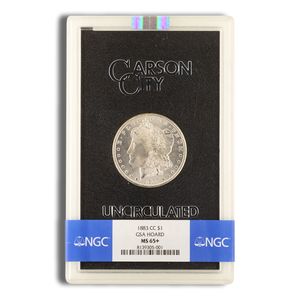
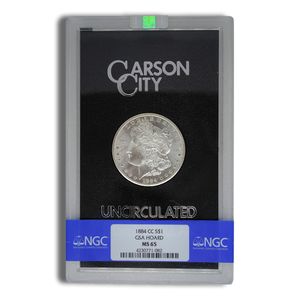
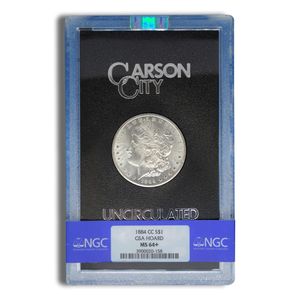
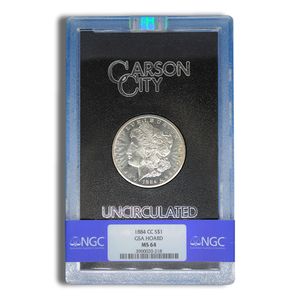
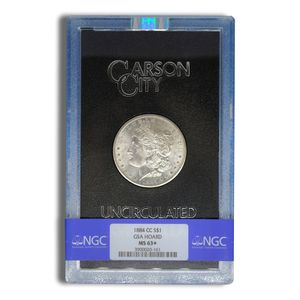
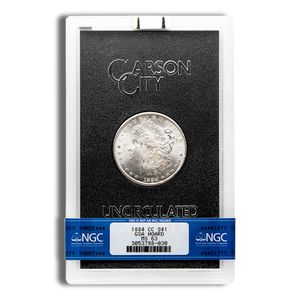
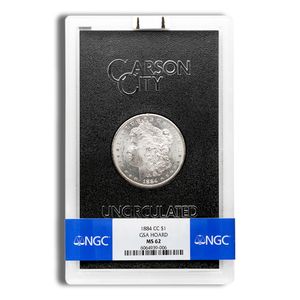
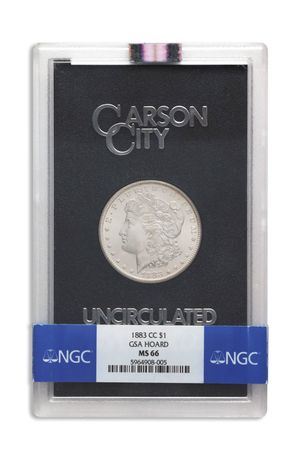
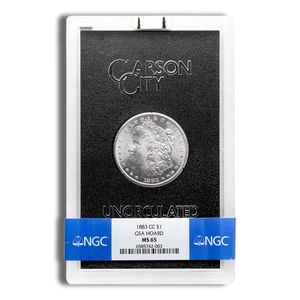
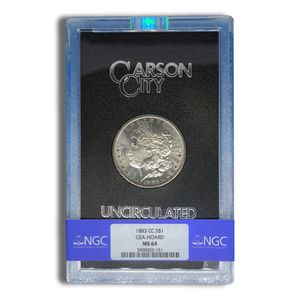
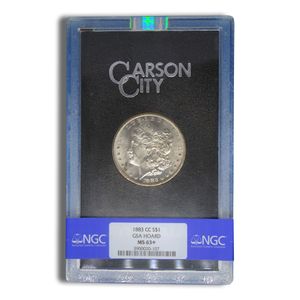
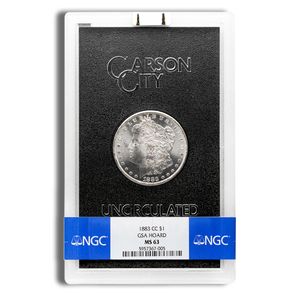
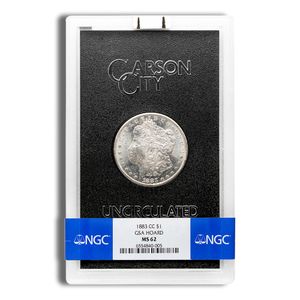
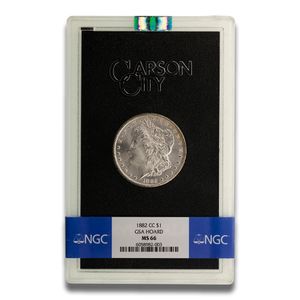
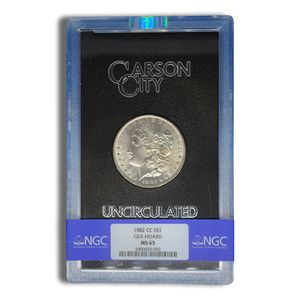
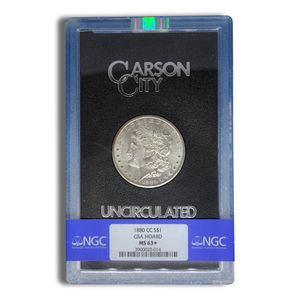
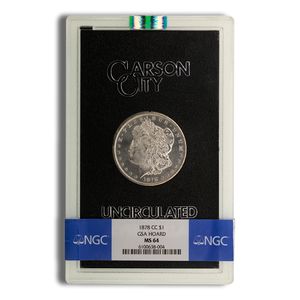
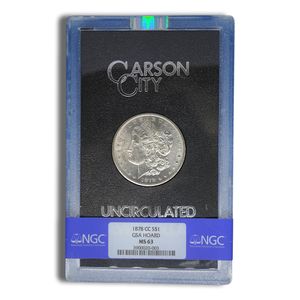
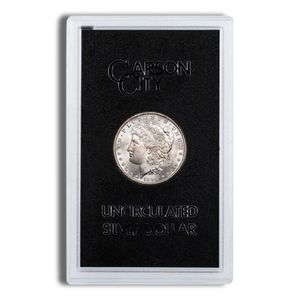
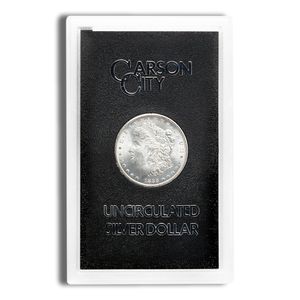
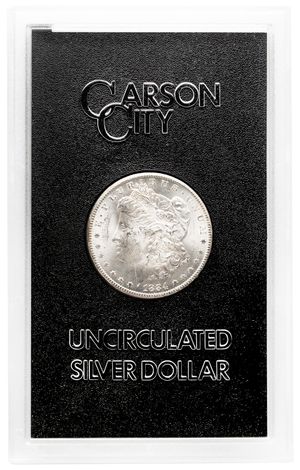
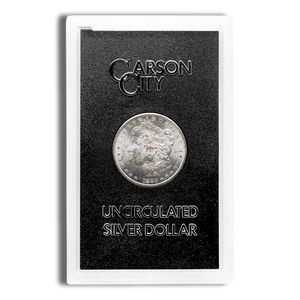
Carson City issues from years including 1878 through 1885 are prominently represented, many in their original GSA hard plastic holders with original boxes and Certificates of Authenticity. Raw ungraded examples with various mint marks offer more accessible entry points, while professionally graded coins in MS62 through MS65 provide collectors and buyers who prioritize grade certainty with a range of certified options. Toned examples from both NGC and PCGS also appear throughout the catalog, recognizing that natural color is a desirable characteristic to a significant portion of the market.
Bullion Standard's transparent pricing structure applies throughout this catalog. Every product reflects real-time spot pricing and clearly communicates the premium above spot, allowing buyers to compare options across grades, mints, and certification services without guesswork. The same two-way market philosophy that defines our broader platform extends here, meaning these coins can be purchased and later sold back within the same ecosystem.
What Are Silver Dollars?
Silver dollars are large-denomination United States coins struck primarily in 90% silver that were issued for circulation during the 19th and early 20th centuries. The term encompasses several distinct series, with the Morgan dollar and the Peace dollar being the most widely traded among buyers today. Each Morgan dollar contains 0.7734 troy ounces of pure silver, making its intrinsic silver content easy to calculate against current spot pricing.
Unlike generic silver rounds or privately minted bars, silver dollars carry a numismatic dimension that extends beyond their melt value. Condition, mint mark, date, and strike quality all influence how individual coins are priced and traded. A cull coin, acceptable only for its silver content, trades very differently from a certified MS65 example of the same date, reflecting the layered pricing structure that defines this corner of the market.
Buyers approach silver dollars from two distinct angles. Some focus primarily on the silver content and treat pre-1965 U.S. coinage as a form of recognizable, government-issued silver that carries the weight and purity guarantee of the United States Mint. Others are primarily interested in the numismatic attributes, where date, mint mark, strike, luster, and toning each contribute to value. Most buyers land somewhere between these two orientations, which is part of what makes this market consistently active.
History and Background
The Morgan dollar was struck from 1878 through 1904 and then again briefly in 1921 under the Bland-Allison Act and subsequent silver purchase legislation that required the U.S. Treasury to acquire and coin significant quantities of domestic silver. Designed by George T. Morgan, the coin features a left-facing portrait of Liberty on the obverse and a heraldic eagle on the reverse. It was minted at five facilities over its production run, including Philadelphia, New Orleans, San Francisco, Carson City, and Denver, each distinguished by a specific mint mark.
The Carson City Mint occupies a particular place in this history. Operating from 1870 to 1893 and using silver drawn from the nearby Comstock Lode, it produced Morgan dollars in relatively smaller quantities compared to Philadelphia or New Orleans. When the General Services Administration conducted a series of sales in the 1970s distributing Morgan dollars that had been sitting in Treasury vaults for decades, Carson City coins were released in original government packaging that is still collected today. These GSA-packaged coins remain among the most recognizable formats in the Morgan dollar market.
The broader market for pre-1965 U.S. silver coinage has been shaped by decades of collector interest, professional grading services that emerged in the late 1980s, and a sustained base of buyers who recognize these coins on sight. NGC and PCGS began certifying coins and providing standardized grades during this period, bringing a new layer of market transparency to a market that had previously relied heavily on individual dealer opinions. That certification infrastructure now underpins a large portion of how higher-grade Morgan dollars are bought and sold today.
Purity, Weight, and Specifications
Every Morgan silver dollar was struck to the same standard composition: 90% silver and 10% copper, yielding a gross weight of 26.73 grams and a net silver weight of 0.7734 troy ounces. This specification remained consistent across all years, mints, and varieties covered by the Bland-Allison Act and its successor legislation. The copper content provides durability without meaningfully affecting the coin's silver value at current spot prices.
The 90% silver purity designation is sometimes expressed as a fineness of .900, and these coins are commonly grouped under the broader category of "junk silver" when sold for their melt content in circulated grades. In uncirculated and certified grades, the same specifications apply, but the numismatic premium above melt value reflects condition and market demand rather than any difference in metal composition.
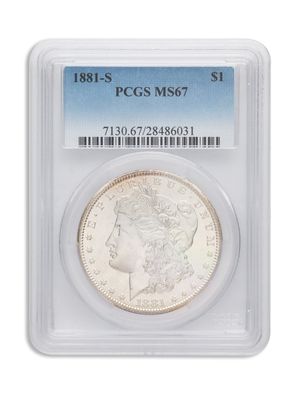
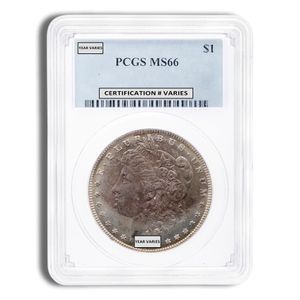
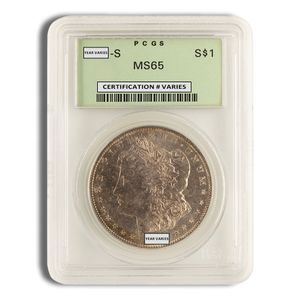
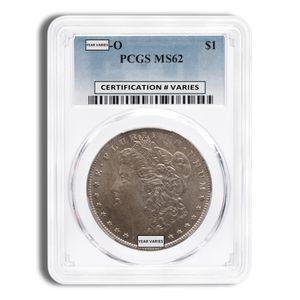
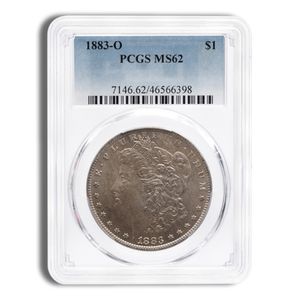
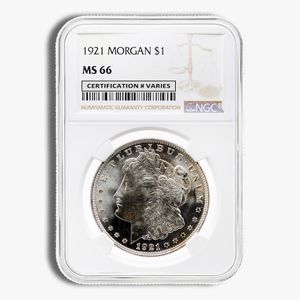
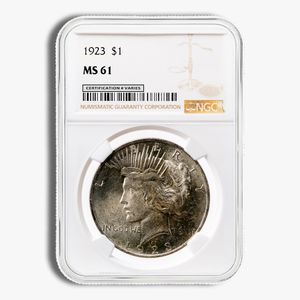
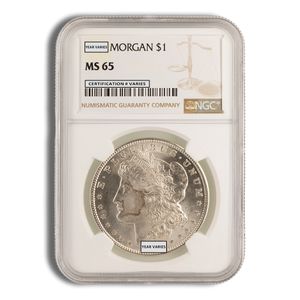
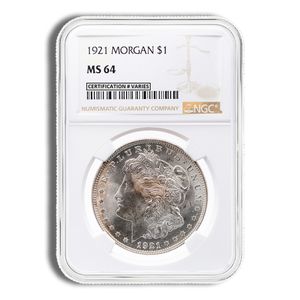
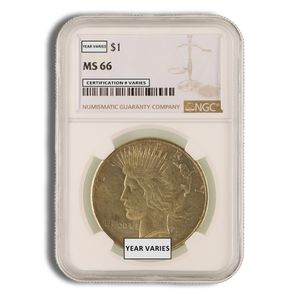
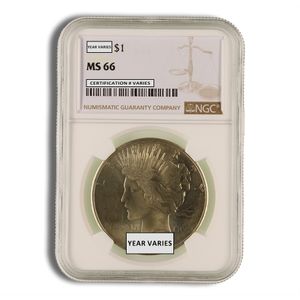
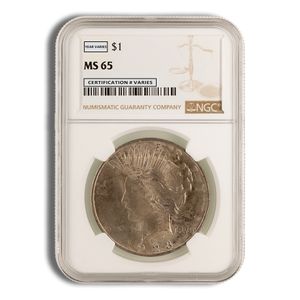
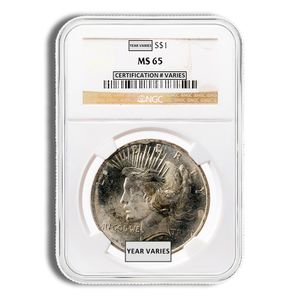
Certified examples carry a slab encapsulation from NGC or PCGS that includes the assigned grade, date, mint mark, and any variety designations or special attributions. The grade scale used by both services runs from Poor-1 through Perfect-70, with Mint State grades beginning at MS60 and progressing through MS70. Among Morgan dollars in our catalog, certified grades currently span from MS62 through MS67, covering the range where most certified collector demand concentrates.
Available Brands, Mints, and Product Variations
The Morgan dollars in our catalog come exclusively from the United States Mint, the sole issuing authority for this series. Within that single source, however, considerable variety exists across dates, mint marks, varieties, grades, and packaging formats. The 1878-1904 date range appears across multiple condition tiers, from cull and Good-plus examples intended primarily for silver content buyers, to Fine-plus, XF-plus, and AU-plus circulated specimens, through BU and certified Mint State examples graded by NGC and PCGS.
Carson City issues from 1878 through 1885 receive particularly detailed treatment in our catalog. The 1878-CC, 1880-CC, 1881-CC, 1882-CC, 1883-CC, 1884-CC, and 1885-CC dates are all available in GSA holder format, with box and Certificate of Authenticity. NGC-certified versions of these same dates appear in grades from MS62 through MS66, and select dates include plus-grade designations such as MS63 and MS64, which reflect coins that NGC judges to be superior within their assigned grade tier. The 1880-CC Rev 78 and the 1880/79-CC Rev 78 overdate variety are also represented in certified form, acknowledging the collector market for die varieties specific to this mint and era.
Among the certified options, both NGC and PCGS slabs appear throughout the catalog. Toned examples are listed separately from untoned coins across multiple grade levels, reflecting the meaningful price distinctions the market places on natural color. PCGS-certified Morgan dollars span grades from MS60-62 through MS67, with toned and untoned versions available at multiple grade points. The presence of NGC MS60-MS62 and MS63 examples alongside PCGS counterparts gives buyers the ability to compare pricing across grading services within the same grade tier.
Pricing, Premiums, and Market Factors
Silver dollar pricing operates on two distinct layers simultaneously. The first is the intrinsic silver value, which moves in real time with spot silver prices and represents the baseline floor for any 90% silver coin regardless of condition. The second is the numismatic premium, which reflects collector demand, grade rarity, date scarcity, mint mark desirability, and certification service. For circulated and cull examples, the numismatic premium is relatively modest. For certified MS65 and above, the numismatic component can dwarf the melt value many times over.
Carson City Morgan dollars typically command a premium over comparable Philadelphia or New Orleans issues at equivalent grades, driven by their lower original mintage figures and consistent collector demand. Within the Carson City dates, the 1885-CC is among the most frequently cited as a conditionally scarce date in higher Mint State grades. The presence of a plus-grade designation from NGC or PCGS similarly affects pricing because the market recognizes these coins as superior representatives of their grade tier and prices them accordingly.
Toning is a meaningful pricing variable in this market. Natural toning, characterized by consistent color development across the coin's surface, is generally viewed positively by the market and both NGC and PCGS acknowledge this in their labeling. Artificially toned coins are rejected by both services. Bullion Standard's pricing reflects real-time market conditions across all grades and variations, with the bid/ask spread displayed on each product page so buyers understand both the acquisition cost and the expected resale value at the time of purchase.
Condition, Packaging, and What to Expect
Cull and heavily circulated Morgan dollars are sold as-is for their silver content, and buyers should expect significant wear, possible cleaning, damage, or other characteristics that make them unsuitable for numismatic grading. Good-plus and Fine-plus examples will show obvious circulation wear but retain legible major design elements. About Uncirculated and XF-plus coins show lighter surface wear with most high points remaining intact, making them a popular middle ground between melt-value and collector-grade pricing.
BU examples sold without third-party certification may show bag marks, luster breaks, or minor contact marks typical of coins that circulated briefly in bags at the mint. The designation refers to the absence of circulation wear rather than perfection of surface. Buyers should not expect a BU-labeled raw coin to match the appearance of a certified MS64 or MS65 example. GSA-packaged Carson City coins arrive in their original hard plastic holders within government-issue cardboard boxes, with a Certificate of Authenticity. The packaging is original and has not been tampered with.
Certified coins are encapsulated in tamper-evident plastic slabs by NGC or PCGS. The slab protects the coin from handling damage and clearly displays the assigned grade on a printed insert. Products shipped from Bullion Standard are securely packaged to prevent damage in transit, and certified coins receive additional protective packaging appropriate to their encapsulated format.
Authenticity and Verification
Morgan silver dollars have been counterfeited extensively over the years, and verification is a legitimate concern in any transaction involving raw, uncertified examples. The United States Mint produced these coins with specific weight, diameter, reeding, and design characteristics that experienced buyers and dealers use to authenticate examples. Weight in particular is a reliable initial check, as genuine coins should measure 26.73 grams within acceptable tolerance.
Third-party certification by NGC or PCGS provides the strongest available assurance of authenticity for uncirculated and higher-grade examples. Both services examine coins for authenticity, grade them on the standard Sheldon scale, and encapsulate them in tamper-evident holders with unique certification numbers that can be verified through their online databases. Bullion Standard is an authorized dealer for both PCGS and NGC, and all certified coins in our catalog have passed through the authentication and grading process of the certifying service.
For raw circulated and BU examples sourced from our catalog, Bullion Standard verifies weight and authenticity against known standards before any product is listed. Our sourcing process draws from reputable wholesalers and distributors, and coins that do not meet our verification standards are not listed for sale. Every product offered has been reviewed as part of our standard fulfillment process before it reaches the customer.
Liquidity and Resale Considerations
Morgan silver dollars are among the most recognizable and widely traded numismatic silver coins in the United States. The combination of government issuance, standardized silver content, well-documented date and mint mark varieties, and a deep base of institutional and retail market participants creates meaningful liquidity relative to privately minted rounds or lesser-known international coins. Dealers, auction houses, coin shows, and online marketplaces all actively buy and sell Morgan dollars across grades.
Liquidity varies by grade and format. Cull and circulated examples trade readily on silver content alone and are among the easiest silver products to convert quickly. Certified examples in MS63 through MS65 are consistently active in the secondary market due to their strong collector demand. Very high-grade coins in MS66 and above are rarer, which can affect both pricing and transaction speed, as the buyer pool narrows. GSA-packaged examples with original boxes and COAs command their own collector premium and trade through both numismatic dealers and online platforms.
The mint mark and date combination matters considerably when resale is a consideration. Common-date Morgan dollars from Philadelphia are the most liquid because supply is highest and the buyer base is broadest. Carson City dates command stronger premiums but also attract a narrower group of specialty buyers. Understanding these distinctions before purchase helps set realistic resale expectations. Our product pages display bid pricing alongside ask pricing, giving buyers a transparent view of the spread at the time of purchase.
Storage and Security
Raw circulated Morgan dollars can be stored in standard 2x2 cardboard coin holders, plastic flips, or tubes designed for dollar-size coins. Proper holders prevent contact between coins, which reduces the risk of additional bag marks or scratched surfaces. For silver generally, storage in a low-humidity environment is preferable to prevent toning progression, though natural toning on Morgan dollars is not necessarily damaging to value and in some cases enhances it.
Certified coins in NGC or PCGS slabs should be stored upright to prevent stress on the slab's seam over time. Slab boxes or rigid cases designed specifically for certified coins provide appropriate support and protection. These encapsulated coins do not require additional environmental protection beyond keeping them away from extreme temperature swings and direct sunlight, which can cause the insert labels to fade.
For larger accumulations of raw circulated or BU silver dollars, a quality home safe with fire resistance and anchor capability provides meaningful security without the recurring cost of third-party vault storage. Vault storage through a licensed depository is a practical option for buyers holding substantial quantities, offering insured, segregated storage in a controlled environment. GSA holders and their boxes should be kept together and stored carefully, as the original packaging contributes to the coin's market value.
Selling and Buyback Options
Selling silver dollars back into the market follows a process that varies depending on grade, format, and condition. Cull and circulated examples are typically bought based on their silver content at a percentage of spot, with the buyback offer reflecting current silver prices and the condition of the coins. Certified examples are priced based on the assigned grade, the certifying service, current market demand for that specific date and mint mark combination, and the prevailing premiums in the numismatic secondary market at the time of sale.
Packaging and documentation meaningfully affect buyback values for GSA-packaged coins. Examples that include the original box and Certificate of Authenticity are worth more than coins in holders alone, and holders without the original government packing materials command less than complete sets. Buyers who plan to sell GSA coins in the future should preserve the complete packaging from the time of purchase.
Bullion Standard operates a two-way market across our precious metals catalog, meaning customers can sell coins back through the same platform they used to purchase them. Our purchasing team evaluates Morgan dollars across all grades and formats, and buyback pricing reflects current market conditions with the same transparency we apply to our sell-side pricing. The bid price displayed on each product page reflects executable buyback pricing at the time of your visit, giving sellers a real-time baseline before initiating a transaction.
Why Buy Silver Dollars?
Morgan silver dollars occupy a genuinely distinct position in the broader silver market. They are government-issued, carry a standardized silver content of 0.7734 troy ounces, and are immediately recognizable to virtually every dealer, collector, and buyer who operates in the U.S. precious metals space. That recognition translates directly into liquidity, which is one of the most practical considerations any buyer should weigh before purchasing physical silver.
Beyond the silver content, these coins offer a layered market where buyers can participate at multiple levels of sophistication. A buyer focused on silver alone can purchase cull or circulated examples at modest premiums and hold a recognizable form of government-issued silver. A buyer with interest in the numismatic dimension can target specific dates, mint marks, or grade levels and participate in a market that is far more data-rich and actively researched than the generic silver market. Carson City coins in particular offer a combination of historical significance and consistent collector demand that has made them one of the most consistently traded segments of the Morgan dollar market.
The format is also practical from a holding and divisibility standpoint. Each coin represents a discrete, known silver content that can be tracked, transferred, and valued independently. Unlike larger bars, individual coins can be sold in small quantities without breaking up a larger unit. This flexibility makes the Morgan dollar a format that works across a wide range of holding strategies and time horizons.
Why Buy from Bullion Standard?
Bullion Standard has operated as a trusted precious metals dealer since 2010, building its reputation on transparent pricing, reliable sourcing, and a marketplace model that prioritizes the buyer's ability to make informed decisions. Our A rating with the Better Business Bureau and memberships in the American Numismatic Association and the National Coin and Bullion Association reflect a long-standing commitment to professional standards across both the bullion and numismatic markets.
As an authorized dealer for both PCGS and NGC, we are positioned to source, authenticate, and sell certified coins across a wide range of grades with the assurance that our products have passed through the grading and encapsulation process of the industry's two leading certification services. Every product in our catalog, whether raw or certified, is verified for authenticity before it is listed. Our sourcing network draws from established wholesalers, distributors, and mints, and products that do not meet our standards are not offered for sale.
Checkout is designed to be secure and straightforward, with payment options that include Visa, Mastercard, American Express, Discover, PayPal, bank-connected payments through Plaid, wire transfer, paper check, and cryptocurrency through BitPay. Fulfillment is handled with secure packaging and dependable shipping. Customer service is accessible and oriented toward providing clear answers rather than pressure. The two-way market structure means you can return to the same platform when it's time to sell, with bid pricing already visible on each product page so there are no surprises at either end of the transaction.
Get Near-Spot Pricing with Bullion Standard Pro
Bullion Standard Pro is designed for buyers who want direct access to live wholesale bid and ask pricing across the precious metals market. Rather than purchasing at fixed retail prices with embedded dealer markups, Pro members transact at executable wholesale market prices that fluctuate in real time based on supply, demand, and market conditions. For buyers who purchase frequently or in meaningful quantities, the difference between retail and wholesale pricing can be substantial over time.
The platform also provides access to real-time portfolio valuation using live wholesale bid pricing rather than estimated retail values, giving members a more accurate picture of what their holdings are actually worth in the current market. Proprietary analytics tools allow members to evaluate premiums, bid/ask spreads, historical premium trends, and liquidity metrics across individual products, helping them identify relative value and changing market conditions using objective data.
For buyers active in the Morgan dollar market specifically, the ability to view live spread data and compare historical premiums across grades and certification services provides meaningful context that is difficult to obtain through traditional retail channels. Bullion Standard Pro is structured to bring the kind of pricing transparency and market intelligence typically available only to institutional participants into the hands of individual buyers who want to engage with the precious metals market more efficiently and with better information.

 (833) 278-4653