Buy Cull Morgan & Peace Dollars Online
Our catalog of cull Morgan and Peace dollars brings together some of the most historically significant silver coins ever produced by the United States Mint, offered at some of the most accessible price points in the silver bullion market. Each coin contains 0.7734 troy ounces of 90% fine silver and carries decades of genuine circulation history. These are real coins from real monetary history, not replicas or commemoratives.
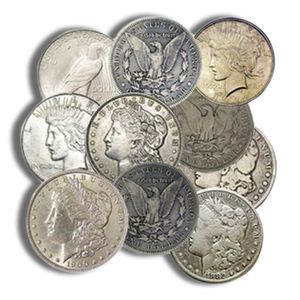
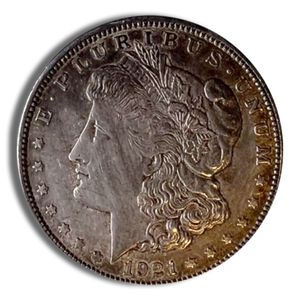
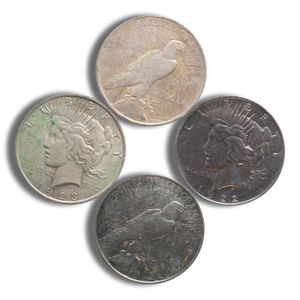
The selection spans multiple decades and design types. You'll find random-year Morgan dollars from the 1878 to 1904 production window, the widely collected 1921 Morgan dollar available as a specific-year option, the classic Peace dollar in cull condition, and mixed Peace/Morgan dollar offerings that provide silver content at the tightest premiums in the 90% silver segment. A "worse than cull" option is also available for buyers focused purely on silver content at the lowest possible cost of acquisition.
Bullion Standard sources these coins through established wholesale channels and makes them available through a transparent, two-way marketplace where pricing reflects real-time market conditions rather than arbitrary markups. Whether you're adding 90% silver to an existing position or purchasing for the first time, the pricing structure here is designed to be clear and straightforward from the start.
What Are Cull Morgan & Peace Dollars?
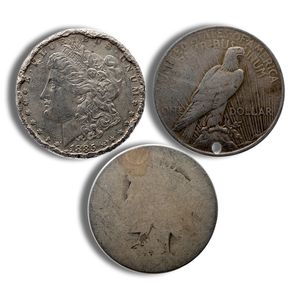
Cull is a condition grade applied to circulated silver coins that have experienced significant wear, damage, or cosmetic deterioration beyond what numismatic grading services would consider collectible. In practical terms, cull Morgan and Peace dollars are genuine, authentic U.S. silver coins that have been removed from the collectible market due to heavy wear, cleaning, rim damage, scratches, or other surface issues that reduce their numismatic appeal but do not affect their silver content.
For buyers focused on silver content rather than numismatic value, cull dollars represent a highly efficient entry point into 90% silver. Each coin still contains the same 0.7734 troy ounces of silver as a lightly circulated or uncirculated example. The reduced premium is a direct function of their condition grade, not their metal content. That distinction matters when comparing acquisition costs across different 90% silver formats.
Peace dollars and Morgan dollars both fall under the broader category of 90% silver U.S. coinage, sometimes called "junk silver" in the trade. The Morgan dollar was minted from 1878 through 1904 and again in 1921, while the Peace dollar was produced from 1921 through 1928 and then again in 1934 and 1935. Cull examples of both types trade on their silver content and are widely recognized across the wholesale and retail bullion market.
History and Background
The Morgan dollar was introduced in 1878 under the Bland-Allison Act, which required the U.S. government to purchase significant quantities of domestic silver and coin it into standard silver dollars. Designed by George T. Morgan, the coin was produced at the Philadelphia, New Orleans, San Francisco, Carson City, and Denver mints over its production run. Its combination of wide mintage across multiple facilities and its status as a genuine monetary coin gives it strong recognition throughout the bullion and numismatic markets today.
The Peace dollar followed in 1921 as a post-World War I commemorative issue that transitioned into regular production coinage. Designed by Anthony de Francisci, the Peace dollar maintained the same 90% silver composition and 26.73-gram weight as the Morgan dollar. Its shorter production window relative to the Morgan dollar means certain dates carry numismatic premiums, but in cull condition the design is typically too worn to distinguish scarcer dates from common ones, making them purely silver-content purchases.
Both coin types circulated extensively through the early and mid-twentieth century before silver was removed from U.S. coinage in 1965. Surviving examples entered the secondary market in varying states of preservation. Over decades of trading, the bullion market developed a clear tier structure for circulated 90% silver, with cull representing the lowest collectible grade and the highest volume of available supply at the tightest premiums above spot silver.
Purity, Weight, and Specifications
Morgan and Peace dollars share identical specifications. Each coin has a silver purity of 90%, a gross weight of 26.73 grams, and a silver content of 0.7734 troy ounces. The coins measure 38.1 millimeters in diameter and 2.4 millimeters in thickness. These dimensions are consistent across all dates and mint marks, which simplifies storage planning and silver content calculation.
The 90% silver alloy used in U.S. coinage of this era also includes 10% copper, which gives the coins their characteristic heft and durability. That copper content is what allowed these coins to survive decades of active monetary circulation. It also contributes to the darkened or toned appearance common on heavily worn examples. The silver content itself is unaffected by surface condition.
Buyers calculating total silver content in quantity should use the standard factor of 0.7234 troy ounces per dollar of face value for 90% U.S. silver coinage. For individual dollar coins, 0.7734 troy ounces is the accepted silver content used in wholesale pricing across dealer networks and bullion markets.
Available Brands, Mints, and Product Variations
All coins in this section were produced by the United States Mint across facilities in Philadelphia, New Orleans, San Francisco, Carson City, and Denver. The mint mark on a cull coin, when legible, reflects its production origin but carries limited premium significance at this grade level. Most cull examples trade as generic 90% silver regardless of their specific mint of origin.
The catalog here is organized to give buyers flexibility based on their priorities. The 1878 to 1904 Morgan dollar option covers the earlier production window and ships in random years with various mint marks. The 1921 Morgan dollar is offered as a specific-date product, as that year represents the highest-mintage single-year issue in Morgan dollar history and is among the most recognizable dates in the series. The Peace dollar cull is sourced randomly by year and mint mark and trades strictly on silver content.
The mixed Peace/Morgan option and the "worse than cull" listing provide the most aggressive pricing in the section. The worse-than-cull designation is applied to coins exhibiting damage beyond standard cull parameters, including bent planchets, significant rim problems, or heavy environmental exposure. These coins carry the same nominal silver content but are priced to reflect their reduced market desirability. Inner pack quantities run 20 coins per roll, with outer pack quantities up to 1,000 coins depending on the specific product, making bulk purchasing straightforward for larger orders.
Pricing, Premiums, and Market Factors
Cull Morgan and Peace dollars are priced relative to the spot price of silver, with premiums reflecting their grade, recognition, and current wholesale supply. Because cull coins trade on silver content rather than numismatic value, their premiums tend to be among the tightest available within the 90% silver coin segment. Wholesale availability of cull-grade material is generally higher than for finer-grade circulated examples, which contributes to tighter premiums in normal market conditions.
Premium levels across this segment do fluctuate. Periods of elevated retail silver demand, tightening wholesale supply, or broad market volatility can push premiums on 90% silver coins higher across all condition grades including cull. Conversely, when wholesale supply is plentiful and retail demand moderates, cull coins often carry some of the thinnest premiums of any silver product available. Understanding this dynamic is part of evaluating the true acquisition cost of 90% silver relative to other formats.
Bullion Standard displays real-time pricing on each product page alongside the bid/ask spread, giving buyers a complete picture of both the purchase cost and the current resale value in a single view. This transparency reflects our broader philosophy that the full cost of ownership, not just the purchase premium, should be visible before a transaction is completed. Buyers comparing cull dollars to other 90% silver products or to silver rounds and bars can use that pricing data to evaluate relative value objectively.
Condition, Packaging, and What to Expect
Cull Morgan and Peace dollars arrive with visible wear consistent with their grade designation. Buyers should expect heavily circulated surfaces, reduced design detail, possible rim nicks, scratches, cleaning marks, or toning. Specific coin appearances vary widely within the cull grade, and Bullion Standard does not sort for particular dates, mint marks, or surface characteristics within random-year offerings.
Coins are typically shipped in rolls of 20, consistent with the inner pack quantities listed on each product. Bulk orders may ship in canvas bags or sealed containers depending on quantity. No individual coin comes with an assay card or certification slip, as cull-grade coins are traded as silver bullion, not certified numismatic pieces. Packaging is functional and designed to protect the coins during transit rather than for display.
Buyers selecting random-year products should expect no control over which years or mint marks they receive. The "worse than cull" listing is explicitly for coins that do not meet standard cull parameters and should be purchased with the expectation of receiving coins in heavily damaged or significantly degraded condition. Those products are appropriate for buyers focused exclusively on silver content at the lowest available cost.
Authenticity and Verification
All Morgan and Peace dollars sold through Bullion Standard are sourced from established wholesale channels and verified for authenticity before shipping. U.S. silver dollars are among the most well-documented coins in numismatic history, and their physical characteristics, including weight, diameter, thickness, and silver content, are consistent across all genuine examples produced by the United States Mint.
Counterfeit 90% silver dollars do exist in the market, and buyers sourcing coins through secondary channels should verify weight and diameter using a precision scale and calipers. Genuine examples weigh 26.73 grams and measure 38.1 millimeters in diameter. Significant deviations from these specifications are cause for concern. The ring test, in which a genuine silver coin produces a distinct resonant tone when tapped, is another widely used field verification method.
Bullion Standard's sourcing relationships and internal verification processes are designed to ensure that every coin reaching our customers is genuine. Our membership in the American Numismatic Association and the National Coin and Bullion Association reflects our commitment to operating within established industry standards for product authentication and dealer conduct.
Liquidity and Resale Considerations
Morgan and Peace dollars in cull condition are among the most liquid forms of 90% silver available in the secondary market. Their U.S. government origin, consistent silver content, and broad name recognition across both the bullion and numismatic communities make them easily identifiable to dealers, collectors, and buyers across the country. Most bullion dealers maintain active bids for 90% silver coinage, and cull dollars fall cleanly within that widely accepted product category.
The mixed Peace/Morgan product trades on the same basis, though some dealers price Peace and Morgan dollars separately based on slight differences in collector demand at higher grade levels. At the cull grade, the distinction matters less, and most wholesale and retail bids treat them interchangeably as 90% silver dollar coins. Worse-than-cull examples may receive lower bids than standard cull material depending on the buyer and current market conditions.
Resale value for cull 90% silver coins is determined primarily by the spot price of silver at the time of sale and the prevailing dealer bid premium. Recognizable product formats with wide market acceptance tend to see more competitive bids across a broader range of potential buyers, which is one reason U.S. 90% silver coins remain a practical choice within the silver bullion market.
Storage and Security
Cull Morgan and Peace dollars are durable coins that tolerate reasonable handling without significant additional surface degradation given their existing wear. That durability simplifies storage relative to uncirculated or proof coins, which require more careful handling to preserve their condition and associated premiums.
Rolls of 20 coins store efficiently in standard coin roll boxes or in airtight tubes designed for dollar-size coins. Larger quantities stored in canvas bags should be kept in a dry environment to limit further toning or surface corrosion. A home safe with appropriate fire and moisture protection is suitable for moderate quantities. For larger holdings, allocated vault storage at a professional depository offers enhanced physical security and insurance coverage without the management burden of home storage.
Because cull coins carry no numismatic premium to protect, storage decisions can be made primarily around security and convenience rather than preservation of surface quality. That simplicity is one practical advantage of working with cull-grade bullion coins relative to numismatic-grade material.
Selling and Buyback Options
Bullion Standard operates a two-way market that includes active buyback pricing for 90% U.S. silver coinage, including Morgan and Peace dollars in cull condition. Sellers can initiate a buyback request through the platform, and pricing is based on current wholesale bid levels for 90% silver dollar coins rather than subjective dealer assessments. The buyback process is designed to be transparent and operationally efficient.
Pricing offered for cull dollars reflects the current spot price of silver, the prevailing wholesale bid premium for 90% silver coinage, and in some cases the specific product type being sold. Standard cull examples typically receive bids consistent with prevailing 90% silver market rates. Worse-than-cull coins may receive adjusted bids depending on the degree of damage and current wholesale demand for that grade of material.
Presenting coins in their original rolls or packaging and accurately representing their condition helps ensure a smooth transaction. Bullion Standard's purchasing team reviews product submissions and provides pricing based on verified silver content and current market conditions. The goal is a straightforward, predictable resale experience that reflects real wholesale market pricing rather than unnecessarily discounted retail buyback offers.
Why Buy Cull Morgan & Peace Dollars?
For buyers focused on acquiring silver content at the lowest available premium, cull Morgan and Peace dollars offer a compelling combination of recognized product format and cost efficiency. The 90% silver composition is standardized, the coins are immediately identifiable across the bullion market, and the cull grade removes the numismatic premium that would otherwise inflate the cost per troy ounce of silver.
There's also a tangible appeal to owning genuine U.S. monetary coinage with documented mint history, even at the cull grade. These are not generic silver rounds or private-label bars. They're coins that circulated as legal tender and carry design histories tied to specific periods of American monetary policy. For buyers who value that background without wanting to pay numismatic premiums, the cull grade provides a practical middle ground.
The worse-than-cull option and the mixed Peace/Morgan listing extend that cost efficiency further for buyers whose priority is maximum silver content per dollar spent. Bulk packaging in rolls of 20 makes quantity purchases straightforward, and the wide availability of 90% silver coinage in the wholesale market supports consistent supply at competitive pricing.
Why Buy from Bullion Standard?
Bullion Standard has operated as a transparent precious metals marketplace since 2010, and that longevity reflects a consistent commitment to pricing integrity, verified sourcing, and customer-first service. Every product in our catalog, including cull-grade 90% silver coinage, is sourced through established wholesale channels and verified before it reaches our customers. Our A rating with the Better Business Bureau and membership in both the ANA and NCBA reflect the standards we hold ourselves to across every transaction.
Pricing on every product page reflects real-time market conditions and includes the full bid/ask spread, so buyers can see both sides of the transaction before committing. That level of transparency is intentional. We believe buyers make better decisions when they understand the complete cost of ownership, not just the purchase price. Our platform is built around that principle rather than around maximizing per-transaction margin.
Checkout is supported by a wide range of payment methods, including major credit cards, PayPal, bank-connected payments through Plaid, wire transfer, check, and cryptocurrency through BitPay. Fulfillment is reliable, packaging is secure, and customer support is accessible when questions arise. For buyers considering larger purchases or ongoing silver accumulation, our two-way market structure means liquidity is built into the platform from the start rather than something to figure out later.
Get Near-Spot Pricing with Bullion Standard Pro
Bullion Standard Pro is designed for buyers who want to transact closer to wholesale market pricing on products like cull Morgan and Peace dollars. Members access live, executable wholesale bid and ask pricing across the catalog, which means premiums and spreads reflect real-time supply and demand conditions rather than fixed retail markups. For buyers accumulating 90% silver in volume, that pricing efficiency can make a meaningful difference in the overall cost of acquisition.
The platform also provides real-time portfolio valuation using live wholesale bid pricing, which gives members a more accurate picture of current liquidation value than retail-based estimates. Proprietary analytics, historical premium data, spread analysis, and market intelligence tools are available through the Pro membership, allowing members to evaluate products based on objective market data rather than marketing materials.
Unlike traditional dealer relationships that apply fixed retail spreads regardless of market conditions, Bullion Standard Pro allows premiums and bid/ask spreads to move naturally with underlying market forces. For buyers who transact regularly or maintain meaningful silver positions, that structure provides pricing access that has historically been available only through institutional or wholesale channels.

 (833) 278-4653