Buy Geiger Silver Bars Online
Our catalog of Geiger silver bars covers an exceptionally wide range of sizes and formats, from small fractional options like the 1 gram and 5 gram assay card bars to larger holdings including the 10 oz, 100 oz, 1 kilo, and 5 kilo sealed bars. Whether you're looking for a single individually packaged piece or a full box set like the 30 x 1 oz or 30 x 10 gram in-box configurations, Geiger Edelmetalle offers a level of product diversity rarely matched in the silver bar market. Every bar carries .999 fine silver purity and is produced in Germany to consistent standards of quality and precision.
Bullion Standard sources Geiger silver bars directly through vetted wholesale channels, and each product is verified for authenticity and specification compliance before fulfillment. Our pricing is built around real-time spot market conditions, with transparent premiums displayed on every product page so buyers can evaluate exactly what they're paying relative to the current silver market. For buyers interested in the full cost picture, our platform also displays bid/ask spreads and buyback pricing alongside the purchase price, giving a more complete view of ownership cost from the moment you buy.
The variety of packaging formats within this lineup, including sealed assay cards, sealed single-bar packaging, and multi-bar boxed sets, means buyers can select products that align not just with their budget but with their preferred approach to storage, handling, and eventual resale. Geiger silver bars are traded through both retail and wholesale channels globally, making them a recognized and functional product across multiple market environments.
What Are Geiger Silver Bars?
Geiger silver bars are minted and cast silver products produced by Geiger Edelmetalle, a private German refinery and mint with a long operational history in the European precious metals industry. The bars are produced in both minted and cast formats depending on the size and product line, with smaller denominations typically issued as minted bars in assay card packaging and larger sizes offered in sealed formats or as cast bars. All products carry .999 fine silver purity, meet international bullion standards, and are identifiable by Geiger's distinctive branding.
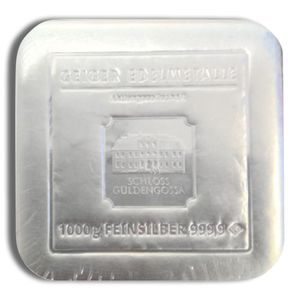
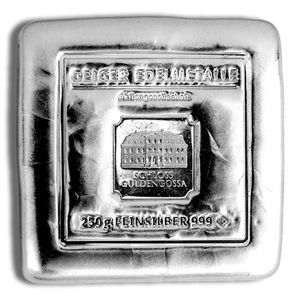
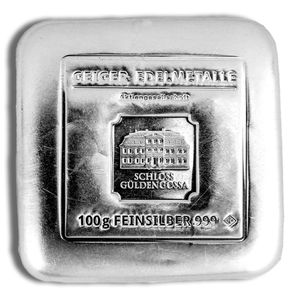
The minted bar format used across much of Geiger's silver lineup involves a stamping process that produces a cleaner, more refined surface finish compared to cast bars. Cast bars, such as the 100 gram sealed bar and the 250 gram bar, are produced by pouring molten silver into molds, resulting in a slightly more organic, textured appearance. Both formats carry the same underlying silver content and purity, but buyers often have preferences based on aesthetics, packaging style, or how they plan to hold or resell the product.
Buyers are drawn to Geiger silver bars primarily for their combination of quality construction, international brand recognition, and the practical efficiency of acquiring silver in a well-packaged, professionally presented format. The assay card bars, in particular, appeal to buyers who want each piece hermetically sealed with visible weight, purity, and manufacturer identification without relying on a third-party certification service.
History and Background
Geiger Edelmetalle was founded in 1218 as a goldsmith workshop in Saxony, Germany, making it one of the oldest continuously operating precious metals businesses in Europe. Over the centuries, the company evolved alongside changes in metallurgy, minting technology, and global demand for refined precious metals. By the modern era, Geiger had developed into a full-service refinery and mint capable of producing silver, gold, and platinum products to the exacting standards required by international bullion markets.
The contemporary Geiger bullion program, which includes the square-format silver bars now widely recognized in the market, emerged as part of a broader shift in the European precious metals industry toward branded, privately minted bullion products. Geiger's distinctive square bar design, consistent packaging approach, and commitment to .999 fine purity helped establish the brand as a credible alternative to sovereign mint products in markets across Europe, North America, and Asia. The assay card format, which Geiger uses across much of its smaller bar lineup, reflects a German minting tradition of presenting bullion in tamper-evident, professionally documented packaging.
The growth of private refinery brands in the silver bar market accelerated significantly during the 2000s and 2010s as retail and institutional demand for physical silver expanded globally. Geiger benefited from this trend and developed a product lineup that serves both individual buyers and bulk purchasers, as reflected in the multi-bar box configurations and volume packaging options that remain a consistent part of their catalog today.
Purity, Weight, and Specifications
All Geiger silver bars in our catalog carry a fineness of .999, which means the silver content is 999 parts pure silver per 1,000. This meets the standard threshold for good delivery silver in the international bullion market and qualifies Geiger products for inclusion in precious metals IRAs that accept silver bullion. The .999 fineness is stamped directly onto each bar and is also documented on the assay card where applicable.
Weight options span from 1 gram through 5 kilograms, with a broad selection of metric weights in between including 5 gram, 10 gram, 20 gram, 50 gram, 100 gram, and 250 gram bars, alongside troy ounce-denominated sizes of 1 oz, 10 oz, and 100 oz. The 1 kilo bar contains 32.15 troy ounces of silver, and the 5 kilo bar contains approximately 160.77 troy ounces. All troy ounce weights follow the standard international measurement used across global bullion markets, where one troy ounce equals approximately 31.1035 grams.
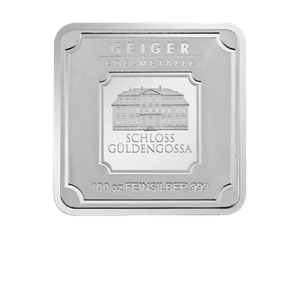
Physical dimensions vary by weight class. The 1 gram bar measures 10.6 mm square, the 1 oz bar is 33.5 mm square and 3.45 mm thick, and the 10 oz bar reaches 61.8 mm square with an 8 mm profile. The 100 oz bar measures 141.4 mm by 92.92 mm with a thickness of 23.26 mm. These dimensions are relevant for buyers planning storage configurations, particularly when fitting bars into specific safe or vault arrangements.
Available Brands, Mints, and Product Variations
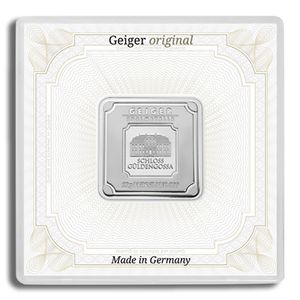
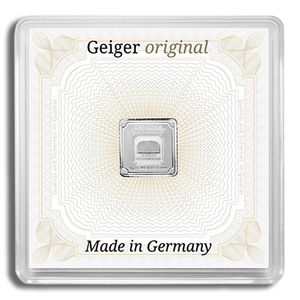
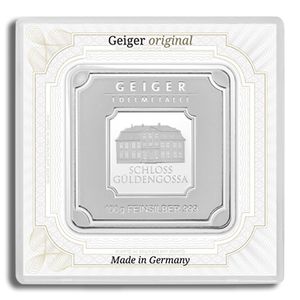
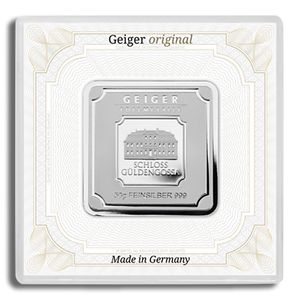
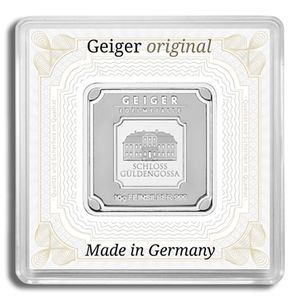
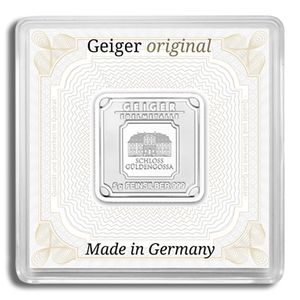
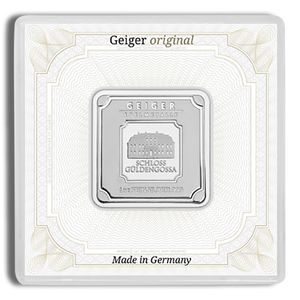
Every product in this section of our catalog is manufactured by Geiger Edelmetalle, the Saxon refinery and mint based in Germany. While the brand is singular, the product variations are extensive. Buyers will find the classic individual assay card bars, which are the most widely recognized Geiger format, available in 1 gram, 5 gram, 10 gram, 20 gram, 50 gram, 100 gram, and 1 oz sizes. These pieces are sealed in tamper-evident assay card packaging that displays the bar's weight, purity, and manufacturer information directly on the card's face.
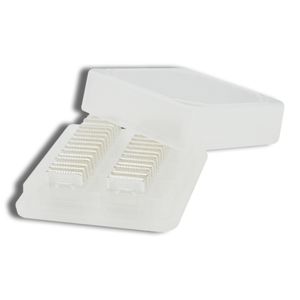
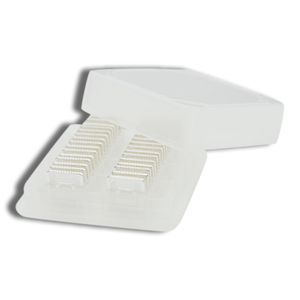
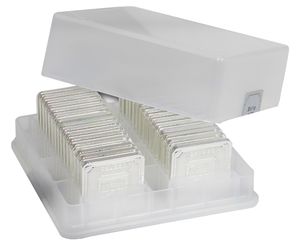
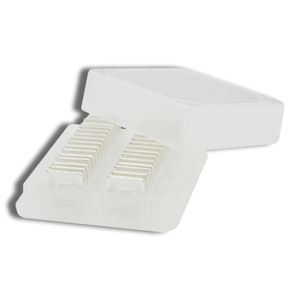
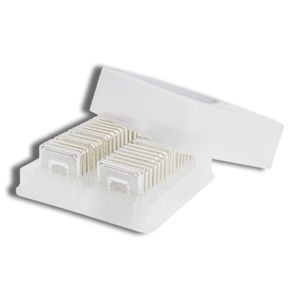
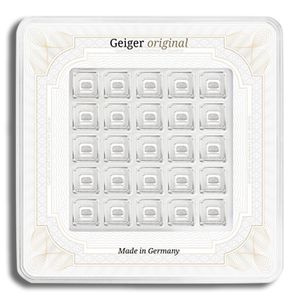
The multi-bar box configurations offer an efficient way to acquire larger quantities of specific sizes. The 30 x 1 gram, 30 x 5 gram, 30 x 10 gram, 30 x 20 gram, and 30 x 1 oz boxed sets consolidate individual bars into presentation boxes designed for both storage and organized handling. The 25 x 1 gram multicard bar is a distinct format where 25 individual 1 gram bars are embedded within a single larger assay card, offering a visually interesting and practical format for buyers who want divisibility within a single packaged unit.
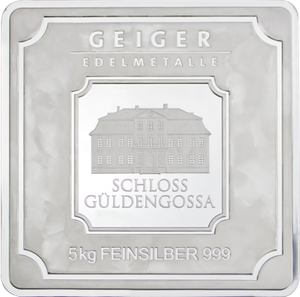
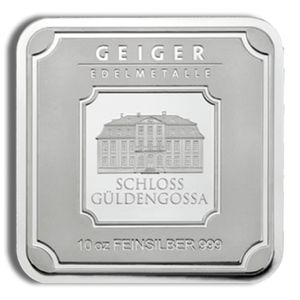
Larger sizes such as the 250 gram, 1 kilo, and 5 kilo bars are offered in sealed packaging and produced in cast rather than minted format, reflecting the more industrial nature of these heavier weights. The 10 oz bar, also available in sealed packaging, bridges the gap between the smaller minted bars and the larger cast products. The 100 oz bar rounds out the heavy end of the lineup and is offered in a minted format, an unusual choice at that weight class that reflects Geiger's commitment to presentation quality even at institutional scale.
Pricing, Premiums, and Market Factors
Silver bar premiums are calculated as the percentage or dollar amount above the current spot price of silver, and they vary considerably based on bar size, format, packaging, and production costs. Smaller bars such as the 1 gram and 5 gram assay card products carry higher per-ounce premiums than larger bars because the per-unit manufacturing and packaging costs are distributed over a much smaller silver content. Buyers prioritizing cost efficiency per troy ounce generally find better premium efficiency in 10 oz, 100 oz, or kilo-sized bars.
Geiger's branded packaging, including the sealed assay card format, adds modest value in the secondary market because the original packaging provides immediate documentation of authenticity and specification. Bars sold outside their original assay card packaging often trade at a slight discount compared to the same product in original, sealed condition. For buyers who plan to hold and eventually resell, maintaining original packaging is a practical consideration that can influence resale pricing.
Bullion Standard displays real-time premiums, bid prices, and ask prices on every product page. The bid/ask spread shown reflects current wholesale market conditions and gives buyers a transparent view of the gap between the purchase price and the expected buyback price. As silver spot prices and supply/demand dynamics shift, these spreads naturally fluctuate, and monitoring them over time through our platform gives buyers a better understanding of how individual Geiger bar products are trading within the broader market.
Condition, Packaging, and What to Expect
Geiger silver bars sold in assay card format arrive sealed directly from the refinery. The card itself is a rigid, laminated enclosure that holds the bar visibly in place while providing tamper evidence through heat-sealed edges. Any break or separation in the assay card seal indicates the bar has been removed from its original packaging. Buyers should inspect received assay cards and report any packaging concerns promptly through our customer support team.
Bars in sealed packaging, such as the 10 oz, 100 gram, and larger cast bars, are wrapped or enclosed in original Geiger packaging material. Minor surface variations including light handling marks, small contact impressions, or slight toning are considered normal and acceptable on silver bars. These cosmetic differences do not affect silver content, weight, or purity, and they are a standard characteristic of physical bullion products, not an indication of a defect.
Multi-bar boxed sets are shipped in their original Geiger presentation boxes, which organize bars in a structured tray or sleeve configuration. Individual bars within box sets will typically carry their own assay cards or sealed wrappers inside the outer box. Buyers should be aware that, like most bullion products, Geiger bars are shipped in plain, non-descriptive outer packaging to protect against theft during transit, and orders are fully insured through Bullion Standard's fulfillment process.
Authenticity and Verification
Geiger Edelmetalle bars are produced with several features that support authenticity verification. Each bar carries stamped identifying information including the Geiger logo, weight designation, and .999 fine silver purity marking. Assay card products add a further layer of documentation by sealing the bar within a card that independently certifies the bar's specifications. The tamper-evident seal on these cards means that any bar presented in an intact, original assay card has not been accessible since it left Geiger's facility.
Physical verification of silver bars involves checking dimensions, weight, and purity against published specifications. Buyers with precision scales can confirm the bar's troy ounce weight against Geiger's documented specifications. Larger bars can also be tested using ultrasonic thickness gauges or XRF (X-ray fluorescence) analysis, which confirms metal composition without any surface damage. Professional precious metals dealers, coin shops, and refineries with proper testing equipment can perform these verifications on demand.
Bullion Standard verifies all incoming inventory for authenticity, specification compliance, and condition before products reach customers. Our sourcing chain is limited to reputable mints, authorized distributors, and vetted wholesale market participants. We maintain an A rating with the Better Business Bureau and hold memberships with the American Numismatic Association and the National Coin and Bullion Association, which reflect our ongoing commitment to industry standards and ethical business practice.
Liquidity and Resale Considerations
Geiger Edelmetalle is a recognized brand within the global silver bar market, and their products are traded through retail dealer networks, online bullion platforms, and at the wholesale level in Europe and North America. Brand recognition is a relevant factor in resale because dealers and secondary market buyers are more familiar with and more willing to quote competitive prices on products they can readily identify and verify. Geiger's consistent formatting, clear markings, and documented assay card system all contribute positively to market recognition.
Bar size affects resale flexibility in practical ways. Smaller assay card bars are easier to sell in fractional quantities and may appeal to a broader range of individual buyers. Larger bars like the 1 kilo or 100 oz products are more likely to be evaluated and purchased by dealers or institutional buyers at or near wholesale pricing. Mid-range sizes such as 10 oz and 100 gram bars often represent a practical balance between premium efficiency and resale accessibility.
Original packaging generally supports stronger resale pricing. A Geiger assay card bar in its original sealed card commands better pricing than the same bar stripped of its packaging, because the card provides authentication documentation that buyers and dealers both value. For this reason, preserving original packaging throughout the holding period is considered standard practice by experienced silver bar owners.
Storage and Security
Geiger silver bars, particularly the assay card and sealed single-bar formats, are compact enough to store efficiently in home safes without requiring significant space per unit. The square format of Geiger's minted bars stacks cleanly and fits well in standard modular safe shelving. For buyers accumulating multiple bars across different sizes, organizing by denomination or packaging type simplifies tracking and inventory management.
Larger bars including the 1 kilo and 5 kilo products add meaningful weight to any storage arrangement and are better suited to reinforced home safes or professional vault storage. Precious metals vault storage services, offered through various third-party custodians and vault operators, are a practical option for buyers holding significant quantities of heavy silver bars. These services typically provide segregated or allocated storage, insurance coverage, and periodic audit options that are difficult to replicate in a home setting.
Environmental factors matter for long-term silver storage. Silver is susceptible to toning and surface oxidation from exposure to humidity, sulfur-containing materials, and fluctuating temperatures. Assay card bars are already protected by their sealed packaging, but loose bars benefit from storage in airtight containers or anti-tarnish sleeves. Keeping bars away from rubber, wool, and certain plastics, which can off-gas sulfur compounds, is a standard precaution for long-term silver preservation.
Selling and Buyback Options
Selling Geiger silver bars back into the market is a straightforward process, particularly when the bars are in original packaging and from a recognized manufacturer. Dealer buyback programs, including the one offered by Bullion Standard, evaluate bars based on current silver spot prices, prevailing premiums in the secondary market, bar condition, and packaging integrity. Bars in original sealed assay card packaging generally receive more favorable buyback pricing than those outside original packaging, because the documentation reduces the verification steps required during the evaluation process.
Bullion Standard operates a two-way market, meaning the same platform where you purchase silver bars also provides a dedicated buyback process when you're ready to sell. Our purchasing team evaluates products based on current market conditions, and our pricing is structured around real-time wholesale bid data rather than arbitrary dealer discretion. This creates a more predictable and transparent selling experience compared to dealers who provide quotes without visible reference to underlying market pricing.
For sellers using Bullion Standard Pro, portfolio holdings are valued using live executable wholesale bid pricing, giving a current and realistic picture of what your bars are worth in the market at any given moment rather than an approximated retail estimate. This visibility is useful when timing a sale or evaluating whether current market conditions align with your selling objectives.
Why Buy Geiger Silver Bars?
Geiger silver bars occupy a strong position in the premium private mint segment of the silver bar market. The refinery's long operational history, consistent product quality, and internationally recognized branding place their bars a step above generic private mint products for buyers who care about provenance and documentation. The assay card format used across the smaller denominations adds a layer of built-in authentication and presentation quality that appeals to both individual collectors and buyers who prioritize easy resale documentation.
The breadth of available sizes makes Geiger bars practical for a wide range of purchasing strategies. Buyers accumulating silver in small increments can start with gram-denominated bars, while those making larger, single-transaction purchases can access kilo and multi-kilo sealed bars at significantly better per-ounce premiums. The multi-bar box configurations add another dimension of flexibility, allowing buyers to acquire 30 bars at once in a single organized unit while maintaining the integrity of each individual assay-packaged piece.
Silver carries meaningful industrial demand across electronics manufacturing, photovoltaics, medical applications, and industrial catalysts, which contributes to the underlying demand dynamics that influence the silver spot market over time. While bar premiums are the more immediate cost concern for buyers, understanding the industrial role of silver helps contextualize why physical silver maintains broad global trading activity. Geiger's product lineup, produced in Germany and distributed internationally, sits within this active and liquid global market.
Why Buy from Bullion Standard?
Bullion Standard was founded in 2010 in San Diego, California, and has grown into a nationally recognized online precious metals marketplace by prioritizing pricing transparency and long-term customer trust over high-pressure sales tactics. Every aspect of our platform, from how premiums are displayed to how buyback pricing is presented, is designed to give buyers a complete and accurate picture of the transaction rather than a simplified or selectively presented one.
We source Geiger silver bars through vetted wholesale channels and verify every product for authenticity, weight, and purity before it reaches our fulfillment process. Our A BBB rating, membership in the American Numismatic Association, and membership in the National Coin and Bullion Association reflect a consistent commitment to ethical, professional operation. Customers can pay through a wide range of methods including Visa, Mastercard, American Express, Discover, PayPal, bank-connected ACH through Plaid, wire transfer, paper check, and cryptocurrency via BitPay, with secure checkout throughout.
The Bullion Standard platform is built to function as a transparent marketplace rather than a traditional dealer storefront. Bid and ask pricing, premium data, and spread information are displayed on product pages so buyers can make informed decisions based on real data. Our two-way market structure means you can both purchase and sell within the same ecosystem, supported by a purchasing team that prices buybacks using current wholesale market conditions rather than arbitrary internal estimates.
Get Near-Spot Pricing with Bullion Standard Pro
Bullion Standard Pro is designed for buyers who want to transact closer to the wholesale level of the silver market. Members gain access to live, executable wholesale bid and ask pricing across a broad range of products including Geiger silver bars, allowing them to see and act on real-time pricing that reflects actual supply and demand conditions rather than fixed retail price structures. Unlike the traditional retail dealer model, Pro pricing does not layer additional dealer markups on top of wholesale costs, meaning premiums and spreads move naturally with the market.
The platform also provides proprietary research tools that allow members to compare Geiger bars and other silver products across metrics like historical premiums, premium percentile rankings, spread tightness, and liquidity indicators. These tools allow buyers to evaluate whether a specific bar is trading at a historically wide or narrow premium relative to comparable products, and to identify periods where pricing conditions may be more or less favorable relative to recent market history. This kind of data-driven context is rarely available to retail buyers through conventional dealer channels.
Portfolio valuation within Bullion Standard Pro uses live executable wholesale bid pricing rather than estimated retail values, giving members a current and realistic picture of what their silver bar holdings are worth in the wholesale market at any given moment. For buyers accumulating Geiger bars across multiple sizes and transactions, this real-time portfolio visibility provides a more accurate foundation for managing holdings and evaluating potential selling decisions. The goal of the platform is straightforward: reduce information asymmetry, improve pricing efficiency, and give buyers the tools to make more informed decisions in the physical silver market.

 (833) 278-4653