Buy Gold Bullion Online
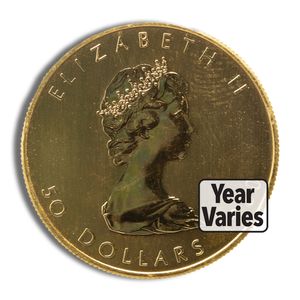
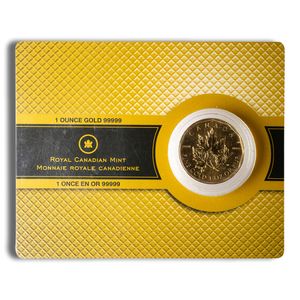
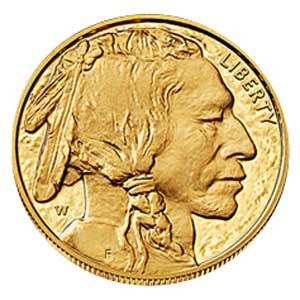
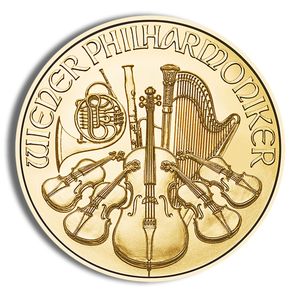
Gold bullion is gold bought for the metal itself: a known weight at a known purity, priced from the live spot market plus a premium. Our catalog brings that idea together across every major format, from 1 gram and 1 oz gold bars by PAMP Suisse, Valcambi, Engelhard, Credit Suisse and IGR Metals to sovereign bullion coins such as the American Gold Eagle, American Gold Buffalo, Canadian Gold Maple Leaf, South African Krugerrand, Austrian Philharmonic and Mexican Libertad.
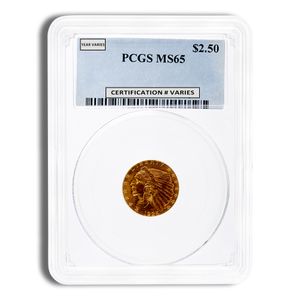
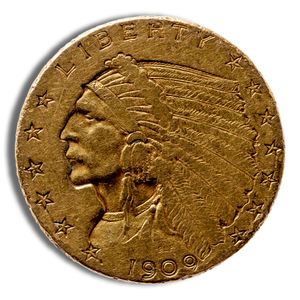
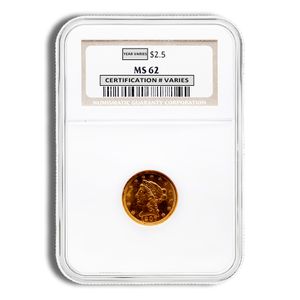
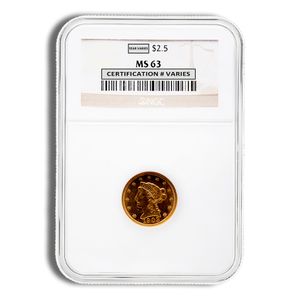
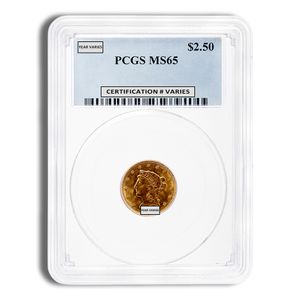
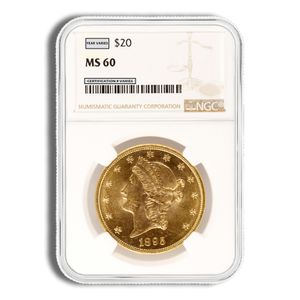
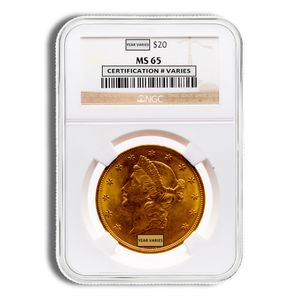
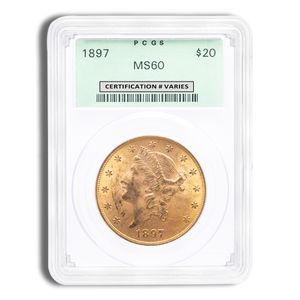
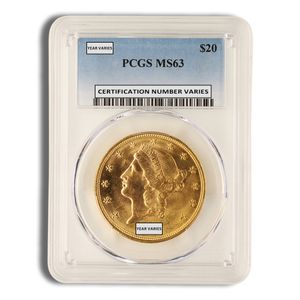
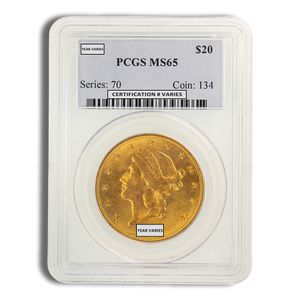
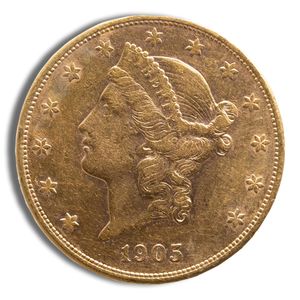
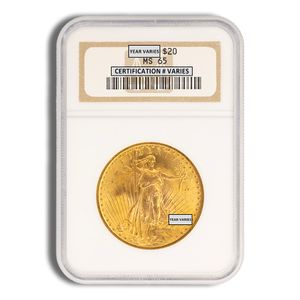
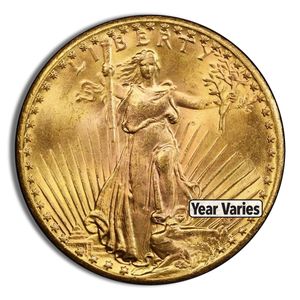
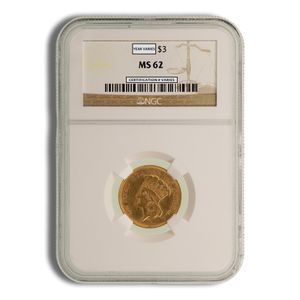
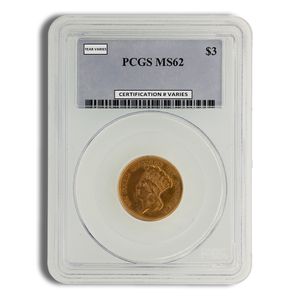
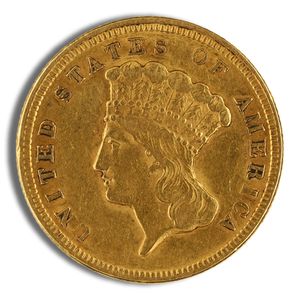
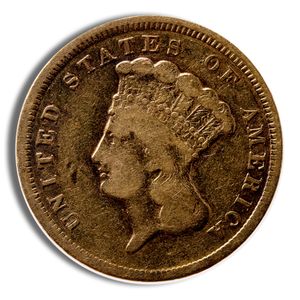
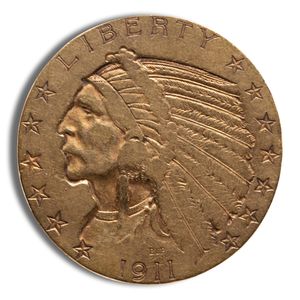
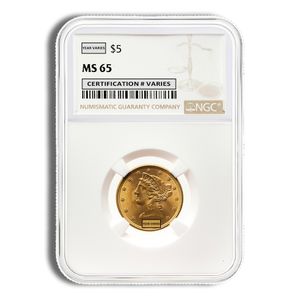
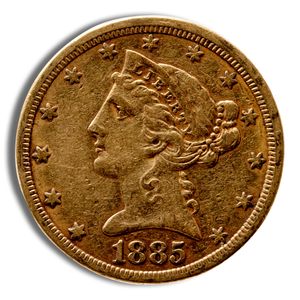
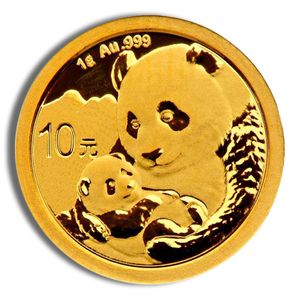
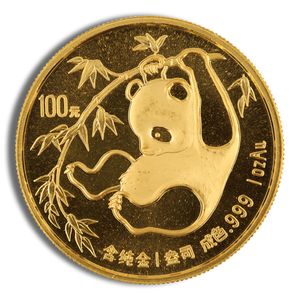
You'll also find Perth Mint Kangaroos, Nuggets and Lunar coins, Royal Mint Britannias and Queen's Beasts, China Mint Pandas in gram and ounce sizes, gold rounds from Engelhard and Valcambi, Goldback notes from Valaurum, and a 1 kilo bottle of .9999 gold grain. Alongside those modern products sit gold coins whose prices carry more than metal value, including pre-1933 U.S. gold, historic sovereigns and French francs, and NGC and PCGS certified proofs.
Every listing states its weight, purity, mint and packaging, and each product page displays both our ask and our bid so you can see the full spread before you commit. That two-way view is how we approach gold bullion at Bullion Standard: know what you're paying above the metal, and know what the market would pay you for it today.
What Is Gold Bullion?
Gold bullion is refined gold valued primarily by its fine gold content rather than by rarity, age or condition. Its price starts with the spot price per troy ounce, multiplied by the actual gold weight, and a premium is added to cover refining, minting, distribution and dealer costs. Bars, rounds and government-issued bullion coins all fit this definition.
Each format handles that premium differently. Bars from refiners such as Valcambi, Argor-Heraeus and PAMP Suisse usually carry the leanest premiums per ounce, and the savings grow with size, up to pieces like the 10 oz PAMP Suisse Lady Fortuna bar. Rounds are privately minted, coin-shaped pieces with no face value, while sovereign bullion coins like the Gold Eagle or Maple Leaf carry a legal tender denomination and a national government's backing for their stated weight and purity, which adds a modest premium and very broad recognition.
The line between bullion and numismatic gold matters when you shop this page. A random year 1 oz Krugerrand trades close to its metal value, while a 2013-W 1/4 oz proof Gold Eagle graded PCGS PR70 or a George III sovereign from 1817 to 1820 is priced partly on grade, scarcity and collector demand. Both contain real gold, but only the first behaves like pure bullion, so we label grade, finish and certification clearly on every listing.
History and Background
For most of modern history, gold bullion and gold money were the same thing. Coins like the British sovereign, introduced in 1817, the French 20 Francs and the U.S. $20 Double Eagle circulated as currency defined by their gold content, which is why their weights still translate neatly into bullion math today. That era ended for Americans in 1933, when Executive Order 6102 required most gold coins to be turned in and U.S. gold coinage stopped.
The modern bullion coin arrived as private gold ownership came back into the mainstream. South Africa launched the Krugerrand in 1967 as a way to sell its gold to individuals worldwide, and once Americans regained the right to own gold at the end of 1974, demand for standardized, ounce-denominated coins grew quickly. Canada introduced the Gold Maple Leaf in 1979, China's Gold Panda debuted in 1982, the U.S. Mint launched the American Gold Eagle in 1986, and the Perth Mint's Gold Nugget and Austria's Philharmonic followed before the decade was out.
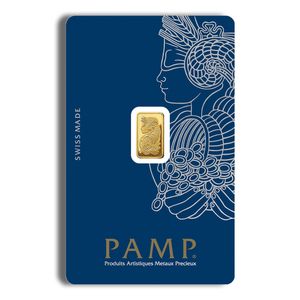
Refinery bars developed alongside these programs, with Swiss refiners such as PAMP Suisse, Valcambi and Argor-Heraeus becoming standard names for small bars sealed in tamper-evident assay cards. Later milestones broadened the market further: the .9999 American Gold Buffalo in 2006, the Royal Mint's move of the gold Britannia to .9999 in 2013, gram-denominated Pandas from 2016, and newer formats such as Valaurum's Goldback notes. Today the gold bullion market runs from a 1/2 gram bar to a kilo of gold grain.
Purity, Weight, and Specifications
Gold is weighed in troy ounces, each equal to 31.1035 grams, or roughly 10% heavier than the ounce used for groceries. Bars and modern coins are usually denominated in troy ounces or grams, while historic coins carry odd fractional weights because they were struck to old currency standards. A pre-1933 $20 Double Eagle holds 0.9675 oz of gold, a $10 eagle 0.4837 oz, a Mexico 50 Peso 1.2057 oz and a French 20 Francs 0.1867 oz.
Purity is expressed as fineness. Most bars, the Gold Maple Leaf, Gold Buffalo, Philharmonic and current Britannia are .9999 fine, or 24 karat; the Libertad and Panda are .999; and the Gold Eagle, Krugerrand and sovereign are .9167, or 22 karat, alloyed with copper and in some cases silver for durability. A 1 oz Gold Eagle still contains a full troy ounce of gold, with the alloy adding to its total weight, and pre-1933 U.S. gold and most historic European coinage is .900 fine.
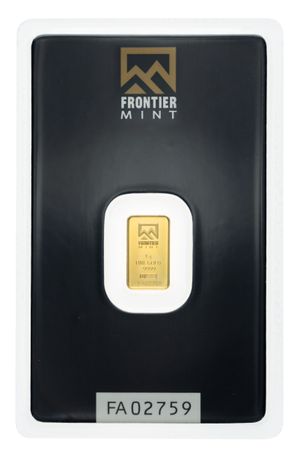
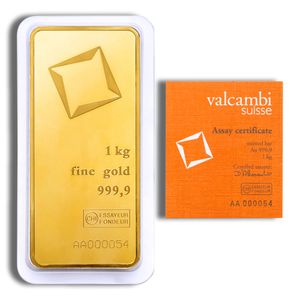
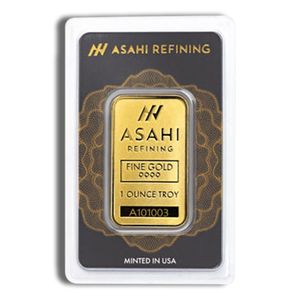
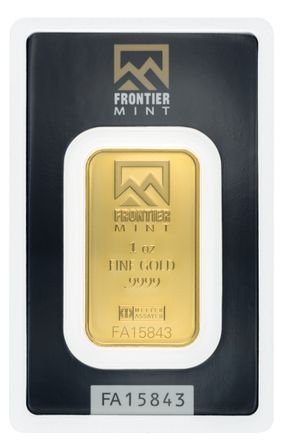
Bars carry their specifications on their face: the refiner's mark, weight, fineness and, on most assayed bars, a serial number that matches the assay card. Coins rely on the issuing mint's design and denomination, and several modern government coins now add security features such as micro-engraved marks or radial line patterns. Because weight and fineness are stated for every product here, you can compare gold content directly across bars, rounds and coins.
Available Brands, Mints, and Product Variations
The U.S. Mint supplies the largest share of our catalog, from BU and proof Gold Eagles to Gold Buffalos, American Liberty High Relief coins struck at West Point, and the 2016-W centennial gold Mercury dime and Walking Liberty half. The Perth Mint follows with Kangaroos, 2 oz Gold Nuggets and all three Lunar series, from the 2002 1/10 oz Lunar Horse of Series I to the 2020 1/4 oz Lunar Mouse of Series III. From Mexico's Casa de Moneda come Libertads in BU and proof, along with classic 50 Peso Centenarios.
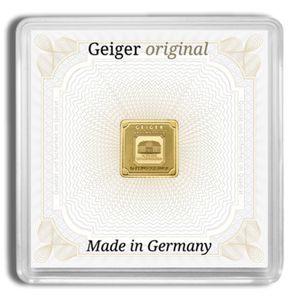
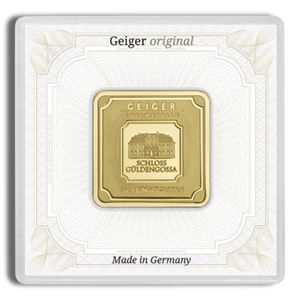
Other sovereign mints round out the coin side. The Royal Mint is represented by Britannias, Queen's Beasts and sovereigns, the Royal Canadian Mint by Maple Leafs, the South African Mint by Krugerrands and Big 5 coins, the Austrian Mint by Philharmonics down to 1/25 oz, the China Mint by Pandas, and the Monnaie de Paris by historic francs. Bars come from PAMP Suisse, Valcambi, Argor-Heraeus, Credit Suisse, Engelhard, Johnson Matthey, Asahi Refining, Geiger Edelmetalle and IGR Metals, in sizes from 1/2 gram to 10 oz.
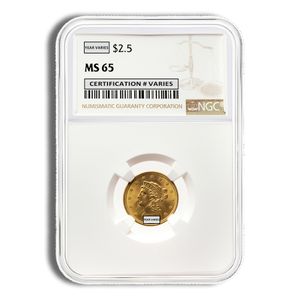
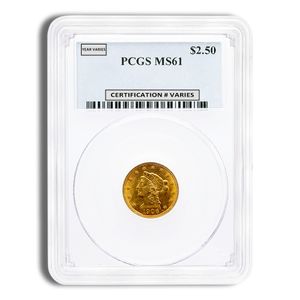
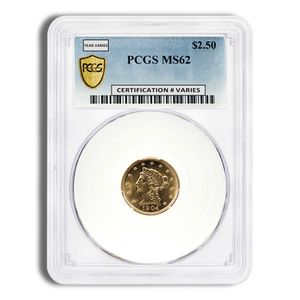
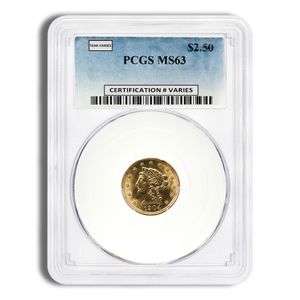
Variation shows up in packaging and dating as much as design. Random year listings let you buy Maple Leafs, Krugerrands, Kangaroos or Philharmonics by weight without paying for a specific date, while dated proofs and sets such as the 2008-W proof Gold Buffalo four coin set come with their original box and certificate of authenticity. Some coins are sold in impaired condition at a lower premium, others arrive in NGC or PCGS holders graded from MS61 up to MS70, PF70 and SP70, and segmented CombiBar formats and Goldback notes offer two more ways to hold small amounts of gold.
Pricing, Premiums, and Market Factors
Every gold bullion price on this page begins with spot, the live wholesale price of one troy ounce of gold. The premium is the amount charged above the melt value of the gold content, and it reflects fabrication, distribution, packaging and the demand for that specific product at that moment. Spot moves constantly during trading hours, and our prices move with it.
Premiums follow consistent patterns. Larger bars generally cost less above spot per ounce than small bars, and fractional coins like a 1/10 oz Gold Eagle carry noticeably more per ounce than the 1 oz version because striking and handling costs don't shrink with size. Sovereign coins usually sit above comparable bars, proofs and boxed issues higher still, and certified or pre-1933 coins add a numismatic component tied to grade and availability rather than gold content alone.
Wholesale supply and demand matter too. Gold supply comes from mine output and recycled metal, while demand comes from jewelry, central banks, technology uses such as electronics and dentistry, and physical buyers, and when retail demand for a particular coin surges its premium can widen even while spot holds steady. That's why we show the bid alongside the ask on every product page: the spread between them says more about a product's true cost of ownership than the premium alone.
Condition, Packaging, and What to Expect
Packaging depends on the product. Most small bars from PAMP Suisse, Valcambi, Credit Suisse and IGR Metals arrive sealed in an assay card, while modern bullion coins come in mint tubes, capsules or the mint's own sealed packaging, as with our sealed 1/10 oz Maple Leafs and gram-sized Pandas. Proof and burnished issues listed with box and COA include the original presentation case and certificate.
BU coins are new and uncirculated, but bullion coins are struck in high volume and can show minor contact marks, spots or toning that have no effect on gold content. Random year listings ship at our discretion within the stated weight and type, and listings described as impaired, cleaned or low grade may show wear, cleaning or damage that is reflected in their lower premium. Historic coins described as XF or AU show the light circulation you'd expect at that grade.
Certified coins arrive in their sealed NGC or PCGS holder with the grade printed on the label. Goldbacks are flat notes, and the kilo of gold grain ships in its sealed bottle. We pack every order to protect its contents and keep original packaging intact, so mint seals, assay cards and holders arrive as issued.
Authenticity and Verification
Gold's value makes it a target for counterfeiters, so where a product comes from matters as much as what it is. We source from mints, refineries and established wholesale distributors, and every item is checked for authenticity, weight and purity before it reaches a customer. For historic coins that have changed hands many times, that inspection is especially important.
Assay cards are the first safeguard for small bars, pairing a tamper-evident seal with the bar's weight, fineness and, typically, a serial number that matches the bar itself. Refiners like PAMP Suisse and Valcambi build additional security elements into their packaging, and many government mints now strike security features into the coin, such as the Royal Canadian Mint's micro-engraved Maple Leaf mark and the latent image added to recent Royal Mint Britannias.
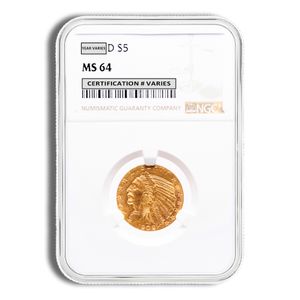
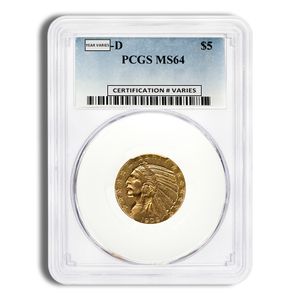
Certified coins add independent verification. NGC and PCGS authenticate each coin, assign a grade on the 70-point Sheldon scale and encapsulate it in a sealed holder with a certification number you can check on the grading service's website. We're an authorized dealer for both services, and a member of the American Numismatic Association and the National Coin and Bullion Association.
Liquidity and Resale Considerations
Gold bullion is easiest to sell when the buyer doesn't have to think about it. The 1 oz Gold Eagle, Maple Leaf, Krugerrand and Buffalo, along with bars from major refiners, are recognized by virtually every dealer, which keeps bids close to metal value and spreads narrow. Their weight and purity are known on sight, so there's little to negotiate.
Less standardized pieces can still be sold, but they ask more of the buyer. Odd-weight historic coins, private designs and novelty formats may draw fewer bidders, and certified or numismatic coins are priced against grade and collector demand that move on their own schedule. Fractional coins and gram bars sell easily but carry wider spreads per ounce, which matters if you expect to buy and sell often.
That's why we encourage you to think about liquidity before you buy, not only when it's time to sell. The bid shown on each product page reflects what we'd pay for that item under current conditions, and our research tools let you compare products by spread, liquidity and historical premium to see how efficiently different forms of gold trade.
Storage and Security
Gold is dense, so even a substantial holding takes up very little room. A quality fire-rated home safe, bolted in place, works for many buyers, while larger holdings are often kept in a bank safe deposit box or an insured depository vault. Keep a written inventory, including serial numbers for bars and certification numbers for graded coins.
Leave assay cards and certified holders sealed, since opening them removes the verification that makes resale simpler. Coins in tubes or capsules should stay there and be handled by the edges, because skin oils can mark proof surfaces. Fractional coins, gram bars and Goldbacks are small enough to misplace, so a dedicated storage box, album or sleeve keeps them organized.
Gold itself doesn't tarnish, but 22 karat coins containing copper or silver can develop spots or toning, and humidity or PVC can damage packaging. A dry, stable environment with archival, PVC-free holders protects both the metal and its presentation, and Goldback notes are best stored flat to avoid creasing.
Selling and Buyback Options
Bullion Standard operates as a two-way market, so the place you buy gold bullion is also a place you can sell it. Our purchasing team provides a quote based on current market pricing, and once your metal arrives and passes verification, payment is issued. The process is designed to be straightforward whether you're selling a single coin or a full holding.
Several factors shape the price you'll receive. Widely traded coins and bars from recognized mints and refiners generally earn the strongest bids relative to spot, while fractional pieces, impaired coins and products in opened or damaged packaging may be discounted. Certified and historic coins are valued on grade and current collector demand as well as gold content.
Spot keeps moving between quote and delivery, which is why the bid on a product page is a live figure rather than a fixed promise. Checking it before you buy gives you a realistic sense of the round-trip cost of any product on this page.
Why Buy Gold Bullion?
The appeal of gold bullion is its clarity: you know what you own because weight and purity are stated, verified and recognized worldwide. A 1 oz Krugerrand or a PAMP Suisse bar means the same thing to a dealer in San Diego as it does to one in Zurich, and that shared standard is what makes gold so easy to price and transfer.
Gold also adapts to different budgets and goals without changing its basic nature. Larger bars keep premiums low for buyers focused on metal content, fractional coins and gram bars make small purchases practical, and government-issued coins add a legal tender denomination and a national mint's backing. If design and history matter to you, Lunar coins, Queen's Beasts and pre-1933 U.S. gold let you combine gold content with collector interest.
Gold is also compact and durable. A meaningful amount fits in a small safe, it doesn't corrode, and it can be held for decades with little special care, which makes it one of the most practical ways to own a tangible asset outside the banking system.
Why Buy from Bullion Standard?
Bullion Standard was founded in San Diego in 2010 on a simple principle: you only get one chance to earn someone's trust in this industry. That philosophy shapes how we price, source and ship gold bullion, and it's reflected in our A+ rating with the Better Business Bureau and our memberships in the ANA and NCBA.
Our pricing reflects real-time market conditions, and every product page shows both sides of the market so you can see the bid/ask spread before you buy. Products come from reputable mints, refineries and wholesalers, each is verified for authenticity, weight and purity, and you can pay by Visa, Mastercard, American Express, Discover, PayPal, bank-connected payment through Plaid, wire transfer, paper check or cryptocurrency through BitPay.
Beyond the transaction, our product research tools let you compare gold products by premium, historical premium, spread and liquidity using objective data rather than marketing claims. Paired with our buyback program, that gives you a clear view of the costs at every step of buying, holding and eventually selling gold.
Get Near-Spot Pricing with Bullion Standard Pro
Bullion Standard Pro gives members access to live, executable wholesale bid and ask pricing across a broad range of gold products. Pro does not apply additional dealer markups or dealer spreads to member pricing, so members transact at wholesale market prices and premiums move with actual supply and demand rather than fixed retail pricing.
For gold buyers, that means near-spot execution on widely traded bars and coins and direct visibility into how individual products are priced at the wholesale level. Members also see their holdings valued at live wholesale bid prices, giving a realistic picture of current liquidation value instead of an estimated retail figure.
Pro adds market intelligence such as historical premium analysis, premium percentile rankings, spread and liquidity metrics, and wholesale order-flow and buy/sell ratio indicators. For repeat or price-sensitive gold bullion buyers, it's the most direct way to see the physical gold market the way wholesale participants do.


 (833) 278-4653