Buy IRA-Eligible Silver Online
Our catalog of IRA-eligible silver covers an exceptionally broad range of products designed to meet the requirements for inclusion in a self-directed precious metals IRA. From 1 oz silver rounds and minted bars to 1 kilo coins and 100 oz cast bars, buyers will find formats from some of the most recognized mints and refineries in the world, including the Perth Mint, Royal Canadian Mint, Geiger Edelmetalle, Valcambi, Engelhard, Johnson Matthey, and many others. Products are available in a wide range of weights, packaging styles, and purity levels, with options spanning fractional sizes all the way up to 1,000 oz commercial bars.
Bullion Standard is a San Diego-based precious metals marketplace founded in 2010 with a focus on pricing transparency, product authenticity, and informed buying. Every product listed here meets the minimum purity threshold of .999 fine silver required by the IRS for self-directed IRA inclusion. Our catalog includes both random year and date-specific products, random brand and named-brand items, and a range of formats from coins and rounds to minted and cast bars, giving buyers meaningful choices regardless of their storage preferences or purchasing strategy.
Pricing on every product reflects real-time spot market conditions, with premiums that vary by format, brand, and packaging. The bid/ask spread is displayed directly on each product page, giving buyers a clear picture of the acquisition cost relative to current buyback pricing before they commit to a purchase.
What Are IRA-Eligible Silver Products?
IRA-eligible silver refers to silver bullion products that satisfy the purity and format standards set by the Internal Revenue Service for inclusion in a self-directed individual retirement account. Under IRS guidelines, silver must meet a minimum fineness of .999 to qualify, which applies to the vast majority of modern bullion coins, rounds, and bars produced by recognized mints and refineries. Collectible coins, numismatic items, and most vintage silver products do not qualify regardless of their silver content.
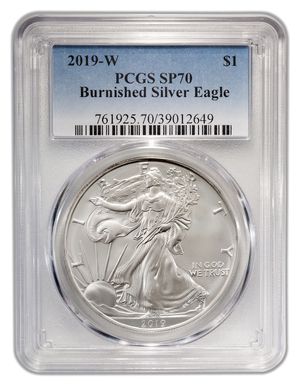
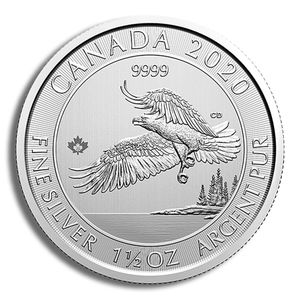
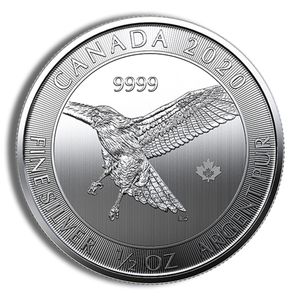
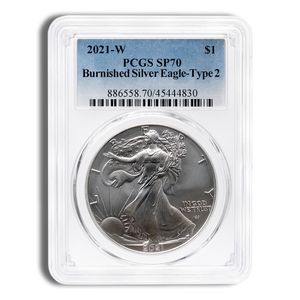
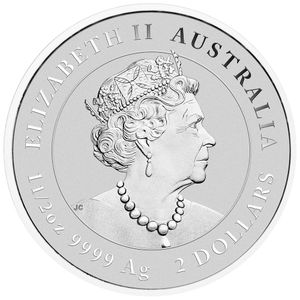
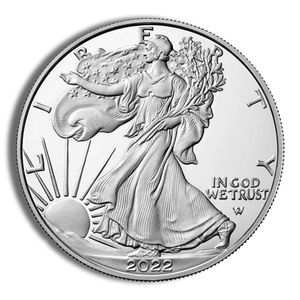
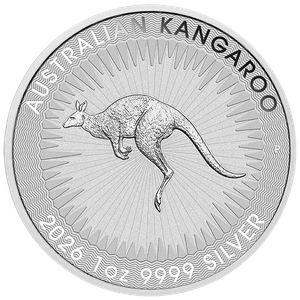
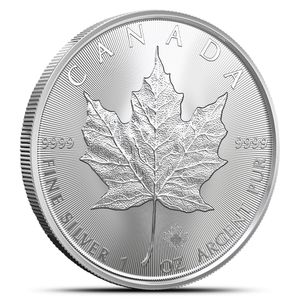
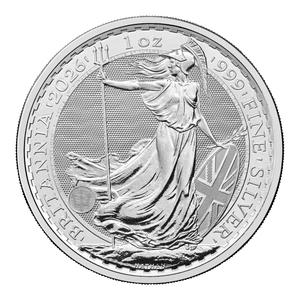
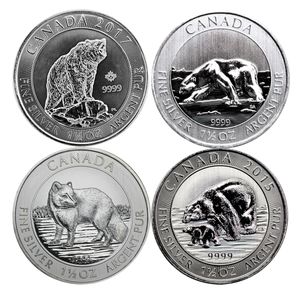
The category covers a broad range of product formats. Government-issued coins from programs like the Australian Kangaroo, Austrian Philharmonic, Canadian Maple Leaf, and British Britannia series qualify alongside privately minted bars and rounds from refineries such as Geiger, Valcambi, PAMP Suisse, and Sunshine Mint. The key distinction is not the product's origin country or design but rather whether it meets purity requirements and is produced by a recognized manufacturer. Cast bars, minted bars, and struck coins can all qualify as long as they meet the .999 fineness threshold.
Buyers using a self-directed IRA to purchase silver must work through an approved IRA custodian and arrange for storage at an IRS-approved depository. The physical silver cannot be held at home or in a personal safe while inside an IRA structure. Understanding this distinction before purchasing is important, as it affects both the logistics of acquisition and the practical handling of the metal.
History and Background
Silver has been mined, refined, and traded as a monetary metal for thousands of years, but the modern bullion market as it exists today is a relatively recent development. The liberalization of gold and silver ownership in the United States during the 1970s was a pivotal moment, allowing private citizens to purchase and hold physical bullion freely. Government mints responded by launching dedicated bullion programs, and private refineries expanded their production of standardized bars and rounds to meet growing demand from both retail and institutional buyers.
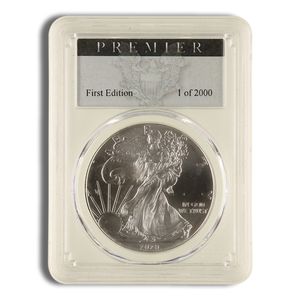
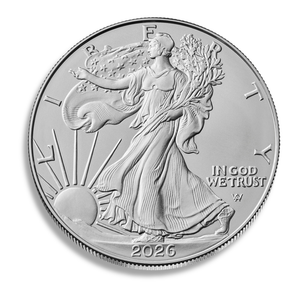
The formal inclusion of silver bullion within self-directed IRAs came through the Taxpayer Relief Act of 1997, which expanded permissible IRA assets to include certain physical precious metals. This legislation established the .999 fineness threshold and defined which products were eligible, effectively creating a distinct segment of the bullion market oriented around retirement account holders. Programs like the American Silver Eagle, which had launched in 1986, became natural fits for IRA buyers, and other government mints around the world adjusted or expanded their programs partly in response to demand from the American retirement market.
Over the decades, the IRA-eligible silver market has grown considerably. Private refineries from Germany, Switzerland, Turkey, Canada, and the United States have all developed product lines specifically calibrated to meet IRA purity requirements. Formats have diversified well beyond the standard 1 oz coin to include fractional sizes, multi-kilo bars, and specialty packaging options. Today, the market offers more variety in IRA-eligible silver than at any previous point in its history.
Purity, Weight, and Specifications
The IRS minimum fineness for silver is .999, meaning at least 99.9% pure silver content. Many products in this catalog exceed that threshold, with .9999 fineness being common among offerings from the Royal Canadian Mint, Perth Mint, and several private refineries including Frontier Mint and Argentia Precious Metals. The difference between .999 and .9999 silver is small in practical terms but can influence premium levels and buyer preference, particularly among those seeking the highest purity available.
Weight standards in this catalog range from fractional sizes such as 1/10 oz and 1/4 oz rounds up through 1 gram, 10 gram, 100 gram, 1 oz, 10 oz, 100 oz, 1 kilo, and 1,000 oz bars. Troy ounces are the standard unit of measurement for precious metals, and it is worth noting that a troy ounce is approximately 31.1 grams rather than the 28.35 grams in an avoirdupois ounce. This distinction matters when comparing gram-denominated bars to ounce-denominated products. A 100 gram bar, for example, contains approximately 3.215 troy ounces of silver.
Most products carry clear mint markings indicating weight, purity, and manufacturer. Bars produced by accredited refineries such as Valcambi, PAMP, Geiger, and Istanbul Gold Refinery typically include serial numbers and assay certifications either stamped directly on the bar or enclosed within a sealed assay card or blister pack. Government-issued coins carry legal tender denominations and are produced to strict tolerances with specifications including diameter, thickness, and weight precisely controlled at the source mint.
Available Brands, Mints, and Product Variations
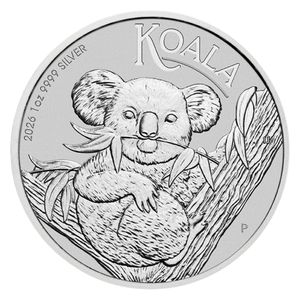
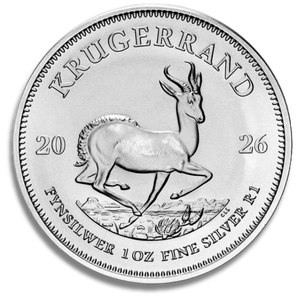
The range of brands and mints represented in this catalog reflects the full breadth of the global silver bullion market. Government mint programs include the Perth Mint's Australian Kangaroo and Koala series, the Royal Canadian Mint's Maple Leaf and Bison coins, the Austrian Mint's Philharmonic, The Royal Mint's Britannia series, and South African Mint's Krugerrand, among others. These programs carry strong secondary market recognition and are among the most liquid government-issued silver coins traded globally.
Private mints and refineries are also extensively represented. Geiger Edelmetalle of Germany produces both cast and minted bars in a distinctive square format with sealed assay packaging. Valcambi of Switzerland offers cast kilo bars with a clean, minimalist design favored by institutional buyers. Johnson Matthey and Engelhard, both legacy American refineries, appear throughout the catalog in a variety of formats and weights, including 1 oz, 10 oz, and 100 oz bars. Frontier Mint, based in the United States, offers both sandblast and mirrored finish bars in multiple weights with .9999 purity. The Istanbul Gold Refinery produces bars available in multiple weights from 1 oz to 100 oz with assay card packaging on smaller sizes.
Specialty and niche products also appear across the catalog. These include KOMSCO's South Korean Chiwoo Cheonwang and Shield of Achilles stackers in 1 kilo sizes, the East India Company's St. Helena series in fractional and 1.25 oz sizes, Argentia Precious Metals sculptural bars from Canada, and a range of themed silver rounds including holiday designs, sports licensing agreements with Major League Baseball, and collectors' rounds from mints like CNT and Golden State Mint. Random brand options are available at most weight tiers for buyers prioritizing silver content over specific branding.
Pricing, Premiums, and Market Factors
Silver bullion is priced relative to the spot price of silver, which fluctuates continuously during market hours based on global supply and demand. The premium above spot represents the additional cost associated with fabrication, packaging, distribution, dealer margin, and market liquidity. Premiums are not fixed across all products and vary considerably depending on format, mint, weight, and packaging. A 1 oz silver round from a generic manufacturer typically carries a lower premium than a government-issued coin from the Royal Canadian Mint or Perth Mint, reflecting differences in brand recognition, fabrication cost, and secondary market demand.
Weight plays a significant role in premium efficiency. Larger bars tend to carry lower per-ounce premiums than smaller formats because the fixed costs of production and handling are spread across more metal. A 100 oz cast bar from Engelhard or Asahi Refining will generally offer a tighter premium per ounce than a 1 oz minted bar or coin. Fractional products such as 1/10 oz and 1/4 oz rounds carry proportionally higher premiums due to increased per-unit production costs relative to silver content. For buyers prioritizing cost efficiency over divisibility, larger bars often represent the better value.
Bullion Standard's pricing is structured to reflect real-time market conditions rather than fixed retail markups. The bid/ask spread displayed on each product page represents the current difference between the buying price and our live buyback offer, giving buyers an honest view of the full transaction cost before purchase. This transparency is central to how we operate. Products with tighter spreads and deeper secondary market liquidity generally represent more efficient entry points for buyers focused on the total cost of ownership rather than the headline premium alone.
Condition, Packaging, and What to Expect
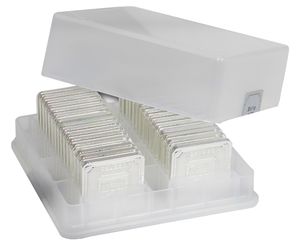
Most silver bullion products ship in the condition and packaging described in each individual product listing, but it is important to understand what that means in practice. Mint-sealed tubes of coins, such as rolls of Canadian Maple Leafs or Austrian Philharmonics, arrive in the original mint packaging with coins in brilliant uncirculated condition. Individual bars in sealed assay cards, such as those from Geiger or IGR, arrive with tamper-evident packaging intact. Buyers should inspect packaging upon receipt and contact customer service promptly if any damage is identified.
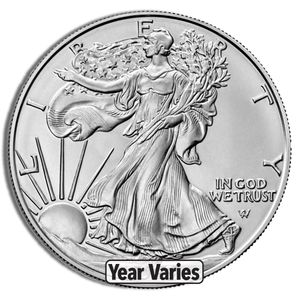
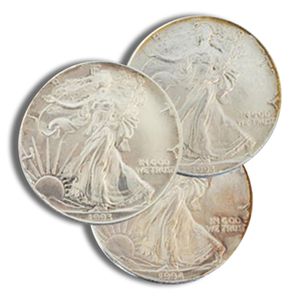
Random year products are fulfilled from available inventory and the specific year is not guaranteed. This is standard practice across the bullion industry and does not affect the silver content, purity, or IRA eligibility of the product. Similarly, random brand products are shipped from available inventory and may represent any of several approved manufacturers. These products are suitable for buyers focused on silver content rather than specific branding or design.
Some products, particularly legacy bars from refineries like Engelhard and Johnson Matthey, may show minor surface marks, toning, or handling wear consistent with their age and secondary market origin. These cosmetic characteristics do not affect purity or IRA eligibility but are worth understanding before purchase. Product listings indicate when items are sourced from the secondary market or may arrive in circulated condition. Buyers seeking pristine presentation should focus on listings explicitly describing mint-sealed or sealed packaging.
Authenticity and Verification
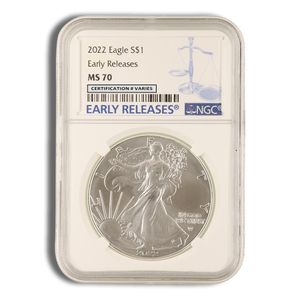
Every product offered through Bullion Standard is sourced from reputable mints, refineries, wholesalers, and authorized distributors. Before reaching our customers, products are verified for authenticity, weight, and purity as part of our standard receiving and fulfillment process. We are an authorized dealer for both PCGS and NGC and maintain memberships with the American Numismatic Association and the National Coin and Bullion Association, reflecting our commitment to industry standards and professional accountability.
Assay cards and sealed packaging provide an additional layer of third-party authentication for many products in this catalog. Bars from Geiger, Valcambi, IGR, and other refineries often come in tamper-evident blister packs or heat-sealed assay envelopes that include certification of weight and purity. Government-issued coins carry the implicit backing of their issuing mint and are produced to precise specifications that make verification more straightforward. Anti-counterfeiting features on certain modern coins, including micro-engraving, radial lines, and laser-etched security marks, provide additional verification tools for experienced buyers.
Buyers who wish to independently verify silver products can use a range of testing methods including ultrasonic thickness testing, X-ray fluorescence analysis, specific gravity testing, and electromagnetic coin analyzers. While counterfeit silver is less prevalent than counterfeit gold due to silver's lower per-ounce value, diligence remains appropriate, particularly when purchasing from non-dealer sources. Purchasing through an established dealer with documented sourcing practices, such as Bullion Standard, reduces this risk significantly.
Liquidity and Resale Considerations
Liquidity in the silver bullion market is closely tied to product recognition and standardization. Government-issued coins from major programs, including the Canadian Maple Leaf, Austrian Philharmonic, Australian Kangaroo, and British Britannia, trade actively in both retail and wholesale markets globally and are recognized by dealers, banks, and institutions across dozens of countries. These products typically offer the broadest resale options and tightest bid/ask spreads in the secondary market.
Standardized bars from accredited refineries, particularly those with LBMA-recognized or COMEX-deliverable status, are also highly liquid and trade actively at the institutional level. Products like 100 oz bars from Engelhard, Asahi Refining, or Frontier Mint are recognized commodities in the commercial silver market and can be sold through dealer networks without significant valuation friction. Smaller bars and rounds from lesser-known manufacturers may carry slightly wider spreads in the secondary market because they require more buyer familiarity to trade efficiently.
Fractional products, including 1/10 oz and 1/4 oz rounds, offer divisibility but typically carry higher per-ounce premiums on both the buy side and the sell side. Their resale liquidity is generally strong within the retail market, though they may not be accepted in institutional or commercial transactions where minimum lot sizes favor larger formats. Understanding these dynamics before purchasing helps buyers align their product choices with their practical needs.
Storage and Security
Silver held within a self-directed IRA must be stored at an IRS-approved depository and cannot be kept at home or in a personal safe while maintaining its tax-advantaged status. Most IRA custodians work with a network of approved depositories that offer both segregated and non-segregated storage, with costs varying by storage type and the value of holdings. Buyers should confirm storage arrangements with their custodian before completing a purchase to ensure compliance.
For silver held outside of an IRA structure, storage considerations depend heavily on the volume and value of holdings. A home safe rated for both fire and burglary resistance provides a reasonable first layer of protection for modest holdings. Larger accumulations of silver, particularly 100 oz and 1,000 oz bars, are heavy and bulky enough that professional vault storage often becomes the more practical and cost-effective solution. Many dealers and third-party vault services offer allocated storage arrangements that keep holdings physically separate from other customers' metal.
Environmental factors are worth considering regardless of storage method. Silver is susceptible to tarnishing from exposure to air, humidity, and sulfur-containing compounds. Coins and bars in sealed packaging should remain in that packaging for as long as possible. For loose silver, airtight capsules, zip-seal bags, and desiccant packs can help slow oxidation. Tarnish does not affect purity or IRA eligibility but can affect the cosmetic presentation of products upon resale.
Selling and Buyback Options
Selling silver back into the market is a straightforward process when working with a dealer who maintains a genuine two-way market. Bullion Standard operates on a buy-sell model, meaning the same platform where customers purchase silver also provides competitive buyback pricing when they're ready to sell. This structure gives buyers a clear exit path from the moment of purchase rather than requiring them to locate a separate buyer when they decide to liquidate.
Buyback pricing is influenced by several factors including the product type, mint or refinery recognition, current silver spot price, packaging condition, and prevailing wholesale market demand. Government-issued coins in original mint packaging typically receive the strongest buyback offers due to their broad market recognition. Bars from LBMA-accredited or widely recognized refineries are also typically bought back efficiently. Products with damaged assay cards, missing packaging, or significant cosmetic wear may receive lower bids reflecting the additional verification and handling costs involved in resale.
Our purchasing team reviews buyback requests based on current market conditions and offers pricing that reflects live wholesale bid levels rather than static buyback schedules. For members of Bullion Standard Pro, buyback pricing is derived directly from live executable wholesale bid pricing, providing visibility into how market conditions affect liquidation values in real time. Buyers who understand this relationship before they purchase are better positioned to make decisions that reflect the full transaction cost, not just the acquisition premium.
Why Buy IRA-Eligible Silver?
Adding physical silver to a self-directed IRA gives account holders exposure to a tangible asset within a tax-advantaged account structure. Unlike paper silver products such as ETFs or futures contracts, IRA-eligible silver represents actual physical metal held in allocated storage on the account holder's behalf. For buyers who want their retirement portfolio to include a physical component rather than purely financial instruments, this structure provides a regulated and accessible way to do that.
Silver's industrial applications add a dimension to the market that is distinct from gold. The metal is used extensively in solar panel manufacturing, electronics, medical devices, and electrical components, creating demand that extends well beyond the investment market. This industrial demand base means silver pricing is influenced by a broader set of economic and technological factors than metals that serve primarily as monetary stores. Buyers interested in metals with meaningful industrial demand exposure will find silver occupies a different position in that regard than gold or platinum.
The format flexibility available within IRA-eligible silver is also worth noting. Buyers can hold anything from 1 oz coins to 1,000 oz commercial bars within the same IRA, allowing them to optimize for premium efficiency, divisibility, or brand preference depending on their strategy. Standardized products from government programs offer the broadest recognizability, while larger bars from accredited refineries offer better premium efficiency per ounce. The catalog supports both approaches and everything in between.
Why Buy from Bullion Standard?
Bullion Standard was built around the principle that buyers in the physical precious metals market deserve access to the same quality of information, pricing transparency, and market intelligence that is standard in traditional financial markets. That philosophy shapes every part of the platform, from how products are priced and displayed to how buyback offers are generated and communicated. Our A rating with the Better Business Bureau reflects the consistency with which we've applied that philosophy over more than a decade of operation.
Every product we sell is sourced from vetted mints, refineries, and distributors and verified for authenticity, weight, and purity before fulfillment. As an authorized PCGS and NGC dealer and a member of both the American Numismatic Association and the National Coin and Bullion Association, we operate within a professional framework that holds us to documented standards of conduct. Customers can choose from a broad range of payment methods including major credit cards, PayPal, bank-connected payments through Plaid, wire transfer, paper check, and cryptocurrency through BitPay.
The two-way market structure we operate is a meaningful differentiator. Rather than focusing exclusively on the sale side and leaving buyers to figure out resale independently, we place equal emphasis on buyback liquidity. This means buyers can evaluate silver products not just on acquisition premium but on the full round-trip cost, including the spread between purchase price and current buyback value. That level of pricing transparency is not common in this industry, and it is central to how we define trustworthy dealing.
Get Near-Spot Pricing with Bullion Standard Pro
Bullion Standard Pro is designed for buyers who want to transact at pricing levels closer to the wholesale market rather than standard retail. Members gain access to live executable wholesale bid and ask pricing across a broad range of silver products, allowing them to see exactly how products are priced at the institutional level and transact accordingly. Unlike traditional retail pricing structures that apply fixed dealer markups, Pro pricing fluctuates based on real-time supply and demand within the wholesale market.
For silver buyers purchasing meaningful quantities, the difference between retail premium pricing and near-spot wholesale pricing compounds meaningfully over time and across multiple transactions. Pro members also benefit from real-time portfolio valuation based on live wholesale bid pricing rather than estimated retail values, providing a more accurate picture of liquidation value at any given moment. Historical premium analysis, spread tracking, liquidity metrics, and proprietary market intelligence tools are also available within the platform to help members evaluate products using objective data rather than marketing claims.
The platform is particularly relevant for buyers who treat silver acquisition as a systematic and ongoing process rather than a one-time transaction. Access to wholesale bid and ask pricing, market sentiment indicators, buy/sell ratio data, and order-flow analytics creates an environment where decisions can be grounded in observable market conditions. For buyers who want to engage with the silver market with the same level of analytical rigor applied in traditional financial markets, Bullion Standard Pro is built specifically for that purpose.


 (833) 278-4653