Physical Platinum Bars & Coins | Bullion Standard
Buy Physical Platinum Bars & Coins Online
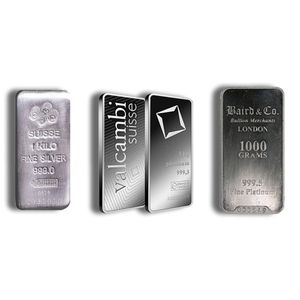
Our catalog of physical platinum bars and coins covers a wide range of weights, formats, mints, and packaging options designed to suit buyers at every level of familiarity with the platinum market. From 1 gram minted bars by Argor-Heraeus and PAMP Suisse to 1 kilo bars and everything in between, the selection spans both assay-carded and loose formats across some of the most respected refineries and sovereign mints in the world.
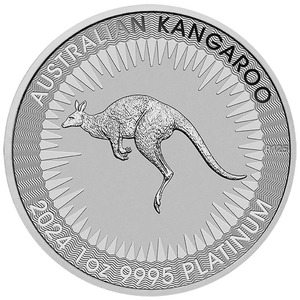
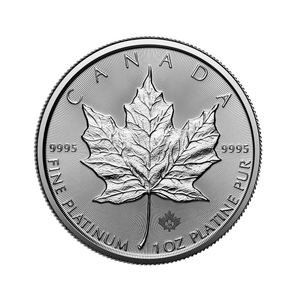
Coins from the United States Mint, The Perth Mint, the Royal Canadian Mint, the Austrian Mint, and The Royal Mint are all represented here alongside internationally recognized series including the American Platinum Eagle, Australian Platinum Kangaroo, Canadian Platinum Maple Leaf, and Austrian Platinum Philharmonic. Certified examples graded by NGC and PCGS are also available for buyers seeking verified, slabbed coins with professionally assigned grades.
Bullion Standard operates as a transparent marketplace rather than a traditional high-pressure dealer environment. Pricing is tied to real-time market conditions, and our two-way market model means you can both purchase and sell platinum products within the same ecosystem. Whether you're acquiring fractional coins or larger bar formats, the experience is built around clarity, competitive pricing, and long-term confidence.
What Are Physical Platinum Bars & Coins?
Physical platinum bars and coins are tangible forms of platinum metal refined and minted to a defined purity, weight, and format. Unlike platinum-linked financial instruments or futures contracts, these are physical objects you take ownership of, store, and eventually resell through a dealer or private market. The fundamental distinction between bars and coins is one of format and origin. Bars are produced by private refineries such as Valcambi, Argor-Heraeus, PAMP Suisse, and Engelhard. Coins are minted by government-authorized institutions and typically carry a legal tender denomination.
Within those two broad categories, buyers will encounter further distinctions. Minted bars are produced from a blank that has been stamped or pressed into a finished form with clean edges and detailed surface work, and they typically come in an assay card with serialization or certification. Cast bars are poured from molten platinum and tend to carry a more raw, industrial appearance without assay packaging. Bullion coins are produced in standardized weights and purities for straightforward transactional use, while proof and burnished coins are struck with higher precision and are often issued with original government packaging including a box and certificate of authenticity.
Fractional platinum products, including 1/10 oz, 1/4 oz, and 1/2 oz coins and smaller gram-weight bars, allow buyers to acquire platinum in smaller increments. These formats carry higher premiums per troy ounce than full-ounce or larger products, but they offer flexibility for buyers who prefer to acquire platinum in stages or who want to maintain holdings across multiple manageable units.
History and Background
Platinum's emergence as a traded bullion metal is more recent than gold or silver. While the metal was formally identified by European scientists in the 18th century and had been used by pre-Columbian cultures in South America long before that, its path into the modern bullion market developed primarily through the 20th century as industrial demand grew and the refining infrastructure to produce investment-grade platinum at scale became established.
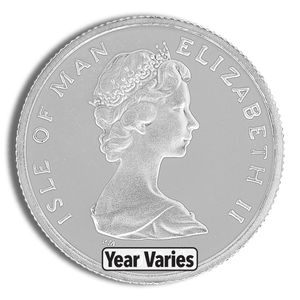
The platinum bullion coin market took shape in earnest when the Isle of Man introduced the Platinum Noble in 1983, making it one of the earliest government-issued platinum bullion coins. The Canadian Platinum Maple Leaf followed in 1988, and the American Platinum Eagle, introduced by the United States Mint in 1997, became one of the most widely recognized sovereign platinum coins in the world. The Perth Mint developed its own range of platinum coins over subsequent years including the Platinum Koala, Kangaroo, and Platypus series, while European mints like the Austrian Mint entered the platinum space with the Platinum Philharmonic in 2016.
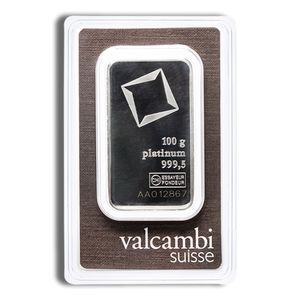
On the bar side, Swiss refineries including PAMP Suisse, Valcambi, and Argor-Heraeus built strong reputations for producing assay-carded platinum bars to exacting standards across gram and troy ounce weight ranges. These refineries established the assay card format that remains standard for most minted platinum bars today, combining detailed specifications, purity certification, and tamper-evident packaging into a single product presentation that remains widely recognized by dealers and institutional buyers worldwide.
Purity, Weight, and Specifications
The overwhelming majority of investment-grade platinum products are produced at a fineness of 0.9995, which is the prevailing standard across both coins and bars. Some products, including the Argor-Heraeus 1 oz platinum bar in our catalog, are produced to an even higher standard of 0.9999 fine platinum. These purity levels are typically stamped or laser-engraved directly onto the product surface alongside the weight, refinery or mint mark, and in many cases a unique serial number.
Weight standards for platinum bars follow the troy ounce system rather than the avoirdupois ounces used in everyday commerce. One troy ounce equals approximately 31.1035 grams, meaning a 1 oz platinum bar contains roughly 31.1 grams of platinum at the stated purity. Products in our catalog range from 1 gram up to 1 kilogram in bar formats, and from 1/20 oz up to 1 oz in coin formats. The physical dimensions of bars vary by refinery and weight, and we include thickness, length, and width measurements on individual product pages where available.
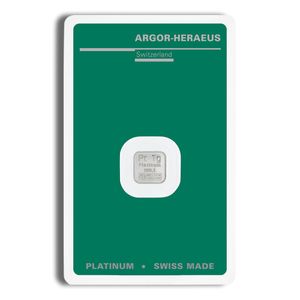
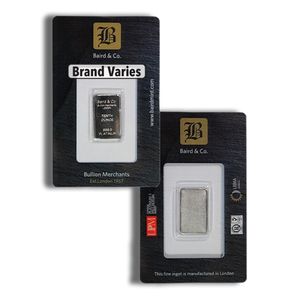
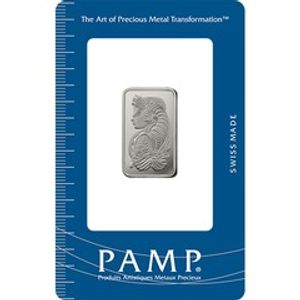
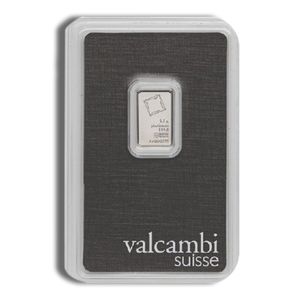
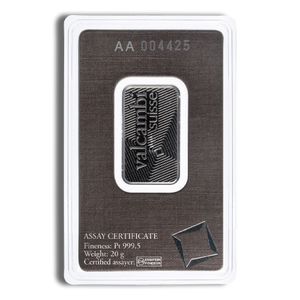
Assay cards serve as the primary packaging and verification document for minted bars. They contain printed specifications confirming the metal type, weight, purity, refinery name, and in many cases a unique serial number corresponding to the specific bar enclosed. The card itself is typically heat-sealed in tamper-evident packaging, allowing buyers and dealers to verify that the product hasn't been opened since leaving the refinery. Products listed as "No Assay Card" in our catalog are the same metal and purity but have been removed from their original assay packaging.
Available Brands, Mints, and Product Variations
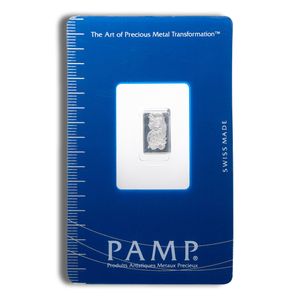
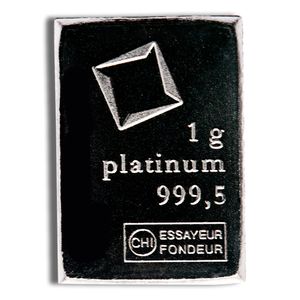
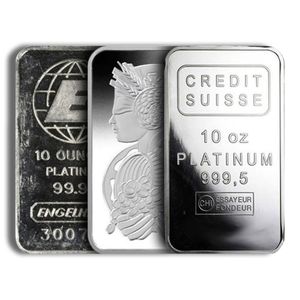
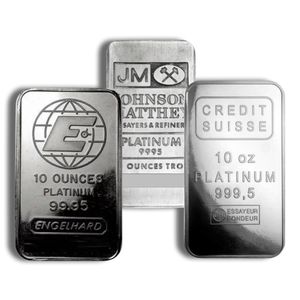
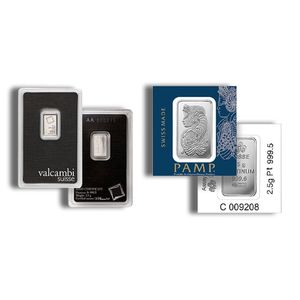
Swiss refineries dominate the platinum bar market, and three of the most established are well represented in our catalog. PAMP Suisse produces its Lady Fortuna platinum bars in both gram and troy ounce weights, featuring the iconic blindfolded figure on the obverse and detailed reverse specifications. Valcambi's platinum bars are available in sizes from 1 gram through 100 grams, all in assay card format with clean minted finishes. Argor-Heraeus produces its platinum bars to a slightly higher purity standard of 0.9999 and is known across the wholesale market for consistent quality. American manufacturer Engelhard, while no longer producing new bars, remains a recognized name and those products still trade with solid market recognition.
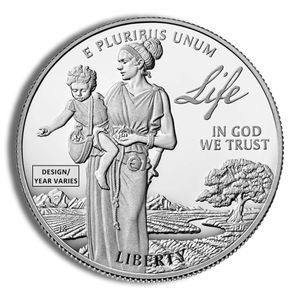
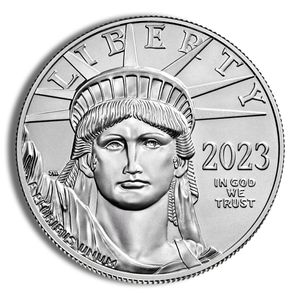
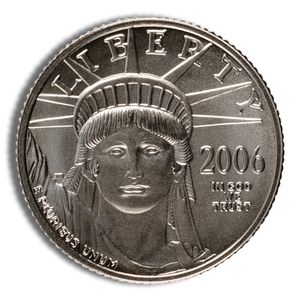
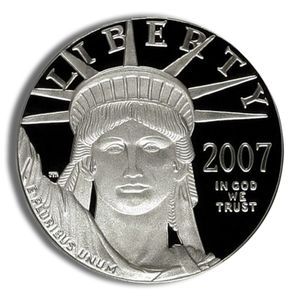
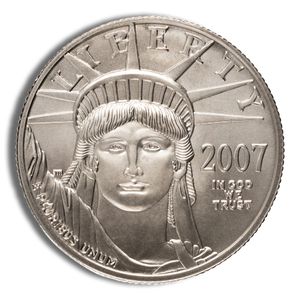
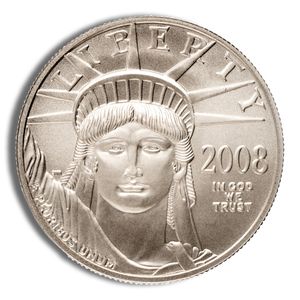
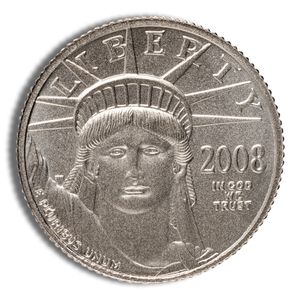
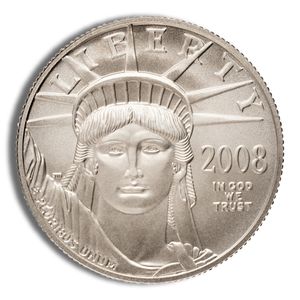
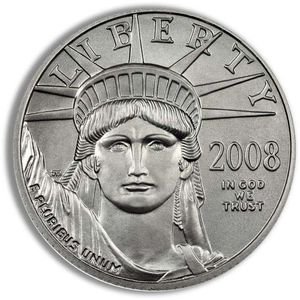
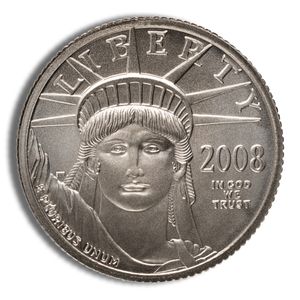
On the coin side, the United States Mint's American Platinum Eagle series represents the flagship sovereign platinum coin in the American market. Struck in 1 oz, 1/2 oz, 1/4 oz, and 1/10 oz denominations at 0.9995 fine platinum, the Eagle series is broadly recognized and carries a $100 legal tender denomination for the full ounce. Burnished versions from 2006, 2007, and 2008 are available in our catalog in both raw and certified formats including NGC MS70 and PCGS SP70 grades. Proof American Eagles with original government box and certificate of authenticity are also available for buyers seeking premium presentation packaging.
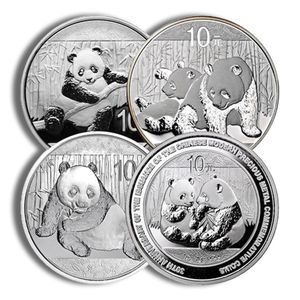
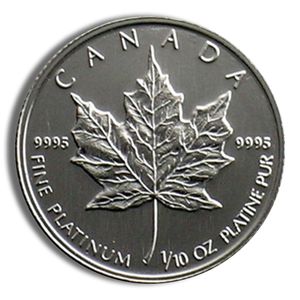
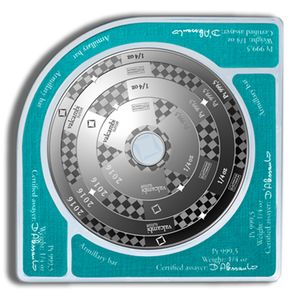
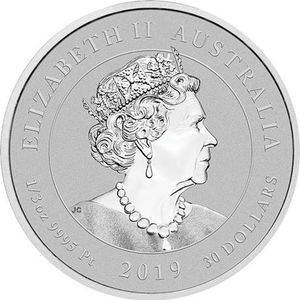
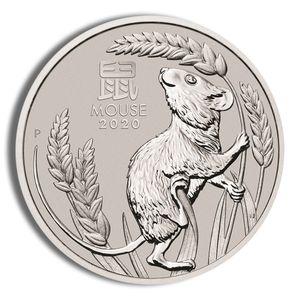
International coins in our catalog include the Australian Platinum Koala, Kangaroo, and Platypus series from The Perth Mint, the Canadian Platinum Maple Leaf in four denominations from the Royal Canadian Mint, the Austrian Platinum Philharmonic from the Austrian Mint, the British Platinum Britannia from The Royal Mint, and the Isle of Man Platinum Noble from Pobjoy Mint. Random year products are available across most of these series for buyers who prioritize metal content and price efficiency over a specific issue date. The Chinese Platinum Panda and the Great Britain Queen's Beasts Platinum series round out the international selection alongside specialty items including the 2016 Valcambi Armillary round and various Perth Mint wildlife issues.
Pricing, Premiums, and Market Factors
Platinum products are priced as a function of the current spot price of platinum, the symbol for which is XPT, plus a premium that reflects fabrication costs, packaging, distribution, mint or refinery margin, and current market supply and demand. Spot prices fluctuate continuously during trading hours based on activity in global commodity markets, and our pricing updates in real time to reflect those movements. The premium you pay above spot varies meaningfully depending on the product format, weight, mint, and packaging.
Larger bar formats such as 10 oz and 1 kilo bars generally carry the lowest premiums per troy ounce because the fixed costs of production and packaging are spread across more metal. Fractional products in the 1/10 oz and gram weight range carry the highest relative premiums. Sovereign coins typically command higher premiums than generic or random brand bars of equivalent weight because of their government backing, standardized design, and broad market recognition. Certified coins in professional grading holders from NGC or PCGS often trade at premiums above their raw counterparts, reflecting the added cost and market value of third-party grade verification.
Bullion Standard's pricing structure is built around transparency rather than complexity. We display the bid/ask spread on individual product pages, giving buyers a realistic picture of both the acquisition cost and the expected resale value at the time of purchase. Our two-way market model, combined with competitive wholesale sourcing, is designed to minimize unnecessary spread and give buyers a more complete view of the true cost of ownership before a transaction is completed.
Condition, Packaging, and What to Expect
Bars listed as "In Assay Card" arrive in their original heat-sealed tamper-evident packaging from the refinery. The card remains intact and serialized, and the bar inside has not been exposed to handling since it left the production facility. Products listed as "No Assay Card" are the same metal and purity but have been removed from their original packaging. These products may show light handling marks and are priced accordingly. They carry no difference in metal content or purity but lack the sealed presentation that many buyers prefer for resale purposes.
Coins listed as "Random Year" are drawn from available inventory across multiple production years. The specific year you receive cannot be guaranteed in advance, though all random year products meet the same weight and purity standards as any specific-year coin of the same series. Buyers who require a specific issue year should look for year-specific listings in our catalog. Products described as "BU" or Brilliant Uncirculated reflect coins struck for distribution rather than collector presentation, and minor contact marks from mint handling, roll storage, or transit are considered normal and do not affect the bullion value of the coin.
Proof and burnished coins listed with original box and certificate of authenticity arrive in their original government-issued presentation packaging. Products listed as "Cap Only, No Box and COA" are the same coins but have been separated from their original outer packaging. The coin itself and its protective capsule are present, but the outer box and accompanying paperwork are not included. This distinction is reflected in the pricing and is clearly noted in each product listing.
Authenticity and Verification
Every platinum product sold by Bullion Standard is verified for authenticity, weight, and purity before it reaches a customer. We source directly from established mints, refineries, authorized distributors, and wholesale market participants whose products meet recognized industry standards. Products acquired through secondary channels undergo physical inspection and, where applicable, density and XRF testing to confirm metal composition prior to listing or shipment.
Assay-carded products from refineries like PAMP Suisse, Valcambi, and Argor-Heraeus carry their own anti-counterfeiting features built into the card itself, including holographic elements, serialization, and tamper-evident sealing that makes unauthorized opening visible. Sovereign coins from government mints such as the U.S. Mint, The Perth Mint, and the Royal Canadian Mint are produced with security features that include reeded edges, specific diameter and thickness tolerances, and precise weight standards that can be verified against published mint specifications.
For certified products, NGC and PCGS independently authenticate and grade coins before encapsulating them in tamper-evident sonically sealed plastic holders. Each holder includes a unique certification number that can be verified through the grading service's online registry. Bullion Standard is an authorized dealer for both NGC and PCGS, and all certified products in our catalog are sourced from verified, legitimate channels.
Liquidity and Resale Considerations
Platinum's liquidity profile differs from gold and silver in ways that matter to buyers thinking beyond the initial purchase. The platinum bullion market is smaller and less broadly traded than the gold or silver markets, which means that product recognition and format standardization play a more significant role in resale efficiency. Products from well-known sovereign mints and established refineries trade more reliably in secondary markets than obscure or regional products with limited market penetration.
The American Platinum Eagle, Canadian Platinum Maple Leaf, and Australian Platinum Kangaroo are among the most recognized and widely accepted platinum coins globally. Bar products from PAMP Suisse, Valcambi, and Argor-Heraeus with intact assay cards are broadly accepted by dealers and institutional buyers because the packaging provides independently verifiable weight and purity documentation. Random brand or generic products without assay packaging tend to trade at lower buyback values because they require additional verification before a dealer can confidently resell them.
Understanding liquidity before you buy is part of making an informed decision. Bullion Standard displays the bid/ask spread on product pages so you can evaluate not just the purchase price but the expected resale value based on current market conditions. Products with tighter spreads generally offer better overall transaction efficiency for buyers who may need to resell within a shorter time horizon.
Storage and Security
Platinum's high density relative to its value means that even a meaningful quantity of platinum bars or coins occupies a relatively small physical footprint. A 1 oz platinum coin is close in size to its gold counterpart, and a 1 kilo bar fits easily within a home safe or vault drawer. For buyers holding a small number of pieces, a quality home safe with fire and theft resistance is a reasonable starting point, though it should be anchored securely and kept out of visible or easily accessible locations.
Assay-carded bars should be stored in their original packaging whenever possible. The sealed card protects the bar surface from contact damage and preserves the presentation that many dealers expect when evaluating products for buyback. If you are storing tubes of coins, keeping them in their original factory-sealed tubes maintains both the physical condition of the coins and the packaging integrity that supports easier verification. Loose coins stored individually in capsules or protective flips should be handled only by the edges to avoid fingerprinting, which can affect surface appearance over time.
For buyers holding larger quantities, professional vault storage through a third-party precious metals custodian or bank safe deposit box is worth considering. These facilities offer insured, monitored environments that reduce the security and insurance burden associated with home storage. Some buyers choose a combination approach, keeping a small accessible holding at home and securing larger positions in a professional facility.
Selling and Buyback Options
Bullion Standard operates a two-way market that supports both purchases and sales of physical platinum products within the same platform. When you're ready to sell, our purchasing team evaluates products based on current market pricing, product type, mint recognition, condition, packaging integrity, and prevailing liquidity conditions in the platinum market. The process is designed to be straightforward, with pricing tied to real-time market data rather than arbitrary dealer discretion.
Products in original assay packaging from recognized refineries typically qualify for the most competitive buyback pricing because they can be verified and resold efficiently. Sovereign coins from major government mints also tend to attract strong buyback rates due to their broad market recognition and standardized specifications. Products without original packaging, products showing significant handling marks, or items from obscure sources may be subject to additional verification steps and adjusted pricing that reflects the added handling cost and reduced resale efficiency.
Understanding the buyback process before you purchase is part of evaluating the full cost of ownership. Bullion Standard Pro members have access to live executable wholesale bid pricing across our product catalog, which means they can view current liquidation values in real time rather than waiting until a sell decision has been made. This pricing transparency is central to how Bullion Standard approaches the market, giving buyers the information they need on both sides of the transaction.
Why Buy Physical Platinum Bars & Coins?
Platinum occupies a distinct position among the four primary precious metals. Its supply base is highly concentrated, with the majority of global mine production coming from South Africa and Russia, and meaningful secondary output from Zimbabwe. Unlike gold, which is mined and refined at substantial scale globally, the relative scarcity of primary platinum supply makes it a metal with genuinely constrained production. This supply structure is reflected in premium behavior and trading dynamics that differ noticeably from gold or silver.
Industrial demand is a significant driver of platinum consumption. Automotive catalytic converters, particularly for diesel vehicles, represent the largest industrial end use, but platinum also plays a meaningful role in petroleum refining, chemical production, glass manufacturing, medical devices, and the growing hydrogen fuel cell sector. This industrial demand base gives platinum characteristics that differ from purely monetary metals and creates a pricing dynamic tied in part to real-world industrial activity.
From a format standpoint, physical platinum offers flexibility across the weight and product spectrum. Bars from Swiss refineries offer premium efficiency for buyers focused on metal content, while sovereign coins from the U.S. Mint, Perth Mint, and Royal Canadian Mint provide the added assurance of government backing and internationally recognized designs. Fractional products allow for graduated acquisition, and certified examples from NGC and PCGS provide an independently verified option for buyers who want documented grade confirmation alongside their metal ownership.
Why Buy from Bullion Standard?
Bullion Standard was founded in San Diego in 2010 with a straightforward operating philosophy: treat every transaction as an opportunity to earn long-term trust rather than maximize short-term margin. That philosophy shapes how we price products, how we source inventory, and how we handle every part of the customer experience from initial inquiry through post-purchase support. We hold an A rating with the Better Business Bureau and maintain active membership with the American Numismatic Association and the National Coin and Bullion Association. We are also an authorized dealer for both PCGS and NGC.
Our sourcing standards are consistent. Every platinum product in our inventory is verified for authenticity, weight, and purity before it reaches a customer, whether that's a 1 gram assay-carded bar or a certified burnished Platinum Eagle. We work with established mints, refineries, authorized distributors, and vetted wholesale market participants, and our fulfillment process is designed to deliver products securely and accurately. Payment options include Visa, Mastercard, American Express, Discover, PayPal, bank-connected payments through Plaid, wire transfer, paper check, and cryptocurrency through BitPay.
What distinguishes the Bullion Standard experience from a conventional dealer environment is the emphasis on information. We believe buyers make better decisions when they have access to transparent pricing, accurate product data, and clear resale expectations. The bid/ask spread displayed on each product page is a direct expression of that philosophy. Rather than obscuring the cost of ownership, we make it visible so you can evaluate the full transaction before committing to a purchase.
Get Near-Spot Pricing with Bullion Standard Pro
Bullion Standard Pro is designed for buyers who want direct access to live executable wholesale pricing across our platinum catalog. Rather than paying fixed retail markups, Pro members transact at wholesale bid and ask prices that reflect real-time supply and demand conditions in the institutional precious metals market. This means premiums and spreads fluctuate naturally based on actual market activity rather than being set by a fixed dealer pricing structure.
The platform provides access to live portfolio valuation using executable wholesale bid pricing, which gives members a realistic and current picture of liquidation value rather than an estimated retail price. Pro members also benefit from proprietary market intelligence tools including historical premium analysis, premium percentile rankings, spread analysis, liquidity metrics, and other analytics designed to help buyers evaluate platinum products using objective data. These tools aggregate activity across the broader wholesale platinum market, making it possible to identify changes in pricing, supply pressure, and market sentiment that wouldn't be visible from spot prices alone.
For buyers who transact regularly or who are price-sensitive about acquisition costs, Bullion Standard Pro provides a more efficient and transparent way to participate in the physical platinum market. The absence of additional dealer markups on top of wholesale pricing, combined with live market data and product comparison tools, creates a more informed buying and selling environment than the traditional retail model allows. If you're serious about understanding what you own, what it's worth, and what the market is doing, Pro membership is built around that level of engagement.


 (833) 278-4653