Buy 90% Silver Quarters Online
Our catalog of 90% silver quarters covers three of the most historically significant American quarter series: Barber quarters, Standing Liberty quarters, and Washington quarters. Each type is available in multiple grades and condition tiers, giving buyers the flexibility to match their priorities, whether that means maximizing silver content per dollar or acquiring coins with stronger eye appeal and cleaner strike detail.
Every quarter in this catalog contains 0.715 troy ounces of pure silver per $1 face value, making it straightforward to calculate total silver weight across any purchase quantity. Products are listed at $1 face value lots, which correspond to four individual quarters, and are sourced from the United States Mint. Condition ranges from heavily circulated average grades through Very Fine, Extremely Fine, About Uncirculated, and Brilliant Uncirculated, with additional options including full-date and worn-date Standing Liberty varieties and proof-finish Washington quarters spanning 1932 to 1964.
Bullion Standard presents these coins with transparent, real-time pricing that reflects current silver spot conditions and product-specific premiums. Our goal is to give buyers a clear picture of what they're paying and why, without the opacity that often characterizes traditional coin dealer pricing.
What Are 90% Silver Quarters?
The term "90% silver quarters" refers to United States quarters struck before 1965 with a composition of 90% silver and 10% copper. These coins were produced as official circulating currency, not as collector or bullion pieces, which means the silver content was incidental to their monetary function at the time. Today they are traded primarily as a recognized form of junk silver, a term used across the industry to describe pre-1965 U.S. coinage bought and sold at or near melt value based on silver content.
Unlike modern silver bullion coins, 90% silver quarters carry no formal face value premium in the bullion market. Their appeal comes from the standardized silver content, the recognizability of U.S. government-issued coinage, and the flexibility that comes with owning silver in small, divisible denominations. Each individual quarter contains approximately 0.17875 troy ounces of pure silver, making the $1 face value lot a practical unit of account for buyers seeking fine silver in fractional form.
These coins occupy a distinct niche compared to rounds or small bars. They carry the history and familiarity of actual circulating American currency, are universally recognized within the domestic precious metals market, and require no assay verification to trade at standard market rates. For buyers who prioritize flexibility and market familiarity over numismatic detail, 90% silver quarters represent one of the most straightforward silver formats available.
History and Background
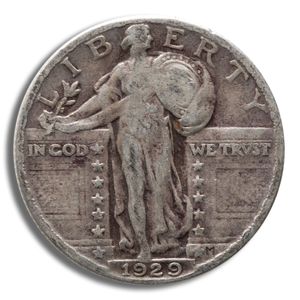
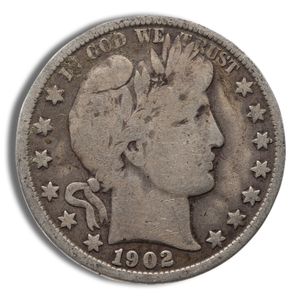
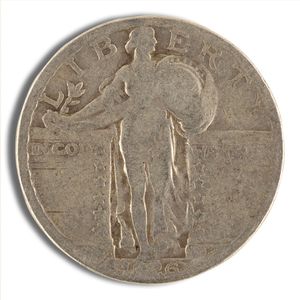
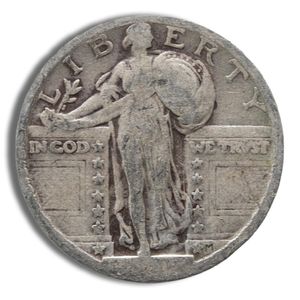
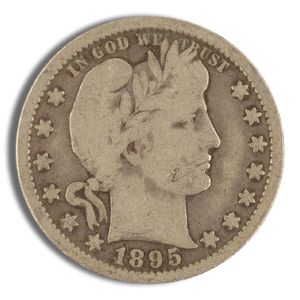
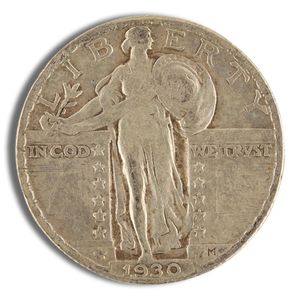
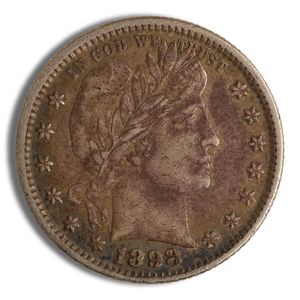
American silver quarters have a continuous minting history stretching back to 1796, but the three series most relevant to the modern bullion market span from 1892 through 1964. The Barber quarter, designed by U.S. Mint Chief Engraver Charles E. Barber, was produced from 1892 to 1916 and remains among the oldest U.S. silver coinage still actively traded in the junk silver market. Standing Liberty quarters followed from 1916 to 1930, featuring Hermon Atkins MacNeil's iconic design, with the well-known date-wear issue affecting coins struck before the 1925 design modification. Washington quarters, introduced in 1932 to commemorate the 200th anniversary of George Washington's birth, continued in 90% silver composition through 1964 before the Coinage Act of 1965 eliminated silver from circulating coinage entirely.
The elimination of silver from U.S. quarters in 1965 created a clear dividing line in the marketplace. Pre-1965 silver quarters were quickly pulled from circulation by the public, a behavior consistent with Gresham's Law, and they gradually migrated into private holdings, coin dealer inventories, and the developing bullion market. By the late 1970s and early 1980s, during periods of significant silver price movement, junk silver became a widely traded product category with established dealer networks, standardized pricing conventions, and broad market recognition.
Today, pre-1965 U.S. silver quarters are among the most liquid and widely traded forms of physical silver in the American market. Decades of consistent trading have solidified the $1 face value lot as a standard unit, with bid and ask pricing widely quoted by dealers, wholesalers, and market participants across the country. The three series available in our catalog reflect the full range of what buyers encounter in the current wholesale and retail junk silver market.
Purity, Weight, and Specifications
All 90% silver quarters share the same base composition: 90% silver and 10% copper, with a pure silver content of 0.17875 troy ounces per individual coin. The $1 face value lot used as the standard purchase unit in our catalog contains four coins and carries a combined silver content of 0.715 troy ounces. This figure is consistent across Barber, Standing Liberty, and Washington quarter types, as all three series were struck to the same specification under U.S. Mint standards.
The standard quarter specifications include a diameter of 24.3 millimeters and a thickness of approximately 1.75 millimeters, with a gross weight of 6.25 grams per coin. Because these are circulated coins rather than modern bullion products, they do not carry assay markings, serial numbers, or mint certificates. Their authenticity is established through the standardized specifications, known design elements, and the verification processes applied by reputable dealers prior to sale.
One product in our catalog, the Washington quarter proof (1932 to 1964), lists a silver content of 0.7234 troy ounces rather than the standard 0.715, reflecting the slightly different calculation basis sometimes applied to proof coin silver content. Buyers should note this distinction when calculating total silver weight across mixed holdings.
Available Brands, Mints, and Product Variations
Every coin in this catalog was struck by the United States Mint, with production distributed across various mint facilities including Philadelphia, Denver, and San Francisco over the decades of production. Mint marks vary by year and facility, and because these are sold as random-year lots, buyers will receive coins with various mint marks as available. The "various" mint mark designation across all listings accurately reflects this distribution.
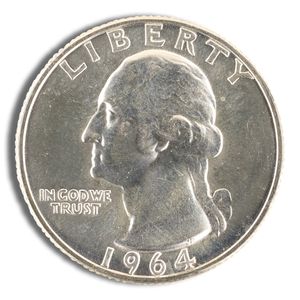
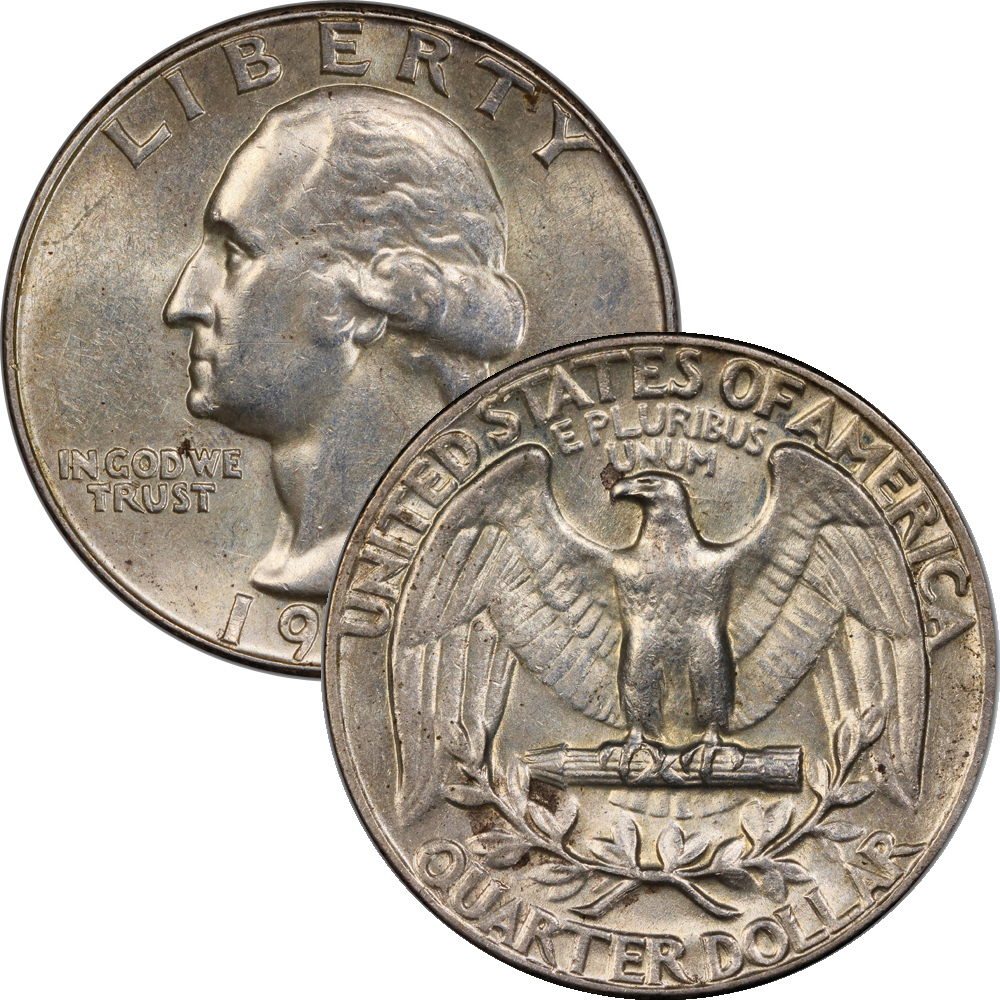
Within the Barber quarter series, our catalog offers four distinct options: average circulated, Good to Fine condition, Very Fine, and Extremely Fine. The Standing Liberty series provides the broadest selection, including full-date, partially worn date, and fully worn date circulated options, along with graded Extremely Fine and About Uncirculated tiers. Washington quarters are offered in average circulated, Brilliant Uncirculated, and proof finish varieties, with the proof option covering the full 1932 to 1964 date range.
The grade and date legibility distinctions within the Standing Liberty series are particularly relevant to buyers who care about coin presentation. The raised date on Standing Liberty quarters is notorious for wearing quickly, which is why the market has developed three distinct categories based on date visibility. Full-date examples command a modest premium over partially or fully worn counterparts in most market conditions, while worn-date coins trade closer to pure melt value. All other grades across the catalog reflect standard numismatic designations as used across the professional coin grading industry.
Pricing, Premiums, and Market Factors
The price of 90% silver quarters is driven primarily by the current silver spot price, with premiums layered on top based on product type, grade, condition, and current market supply. For most average circulated junk silver quarters, premiums above melt tend to be among the lowest available in the silver market, which makes this format particularly appealing to buyers who prioritize silver content per dollar over coin aesthetics or numismatic value.
Graded or higher-condition examples carry larger premiums reflecting both the additional sorting and handling required to identify and separate better coins and the elevated collector demand for cleaner pieces. Barber quarters in Very Fine or better condition, Standing Liberty quarters with full visible dates, and Washington quarters in Brilliant Uncirculated or proof finish all sit at distinct price points above base melt premiums. These distinctions are reflected directly in our pricing, which updates in real time based on current wholesale silver market conditions.
Bullion Standard's pricing model is built around transparency. Our product pages display both the ask price and the bid price, allowing buyers to evaluate the full spread before committing to a purchase. This bid/ask display reflects real-time market conditions and is updated as spot prices move and as wholesale supply and demand dynamics shift. For buyers who transact frequently or in larger quantities, Bullion Standard Pro provides access to executable wholesale pricing that narrows the spread and brings pricing closer to the levels seen in the institutional silver market.
Condition, Packaging, and What to Expect
Because 90% silver quarters are pre-circulated U.S. currency, buyers should not expect the presentation associated with modern bullion coins or sealed mint products. Coins sold as average circulated will show varying degrees of wear, surface scratches, bag marks, and patina consistent with decades of handling and storage. This is normal and expected for the grade, and it does not affect silver content or melt value in any way.
Higher-grade examples, including Very Fine, Extremely Fine, About Uncirculated, and Brilliant Uncirculated coins, will display progressively cleaner strikes and better-preserved design detail. Proof-finish Washington quarters will show the mirror-like fields and frosted relief typical of U.S. Mint proof production, though individual examples may show light hairlines or handling marks given the age of the coins. Buyers selecting proof examples should anticipate some variation in surface quality across mixed date lots.
Coins are typically shipped in coin tubes or cloth bags depending on quantity ordered, without individual capsules, assay cards, or manufacturer packaging. Products are sold in $1 face value lots of four coins. Random year selection means specific dates and mint marks cannot be requested or guaranteed. Packaging is functional rather than display-oriented, which is consistent with how junk silver is handled and stored throughout the industry.
Authenticity and Verification
Pre-1965 U.S. silver quarters are among the most straightforward bullion products to authenticate. The standardized dimensions, known alloy composition, and distinct design elements of each series make visual and physical verification reliable for trained dealers. Counterfeits do exist in the rare coin market but are far less common in the junk silver segment given the narrow margin between the cost to produce convincing fakes and the actual melt value of the coins.
Bullion Standard verifies all incoming inventory through established sourcing channels, including reputable wholesalers, distributors, and institutional coin market participants. Products are checked for weight, dimensions, and physical authenticity before entering our fulfillment pipeline. We maintain membership with the American Numismatic Association and the National Coin and Bullion Association, and our purchasing team operates under the professional standards associated with these organizations.
Buyers who require additional third-party verification for higher-grade examples have access to PCGS and NGC grading services. Bullion Standard is an authorized dealer for both services. For standard circulated junk silver quarters, third-party grading is generally unnecessary given the well-established market conventions surrounding these coins, but the option exists for buyers seeking certified examples of higher-quality pieces.
Liquidity and Resale Considerations
Few silver products offer the broad market recognition of pre-1965 U.S. silver quarters. These coins are familiar to virtually every active participant in the domestic precious metals market, from local coin shops and pawn dealers to national bullion dealers and wholesale market makers. This familiarity translates directly into liquidity, as there is rarely a shortage of buyers willing to bid on recognizable U.S. silver coinage at or near current melt rates.
Average circulated junk silver quarters, in particular, tend to trade with narrow spreads in active markets because they are undifferentiated from a silver content standpoint and carry no numismatic complexity requiring specialist knowledge to evaluate. Higher-grade examples, including XF Barber quarters or BU Washington quarters, may require a slightly more specialized buyer base but still benefit from the universal familiarity of the Washington and Barber series within numismatic and bullion channels.
Product condition and completeness of original lot packaging can affect resale efficiency. Coins sold in original sealed tubes or bags are generally easier to process quickly through dealer and wholesale channels. Loose or mixed-condition coins may require additional sorting before resale depending on the buyer's specific requirements. Understanding these nuances in advance helps buyers structure purchases in ways that align with their eventual resale or liquidation expectations.
Storage and Security
Storing 90% silver quarters is relatively simple compared to larger silver bars or numismatic collections requiring individual protective packaging. The most practical approach for most buyers involves airtight coin tubes, which hold standard quarter quantities and protect against environmental moisture and oxidation. Cloth bags are also commonly used for larger holdings and are the traditional format for junk silver storage across the industry.
Silver is susceptible to toning and surface reactions when exposed to humidity, sulfur compounds, and airborne contaminants over extended periods. While toning on circulated quarters has a minimal effect on melt value, buyers who prioritize the appearance of higher-grade coins, particularly BU or proof examples, should store those pieces in individual coin capsules or acid-free flips within a controlled-humidity environment. Silica gel packs placed in storage containers help manage moisture in home storage settings.
For larger quantities, a home safe rated for both fire and theft protection provides a reasonable baseline for security. Bank safe deposit boxes offer an alternative for buyers who prefer off-site storage without the cost or complexity of professional vault arrangements. Bullion Standard does not currently operate a direct storage program but can direct customers to established third-party vault and storage providers through our customer support team upon request.
Selling and Buyback Options
Bullion Standard operates as a two-way market, meaning customers can both purchase and sell precious metals through the same platform. When you're ready to liquidate 90% silver quarters, our purchasing team evaluates incoming product based on current wholesale silver bid pricing, coin type, grade, and quantity. The process is designed to be transparent and operationally straightforward, with clear pricing communicated upfront rather than through negotiation.
Product type and condition do influence buyback pricing at the margin. Average circulated junk silver quarters in standard lot quantities are among the easiest products to process quickly, as they trade at well-established melt-based rates with minimal sorting requirements. Higher-grade examples such as XF or AU Standing Liberty quarters, BU Washington quarters, or proof coins may be evaluated with additional attention to numismatic marketability, which can affect the offered bid depending on current demand in those market segments.
Packaging and lot integrity also matter when selling back into the market. Complete tubes or bags sold as unified lots are generally processed more efficiently than loose or mixed-grade coins. Buyers who intend to resell through Bullion Standard at a future date are encouraged to store coins in a way that preserves lot integrity and simplifies the incoming verification process. Our purchasing terms and current buyback rates are available directly through our platform, and our team is accessible to answer questions before or during the selling process.
Why Buy 90% Silver Quarters?
The core appeal of 90% silver quarters is the combination of low premiums, high market familiarity, and fractional flexibility. For buyers focused on acquiring as much silver content per dollar as possible, junk silver quarters frequently offer some of the tightest premiums available in the physical silver market, particularly in the average circulated tier. The silver content is fixed, standardized, and universally recognized, which eliminates many of the verification concerns that arise with less familiar silver formats.
The fractional denomination structure is a practical advantage that distinguishes these coins from larger silver bars or even 1-ounce coins. With each quarter carrying just under 0.18 troy ounces of silver, buyers can add silver to their holdings in very small increments and, when the time comes to liquidate, can do so in precise amounts without breaking a larger bar or round. This divisibility is frequently cited by buyers who want flexibility in both acquisition and liquidation.
For buyers interested in the numismatic dimension, the Barber and Standing Liberty series in particular offer genuine historical depth alongside their bullion function. These coins circulated in daily American commerce for decades and carry design details that reflect a distinct era of U.S. Mint artistry. The ability to purchase them at premiums that remain close to melt value represents a somewhat unusual overlap between historical coinage and practical silver ownership.
Why Buy from Bullion Standard?
Bullion Standard was founded in San Diego in 2010 with a straightforward premise: the precious metals buying experience should be transparent, reliable, and built around the customer's informed decision-making rather than high-pressure sales tactics. That philosophy remains central to how we operate today, from the way we structure pricing to the way we communicate with customers before, during, and after a transaction.
Every product we sell is verified for authenticity, weight, and purity before fulfillment. Our sourcing network includes established wholesalers, distributors, and institutional coin market participants operating under professional industry standards. We hold an A rating with the Better Business Bureau, maintain active membership with the American Numismatic Association and the National Coin and Bullion Association, and are authorized dealers for both PCGS and NGC. These affiliations reflect our commitment to operating within recognized professional standards rather than at the margins of the industry.
Checkout is supported by a wide range of payment options including Visa, Mastercard, American Express, Discover, PayPal, bank-connected payments through Plaid, wire transfer, paper check, and cryptocurrency through BitPay. Our fulfillment process is designed for reliability and security, and our customer support team is accessible and responsive. We believe that transparency and operational integrity are not selling points but baseline expectations for how a precious metals dealer should operate.
Get Near-Spot Pricing with Bullion Standard Pro
Bullion Standard Pro is designed for buyers who want to transact closer to the actual wholesale market rather than standard retail pricing. Members gain access to live, executable wholesale bid and ask pricing across a broad range of silver products, including junk silver quarters. Unlike indicative price displays common at traditional retail dealers, the pricing available through Bullion Standard Pro reflects real-time, executable conditions within the wholesale precious metals market.
One of the key structural differences of the Pro model is the absence of additional dealer markups layered on top of wholesale pricing. Members transact at executable market prices where premiums and spreads fluctuate based on actual supply and demand rather than fixed retail pricing structures. For buyers who purchase 90% silver quarters regularly or in meaningful quantities, this pricing efficiency can represent a measurable difference in acquisition cost over time.
Beyond pricing, Bullion Standard Pro provides access to proprietary market intelligence tools, including historical premium analysis, spread tracking, liquidity metrics, and portfolio valuation based on live wholesale bid pricing rather than estimated retail values. These tools are built to give members a clearer and more data-driven understanding of the physical silver market, helping them evaluate products, track changing market conditions, and make purchasing decisions grounded in objective information rather than marketing claims.

 (833) 278-4653