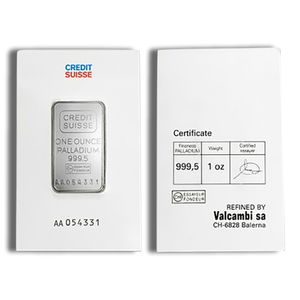
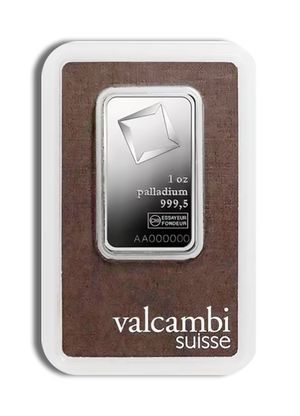
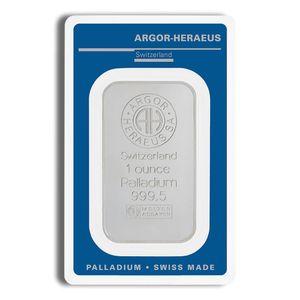
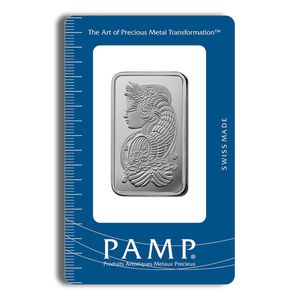
This listing covers 1 troy ounce of miscellaneous .999 fine palladium sourced from a variety of reputable refiners and mints. Products in this category include palladium bars, rounds, and similar bullion items that meet or exceed the .999 purity threshold but may carry production markings from multiple manufacturers rather than a single branded source. The format makes this an efficient way to acquire palladium by weight when brand consistency is secondary to metal content and purity.
We stock miscellaneous palladium products as part of a broader commitment to offering accessible palladium exposure across a range of formats and price points. Each piece meets standard industry purity requirements, ensuring the metal content is consistent regardless of which refiner or mint produced the item.
Palladium was discovered in 1803 by English chemist William Hyde Wollaston, who named the element after the asteroid Pallas. For much of its early history, palladium occupied a niche position in the platinum group metals family, valued primarily for industrial and catalytic applications rather than monetary ones. Its formal entr
…This listing covers 1 troy ounce of miscellaneous .999 fine palladium sourced from a variety of reputable refiners and mints. Products in this category include palladium bars, rounds, and similar bullion items that meet or exceed the .999 purity threshold but may carry production markings from multiple manufacturers rather than a single branded source. The format makes this an efficient way to acquire palladium by weight when brand consistency is secondary to metal content and purity.
We stock miscellaneous palladium products as part of a broader commitment to offering accessible palladium exposure across a range of formats and price points. Each piece meets standard industry purity requirements, ensuring the metal content is consistent regardless of which refiner or mint produced the item.
Palladium was discovered in 1803 by English chemist William Hyde Wollaston, who named the element after the asteroid Pallas. For much of its early history, palladium occupied a niche position in the platinum group metals family, valued primarily for industrial and catalytic applications rather than monetary ones. Its formal entry into the bullion market came later than gold, silver, or even platinum, with investment-grade bars and coins emerging more prominently in the latter half of the twentieth century.
Russia and South Africa together account for the vast majority of global palladium production, which has historically constrained supply and contributed to periods of significant price volatility. The metal gained broader investor attention in the early 2000s during a supply squeeze that briefly pushed palladium prices above gold, and again in the late 2010s when autocatalyst demand from the automotive sector drove prices to record highs. This supply and demand dynamic distinguishes palladium from other precious metals and gives it a distinct market profile.
The miscellaneous palladium category reflects the broader refining and fabricating ecosystem that has developed around the metal. Secondary market sources, major refiners, and smaller minting operations all contribute to the overall supply of investment-grade palladium products, and the miscellaneous designation acknowledges that mix without sacrificing purity standards.
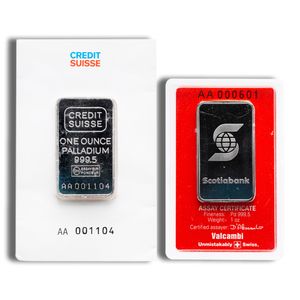
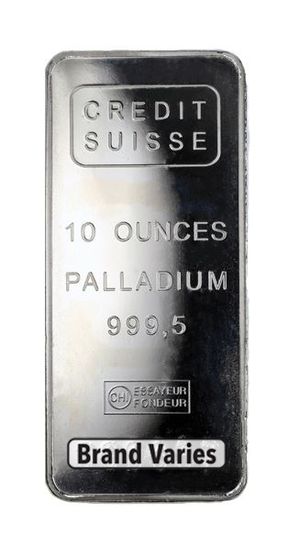
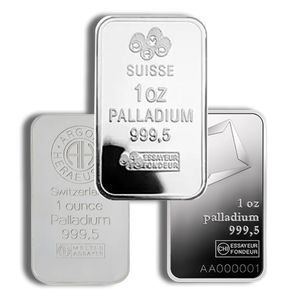
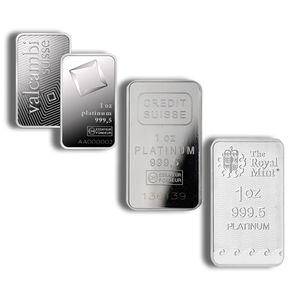
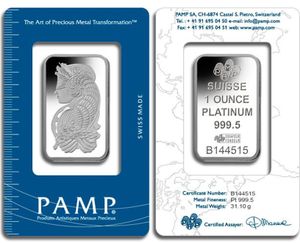
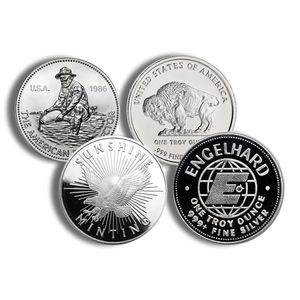
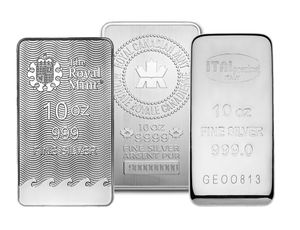
Because this listing draws from multiple manufacturers, the specific design elements will vary from piece to piece. Palladium bars typically feature clean, rectangular profiles with stamped or engraved refinery branding, weight designations, and purity markings on the obverse face. The reverse is often plain or carries a secondary logo, serial number, or assay notation depending on the producer.
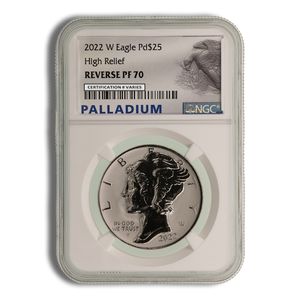
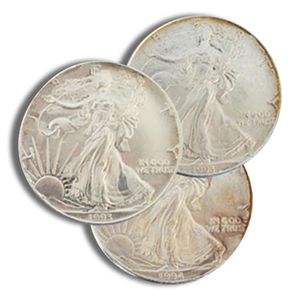
Palladium rounds share the general visual format of silver rounds but carry a distinctive silver-white luster unique to the metal. The surface of palladium bullion tends to reflect light with a slightly cooler, brighter tone than platinum, and the metal's natural resistance to tarnish means most pieces retain a clean appearance over time. Regardless of the specific manufacturer, each piece will carry clearly stamped weight and purity information consistent with .999 fine palladium standards.
Every piece of palladium we handle is verified for authenticity, weight, and purity before it reaches our customers. Miscellaneous palladium products are sourced from established refineries, distributors, and secondary market channels where production standards are well documented and consistently enforced. The .999 fine designation is a hard floor, not a range, meaning each piece must meet or exceed that threshold to qualify for this listing.
We carry authorized dealer relationships with both PCGS and NGC, which supports our ability to evaluate and authenticate a wide range of bullion and numismatic products. While miscellaneous palladium is not typically submitted for third-party grading, those relationships reflect the broader authentication infrastructure we maintain across our catalog. Our sourcing standards apply uniformly regardless of whether a product carries a single prominent mint mark or a lesser-known refinery stamp.
Miscellaneous palladium products are sold in bullion condition, which means the emphasis is on metal content and purity rather than cosmetic perfection. Items sourced from the secondary market may show minor contact marks, surface toning, or light handling signs consistent with previous storage or transit. These characteristics are normal for raw bullion and do not affect the metal content, weight, or purity of the piece in any way.
Individual pieces ship in protective plastic flips to prevent additional contact or surface wear during delivery. For larger quantity orders, packaging will reflect the format of the specific product included, with tubes or sealed boxes used where the product format supports that configuration. Because this listing draws from multiple manufacturers, exact packaging quantities can vary, and we make every effort to communicate format details clearly at the time of fulfillment.
Palladium pricing is driven by the current spot price of the metal on the global commodities market, with a premium added to cover the costs of fabrication, handling, and distribution. Miscellaneous palladium products typically carry a lower premium than branded or limited-edition palladium pieces because they are not tied to a single mint's marketing or production infrastructure. That pricing efficiency makes this format appealing to buyers focused on acquiring palladium at or near the lowest available cost per ounce.
Palladium spot prices can be meaningfully more volatile than gold or silver due to the concentrated nature of global supply and the dominant influence of industrial demand, particularly from the automotive sector. Our pricing reflects real-time market conditions and is updated continuously to remain aligned with current spot levels. The bid and ask spread displayed on this product page provides a transparent view of the full cost of ownership, including both the acquisition price and the current wholesale buyback level.
Palladium's liquidity profile differs somewhat from gold and silver due to its smaller and more specialized market. Products that meet the .999 purity standard and carry recognizable refinery or mint markings trade most efficiently, which is why we apply consistent purity verification to every piece in this category. Weight and purity remain the primary factors in resale pricing regardless of the specific manufacturer.
We operate a two-way market that allows customers to both purchase and sell precious metals within the same platform. Palladium buyback pricing is updated to reflect current wholesale market conditions, so customers can evaluate the full round-trip cost of ownership before making a purchase decision. Reviewing the bid/ask spread on this page before buying is the most straightforward way to understand where the market currently stands on both sides of the transaction.
The primary appeal of miscellaneous .999 palladium is straightforward: buyers receive a full troy ounce of verified fine palladium without paying the premium associated with a specific branded product. For buyers who prioritize metal content over manufacturer identity, this format offers a cost-effective entry point into palladium ownership. The purity floor remains firm regardless of the source, so the metal content is consistent with any other .999 fine palladium product on the market.
Palladium occupies a distinct position among the platinum group metals, with a market dynamic that reflects industrial demand patterns not seen in gold or silver. Buyers drawn to palladium specifically for its metal characteristics, supply profile, or portfolio diversification reasons will find this miscellaneous format delivers the same underlying exposure without unnecessary brand premiums attached.
We have built our reputation on transparency, consistent pricing, and a buying experience that treats customers as informed participants rather than passive shoppers. Every product we sell, including miscellaneous palladium, is verified for authenticity, weight, and purity before fulfillment. Our A rating with the Better Business Bureau and memberships in the American Numismatic Association and the National Coin and Bullion Association reflect the standards we hold ourselves to across every transaction.
Our two-way market model means liquidity is built into the platform from the start. Customers can both buy and sell within the same ecosystem at competitive pricing, which eliminates the friction of finding a separate buyer when it is time to exit a position. Our pricing is structured around real-time market conditions with clear bid and ask spreads displayed on every product page, so the full cost of ownership is visible before any purchase is made.
We support every transaction with responsive customer service, secure payment processing, and reliable fulfillment. Whether this is a first palladium purchase or an addition to an existing portfolio, the experience is designed to be straightforward, transparent, and supported at every step.
Bullion Standard Pro gives members direct access to live, executable wholesale bid and ask pricing across our full catalog, including palladium products. Because palladium markets can move quickly in response to supply and demand shifts, having visibility into real-time wholesale pricing rather than static retail levels provides a meaningful advantage when timing purchases or evaluating exit points. Pro members also have access to proprietary analytics covering premiums, bid/ask spread tightness, and historical market data that help contextualize where current palladium pricing stands relative to broader market patterns.
Portfolio valuation through Pro uses live executable wholesale bid prices rather than estimated retail values, giving members a clearer picture of current liquidation value at any given moment. For palladium specifically, where market conditions can shift more sharply than in gold or silver, that real-time visibility is particularly useful. Pro is designed to reduce information asymmetry and give buyers the same clarity into market conditions that has historically been available only to wholesale participants.
We offer a wide range of payment methods to make purchasing and selling palladium as convenient as possible. Accepted payment options include Visa, Mastercard, American Express, Discover, PayPal, bank-connected payments through Plaid, wire transfer, paper check, and cryptocurrency via BitPay. Every transaction is processed through secure infrastructure designed to protect buyer information and ensure reliable order fulfillment from start to finish.
This listing covers 1 troy ounce of miscellaneous .999 fine palladium sourced from a variety of reputable refiners and mints. Products in this category include palladium bars, rounds, and similar bullion items that meet or exceed the .999 purity threshold but may carry production markings from multiple manufacturers rather than a single branded source. The format makes this an efficient way to acquire palladium by weight when brand consistency is secondary to metal content and purity.
We stock miscellaneous palladium products as part of a broader commitment to offering accessible palladium exposure across a range of formats and price points. Each piece meets standard industry purity requirements, ensuring the metal content is consistent regardless of which refiner or mint produced the item.
Palladium was discovered in 1803 by English chemist William Hyde Wollaston, who named the element after the asteroid Pallas. For much of its early history, palladium occupied a niche position in the platinum group metals family, valued primarily for industrial and catalytic applications rather than monetary ones. Its formal entr
…This listing covers 1 troy ounce of miscellaneous .999 fine palladium sourced from a variety of reputable refiners and mints. Products in this category include palladium bars, rounds, and similar bullion items that meet or exceed the .999 purity threshold but may carry production markings from multiple manufacturers rather than a single branded source. The format makes this an efficient way to acquire palladium by weight when brand consistency is secondary to metal content and purity.
We stock miscellaneous palladium products as part of a broader commitment to offering accessible palladium exposure across a range of formats and price points. Each piece meets standard industry purity requirements, ensuring the metal content is consistent regardless of which refiner or mint produced the item.
Palladium was discovered in 1803 by English chemist William Hyde Wollaston, who named the element after the asteroid Pallas. For much of its early history, palladium occupied a niche position in the platinum group metals family, valued primarily for industrial and catalytic applications rather than monetary ones. Its formal entry into the bullion market came later than gold, silver, or even platinum, with investment-grade bars and coins emerging more prominently in the latter half of the twentieth century.
Russia and South Africa together account for the vast majority of global palladium production, which has historically constrained supply and contributed to periods of significant price volatility. The metal gained broader investor attention in the early 2000s during a supply squeeze that briefly pushed palladium prices above gold, and again in the late 2010s when autocatalyst demand from the automotive sector drove prices to record highs. This supply and demand dynamic distinguishes palladium from other precious metals and gives it a distinct market profile.
The miscellaneous palladium category reflects the broader refining and fabricating ecosystem that has developed around the metal. Secondary market sources, major refiners, and smaller minting operations all contribute to the overall supply of investment-grade palladium products, and the miscellaneous designation acknowledges that mix without sacrificing purity standards.
Because this listing draws from multiple manufacturers, the specific design elements will vary from piece to piece. Palladium bars typically feature clean, rectangular profiles with stamped or engraved refinery branding, weight designations, and purity markings on the obverse face. The reverse is often plain or carries a secondary logo, serial number, or assay notation depending on the producer.
Palladium rounds share the general visual format of silver rounds but carry a distinctive silver-white luster unique to the metal. The surface of palladium bullion tends to reflect light with a slightly cooler, brighter tone than platinum, and the metal's natural resistance to tarnish means most pieces retain a clean appearance over time. Regardless of the specific manufacturer, each piece will carry clearly stamped weight and purity information consistent with .999 fine palladium standards.
Every piece of palladium we handle is verified for authenticity, weight, and purity before it reaches our customers. Miscellaneous palladium products are sourced from established refineries, distributors, and secondary market channels where production standards are well documented and consistently enforced. The .999 fine designation is a hard floor, not a range, meaning each piece must meet or exceed that threshold to qualify for this listing.
We carry authorized dealer relationships with both PCGS and NGC, which supports our ability to evaluate and authenticate a wide range of bullion and numismatic products. While miscellaneous palladium is not typically submitted for third-party grading, those relationships reflect the broader authentication infrastructure we maintain across our catalog. Our sourcing standards apply uniformly regardless of whether a product carries a single prominent mint mark or a lesser-known refinery stamp.
Miscellaneous palladium products are sold in bullion condition, which means the emphasis is on metal content and purity rather than cosmetic perfection. Items sourced from the secondary market may show minor contact marks, surface toning, or light handling signs consistent with previous storage or transit. These characteristics are normal for raw bullion and do not affect the metal content, weight, or purity of the piece in any way.
Individual pieces ship in protective plastic flips to prevent additional contact or surface wear during delivery. For larger quantity orders, packaging will reflect the format of the specific product included, with tubes or sealed boxes used where the product format supports that configuration. Because this listing draws from multiple manufacturers, exact packaging quantities can vary, and we make every effort to communicate format details clearly at the time of fulfillment.
Palladium pricing is driven by the current spot price of the metal on the global commodities market, with a premium added to cover the costs of fabrication, handling, and distribution. Miscellaneous palladium products typically carry a lower premium than branded or limited-edition palladium pieces because they are not tied to a single mint's marketing or production infrastructure. That pricing efficiency makes this format appealing to buyers focused on acquiring palladium at or near the lowest available cost per ounce.
Palladium spot prices can be meaningfully more volatile than gold or silver due to the concentrated nature of global supply and the dominant influence of industrial demand, particularly from the automotive sector. Our pricing reflects real-time market conditions and is updated continuously to remain aligned with current spot levels. The bid and ask spread displayed on this product page provides a transparent view of the full cost of ownership, including both the acquisition price and the current wholesale buyback level.
Palladium's liquidity profile differs somewhat from gold and silver due to its smaller and more specialized market. Products that meet the .999 purity standard and carry recognizable refinery or mint markings trade most efficiently, which is why we apply consistent purity verification to every piece in this category. Weight and purity remain the primary factors in resale pricing regardless of the specific manufacturer.
We operate a two-way market that allows customers to both purchase and sell precious metals within the same platform. Palladium buyback pricing is updated to reflect current wholesale market conditions, so customers can evaluate the full round-trip cost of ownership before making a purchase decision. Reviewing the bid/ask spread on this page before buying is the most straightforward way to understand where the market currently stands on both sides of the transaction.
The primary appeal of miscellaneous .999 palladium is straightforward: buyers receive a full troy ounce of verified fine palladium without paying the premium associated with a specific branded product. For buyers who prioritize metal content over manufacturer identity, this format offers a cost-effective entry point into palladium ownership. The purity floor remains firm regardless of the source, so the metal content is consistent with any other .999 fine palladium product on the market.
Palladium occupies a distinct position among the platinum group metals, with a market dynamic that reflects industrial demand patterns not seen in gold or silver. Buyers drawn to palladium specifically for its metal characteristics, supply profile, or portfolio diversification reasons will find this miscellaneous format delivers the same underlying exposure without unnecessary brand premiums attached.
We have built our reputation on transparency, consistent pricing, and a buying experience that treats customers as informed participants rather than passive shoppers. Every product we sell, including miscellaneous palladium, is verified for authenticity, weight, and purity before fulfillment. Our A rating with the Better Business Bureau and memberships in the American Numismatic Association and the National Coin and Bullion Association reflect the standards we hold ourselves to across every transaction.
Our two-way market model means liquidity is built into the platform from the start. Customers can both buy and sell within the same ecosystem at competitive pricing, which eliminates the friction of finding a separate buyer when it is time to exit a position. Our pricing is structured around real-time market conditions with clear bid and ask spreads displayed on every product page, so the full cost of ownership is visible before any purchase is made.
We support every transaction with responsive customer service, secure payment processing, and reliable fulfillment. Whether this is a first palladium purchase or an addition to an existing portfolio, the experience is designed to be straightforward, transparent, and supported at every step.
Bullion Standard Pro gives members direct access to live, executable wholesale bid and ask pricing across our full catalog, including palladium products. Because palladium markets can move quickly in response to supply and demand shifts, having visibility into real-time wholesale pricing rather than static retail levels provides a meaningful advantage when timing purchases or evaluating exit points. Pro members also have access to proprietary analytics covering premiums, bid/ask spread tightness, and historical market data that help contextualize where current palladium pricing stands relative to broader market patterns.
Portfolio valuation through Pro uses live executable wholesale bid prices rather than estimated retail values, giving members a clearer picture of current liquidation value at any given moment. For palladium specifically, where market conditions can shift more sharply than in gold or silver, that real-time visibility is particularly useful. Pro is designed to reduce information asymmetry and give buyers the same clarity into market conditions that has historically been available only to wholesale participants.
We offer a wide range of payment methods to make purchasing and selling palladium as convenient as possible. Accepted payment options include Visa, Mastercard, American Express, Discover, PayPal, bank-connected payments through Plaid, wire transfer, paper check, and cryptocurrency via BitPay. Every transaction is processed through secure infrastructure designed to protect buyer information and ensure reliable order fulfillment from start to finish.