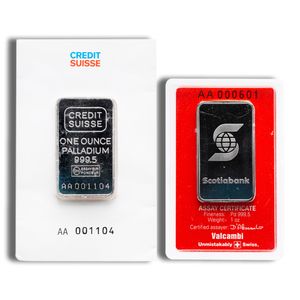
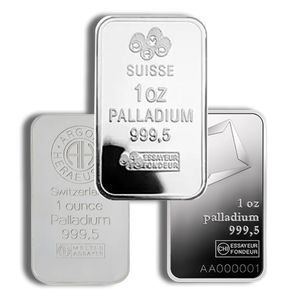
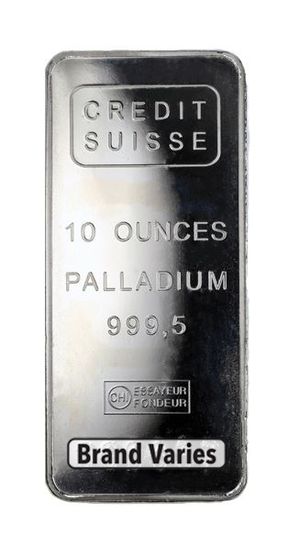
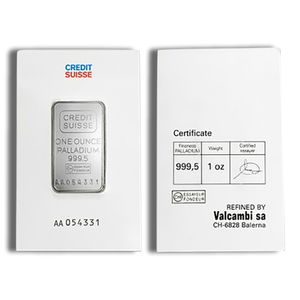
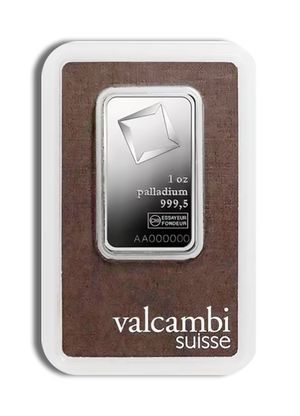
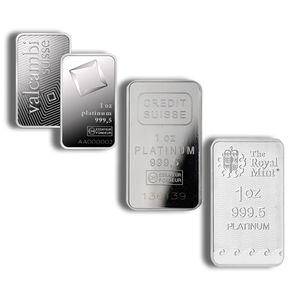
Palladium bars in the 50 gram format represent a practical entry point into one of the rarest and most industrially significant metals in the precious metals market. Weighing 1.6075 troy ounces and refined to .9995 fine palladium, these bars carry standardized specifications that make them straightforward to evaluate and trade. We source bars from a rotating selection of reputable global refineries, which means the specific brand may vary, but the metal content and purity remain consistent across every piece.
Because palladium is one of the thinner markets in the bullion space, selecting a well-specified product format matters more than it might with gold or silver. The 50 gram size strikes a balance between manageable unit pricing and meaningful metal content, making it a recognized format among buyers who want physical palladium exposure without committing to a full kilo bar.
History and Background
Palladium was discovered in 1803 by English chemist William Hyde Wollaston and named after the asteroid Pallas, which had been discovered around the same time. For much of the twentieth century, palladium occupied a secondary role in…
Overview of 50 Gram Palladium Bar (Random Brand)
Palladium bars in the 50 gram format represent a practical entry point into one of the rarest and most industrially significant metals in the precious metals market. Weighing 1.6075 troy ounces and refined to .9995 fine palladium, these bars carry standardized specifications that make them straightforward to evaluate and trade. We source bars from a rotating selection of reputable global refineries, which means the specific brand may vary, but the metal content and purity remain consistent across every piece.
Because palladium is one of the thinner markets in the bullion space, selecting a well-specified product format matters more than it might with gold or silver. The 50 gram size strikes a balance between manageable unit pricing and meaningful metal content, making it a recognized format among buyers who want physical palladium exposure without committing to a full kilo bar.
History and Background
Palladium was discovered in 1803 by English chemist William Hyde Wollaston and named after the asteroid Pallas, which had been discovered around the same time. For much of the twentieth century, palladium occupied a secondary role in the platinum group metals market, overshadowed by platinum and gold in both industrial and investment demand. That changed significantly in the 1990s and 2000s as catalytic converter technology in the automotive industry began shifting from platinum to palladium as the preferred metal for emissions control systems.
Palladium bullion bars entered the market as refineries recognized growing demand from industrial users and institutional buyers who wanted exposure to the metal in a standardized physical form. Producers such as Norilsk Nickel, PAMP Suisse, Valcambi, and other LBMA-accredited refineries began issuing palladium bars to meet that demand. The 50 gram size became a practical format for buyers seeking a middle ground between smaller fractional pieces and larger bars, and it remains a recognized configuration in today's palladium market.
Design and Aesthetics
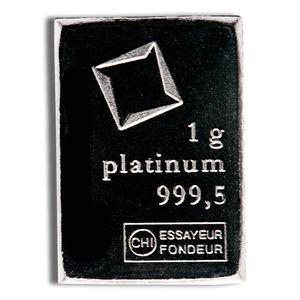
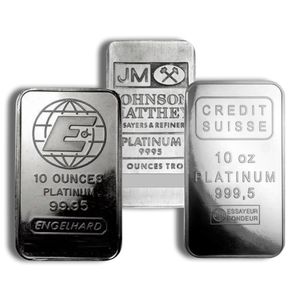
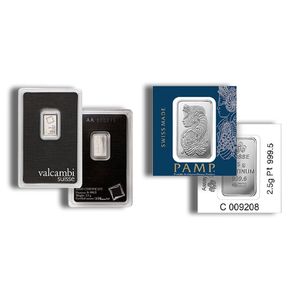
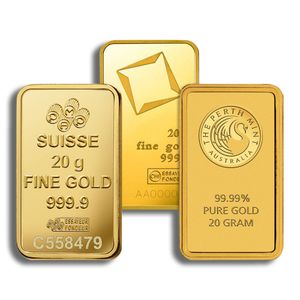
Palladium bars in this category are produced by various refineries, so specific design elements may differ from one piece to another. Most feature a clean, rectangular form with a smooth or lightly brushed surface finish that reflects the precision of industrial-grade refining. Stamped information typically includes the bar's weight, metal purity, and the refinery's name or hallmark, along with a unique serial number on many brands.
The overall aesthetic is utilitarian rather than decorative, which is characteristic of investment-grade palladium bars as a category. Text engravings are sharp and clearly struck, and the combination of weight, purity, and hallmark stamping serves both identification and verification purposes. Because these bars come from varied producers, surface finishes and layout details may differ, but the core stamped specifications remain standardized.
Authenticity and Product Integrity
Every palladium bar we carry is verified for weight and purity before it is made available to customers. Palladium bullion carries a .9995 fineness standard, which is consistent with LBMA good delivery specifications and the internal standards maintained by the major refineries that produce bars in this format. These refineries operate under strict quality controls that govern every stage of the casting and stamping process.
We authenticate products through established relationships with reputable refineries, wholesalers, and distributors. When relevant, graded or certified palladium products are handled through our authorized dealer relationships with PCGS and NGC, though bars of this type are typically traded as raw bullion rather than certified pieces. Serial numbers on individual bars provide an additional layer of traceability that supports confidence in the product's integrity.
Condition and Packaging
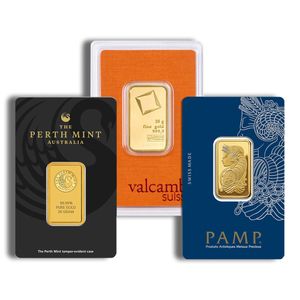
These bars are sold in bullion condition, meaning they are ungraded and handled as standard trade merchandise rather than collectibles. Individual bars ship in protective plastic flips to minimize surface contact during handling and transit. For larger quantities, bars are typically packaged in sealed lots consistent with standard industry practice for the format.
Because bars in this category may be sourced from the secondary market in addition to primary channels, buyers should expect that minor contact marks, surface toning, or light handling signs may occasionally be present. These characteristics are normal for traded bullion and have no bearing on the bar's metal content or weight. The palladium value of the bar is fully intact regardless of surface cosmetics.
Pricing and Market Factors
Palladium pricing is driven by the live spot price of the metal, which fluctuates continuously based on global supply and demand dynamics. The palladium market is considerably smaller and less liquid than gold or silver, which means premiums and price movements can be more pronounced. Supply is heavily concentrated among a small number of producers, with Norilsk Nickel in Russia accounting for a significant share of global mine output, which adds a structural sensitivity to geopolitical and supply chain developments.
Premiums on 50 gram palladium bars reflect the cost of refining, fabrication, and distribution, along with the relatively limited number of producers and the tighter secondary market compared to gold or silver. Our pricing is structured around real-time spot prices and updated to reflect current market conditions, giving buyers a transparent basis for evaluating what they are paying relative to the underlying metal.
Selling and Liquidity
Palladium bars are recognized across the wholesale market and can be sold through dealers, refineries, and institutional buyers who trade platinum group metals. The standardized weight and .9995 purity of these bars make them straightforward to evaluate in any resale context, since buyers can confirm metal content without additional testing when the bar carries a recognized hallmark. The 50 gram format is a known configuration within the palladium market, which supports its tradability relative to non-standard sizes.
We operate a two-way market that supports both purchases and sales of palladium through competitive buyback pricing. Understanding the resale side of a transaction before buying is something we actively encourage, and our platform is designed to reflect current bid pricing so customers can evaluate the full cost of ownership rather than focusing solely on the purchase price. Liquidity in the palladium market is narrower than in gold or silver, which makes having clear and current buyback pricing particularly relevant for this metal.
Why Buy a 50 Gram Palladium Bar?
The 50 gram format occupies a practical position in the palladium market, offering meaningful metal content at a unit size that is more accessible than a larger bar without the higher per-ounce premiums that typically accompany fractional pieces. For buyers who want direct physical exposure to palladium rather than paper-based instruments, a bar at this weight represents a straightforward and standardized way to hold the metal.
Palladium's industrial demand profile is distinct from that of other precious metals, with the automotive sector representing a structurally significant source of consumption. Physical bars allow buyers to hold palladium in a tangible, portable form that requires no counterparty and is not subject to the same risks that accompany derivatives or exchange-traded products. The .9995 purity standard also ensures that the bar is compatible with a wide range of international trading and refining standards, supporting its usability in multiple markets.
Why Buy from Bullion Standard?
We have been operating in the precious metals market since 2010, and our approach to buying and selling has been built on transparency and long-term customer trust rather than pressure-based sales tactics. Our pricing reflects real-time market conditions, and we display bid and ask spreads on product pages so customers can evaluate the true cost of ownership rather than just the premium above spot. That level of pricing clarity is particularly relevant for a metal like palladium, where market depth and spread dynamics can vary meaningfully.
Our two-way market model means that when you are ready to sell, you can do so within the same platform using competitive wholesale buyback pricing rather than searching for a separate buyer. We maintain an A rating with the Better Business Bureau and hold memberships in both the American Numismatic Association and the National Coin and Bullion Association. Every product is authenticated and verified before it reaches you, and our team is available to support you through the purchasing process and beyond.
Get Near-Spot Pricing with Bullion Standard Pro
Bullion Standard Pro gives members access to live, executable wholesale bid and ask pricing, which is especially relevant for a market as sensitive as palladium where spreads and premiums can shift materially based on supply conditions. Rather than relying on static retail prices, Pro members transact at real wholesale market levels that reflect current supply and demand, without additional dealer markups layered on top. This creates a more transparent and efficient pricing environment for both buying and selling.
Pro membership also includes real-time portfolio valuation based on live wholesale bid pricing, which gives palladium holders a clearer picture of what their holdings are worth in current market conditions rather than using estimated retail values. Proprietary research and comparison tools allow members to evaluate premiums, bid/ask spreads, and liquidity metrics across the palladium market and the broader precious metals catalog, supporting more objective purchasing and selling decisions based on current market data.
Flexible and Secure Payment Options
We support a wide range of payment methods to make purchasing straightforward and secure. Customers can pay using Visa, Mastercard, American Express, or Discover, as well as PayPal, bank-connected payments through Plaid, wire transfer, paper check, or cryptocurrency through BitPay. Each method is processed through a secure transaction environment designed to protect your information and support a reliable buying experience from checkout through delivery.
Palladium bars in the 50 gram format represent a practical entry point into one of the rarest and most industrially significant metals in the precious metals market. Weighing 1.6075 troy ounces and refined to .9995 fine palladium, these bars carry standardized specifications that make them straightforward to evaluate and trade. We source bars from a rotating selection of reputable global refineries, which means the specific brand may vary, but the metal content and purity remain consistent across every piece.
Because palladium is one of the thinner markets in the bullion space, selecting a well-specified product format matters more than it might with gold or silver. The 50 gram size strikes a balance between manageable unit pricing and meaningful metal content, making it a recognized format among buyers who want physical palladium exposure without committing to a full kilo bar.
History and Background
Palladium was discovered in 1803 by English chemist William Hyde Wollaston and named after the asteroid Pallas, which had been discovered around the same time. For much of the twentieth century, palladium occupied a secondary role in…
Overview of 50 Gram Palladium Bar (Random Brand)
Palladium bars in the 50 gram format represent a practical entry point into one of the rarest and most industrially significant metals in the precious metals market. Weighing 1.6075 troy ounces and refined to .9995 fine palladium, these bars carry standardized specifications that make them straightforward to evaluate and trade. We source bars from a rotating selection of reputable global refineries, which means the specific brand may vary, but the metal content and purity remain consistent across every piece.
Because palladium is one of the thinner markets in the bullion space, selecting a well-specified product format matters more than it might with gold or silver. The 50 gram size strikes a balance between manageable unit pricing and meaningful metal content, making it a recognized format among buyers who want physical palladium exposure without committing to a full kilo bar.
History and Background
Palladium was discovered in 1803 by English chemist William Hyde Wollaston and named after the asteroid Pallas, which had been discovered around the same time. For much of the twentieth century, palladium occupied a secondary role in the platinum group metals market, overshadowed by platinum and gold in both industrial and investment demand. That changed significantly in the 1990s and 2000s as catalytic converter technology in the automotive industry began shifting from platinum to palladium as the preferred metal for emissions control systems.
Palladium bullion bars entered the market as refineries recognized growing demand from industrial users and institutional buyers who wanted exposure to the metal in a standardized physical form. Producers such as Norilsk Nickel, PAMP Suisse, Valcambi, and other LBMA-accredited refineries began issuing palladium bars to meet that demand. The 50 gram size became a practical format for buyers seeking a middle ground between smaller fractional pieces and larger bars, and it remains a recognized configuration in today's palladium market.
Design and Aesthetics
Palladium bars in this category are produced by various refineries, so specific design elements may differ from one piece to another. Most feature a clean, rectangular form with a smooth or lightly brushed surface finish that reflects the precision of industrial-grade refining. Stamped information typically includes the bar's weight, metal purity, and the refinery's name or hallmark, along with a unique serial number on many brands.
The overall aesthetic is utilitarian rather than decorative, which is characteristic of investment-grade palladium bars as a category. Text engravings are sharp and clearly struck, and the combination of weight, purity, and hallmark stamping serves both identification and verification purposes. Because these bars come from varied producers, surface finishes and layout details may differ, but the core stamped specifications remain standardized.
Authenticity and Product Integrity
Every palladium bar we carry is verified for weight and purity before it is made available to customers. Palladium bullion carries a .9995 fineness standard, which is consistent with LBMA good delivery specifications and the internal standards maintained by the major refineries that produce bars in this format. These refineries operate under strict quality controls that govern every stage of the casting and stamping process.
We authenticate products through established relationships with reputable refineries, wholesalers, and distributors. When relevant, graded or certified palladium products are handled through our authorized dealer relationships with PCGS and NGC, though bars of this type are typically traded as raw bullion rather than certified pieces. Serial numbers on individual bars provide an additional layer of traceability that supports confidence in the product's integrity.
Condition and Packaging
These bars are sold in bullion condition, meaning they are ungraded and handled as standard trade merchandise rather than collectibles. Individual bars ship in protective plastic flips to minimize surface contact during handling and transit. For larger quantities, bars are typically packaged in sealed lots consistent with standard industry practice for the format.
Because bars in this category may be sourced from the secondary market in addition to primary channels, buyers should expect that minor contact marks, surface toning, or light handling signs may occasionally be present. These characteristics are normal for traded bullion and have no bearing on the bar's metal content or weight. The palladium value of the bar is fully intact regardless of surface cosmetics.
Pricing and Market Factors
Palladium pricing is driven by the live spot price of the metal, which fluctuates continuously based on global supply and demand dynamics. The palladium market is considerably smaller and less liquid than gold or silver, which means premiums and price movements can be more pronounced. Supply is heavily concentrated among a small number of producers, with Norilsk Nickel in Russia accounting for a significant share of global mine output, which adds a structural sensitivity to geopolitical and supply chain developments.
Premiums on 50 gram palladium bars reflect the cost of refining, fabrication, and distribution, along with the relatively limited number of producers and the tighter secondary market compared to gold or silver. Our pricing is structured around real-time spot prices and updated to reflect current market conditions, giving buyers a transparent basis for evaluating what they are paying relative to the underlying metal.
Selling and Liquidity
Palladium bars are recognized across the wholesale market and can be sold through dealers, refineries, and institutional buyers who trade platinum group metals. The standardized weight and .9995 purity of these bars make them straightforward to evaluate in any resale context, since buyers can confirm metal content without additional testing when the bar carries a recognized hallmark. The 50 gram format is a known configuration within the palladium market, which supports its tradability relative to non-standard sizes.
We operate a two-way market that supports both purchases and sales of palladium through competitive buyback pricing. Understanding the resale side of a transaction before buying is something we actively encourage, and our platform is designed to reflect current bid pricing so customers can evaluate the full cost of ownership rather than focusing solely on the purchase price. Liquidity in the palladium market is narrower than in gold or silver, which makes having clear and current buyback pricing particularly relevant for this metal.
Why Buy a 50 Gram Palladium Bar?
The 50 gram format occupies a practical position in the palladium market, offering meaningful metal content at a unit size that is more accessible than a larger bar without the higher per-ounce premiums that typically accompany fractional pieces. For buyers who want direct physical exposure to palladium rather than paper-based instruments, a bar at this weight represents a straightforward and standardized way to hold the metal.
Palladium's industrial demand profile is distinct from that of other precious metals, with the automotive sector representing a structurally significant source of consumption. Physical bars allow buyers to hold palladium in a tangible, portable form that requires no counterparty and is not subject to the same risks that accompany derivatives or exchange-traded products. The .9995 purity standard also ensures that the bar is compatible with a wide range of international trading and refining standards, supporting its usability in multiple markets.
Why Buy from Bullion Standard?
We have been operating in the precious metals market since 2010, and our approach to buying and selling has been built on transparency and long-term customer trust rather than pressure-based sales tactics. Our pricing reflects real-time market conditions, and we display bid and ask spreads on product pages so customers can evaluate the true cost of ownership rather than just the premium above spot. That level of pricing clarity is particularly relevant for a metal like palladium, where market depth and spread dynamics can vary meaningfully.
Our two-way market model means that when you are ready to sell, you can do so within the same platform using competitive wholesale buyback pricing rather than searching for a separate buyer. We maintain an A rating with the Better Business Bureau and hold memberships in both the American Numismatic Association and the National Coin and Bullion Association. Every product is authenticated and verified before it reaches you, and our team is available to support you through the purchasing process and beyond.
Get Near-Spot Pricing with Bullion Standard Pro
Bullion Standard Pro gives members access to live, executable wholesale bid and ask pricing, which is especially relevant for a market as sensitive as palladium where spreads and premiums can shift materially based on supply conditions. Rather than relying on static retail prices, Pro members transact at real wholesale market levels that reflect current supply and demand, without additional dealer markups layered on top. This creates a more transparent and efficient pricing environment for both buying and selling.
Pro membership also includes real-time portfolio valuation based on live wholesale bid pricing, which gives palladium holders a clearer picture of what their holdings are worth in current market conditions rather than using estimated retail values. Proprietary research and comparison tools allow members to evaluate premiums, bid/ask spreads, and liquidity metrics across the palladium market and the broader precious metals catalog, supporting more objective purchasing and selling decisions based on current market data.
Flexible and Secure Payment Options
We support a wide range of payment methods to make purchasing straightforward and secure. Customers can pay using Visa, Mastercard, American Express, or Discover, as well as PayPal, bank-connected payments through Plaid, wire transfer, paper check, or cryptocurrency through BitPay. Each method is processed through a secure transaction environment designed to protect your information and support a reliable buying experience from checkout through delivery.
This website uses cookies for analytics and to deliver personalized content. By continuing to
use our site, you acknowledge that you have read and agree to our Privacy Policy and Cookie
Policy.
Current Quantities Available
Unfortunately, we only have 0
of
this item in
stock.
Please call us at (833) 278-4653
or email us at support@bullionstandard.com
if you wish to purchase a larger quantity than what is available on our website.
We can often locate additional quantities.

 (833) 278-4653


.png)