Buy Morgan Silver Dollars Online
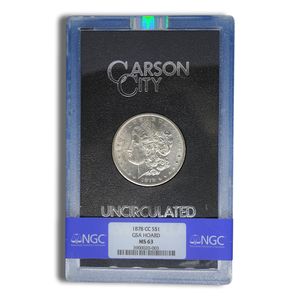
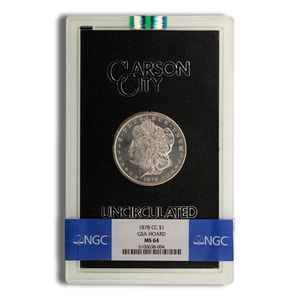
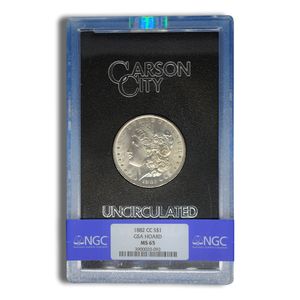
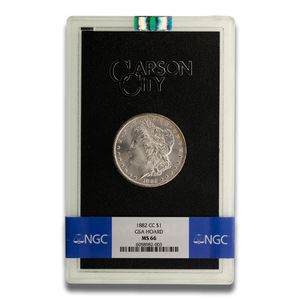
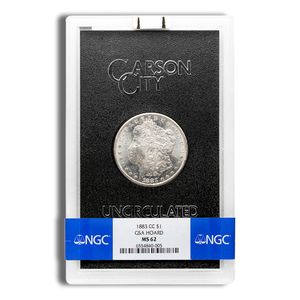
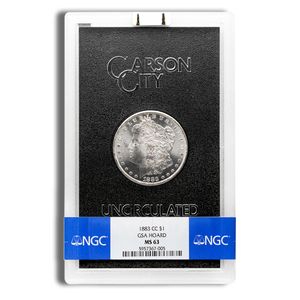
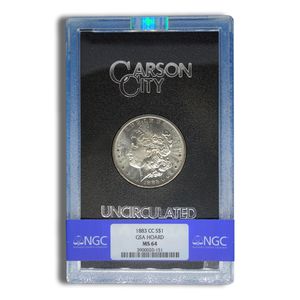
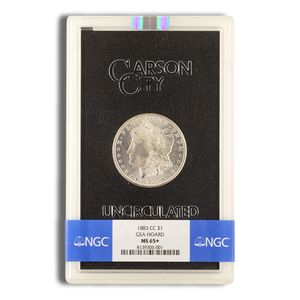
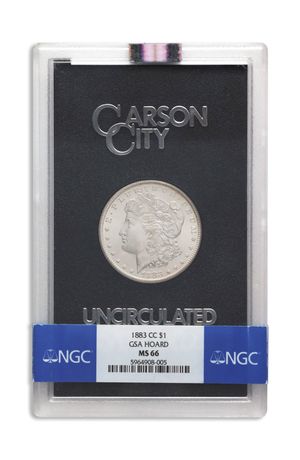
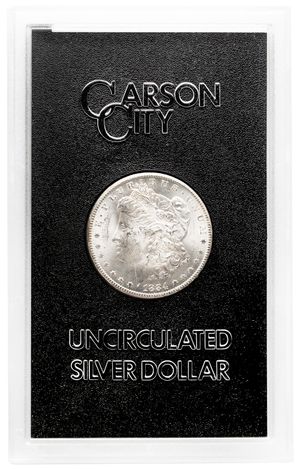
Our catalog of morgan silver dollars covers an extensive range of grades, mint marks, and certified options sourced from the United States Mint. Whether you're looking for a circulated 1878–1904 random year dollar in Cull, Good, Fine, or XF condition, a Brilliant Uncirculated example from 1921, or a GSA-packaged Carson City dollar graded by NGC or PCGS, you'll find specific product listings that match your target grade and budget across the full product grid above.
The selection spans raw circulated dollars, graded NGC and PCGS slabs from MS60 through MS67, toned examples, and GSA-packaged coins from key Carson City dates including 1878-CC through 1891-CC. San Francisco Mint examples graded NGC MS65 for the 1880-S and 1881-S are also available. That breadth makes it possible to build a date-specific collection or add graded examples to an existing set without hunting across multiple sources.
Bullion Standard is headquartered in San Diego and operates as a transparent, two-sided marketplace where pricing reflects real-time market conditions rather than fixed retail markups. Every morgan silver dollar listed here has been verified for authenticity, weight, and purity before reaching our customers, and our pricing structure is designed to give you a clear picture of both the acquisition cost and the expected resale value at the time of purchase.
What Are Morgan Silver Dollars?
Morgan silver dollars are 90% fine silver one-dollar coins originally produced by the United States Mint between 1878 and 1904, then again in 1921. Each coin contains 0.7734 troy ounces of pure silver in a 26.73-gram planchet measuring 38.1 millimeters in diameter and 2.4 millimeters thick. The design was created by U.S. Mint engraver George T. Morgan, whose initial appears on the truncation of Lady Liberty's neck on the obverse and above the tail feathers on the reverse.
Unlike modern bullion coins such as American Silver Eagles, morgan silver dollars were not produced as bullion products. They circulated as legal tender throughout the late 19th and early 20th centuries, which means surviving examples span a wide spectrum of wear from heavily circulated Culls to original mint-state coins that never left bank vaults. That range of condition creates a tiered market where buyers can choose products based on their priorities, whether that's silver content at the lowest possible premium, a collectible mid-grade example, or a professionally certified gem coin.
The morgan dollar occupies an unusual position in the precious metals market because it appeals simultaneously to bullion buyers focused on silver content, numismatists who value specific dates, mint marks, and die varieties, and collectors who simply appreciate the classic American design. That overlap between the bullion and numismatic markets influences how morgan silver dollars are priced, graded, and traded.
History and Background
The morgan dollar emerged from the Bland-Allison Act of 1878, which required the U.S. Treasury to purchase a set quantity of domestic silver each month and coin it into silver dollars. The legislation was a political response to pressure from silver mining interests in the western United States, particularly from mines operating in Nevada and other territories. The Carson City Mint, San Francisco Mint, New Orleans Mint, and Philadelphia Mint all struck morgan dollars during the series, each imparting a distinct mint mark that remains a major factor in numismatic valuation today.
Production ran continuously from 1878 through 1904, when the Treasury's silver stockpile was exhausted and coinage stopped. The design briefly returned in 1921 before being replaced by the Peace dollar later that year. Hundreds of millions of morgan dollars were struck over the course of the series, but a significant portion were melted under the Pittman Act of 1918, which authorized the destruction of up to 350 million silver dollars to sell silver to Great Britain. Additional coins were melted in subsequent decades, which reduced surviving populations for certain dates and mint marks considerably.
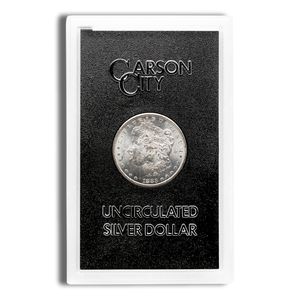
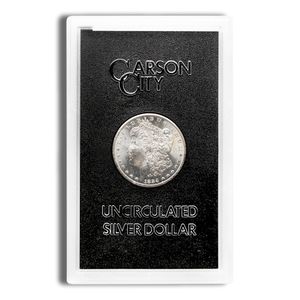
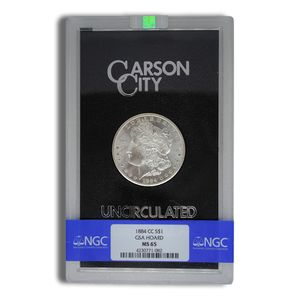
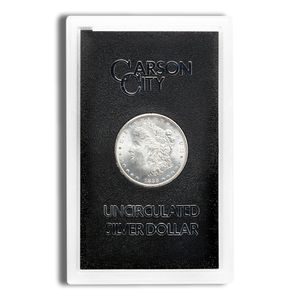
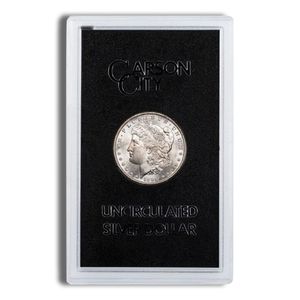
In the early 1970s, the General Services Administration sold hundreds of thousands of previously held Carson City morgan dollars through a series of government auctions. These GSA dollars were distributed in distinctive hard plastic holders with foam backing and are still available today with original GSA packaging intact. The GSA sales program is a well-documented chapter in modern bullion market history and remains the source of most original-holder CC-mint morgan dollars currently in circulation.
Purity, Weight, and Specifications
Every morgan silver dollar struck between 1878 and 1921 shares the same standard specifications. The coins are composed of 90% silver and 10% copper, with a gross weight of 26.73 grams and a fine silver content of 0.7734 troy ounces. That composition is often referred to as "coin silver" and is the same alloy used across the major U.S. silver coinage series of the 19th century, including the Trade dollar, Seated Liberty dollar, and Barber coinage.
The 38.1-millimeter diameter and reeded edge design are consistent across all dates and mint facilities. Coins carry either no mint mark (Philadelphia) or a single letter designation: "CC" for Carson City, "S" for San Francisco, "O" for New Orleans, or "D" for Denver, which only struck morgan dollars in 1921. The mint mark is located on the reverse beneath the eagle and above the "DO" in "DOLLAR."
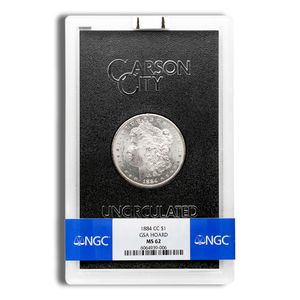
For certified examples, both NGC and PCGS encapsulate coins in tamper-evident plastic slabs that display the assigned grade, certification number, and any special designations such as "Toned" or variety attributions. These slabs standardize the verification and trading process and are the industry benchmark for establishing grade and authenticity in the numismatic market.
Available Brands, Mints, and Product Variations
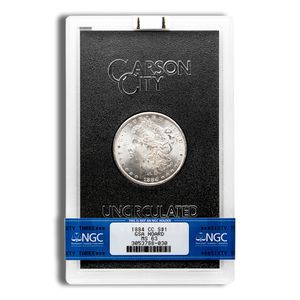
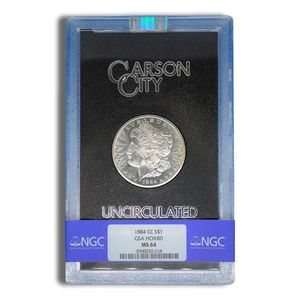
All morgan silver dollars in our catalog were produced by the United States Mint, which operated multiple branch facilities during the series. The Carson City Mint is the most represented in our current selection, with GSA-holder examples available across years from 1878 through 1891. The GSA packaging includes the original hard plastic shell and, where applicable, an accompanying government box and Certificate of Authenticity. These original-holder examples are offered in raw BU condition as well as NGC-graded slabs spanning MS62 through MS66 for most Carson City dates.
The 1878–1904 and 1921 random year product lines provide an accessible entry point for buyers prioritizing silver content over specific dates. These are offered across a full grade range from Cull and Good through Fine, XF, AU, and BU, giving buyers the ability to select the quality tier that matches their goals. Random year products are drawn from available inventory across all eligible dates and mint marks within the stated range, which means the specific date received will vary.
NGC-certified products span MS60 through MS66 and include both standard and Toned designations across the random year 1878–1904 range. PCGS-certified examples are similarly available from MS60-MS62 through MS67, including Toned variants at several grade points. The availability of both grading services allows buyers to choose based on registry eligibility, personal preference, or the specific certification that fits their collecting or trading approach. Specialist listings including the 1880-CC Rev 78 and 1880/79-CC overdate variety are also represented, reflecting the broader range of die variety coins available within this series.
Pricing, Premiums, and Market Factors
Morgan silver dollar pricing is determined by two distinct components: the intrinsic silver value based on the spot price of silver and the premium above spot driven by numismatic demand, certification, date scarcity, and grade. For circulated random year coins in lower grades such as Cull, Good, or Fine, premiums tend to remain close to the silver content value. As condition improves into the AU and BU ranges, premiums increase to reflect collector demand and availability. Certified mint-state examples carry significantly higher premiums tied to the assigned grade, the grading service, and any special designations.
Specific Carson City dates, key varieties such as the 1880-CC Reverse of 1878, and overdate coins like the 1880/79-CC typically trade at premiums well above their generic counterparts, even at equivalent grades. Toned coins graded by NGC or PCGS can carry additional premiums when the toning is considered original and aesthetically desirable by the market. These dynamics are specific to the numismatic side of the morgan dollar market and reflect collector demand that operates independently of the underlying spot price.
Bullion Standard displays pricing in real time, reflecting current market conditions rather than static markups. The bid/ask spread shown on each product page provides transparency into both the purchase price and the expected buyback value at any given moment, allowing buyers to evaluate the full cost of ownership before completing a transaction. Premium levels and spread widths are product-specific and will fluctuate as market conditions, inventory levels, and demand shift over time.
Condition, Packaging, and What to Expect
Circulated morgan silver dollars are offered across clearly defined grade tiers. Cull coins are heavily worn, may have rim damage, scratches, or other significant surface issues, and are valued primarily for their silver content. Good and Fine examples retain clearer design details and are appropriate for buyers who want a presentable circulated coin at a modest premium. XF and AU coins show progressively less wear with most design elements sharp and some mint luster remaining in protected areas. BU examples are uncirculated coins that have not seen circulation, though surface marks, contact marks, and variations in luster are normal for coins in this category.
GSA-packaged Carson City dollars arrive in the distinctive original U.S. government plastic holder. These holders are not standardized in terms of cosmetic condition and may show age-related wear on the outer plastic or foam insert. Where product listings indicate "with Box and COA," the original government box and Certificate of Authenticity are included. Not all GSA holders are in pristine condition, and the coin inside should be evaluated on its own merits based on the assigned grade or stated condition.
NGC and PCGS certified coins arrive in sealed, tamper-evident plastic slabs that preserve the coin's grade and protect it from handling damage. Toned designations are assigned by the grading service based on the determination that the toning is original and consistent with natural aging rather than artificial treatment. Random year products, by definition, will be fulfilled from available inventory, and the specific date provided will vary based on current stock. No date requests or substitutions can be accommodated for random year listings.
Authenticity and Verification
Every morgan silver dollar sold through Bullion Standard is verified for authenticity before it reaches the customer. Raw circulated coins sourced through wholesale channels are examined against known characteristics of genuine U.S. Mint coinage, including correct weight, diameter, reeding, and design details. Bullion Standard is an authorized dealer for both NGC and PCGS, which means certified coins sold on our platform are confirmed to carry genuine slabs from those grading services.
NGC and PCGS slabs include unique certification numbers that can be independently verified through each grading service's online registry. This provides buyers with an additional layer of confidence that the coin matches its stated grade and has not been tampered with. The encapsulation process itself serves as a form of anti-counterfeiting protection, as breaking and re-sealing a genuine slab without detection is not feasible using commercially available tools.
For GSA-holder coins, buyers should be aware that the government packaging is a known format and well-documented in the collector market. Counterfeiting of GSA holders does exist in the secondary market, which is one reason sourcing through a reputable and accredited dealer matters. Our purchasing process includes verification of GSA packaging authenticity as part of standard acquisition procedures.
Liquidity and Resale Considerations
Morgan silver dollars are among the most widely traded coins in the numismatic and bullion markets. The series is well-established, universally recognized by dealers and collectors, and supported by active secondary markets through coin shops, auction houses, online platforms, and dealer networks. That broad market participation contributes to relatively consistent resale activity across the grade spectrum, from circulated silver content buyers to high-grade certified collectors.
Generic circulated morgan dollars in Cull through VF condition are typically bought and sold close to their silver melt value, making them straightforward to trade in quantity. Certified examples are subject to more specific market demand, where liquidity depends on grade, date, certification service, and current collector interest in specific segments. Coins graded in the MS63 through MS65 range by NGC or PCGS tend to have the broadest buyer base within the certified market, while MS66 and above examples serve a narrower audience of registry set collectors willing to pay significant premiums.
Key date and variety coins, including Carson City issues and overdates, can be illiquid relative to common date material because their buyer base is smaller and more specialized. Understanding this distinction before purchasing is important, as resale timelines and available bids for these coins may differ meaningfully from those of generic examples at equivalent grades.
Storage and Security
Raw circulated morgan silver dollars are durable and relatively resistant to environmental damage given their coin silver alloy and history of circulation, but they should still be stored in conditions that prevent additional scratching, toning acceleration, or contamination. Individual coin flips, tubes, or airtight plastic capsules are appropriate for short-term storage. Long-term storage in a cool, dry environment away from direct light, humidity, and reactive materials such as sulfur-containing plastics will minimize further chemical change to the coin's surface.
NGC and PCGS slabs offer meaningful physical and environmental protection for certified examples. Slabs should be stored upright or flat in a stable environment without excessive temperature fluctuation. Stacking slabs horizontally in large quantities over extended periods can cause cosmetic damage to the outer plastic, and individual slab cases or foam-lined storage boxes are recommended for serious collectors or investors holding multiple certified coins.
GSA-holder coins present a specific storage consideration because the original plastic holder and box are part of the collectible value for some buyers. These should be stored flat, away from direct light, and in a stable humidity environment to prevent the foam insert from degrading. For larger holdings, home safes rated for both fire and theft resistance, bank safe deposit boxes, or third-party vault storage through a reputable custodian are all viable options depending on the size and value of the position.
Selling and Buyback Options
Bullion Standard operates as a two-sided marketplace, meaning we actively purchase morgan silver dollars across a range of grades and product types rather than functioning as a one-directional retail outlet. This buyback capability is built into our platform and reflected in the bid price displayed on each product page, which updates in real time based on current market conditions, product type, grade, and certification status.
Buyback pricing for morgan silver dollars is influenced by several factors including the specific product, assigned grade, grading service, condition of the packaging, and current market demand for that particular segment. Generic circulated examples in quantity are typically purchased close to their melt-equivalent bid, while certified coins are evaluated based on the grade, service, and current secondary market activity for that particular coin type. GSA-holder Carson City dollars with original packaging generally carry better bids than the same coin in a generic holder or without the original materials.
Customers looking to sell can initiate the process through our platform, where the purchasing team reviews submissions and provides pricing based on a transparent, market-driven model. Understanding your product's current bid before making a purchase is one of the most practical ways to evaluate the true cost of ownership, and our product pages are designed to make that information accessible at the time of the buying decision rather than only when you're ready to sell.
Why Buy Morgan Silver Dollars?
Morgan silver dollars occupy a unique position because they function as both silver bullion and numismatic collectibles, which creates purchasing appeal across multiple buyer profiles. A circulated Cull or Good example provides exposure to 0.7734 troy ounces of 90% fine silver at a premium that often stays close to melt, giving bullion-focused buyers access to a recognizable and widely traded silver format. The same coin in a higher circulated grade attracts a different type of buyer who values the design, historical significance, and visual appeal of a well-preserved example.
For collectors, the morgan dollar series offers significant depth. Hundreds of date and mint mark combinations exist, along with documented die varieties such as overdates, reverse varieties, and VAM attributions that create opportunities for specialized collecting across nearly any budget. The Carson City Mint's relatively low mintage figures for many dates make CC-mint examples particularly sought after by date-set collectors, and the availability of original GSA-holder coins preserves that connection to the coin's documented history.
The combination of intrinsic silver value, wide market recognition, deep numismatic interest, and well-documented certification infrastructure makes morgan silver dollars one of the most versatile formats in the silver coin market. Whether the priority is silver content, collectibility, or access to a specific certified grade, the series provides more specific buying options within a single product type than almost any other U.S. silver coin series.
Why Buy from Bullion Standard?
Bullion Standard has been operating as a trusted precious metals dealer since 2010, and our reputation is grounded in a straightforward commitment: transparent pricing, authentic products, and honest communication with customers at every stage of the transaction. We maintain an A rating with the Better Business Bureau, hold active memberships with the American Numismatic Association (ANA) and the National Coin and Bullion Association (NCBA), and serve as an authorized dealer for both PCGS and NGC.
Every morgan silver dollar sold through our platform has been verified for authenticity, and certified coins are confirmed through their respective grading service registries. Our product pages display real-time bid and ask pricing rather than static markups, which gives buyers a complete picture of what a product costs to acquire and what it's currently worth to sell back into the market. That level of pricing transparency is central to how we operate and reflects our belief that informed buyers make better decisions.
Checkout is supported by a wide range of payment methods including Visa, Mastercard, American Express, Discover, PayPal, bank-connected payments through Plaid, wire transfer, paper check, and cryptocurrency through BitPay. Fulfillment is handled through a reliable shipping process with secure packaging, and our customer service team is accessible for questions before, during, and after a purchase. Our goal is to make the entire experience straightforward, from browsing the product grid to receiving your order and understanding your options when it's time to sell.
Get Near-Spot Pricing with Bullion Standard Pro
Bullion Standard Pro is designed for buyers who want more than a standard retail purchasing experience. Members gain access to live, executable wholesale bid and ask pricing across a broad range of precious metals products, including morgan silver dollars across multiple grades and certification tiers. Rather than displaying indicative prices with dealer markups layered on top, Pro pricing reflects real-time wholesale market conditions and does not apply additional dealer spreads to member transactions.
For buyers who transact regularly or who are price-sensitive to premiums and spreads, the efficiency gain is meaningful. Premiums and bid/ask spreads on Pro fluctuate based on underlying market supply and demand rather than fixed retail pricing structures, which means members can identify when specific products are trading at more favorable levels relative to their historical ranges. The platform also provides access to historical premium analytics, spread analysis, liquidity metrics, and portfolio valuation based on live wholesale bid pricing, which gives members a clearer picture of what their holdings are actually worth in the current market.
The broader goal of Bullion Standard Pro is to reduce the information asymmetry that has traditionally characterized the physical precious metals market. By providing access to the same market intelligence and pricing transparency that more established financial markets take for granted, we aim to help serious buyers make better decisions based on objective, real-time data rather than assumptions. For anyone purchasing morgan silver dollars with regularity or building a substantial position across multiple grades and dates, the tools available through Pro are designed to make that process more informed and more efficient.


 (833) 278-4653