Buy 90% Silver Half Dollars Online
Our catalog of 90% silver half dollars brings together some of the most recognized pre-1965 American coinage available in the bullion market today, alongside select transitional and commemorative issues. You'll find Walking Liberty halves, Franklin halves, Barber halves, and 1964 Kennedy halves in a range of circulated and uncirculated grades, all struck at 90% silver purity and sold by the dollar of face value. Each listing reflects real products sourced from the United States Mint's legacy production, with transparent specifications including metal content, weight, and condition grade displayed clearly before you buy.
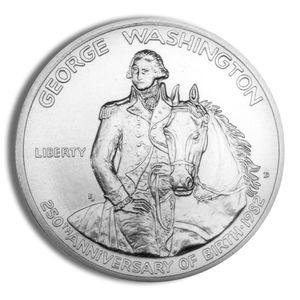
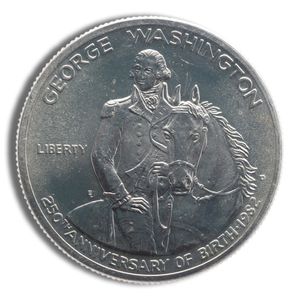
Beyond the classic 90% silver offerings, our catalog also includes 40% silver Kennedy half dollars from the 1965 to 1969 transition years, available in both circulated and BU condition. Specialty issues like the 1982 George Washington commemorative half dollar and 1964 Kennedy proof strikes round out a product selection that spans multiple design series, grades, and formats. Whether you're sourcing common-date circulation pieces or higher-grade examples, the breadth here reflects genuine depth across what the U.S. Mint produced throughout its silver coinage era.
Bullion Standard prices all of these products against real-time silver spot with clear premium disclosures on every product page. Our two-way market structure means you can evaluate both acquisition cost and expected resale value before making any purchase, which we think is the right way to approach any precious metals transaction.
What Are 90% Silver Half Dollars?
The term "90% silver half dollar" refers specifically to United States-issued half dollar coins produced before 1965 that contain 90% silver and 10% copper by composition. At that purity level, each individual coin contains approximately 0.3575 troy ounces of pure silver, and a two-coin, one-dollar face value lot contains approximately 0.715 troy ounces. This standardized silver content makes the coins straightforward to price and trade within the bullion market, since the metal value can be calculated directly from the current silver spot price.
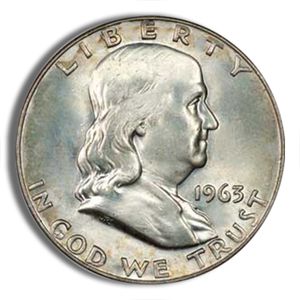
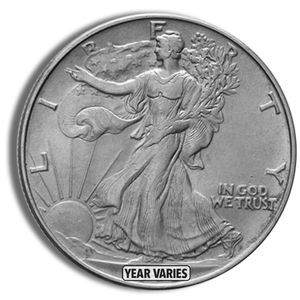
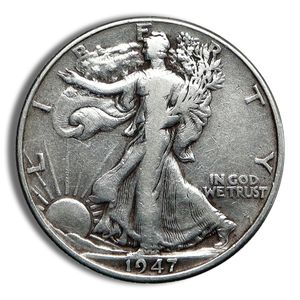
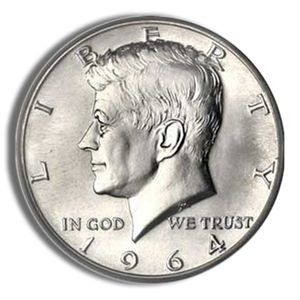
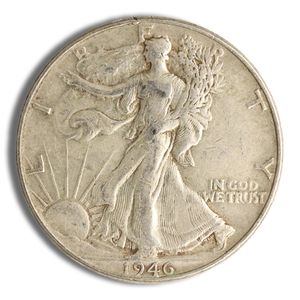
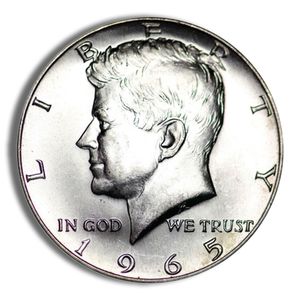
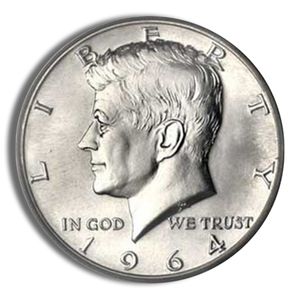
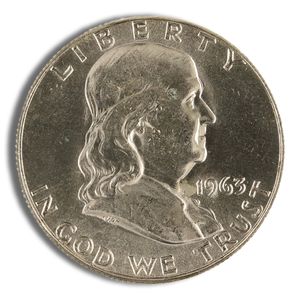
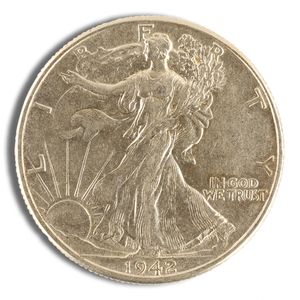
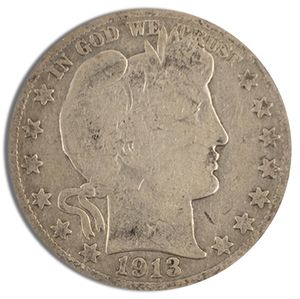
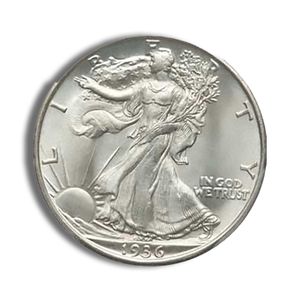
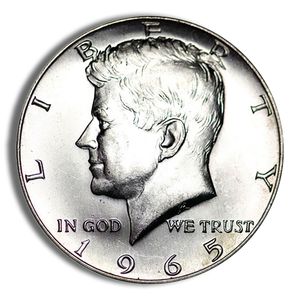
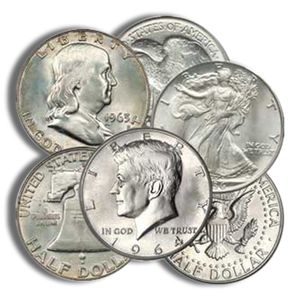
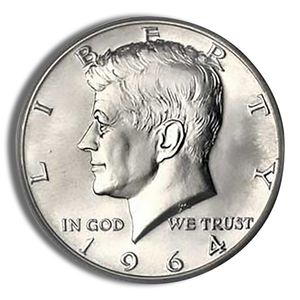
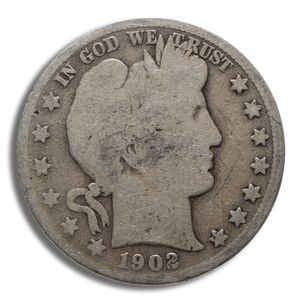
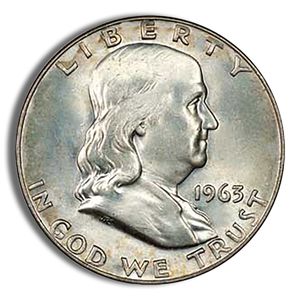
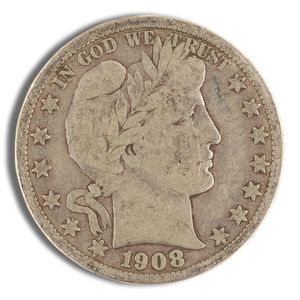
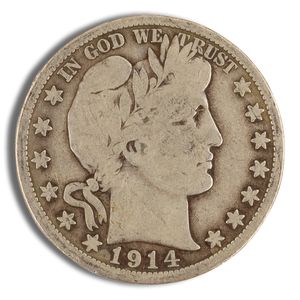
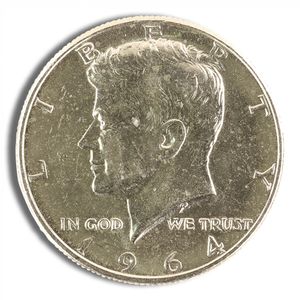
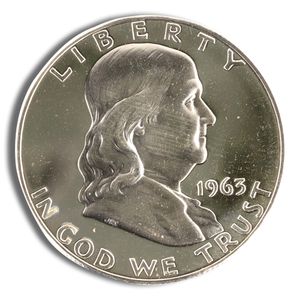
Half dollars from this era fall into several distinct design series. Walking Liberty halves were struck from 1916 through 1947 and are widely regarded as among the finest designs in U.S. coinage history. Franklin halves followed from 1948 through 1963, featuring Benjamin Franklin on the obverse and the Liberty Bell on the reverse. The 1964 Kennedy half dollar was issued in the same 90% silver composition as a memorial to President Kennedy and remains the most commonly traded coin in this segment. Barber halves, minted from 1892 through 1915, represent an older series favored by those who want early American silver with historical depth.
Buyers typically choose 90% silver half dollars as a practical way to acquire silver in smaller, divisible units tied to recognizable U.S. government coinage. The coins carry legal tender status, are widely recognized by dealers and collectors alike, and trade throughout the secondary market with relatively tight spreads compared to more obscure silver formats.
History and Background
The United States maintained a 90% silver standard in its coinage for over a century. The Coinage Act of 1792 established silver as the foundation of American currency, and that relationship persisted through multiple design changes and production cycles until the Coinage Act of 1965 effectively ended silver coinage for general circulation. The transition was driven by rising silver prices that pushed the intrinsic metal value of circulating coins uncomfortably close to their face value, making mass hoarding economically rational and continued silver coinage fiscally unsustainable.
The 1965 to 1969 Kennedy half dollars represent an intentional compromise: the composition shifted to 40% silver rather than eliminating silver entirely, before the half dollar transitioned to a copper-nickel clad base in 1971. This brief transitional period is why 40% silver Kennedy halves exist as a distinct product category and why 1964 remains the final year of 90% silver Kennedy production. The 1982 George Washington commemorative half dollar later brought 90% silver back in a collector context, but as a commemorative issue rather than a circulating coin.
Over the decades since silver left general circulation, these coins have developed a parallel life as bullion products. Dealers and investors price them against spot silver using well-established face value conventions, and a robust secondary market has existed for decades. The consistency of these conventions, combined with the broad familiarity of the coin designs, has given pre-1965 U.S. silver halves lasting relevance in the modern precious metals marketplace.
Purity, Weight, and Specifications
Standard 90% silver half dollars from the Walking Liberty, Franklin, Barber, and 1964 Kennedy series each weigh 12.5 grams, or approximately 0.4019 troy ounces gross weight, with a pure silver content of 0.3575 troy ounces per coin. In bullion trading, the convention of using $1 face value as the unit of sale means you're acquiring two coins per face value dollar, giving a combined silver content of approximately 0.715 troy ounces per dollar of face value. This calculation is derived from the nominal silver content of the original coinage formula and represents the accepted industry standard for pricing junk silver.
The 40% silver Kennedy halves from 1965 through 1969 carry a gross weight of 11.5 grams and a silver content of approximately 0.1479 troy ounces per coin, or roughly 0.295 troy ounces per dollar of face value. These are distinct from their 90% counterparts in both composition and market pricing, and they're listed separately in our catalog with their own specifications clearly displayed. The 1982 George Washington commemorative half dollar also carries 90% silver purity and weighs 12.5 grams, yielding a silver content of approximately 0.3617 troy ounces per coin.
Diameter runs consistently at 30.6 millimeters across most of these series, with minor variation in thickness depending on the specific design and era of production. These dimensions are standardized enough that coins from different series are often stored together in the same tubes, rolls, or coin bags without compatibility issues.
Available Brands, Mints, and Product Variations
Every product in this section of our catalog was struck by the United States Mint, though production occurred across multiple facilities depending on the year and series. Mint marks found on these coins include Philadelphia (no mint mark or P), Denver (D), and San Francisco (S), and most products in our catalog carry a "various" mint mark designation reflecting the mix of production facilities typically found in bulk or random-year lots. The 1982-D George Washington commemorative was specifically struck at Denver, while the 1982-S carries a San Francisco proof designation.
Condition grades represent meaningful distinctions across the catalog. Walking Liberty halves are offered in average circulated, XF to AU, AU, and BU grades, giving buyers the ability to select based on both budget and aesthetic preference. Franklin halves are similarly graded across circulated, AU, BU, and proof finishes. Barber halves appear in Good to Very Good, Fine, VF, and average circulated conditions, reflecting the older vintage and the typical wear patterns common in that series. The 1964 Kennedy halves span average circulated, AU, and BU grades, with a separate proof option for those seeking sharper detail and mirror-like surfaces.
Random-year products dominate the circulated and bullion-grade offerings, which is standard practice in the junk silver market. Specific date requests are not accommodated in these listings, but buyers who want a particular year or series can narrow their search to the designated products where a year is explicitly specified. The 90% silver half dollars listed as generic "mixed" lots contain a representative mix of design types from the pre-1965 era without specifying which series will be included.
Pricing, Premiums, and Market Factors
Pre-1965 90% silver half dollars are priced as a function of silver spot, with premiums that typically run lower than those on government-issued silver bullion coins like American Silver Eagles. The market convention of pricing by face value, and the bulk trading nature of junk silver, generally results in tighter spreads and lower per-ounce premiums compared to numismatic or collector-grade material. That said, premiums on specific grades, series, and conditions do vary, with BU Frankllins and AU Walking Liberties commanding more over spot than common circulated examples from the same series.
Condition is a meaningful pricing variable here in ways that don't apply to standard bullion bars or rounds. A BU Walking Liberty half carries a noticeably different premium than an average circulated example of the same coin, and that difference reflects both the relative scarcity of higher-grade examples and collector demand layered on top of the base silver content. Proof versions of the 1964 Kennedy and the Franklin series command additional premiums tied to their mint presentation and lower original production volumes.
Bullion Standard's pricing reflects real-time market conditions with transparent premium disclosure on each product page. Our bid/ask spread is shown directly on product listings, so you can evaluate the full transaction picture before committing. Because we operate a two-way market, the relationship between what you pay and what you'd receive on a buyback is visible from the outset, which we think matters when you're making decisions about acquiring physical silver.
Condition, Packaging, and What to Expect
Circulated products in this catalog reflect genuine wear consistent with their grade designation. Average circulated coins will show varying degrees of detail loss, luster reduction, and surface contact marks, but they remain intact, legible, and at full weight. Fine, VF, XF, and AU designations indicate progressively better detail retention and less surface wear, though even AU examples may show minor handling marks or slight breaks in luster. BU coins will display original mint luster with no significant wear, though they may carry bag marks or contact marks from the minting and handling process.
Bulk junk silver products are typically sold loose, in coin bags, or in rolls rather than in individual holders or protective capsules. Random-year lots will not arrive sorted by series or date, and the specific coins received will reflect current inventory. Proof coins and commemorative issues like the 1982 George Washington half dollars are generally in better presentation condition and may arrive in original government packaging where available, though this is not guaranteed unless specifically noted in the individual product listing.
Shipping presentation is secure and discreet. Coins are packaged to prevent movement and surface damage during transit, and all orders are fully insured. If you're ordering circulated junk silver in quantity, expect the coins to arrive as a loose mix consistent with how pre-1965 silver is standardly traded in the wholesale market.
Authenticity and Verification
Counterfeit pre-1965 U.S. silver coinage does exist in the market, though it is far less prevalent than counterfeiting of numismatic rarities or modern silver rounds. The relatively low per-coin value makes sophisticated counterfeiting economically marginal for common dates, but buyers sourcing from unknown channels should still exercise appropriate caution. Weight, diameter, and specific gravity testing are reliable primary verification methods for these coins, and any reputable dealer should be able to confirm authenticity before a purchase or buyback transaction is completed.
Every product we sell is verified for authenticity and weight prior to fulfillment. We source pre-1965 U.S. silver coins from established wholesale channels, and our purchasing team applies consistent verification protocols before any product enters our inventory. Bullion Standard maintains an A rating with the Better Business Bureau and holds memberships with the American Numismatic Association and the National Coin and Bullion Association, and we are an authorized dealer for both PCGS and NGC. These affiliations reflect our commitment to sourcing and selling authentic, accurately described products.
For buyers who want third-party certification on higher-grade examples, PCGS and NGC both offer grading and encapsulation services for 90% silver half dollars, including Walking Liberty, Franklin, Barber, and Kennedy issues. Certified examples carry independent verification of grade and authenticity, which can add market confidence for higher-value coins.
Liquidity and Resale Considerations
Pre-1965 U.S. 90% silver coins are among the most liquid silver products in the secondary market. Their recognizability, standardized silver content, and established pricing conventions make them widely accepted by coin dealers, precious metals dealers, and private buyers throughout the country. The junk silver market is active and well-understood, with consistent demand from buyers looking to acquire silver at lower premiums and dealers who actively maintain bid prices against spot.
Specific design series and grades do affect resale dynamics to varying degrees. Common circulated 1964 Kennedy halves and mixed 90% silver lots trade quickly and at tight spreads, while higher-grade Walking Liberty or Franklin halves may attract collector interest that narrows the universe of active buyers but also supports stronger premiums in the right market conditions. Proof and BU commemorative issues like the 1982 George Washington half occupy a narrower resale channel that blends bullion and collector demand.
Widely recognized products from established minting programs consistently outperform obscure or low-mintage items in terms of resale speed and price transparency. The U.S. Mint's long history of production and the deeply embedded market familiarity of these coin series are meaningful practical advantages when it comes time to sell.
Storage and Security
Pre-1965 silver halves don't require special storage beyond keeping them protected from moisture, contaminants, and unnecessary handling. Circulated junk silver is generally not stored in individual holders, and most buyers keep these coins in cloth bags, hard plastic tubes, or coin rolls. Long-term storage in airtight containers or sealed bags helps slow the natural toning that occurs on silver over time, though toning on circulated coins has no impact on their bullion value.
Larger quantities of junk silver carry meaningful weight, so storage planning should account for the physical mass of your holdings. A $100 face value bag of 90% silver coins weighs approximately 7.15 pounds, which affects how you organize home storage or vault capacity. Home safes rated for both fire and theft resistance are a common solution for modest holdings, while professional vault storage or allocated storage programs become more practical as quantities grow.
Bank safe deposit boxes offer a lower-cost storage alternative for smaller holdings, though they don't provide insurance coverage unless you arrange it separately. For buyers accumulating silver in quantity, comparing the cost of professional storage against home safe solutions is worth doing before your inventory grows. Any storage approach should keep coins away from direct contact with materials that can cause accelerated toning or surface damage.
Selling and Buyback Options
Selling 90% silver half dollars back into the market is straightforward relative to many other silver formats, primarily because the silver content is standardized and the pricing conventions are well established. Most dealers quote against spot using the same face value formula used for purchases, which makes it easy to evaluate a buyback offer against current market conditions. Condition, series, and packaging all influence what a dealer will pay, with higher-grade and better-presented coins generally attracting stronger bids.
Bullion Standard maintains an active buyback program for pre-1965 U.S. silver coinage. Our purchasing team evaluates buyback requests based on current wholesale market pricing, product condition, and overall lot composition. Because we operate a two-way market, buyback pricing is part of how we structure our overall product model, not an afterthought. The bid pricing visible on our product pages reflects this, and we encourage buyers to review the spread before purchasing so the complete picture is clear from the start.
When preparing coins for a buyback transaction, accurate condition assessment and honest disclosure of any damage, cleaning, or significant wear will help the process move efficiently. Coins that have been cleaned or altered typically receive lower bids than original-surface examples in equivalent grades. If you're planning to sell a large quantity of junk silver, contacting our team in advance can help you receive a more precise quote and expedite the transaction timeline.
Why Buy 90% Silver Half Dollars?
The appeal of 90% silver half dollars within the broader silver market comes down to a few consistent factors: recognizability, divisibility, and relatively low premiums over spot on circulated examples. These coins are U.S. government-issued legal tender with a standard silver content that has been priced and traded consistently for decades. That combination makes them accessible entry points for buyers who want physical silver without paying the premiums that accompany modern government-issued silver bullion coins.
The design variety within the 90% silver half dollar space adds a dimension that pure bullion bars and rounds can't match. Walking Liberty, Franklin, Barber, and Kennedy halves each carry distinct historical and aesthetic identities, which appeals to buyers who want their silver holdings to have tangible character alongside their metal content. Proof and BU examples extend this appeal further for those who value presentation alongside purity.
From a practical standpoint, the half dollar denomination offers a useful middle ground between dimes and quarters on one end and silver dollars on the other. The larger size makes individual coins easier to handle and inspect, while the $1 face value convention keeps the per-unit cost accessible across a range of budgets. The deep secondary market means these coins move efficiently when it's time to sell, which is a consideration worth factoring in before any purchase.
Why Buy from Bullion Standard?
Bullion Standard has operated as a national precious metals marketplace since 2010, and our approach has stayed consistent throughout: transparent pricing, verified products, and a buying experience that treats customers as informed participants rather than passive buyers. Every product we list carries clearly disclosed specifications, including silver content, purity, weight, condition grade, and the bid/ask spread relevant to that product. We think that level of transparency is a baseline expectation, not a differentiator, and we've built our platform around it accordingly.
Our sourcing standards mean you can rely on the authenticity and accuracy of every product that ships from our inventory. We maintain an A rating with the Better Business Bureau and are members of both the American Numismatic Association and the National Coin and Bullion Association. As authorized dealers for PCGS and NGC, we meet industry verification standards for the products we handle and sell. These aren't just credentials for display; they reflect operational standards that apply to everything from sourcing to fulfillment.
The checkout process is designed around security and convenience. We accept a wide range of payment methods including Visa, Mastercard, American Express, Discover, PayPal, bank-connected payments through Plaid, wire transfer, paper check, and cryptocurrency through BitPay. Orders are fulfilled reliably and shipped with full insurance coverage. Our customer service team is accessible and responsive when questions arise, and our two-way market structure ensures that resale considerations are part of the conversation from the beginning rather than something you figure out later.
Get Near-Spot Pricing with Bullion Standard Pro
Bullion Standard Pro is designed for buyers who want to transact closer to the wholesale market rather than at standard retail premiums. Members gain access to live, executable wholesale bid and ask pricing across a broad range of silver products, including pre-1965 U.S. silver coinage. Unlike indicative or estimated pricing, the figures displayed through Pro reflect real-time executable market conditions, which means the price you see corresponds to an actual market state rather than a static retail markup.
One of the structural differences with Pro is the absence of additional dealer markups or fixed dealer spreads applied on top of market pricing. Members transact at wholesale market prices that move naturally with supply and demand, which can be a meaningful advantage for buyers acquiring silver in quantity or on a recurring basis. Spreads on active products like 90% silver half dollars tend to narrow under normal market conditions, and Pro members see those tighter spreads reflected directly in their pricing.
Beyond pricing, Bullion Standard Pro provides access to proprietary analytical tools including historical premium data, spread analysis, liquidity metrics, and wholesale market activity indicators. For buyers managing a portfolio of physical silver, the ability to value holdings against live wholesale bid pricing rather than estimated retail values offers a more realistic picture of where your position actually stands. These tools are designed to reduce the information gap that has traditionally made it difficult to evaluate physical precious metals with the same clarity available in other financial markets.

 (833) 278-4653