Overview of 90% Silver Half Dollars - $1 Face Value
These pre-1965 90% silver half dollars represent one of the most widely recognized forms of junk silver available in the U.S. market. Each $1 face value lot contains two half dollar coins struck by the United States Mint, carrying a combined silver content of approximately 0.715 troy ounces at .900 fine silver purity. The coins are graded average circulated, meaning they have seen genuine use in commerce but retain their full silver content.
We carry these as a straightforward way to acquire silver tied directly to a familiar, government-issued denomination. The face value structure also makes fractional junk silver easy to scale when building a position in physical silver across multiple quantity tiers.
History and Background
U.S. 90% silver half dollars were produced from 1892 through 1964, spanning the Barber, Walking Liberty, and Franklin design series before the Kennedy half dollar briefly carried the same composition in 1964. The transition away from 90% silver came with the Coinage Act of 1965, which eliminated silver from dimes and quarters entirely and reduced the half dollar's silver content to 40% through 1970. Coins struck before 1965 remain the definitive benchmark for 90% silver content in American coinage.
The half dollar denomination has a longer history of circulating silver than the dime or quarter, making pre-1965 examples both familiar to collectors and practical for buyers focused on silver content. The United States Mint produced these coins across multiple facilities, including Philadelphia, Denver, and San Francisco, though mint marks carry limited premium significance at the average circulated grade level.
Design and Aesthetics
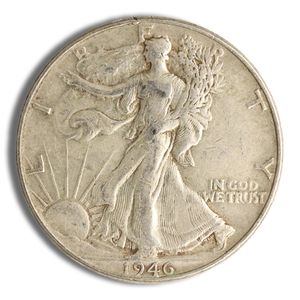
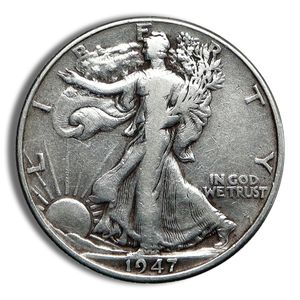
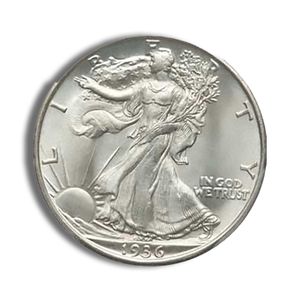
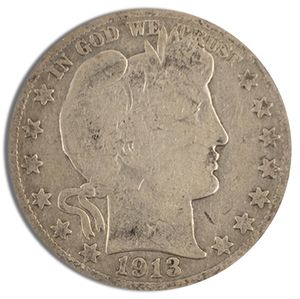
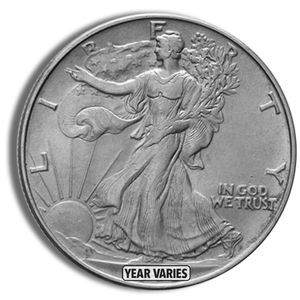
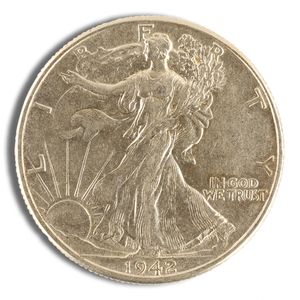
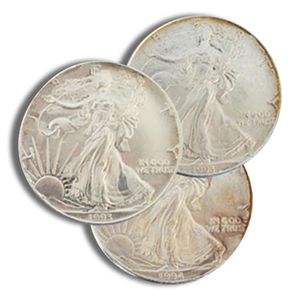
Because these coins span multiple design series, the specific imagery varies by year and type. The Barber half dollar features a right-facing portrait of Liberty wearing a Phrygian cap on the obverse, with a heraldic eagle on the reverse. The Walking Liberty half dollar, widely regarded as one of the most artistically accomplished American coin designs, presents a full-length figure of Liberty striding toward the sunrise on the obverse and a perched bald eagle on the reverse.
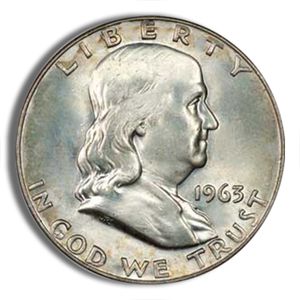
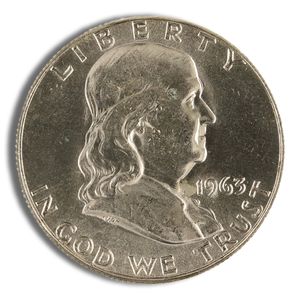
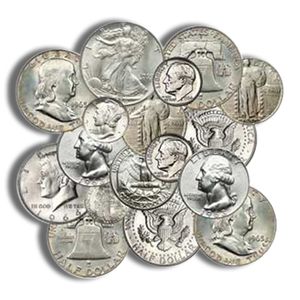
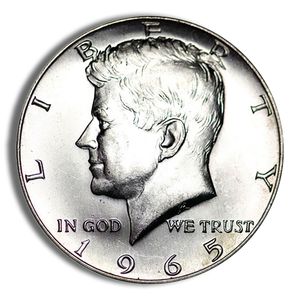
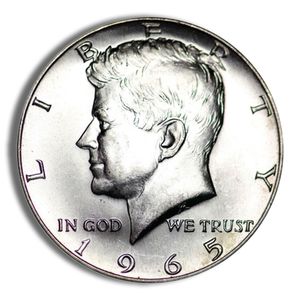
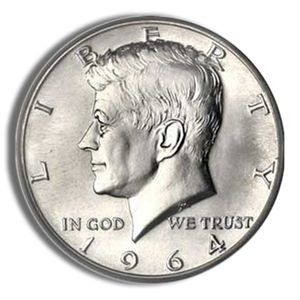
The Franklin half dollar replaced Walking Liberty in 1948 and carries a portrait of Benjamin Franklin on the obverse alongside a small eagle required by law, with the Liberty Bell prominently featured on the reverse. The 1964 Kennedy half dollar, included within the pre-1965 silver era, bears the left-facing portrait of President John F. Kennedy on the obverse and a presidential seal adaptation on the reverse. At average circulated grades, fine design detail is partially worn but the core imagery remains fully recognizable on most examples.
Fractional Size and Accessibility
At $1 face value per lot, this format gives buyers a low-cost entry point into physical silver without committing to the outlay of a full troy ounce. The half dollar is the largest denomination available in 90% silver, which means fewer individual pieces per dollar of face value compared to dimes or quarters, making handling and counting more efficient.
This sizing also works well for stacking incrementally. Buyers who prefer to accumulate silver in small, consistent steps often find the half dollar format a practical middle ground between the smallest junk silver increments and full one-ounce rounds or bars.
Authenticity and Product Integrity
Pre-1965 U.S. silver coins are among the most straightforward bullion products to authenticate given their government origin and well-documented weight and composition standards. Each half dollar was struck to a defined weight of 12.5 grams at .900 fine silver, providing a reliable baseline for verification through weight testing. The distinct design characteristics, reeded edges, and known specifications make these coins difficult to convincingly counterfeit at the junk silver level.
Every product we handle is verified for authenticity, weight, and purity before it reaches a customer. As authorized dealers for both PCGS and NGC, we maintain the standards and relationships consistent with professional-grade coin authentication. While average circulated junk silver does not require third-party grading, our sourcing reflects the same authentication discipline we apply across the rest of our catalog.
Condition and Packaging
These coins are graded average circulated, which is the standard description for pre-1965 90% silver pulled from general circulation lots. Expect visible wear on high points, softened detail, and in some cases surface marks or toning consistent with decades of commercial use. No two coins in a circulated lot will be identical, but the silver content is fully intact regardless of cosmetic condition.
Individual $1 face value lots ship in a protective plastic flip to keep the coins secure during transit. Larger quantity purchases are packaged in tubes or sealed bags based on standard junk silver handling conventions. Because these coins come from the secondary market, minor contact marks, surface toning, and handling signs are expected and do not affect the metal content or market value of the silver.
Pricing and Market Factors
Junk silver is priced primarily as a function of the current spot price of silver, with the 0.715 troy ounce silver content per dollar of face value serving as the standard multiplier used across the market. Premiums on 90% silver tend to be lower than those on newly minted rounds or sovereign coins because there is no ongoing production cost, and supply is drawn from existing secondary market inventory rather than new mintages.
Premiums can fluctuate based on wholesale market conditions, overall silver demand, and the relative availability of junk silver lots at any given time. We display pricing that reflects real-time market conditions, and our transparent bid/ask structure gives buyers a complete picture of both the acquisition cost and the expected resale value rather than just the premium above spot.
Selling and Liquidity
Pre-1965 90% silver half dollars are among the most liquid forms of physical silver in the United States. The standardized silver content, government origin, and decades-long market familiarity mean dealers, collectors, and private buyers across the country recognize and actively bid on these coins. The $1 face value denomination is a universal reference point that simplifies pricing at any silver spot level.
We operate a two-way market, which means customers can both purchase and sell 90% silver through our platform at competitive buyback pricing. Considering liquidity before making a purchase is a core part of how we approach the buying and selling experience, and junk silver is well-suited to that model given its broad recognition and consistent demand.
Why Buy 90% Silver Half Dollars?
The half dollar format offers a practical balance of silver content per piece and ease of handling compared to smaller denominations like dimes and quarters. Each coin carries a meaningful amount of silver without the bulk of a full-ounce bar or round, and the $1 face value structure makes scaling a position in 90% silver straightforward.
Pre-1965 U.S. silver coinage also carries an inherent legitimacy that comes from its government origin and long market history. These coins do not require assay verification the way privately produced rounds sometimes do, and their silver content is universally understood within the bullion market. For buyers who want recognizable, no-frills physical silver at a low premium to spot, 90% half dollars remain one of the most direct and practical options available.
Why Buy from Bullion Standard?
We have built our business around transparency and consistency since our founding in 2010. Our pricing reflects real-time market conditions and is structured to give buyers a clear understanding of both what they are paying and what they can expect to receive when they sell. That means displaying the bid/ask spread on each product page rather than presenting only the ask side of the transaction.
Our A rating with the Better Business Bureau, membership in the American Numismatic Association and the National Coin and Bullion Association, and authorized dealer status with PCGS and NGC reflect a level of professional accountability that matters when purchasing physical silver. We source products from reputable mints, refineries, and established secondary market channels, and every product is authenticated before it ships. Our customer support team is accessible, knowledgeable, and focused on making the experience straightforward from the first purchase through any future sale.
Get Near-Spot Pricing with Bullion Standard Pro
Bullion Standard Pro gives members access to live, executable wholesale bid and ask pricing on products including 90% silver half dollars, allowing buyers to see exactly how junk silver is priced and traded at the wholesale level. Real-time portfolio valuation using current wholesale bid prices provides a more accurate picture of liquidation value than estimated retail pricing, which is particularly useful for buyers accumulating silver across multiple face value increments over time.
Pro members also gain access to proprietary market intelligence tools that track premiums, bid/ask spreads, liquidity, and wholesale market activity across the broader silver market. For a product as spread-sensitive as junk silver, understanding where premiums stand relative to historical ranges and current wholesale conditions is the kind of objective data that supports more informed buying and selling decisions.
Flexible and Secure Payment Options
We support a wide range of payment methods to make purchasing 90% silver half dollars as straightforward as possible. Accepted options include Visa, Mastercard, American Express, Discover, PayPal, bank-connected payments through Plaid, wire transfer, paper check, and cryptocurrency via BitPay. Each payment method is processed through a secure transaction environment designed to protect buyer information at every step.
Whether you prefer the convenience of a credit card or the cost efficiency of a wire transfer, we have structured our payment options to accommodate different buyer preferences without adding unnecessary friction to the checkout process.

 (833) 278-4653


.png)