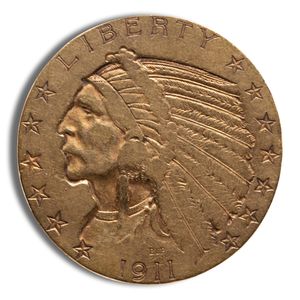
Buy Indian Head Gold Coins Online
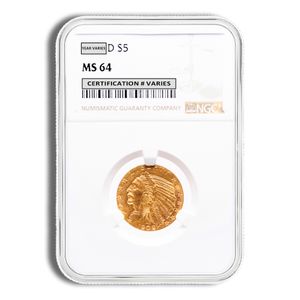
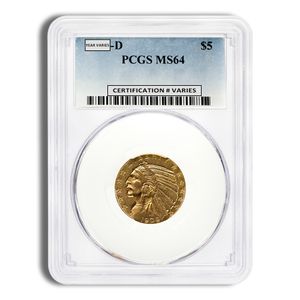
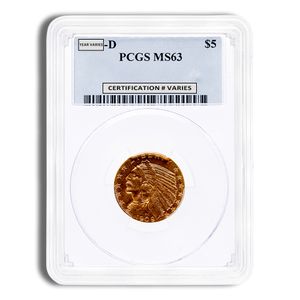
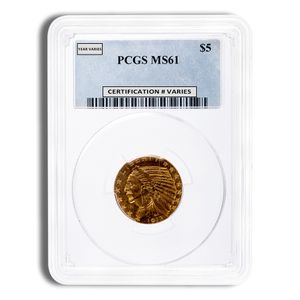
Our catalog of indian head gold coins spans two iconic denominations produced by the United States Mint during the early twentieth century: the $5 Indian Head Half Eagle and the $10 Indian Head Eagle. Each coin contains 90% gold, and both are available across a wide range of grades, from circulated examples graded VF and XF to uncirculated coins certified by NGC or PCGS in grades ranging from MS61 through MS65. Whether you're looking for a raw BU example or a professionally slabbed coin with a confirmed grade, you'll find options here to match your preferences and budget.
Bullion Standard is a San Diego-based precious metals marketplace committed to transparent pricing and straightforward transactions. Our listings reflect real-time market conditions, and every product is authenticated and verified before fulfillment. The breadth of grades and formats available in this part of our catalog reflects how meaningfully condition influences both price and buyer demand in this particular corner of the rare coin and bullion market.
What Are Indian Head Gold Coins?
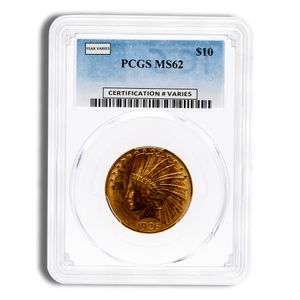
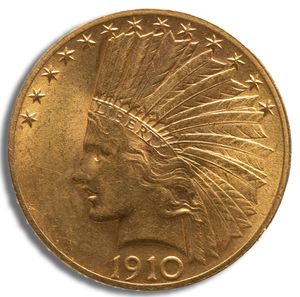
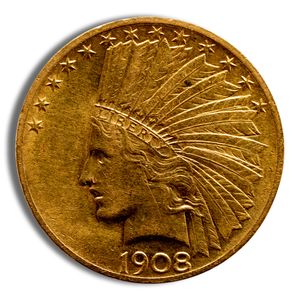
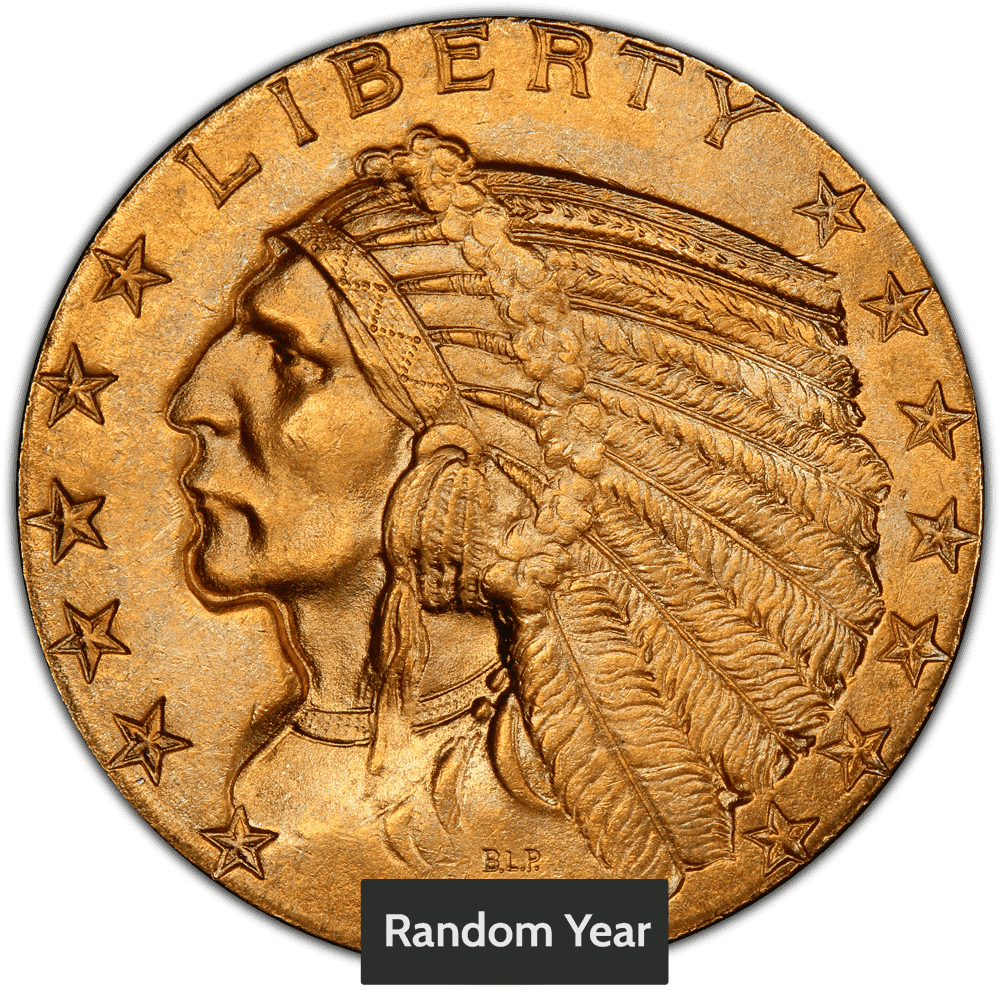
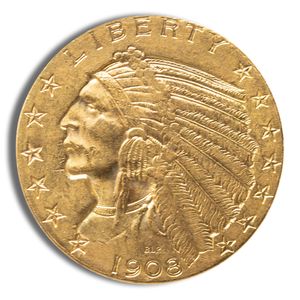
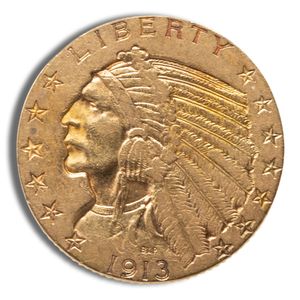
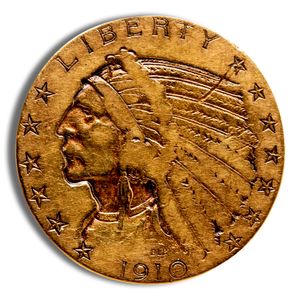
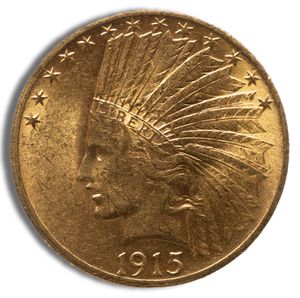
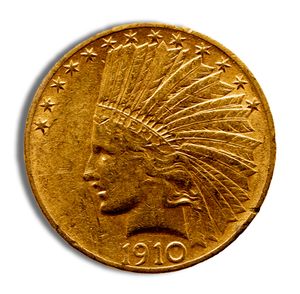
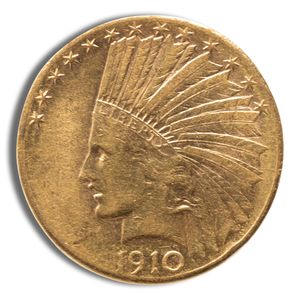
Indian head gold coins are a series of U.S. gold coins that were struck in 90% gold alloy and feature a distinctive incuse (recessed) design that sets them apart from virtually every other American coinage series. Unlike the raised relief found on most coins, the imagery on these pieces is pressed into the coin's surface rather than raised above it. This technique, known as incuse relief, gives the coins a flat, almost medallic appearance that was considered artistically radical at the time of their introduction.
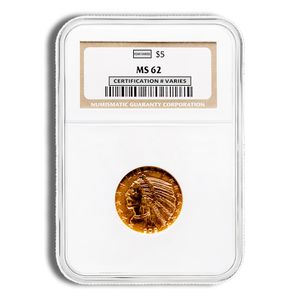
The two coins represented in this catalog are the $5 Half Eagle and the $10 Eagle. The Half Eagle weighs approximately 0.2419 troy ounces of pure gold, while the Eagle contains approximately 0.4837 troy ounces. Both are recognized and traded throughout the numismatic and bullion markets, and they occupy a distinct space between pure bullion coins and collectible numismatic pieces. Buyers are generally drawn to them for their historical character, design distinctiveness, and the inherent gold content they carry.
Condition matters considerably with these coins. The incuse design tends to show wear quickly in circulation, which means the difference in eye appeal and market demand between a VF example and an MS63 is substantial. Certified coins in higher Mint State grades represent a meaningful premium over their circulated counterparts, a pricing gap that reflects the relative scarcity of well-preserved examples.
History and Background
The Indian Head gold coin series was introduced during the administration of President Theodore Roosevelt as part of a broader effort to elevate the artistic quality of American coinage. Roosevelt enlisted sculptor Bela Lyon Pratt to design both the $5 Half Eagle and the $10 Eagle, both of which debuted in 1908. Pratt's incuse design drew on themes from Native American culture and Egyptian numismatic traditions, creating a look that was unlike anything the United States Mint had produced before.
The $10 Eagle was struck from 1907 through 1933, and the $5 Half Eagle was produced from 1908 through 1929. Both series were minted at multiple facilities, including Philadelphia, Denver, New Orleans, and San Francisco, with surviving mintage figures varying significantly by year and mint mark. The series ended when President Franklin D. Roosevelt signed Executive Order 6102 in 1933, requiring the surrender of gold coins by U.S. citizens and effectively halting domestic gold coin circulation.
Surviving examples re-entered the collector and bullion markets as gold ownership restrictions were lifted in the 1970s. Since then, both the Half Eagle and the Eagle have remained consistently recognized in the numismatic marketplace, with certified examples graded by NGC or PCGS commanding premiums that reflect both condition rarity and collector demand for early twentieth-century American gold.
Purity, Weight, and Specifications
Both the $10 Eagle and the $5 Half Eagle were struck to a standard gold purity of 90%, also expressed as .900 fine. The $10 Eagle contains 0.48375 troy ounces of gold and measures 26.8mm in diameter with a thickness of approximately 2.02mm. The $5 Half Eagle contains approximately 0.24187 troy ounces of gold and measures 21.6mm in diameter, with a thickness around 1.4 to 1.59mm depending on the specific coin.
These specifications were standardized across the production run and apply to coins struck across all mint facilities. The .900 purity is characteristic of pre-1933 U.S. gold coinage broadly and distinguishes these pieces from modern .9999 fine coins. The alloy composition includes a small percentage of copper, which contributes to the coin's durability and its characteristic warm gold tone.
When considering the gold content of these coins, buyers should note that the actual gold weight per coin is slightly below a common fraction of a full troy ounce, which is a standard specification for this series and does not indicate any variation from the original mint standard. Premiums on these coins reflect both the gold content and the numismatic character of the piece, particularly in certified grades.
Available Brands, Mints, and Product Variations
Every coin in this part of our catalog was produced by the United States Mint, struck across several production facilities identified by various mint marks. Because these are offered as random-year products, the specific date and mint mark you receive will vary based on availability. This is a standard practice in the secondary market for pre-1933 U.S. gold coins, where sourcing specific dates consistently at competitive prices is not always practical.
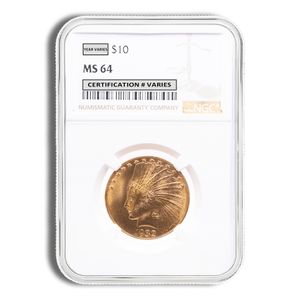
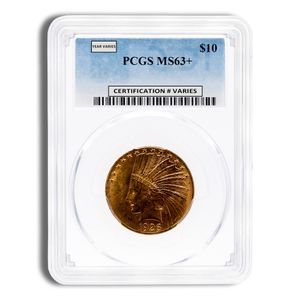
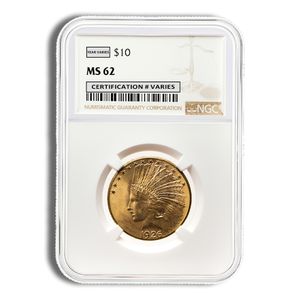
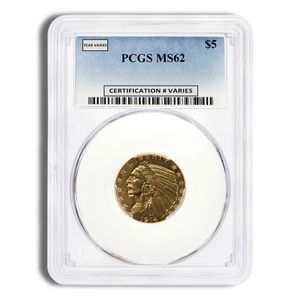
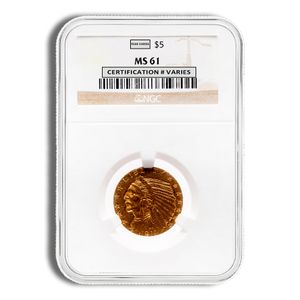
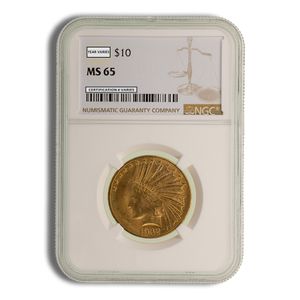
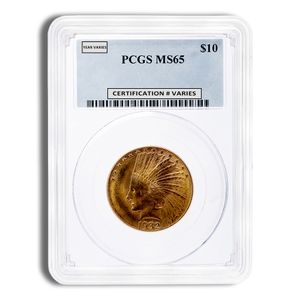
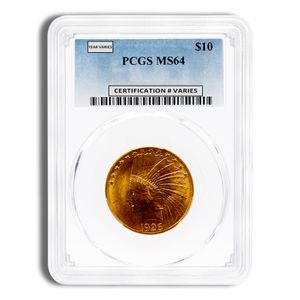
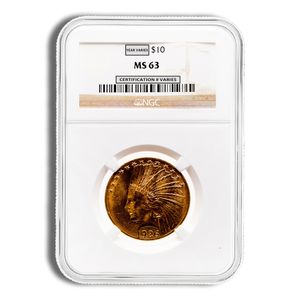
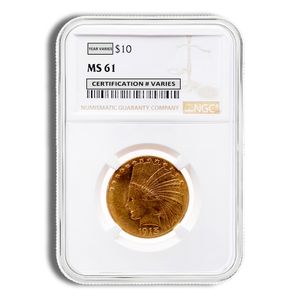
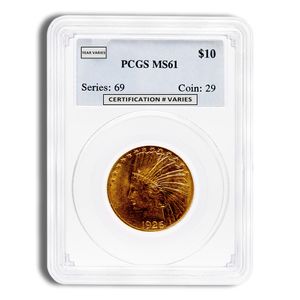
The grade range available is wide. Circulated options include coins graded VF (Very Fine) and XF (Extremely Fine) for buyers primarily focused on gold content at lower premiums, and AU (About Uncirculated) for coins showing minimal wear. Raw BU (Brilliant Uncirculated) coins are also available, representing ungraded examples that have not been submitted for third-party certification. For buyers who prefer a confirmed, independently verified grade, NGC-certified and PCGS-certified options are listed in MS61, MS62, MS63, MS64, and MS65. Both NGC and PCGS are the industry's leading grading services, and their holders provide tamper-evident protection with a standardized, universally recognized grade.
A "Cleaned or Low Grade" option is also listed for both the Half Eagle and the Eagle. These are coins that have been cleaned, damaged, or fall below standard circulated grades. They carry the lowest premiums in the lineup and are typically purchased for their gold melt value rather than any numismatic premium. Buyers who understand this distinction can acquire gold content at a more accessible price point through this option.
Pricing, Premiums, and Market Factors
Pricing on indian head gold coins is driven by two distinct forces: the underlying spot price of gold and the numismatic premium tied to the coin's grade, rarity, and condition. Circulated examples, including VF, XF, and AU grades, typically carry premiums closer to the coin's melt value, while certified Mint State coins in grades MS63 and above reflect a more significant numismatic component that may amplify or reduce depending on collector demand at any given time.
Condition has a direct and observable effect on premiums within this series. An MS64 example commands substantially more than an MS61 not just because of the Sheldon scale difference, but because genuinely high-grade survivors of these coins are considerably less common. This scarcity dynamic is visible in certified population data maintained by NGC and PCGS, and it's a factor that influences how these coins are priced throughout the wholesale and retail markets. Bullion Standard's pricing reflects real-time market conditions on both sides of the transaction, providing buyers with visibility into where each coin sits relative to current market pricing.
Our two-way market structure means that liquidity is a consideration we take seriously before, not after, a purchase is made. Buyers evaluating these coins should account for the full bid/ask spread, which varies meaningfully between a circulated coin sold for its gold content and a certified MS65 specimen where the numismatic market determines much of the value. Bullion Standard displays current spread information on individual product pages so buyers can evaluate the full cost of ownership with clear data rather than assumptions.
Condition, Packaging, and What to Expect
Raw and circulated coins in grades VF, XF, and AU will typically arrive without third-party certification holders and may show varying degrees of wear consistent with their assigned grade. These coins have seen circulation, and surface marks, minor contact, and overall flatness in high points are expected and appropriate for coins in this grade range. Buyers purchasing circulated examples for gold content should approach these pieces with appropriate expectations regarding eye appeal.
BU coins are ungraded uncirculated examples. While they have not seen circulation, they have also not been professionally evaluated and certified, meaning their surface quality can vary. NGC and PCGS certified coins arrive in sealed, tamper-evident plastic holders that display the confirmed grade, coin designation, and certification number. These slabs protect the coin's surface and allow buyers to verify the grade and authenticity directly through the respective grading service's online database.
Because all products in this lineup are offered as random-year items, buyers should not expect a specific date or mint mark. The year, mint mark, and specific design variation will be selected from available inventory at the time of fulfillment. This is standard practice in the pre-1933 U.S. gold market, and it allows Bullion Standard to maintain competitive pricing across a broad range of buyers with varying preferences for grade.
Authenticity and Verification
Every coin sold through Bullion Standard is verified for authenticity, weight, and purity before shipment. Pre-1933 U.S. gold coins have a well-documented history of counterfeits in the marketplace, and buyers should always source from reputable, established dealers. As an authorized dealer for both NGC and PCGS, Bullion Standard is well-positioned to verify the authenticity of certified products and source raw coins through reputable wholesale channels.
NGC-certified and PCGS-certified coins offer an additional layer of assurance. Each coin in a certified holder has been physically examined by trained numismatists at the grading service, evaluated for authenticity, and assigned a grade based on standardized criteria. The certification number on each holder can be cross-referenced with the NGC or PCGS online registry to confirm the coin's recorded details. This registry lookup is a straightforward and reliable way for buyers to verify a coin's recorded attributes independently.
For raw coins, including BU and circulated examples, Bullion Standard's sourcing process involves verification against known authentication standards, including weight, diameter, and visual inspection for known markers of counterfeit production. Buyers who have concerns about a specific coin after delivery are encouraged to contact our customer service team, and we maintain the processes and professional affiliations necessary to address authenticity questions directly.
Liquidity and Resale Considerations
Indian head gold coins are among the more widely recognized series in the pre-1933 U.S. gold market. Their combination of gold content, historical production by the United States Mint, and distinctive design creates consistent recognition among dealers, auction houses, and private collectors. This recognition generally supports resale activity across multiple market environments, though the depth of demand and achievable resale prices vary by grade and condition.
Circulated examples graded VF, XF, and AU typically trade closest to their gold melt value in the secondary market, making them relatively straightforward to evaluate from a resale standpoint. Certified Mint State coins, particularly in grades MS63 and above, are traded in a more specialized numismatic context where collector demand plays a larger role in determining realized prices. The broader collector base for NGC and PCGS-certified coins in standardized holders tends to support more active resale across dealer networks, auction platforms, and direct transactions.
Bullion Standard maintains competitive buyback pricing on gold coins, including pre-1933 U.S. issues like the Indian Head series. Buyers who purchase through our platform benefit from being able to evaluate both acquisition and resale within the same marketplace, which supports more complete decision-making before a purchase is finalized.
Storage and Security
Certified coins in NGC or PCGS holders have built-in surface protection from the slab itself, but the holders should still be stored carefully to prevent scratches or cracking. Slabs store well in standard coin boxes or foam-lined cases designed for third-party holders, and both options keep certified coins organized while protecting the holder's integrity. Avoid storing slabs in conditions with high humidity or temperature fluctuations, which can degrade the holder over time even if the coin inside remains protected.
Raw and circulated coins without holders should be stored in individual coin flips, capsules, or tubes appropriate for their diameter. For the $10 Eagle at 26.8mm and the $5 Half Eagle at 21.6mm, appropriately sized plastic capsules or acid-free flips will minimize contact wear and prevent environmental exposure. These storage options are widely available and represent a low-cost way to maintain the physical condition of coins not already housed in protective holders.
For buyers accumulating multiple coins, a home safe rated for fire and theft protection provides practical security for moderate holdings. Larger accumulations may benefit from allocated vault storage through a third-party depository, which provides insured, off-site custody with the option of periodic access. The choice between home storage and professional vault services depends on the quantity of coins held, individual security preferences, and insurance considerations.
Selling and Buyback Options
Selling indian head gold coins back into the market involves several practical considerations, including the coin's grade, whether it's certified, the specific date and mint mark if relevant, and current wholesale market conditions. Certified coins in NGC or PCGS holders are generally easier to price and sell because the grade is already confirmed, which reduces friction in the buyer verification process. Raw coins may require additional review before a dealer will commit to a buyback price.
Bullion Standard operates a two-way market where customers can sell as well as buy precious metals. Our purchasing team evaluates coins based on current market conditions, product type, condition, and mint recognition. For pre-1933 U.S. gold coins, current gold spot prices form a floor for buyback pricing on circulated examples, while certified Mint State coins are evaluated against current numismatic market data. Packaging integrity, including the condition of NGC or PCGS holders, can also affect the buyback value of certified pieces.
Customers interested in selling to Bullion Standard can initiate the process through our platform, where current bid pricing is displayed alongside ask pricing for each product. This transparency allows sellers to evaluate current buyback terms before committing to a transaction. The goal is to make the selling process as straightforward and informed as the buying process, with clear pricing grounded in observable market conditions rather than opaque negotiations.
Why Buy Indian Head Gold Coins?
The appeal of indian head gold coins lies in their combination of genuine gold content, historical origin, and a design legacy that remains distinctive within American numismatics. Unlike many modern bullion coins, these pieces carry a documented production history tied to a specific era of American economic and artistic policy, which resonates with buyers interested in something beyond a standardized bar or round. The incuse design is unlike anything else in the U.S. Mint's output, and that visual distinctiveness contributes to their continued market recognition.
For buyers focused on gold content rather than numismatic character, the circulated and cleaned examples provide an accessible entry point at premiums closer to melt value. For buyers who place value on confirmed condition and collector-market participation, the range of NGC and PCGS certified options from MS61 through MS65 covers most points along the quality spectrum. This grade range is part of what makes the series broadly accessible, as different buyers can calibrate their purchase toward their specific priorities.
The two denominations also allow buyers to vary their acquisition size. The $5 Half Eagle at roughly a quarter troy ounce of gold and the $10 Eagle at just under half a troy ounce offer flexibility in how much gold is acquired per coin. For buyers accumulating gold incrementally, this denomination structure provides options without requiring full-ounce purchases, and both coins remain recognizable and tradeable throughout the domestic numismatic and bullion dealer networks.
Why Buy from Bullion Standard?
Bullion Standard has been operating in the precious metals market since 2010, building a nationally recognized platform around the principles of pricing transparency, product authenticity, and long-term customer relationships. Our A rating with the Better Business Bureau and active memberships in the American Numismatic Association and the National Coin and Bullion Association reflect the professional standards we hold ourselves to across every transaction.
As an authorized dealer for both NGC and PCGS, we are directly equipped to source, verify, and price certified coins with accuracy and accountability. Our product verification process ensures that every coin shipped has been evaluated for authenticity, weight, and purity, and our customer service team is accessible for any questions that arise before or after a purchase. Payment flexibility is also central to the buying experience, with options including Visa, Mastercard, American Express, Discover, PayPal, bank-connected payments through Plaid, wire transfer, paper check, and cryptocurrency through BitPay.
Our two-way market model gives buyers the ability to evaluate both purchase and resale within the same platform, with bid and ask pricing displayed transparently on each product page. We believe that informed buyers make better decisions, and the platform is structured to provide that information rather than obscure it. From pricing transparency and educational resources to secure checkout and reliable fulfillment, the experience at Bullion Standard is built around trust rather than high-pressure sales dynamics.
Get Near-Spot Pricing with Bullion Standard Pro
Bullion Standard Pro gives members access to live, executable wholesale bid and ask pricing across a broad range of precious metals products, including gold coins like the Indian Head series. Rather than displaying indicative or estimated pricing, the platform is structured around executable market prices that reflect real-time supply and demand within the wholesale market. This level of pricing transparency is uncommon in the traditional retail dealer model, where fixed markups and dealer spreads often obscure the relationship between what you pay and what the market actually reflects.
For buyers who transact regularly or who are particularly focused on pricing efficiency, Pro membership removes the additional dealer markups applied in the standard retail model and allows premiums and bid/ask spreads to reflect underlying market conditions directly. On products like pre-1933 gold coins, where premiums above spot can vary meaningfully by grade and market conditions, having access to live wholesale pricing gives members a materially different view of the market than most retail environments provide.
Pro members also gain access to proprietary market intelligence tools, including historical premium analysis, spread analysis, liquidity metrics, and portfolio valuation based on live wholesale bid pricing rather than estimated retail values. For buyers holding multiple coins or evaluating the relative value of different grades within the Indian Head series, these tools provide objective, data-driven context that goes well beyond a standard product listing. The goal is to bring the analytical depth typically associated with organized financial markets into the physical precious metals space, giving members a clearer and more complete picture of how these products trade.

 (833) 278-4653