Buy Physical Gold Bars, Rounds, & Coins Online
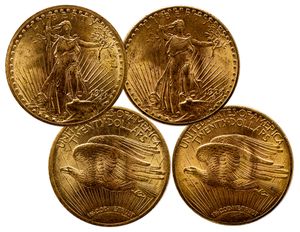
This page brings together every form of physical gold we carry, from government bullion coins and minted bars to certified U.S. rarities, gold-infused notes and loose gold grain. American Gold Eagles from the U.S. Mint make up the largest share of our catalog, followed by a deep run of world gold coins, the Perth Mint's Australian Lunar series, gold bars from Swiss and international refiners, and Mexican Gold Libertads. You'll also find American Gold Buffalos, Goldbacks, Kangaroos, Maple Leafs, Krugerrands, Britannias, Philharmonics and Pandas, along with pre-1933 U.S. gold coins from the $1 gold dollar to the $20 double eagle.
Weights run from a single gram to a 1 kilo sealed bottle of .9999 gold grain, with 1 oz, 1/4 oz, 1/10 oz and 1/2 oz pieces forming the core of the selection. Formats span brilliant uncirculated bullion strikes, proof coins in their original box with a certificate of authenticity, bars sealed in assay cards, and coins certified by NGC and PCGS in grades up to MS70 and PF70. Many of the most popular coins are also offered as random year listings, which keeps the focus on gold content rather than date.
Every listing is priced against the live gold spot market, and each product page displays its current bid/ask spread, so you can see what we'd pay to buy a piece back alongside what it costs today. That two-way view is the foundation of how we run our marketplace, and it applies equally to a 1/20 oz Lunar coin and a 10 oz PAMP Suisse bar.
What Are Physical Gold Bars, Rounds, & Coins?
Physical gold is metal you can hold and store yourself, as opposed to exposure through funds, futures or mining shares. It's sold in a handful of distinct formats: government-issued coins carrying a legal tender face value, bars produced by private refiners and mints, rounds that look like coins but carry no face value, and newer forms such as Goldbacks and the Valcambi CombiBar. Each format packages gold differently, and that packaging shapes the premium, the handling and how quickly a dealer recognizes the piece when it's time to sell.
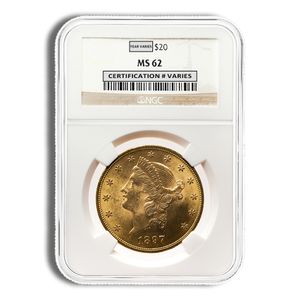
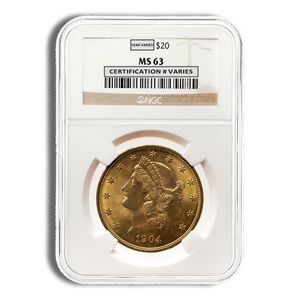
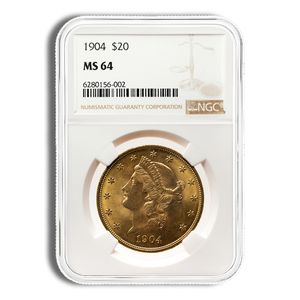
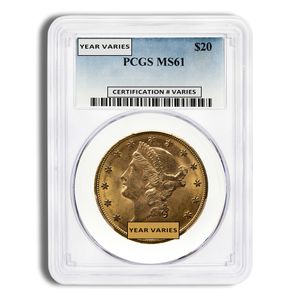
Coins are the dominant format on this page, and they divide into two broad groups. Modern bullion coins such as the American Gold Eagle, Gold Maple Leaf and Krugerrand are struck in large numbers and priced mainly on their gold content. Numismatic and certified coins, including pre-1933 U.S. gold, European 20 franc pieces and NGC or PCGS graded proofs, add collector considerations such as grade, date and survival rate, so their prices reflect more than metal alone.
Bars and rounds serve buyers who want more gold for each dollar of premium. The small bars in our catalog are minted pieces, struck from precisely cut blanks and sealed in assay cards that state the refiner, weight and fineness. Fractional gold, whether a 1/10 oz coin, a 1 gram bar or a single Goldback, makes it practical to buy in smaller amounts and to sell part of a holding later without parting with a full ounce.
History and Background
Gold has served as money for well over two thousand years, and the U.S. Mint struck its first $10 gold eagles in 1795. Through the following century American gold circulated in denominations from the $1 gold dollar to the $20 double eagle, alongside European coins such as the British sovereign, the Belgian and French 20 francs and the Italian 20 lire. Those coins were struck to exact weights at .900 or .9167 fineness, which is why so many of them still trade on their gold content today.
In the United States that era ended with the 1933 gold recall, when private ownership of gold coinage was largely prohibited and much of the circulating supply was melted. Elsewhere, gold coinage took a different path: Mexico introduced the 50 peso Centenario in 1921 to mark a century of independence, and South Africa launched the Krugerrand in 1967 as the first modern coin designed purely to deliver an ounce of gold. Once Americans could again own gold freely at the end of 1974, a wave of government bullion programs followed, including Canada's Gold Maple Leaf in 1979, China's Gold Panda in 1982, the American Gold Eagle in 1986, the Britannia in 1987 and Austria's Philharmonic in 1989.
The modern market kept widening from there. The Perth Mint began its Australian Lunar series in 1996, the U.S. Mint added the 24 karat American Gold Buffalo in 2006, and Swiss refiners such as PAMP Suisse, Valcambi and Argor-Heraeus grew into major suppliers of small gold bars. Goldbacks are a far more recent development, embedding a measured amount of gold in a spendable note, and they show how the ways of owning physical gold continue to evolve.
Purity, Weight, and Specifications
Gold purity is expressed as fineness, and four standards cover nearly everything here. Most bars, the American Gold Buffalo, Gold Maple Leaf, Philharmonic, Kangaroo, Lunar coins and Britannias struck since 2013 are .9999 fine, or 24 karat. The American Gold Eagle, Krugerrand, sovereigns and earlier Britannias are .9167 fine, or 22 karat, alloyed for durability, while Libertads and Pandas are .999 fine and pre-1933 U.S. gold, the Centenario and the classic 20 franc pieces are .900 fine.
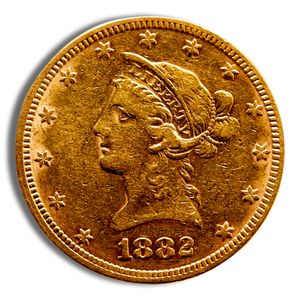
Gold weights use the troy ounce, which equals 31.1035 grams and is about ten percent heavier than the ounce on a kitchen scale. A modern 1 oz bullion coin contains a full troy ounce of pure gold, so an alloyed 22 karat coin weighs slightly more overall than a 24 karat coin of the same denomination. Historic coins carry odd fine weights instead: a $20 double eagle holds 0.9675 oz of gold, a $10 eagle 0.4837 oz, a Mexican 50 peso 1.2057 oz and a 20 franc piece 0.1867 oz, while recent Pandas and many small bars are denominated in grams.
Markings tell you what you're holding. Bars are stamped with the refiner's name, weight and fineness, and many carry a serial number that matches the accompanying assay card. Coins show their issuing nation, face value and gold content, and mint marks such as the W for West Point identify where many proof Eagles and Buffalos were struck. Goldbacks work on their own scale, with each single unit containing 1/1000 of a troy ounce of gold.
Available Brands, Mints, and Product Variations
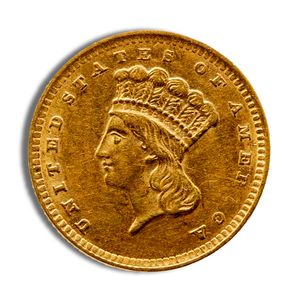
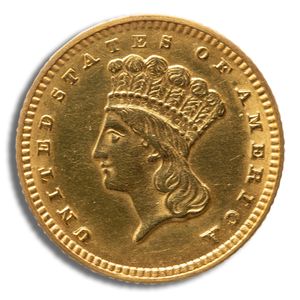
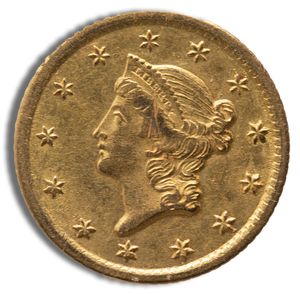
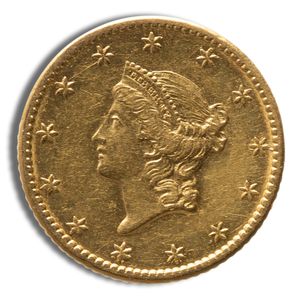
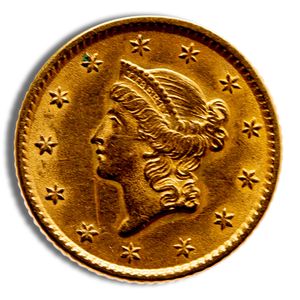
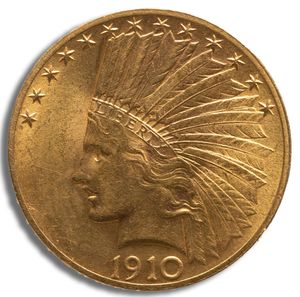
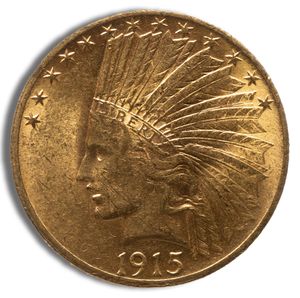
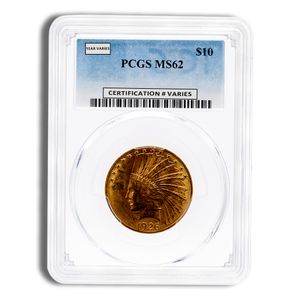
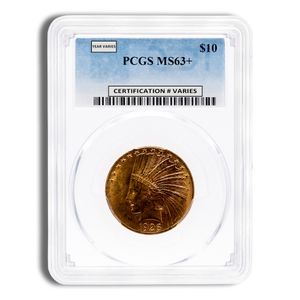
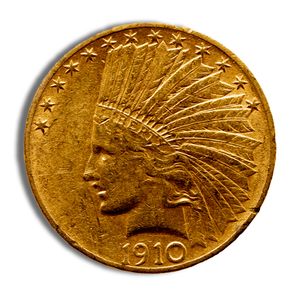
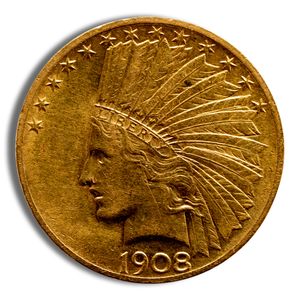
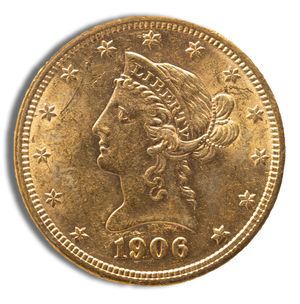
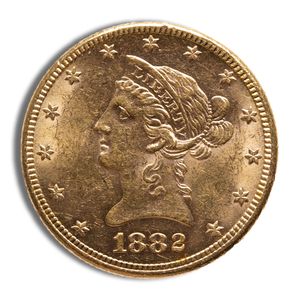
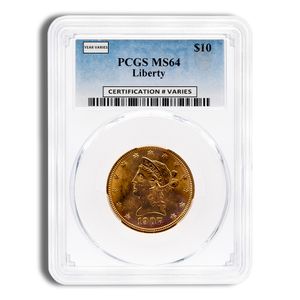
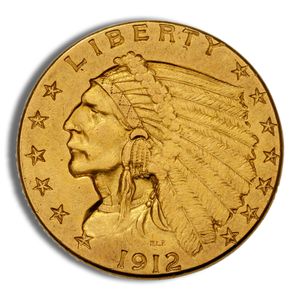
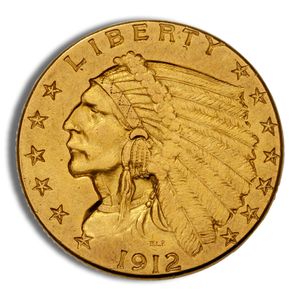
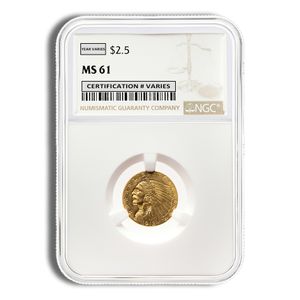
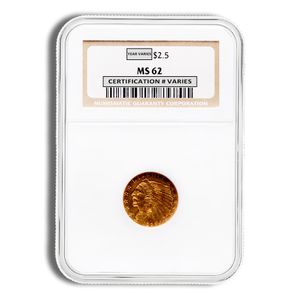
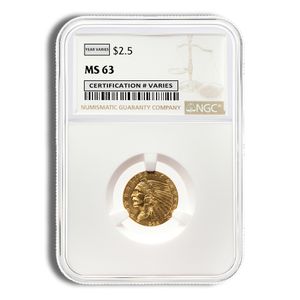
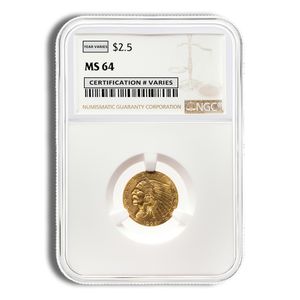
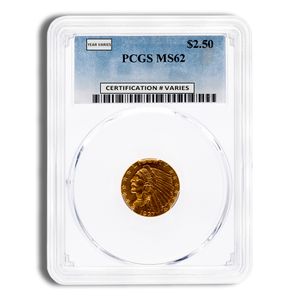
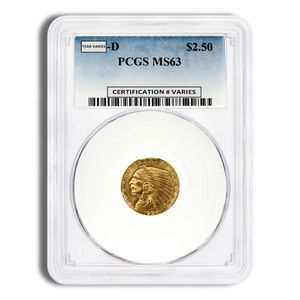
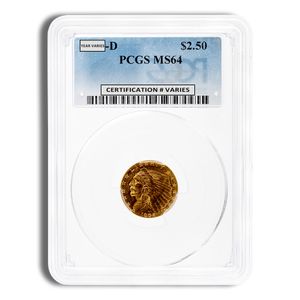
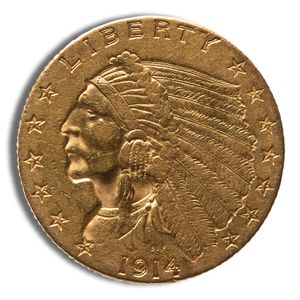
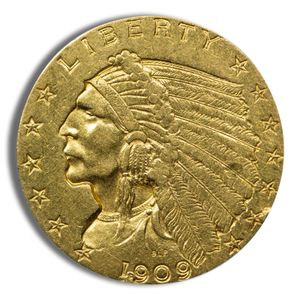
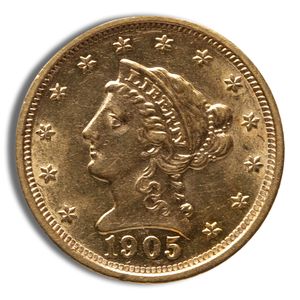
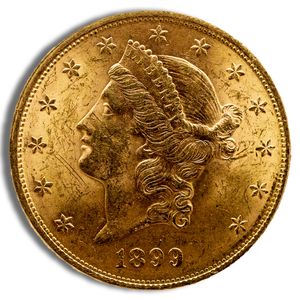
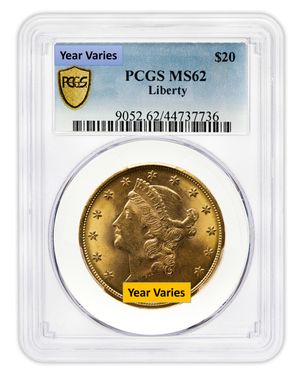
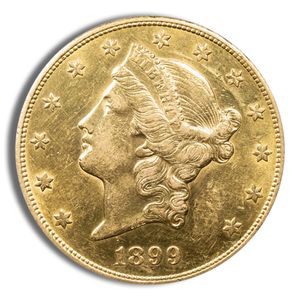
The U.S. Mint supplies more of this page than any other source. Alongside BU and proof American Gold Eagles, you'll find American Gold Buffalos, the American Liberty High Relief series, the 2016-W centennial gold Mercury dimes and Walking Liberty halves, modern gold commemoratives and the full run of pre-1933 types, including the Indian Princess dollar, Liberty Head and Indian Head eagles and half eagles, and both the Liberty Head and Saint-Gaudens double eagles. The Perth Mint ranks next, with Australian Lunar coins from Series I, II and III plus Kangaroos and the earlier 2 oz Nuggets.
World government mints round out the coin selection. Casa de Moneda de México strikes the Libertads, Centenarios and smaller peso coins, the Royal Mint produces Britannias, Queen's Beasts and sovereigns, and the Royal Canadian Mint issues Maple Leafs, including the Twin Maple Leaf. Krugerrands come from the South African Mint, Pandas from the China Mint, Philharmonics from the Austrian Mint and 20 franc pieces from the Monnaie de Paris, with smaller offerings from Swissmint, the Imperial Russian Mint and several German mints.
Gold bars and rounds come from established refiners, including PAMP Suisse with its Lady Fortuna and Lunar Azure Dragon designs, Valcambi, Credit Suisse, Engelhard, Istanbul Gold Refinery, Argor-Heraeus, Geiger Edelmetalle, Asahi Refining and Johnson Matthey. Valaurum produces the Goldbacks, issued in state designs such as Arizona, Florida, Idaho and Oklahoma, while Valcambi's CombiBar can be snapped into individual gram pieces. Product variations include random year listings, sealed or unsealed mint packaging, multi-coin proof sets and graded coins in sonically sealed holders.
Pricing, Premiums, and Market Factors
Every gold product starts with the spot price, the live market price for an ounce of unfabricated gold. The premium above spot covers what it takes to turn raw metal into a finished, distributed product: refining, minting, packaging, wholesale handling and dealer costs. Because spot moves throughout the trading day, our prices update with it, while each product's premium reflects its own supply and demand.
Premiums vary widely across a selection this broad. Larger bars generally carry the lowest premium per ounce, while fractional coins and gram bars cost more per ounce because the minting work is spread across less metal. Proof finishes, presentation boxes, high grades from NGC or PCGS and limited series designs add further cost, and pre-1933 coins are priced on condition and type as much as on gold weight. Random year listings usually sit at the lower end of a series because you're paying for gold content rather than a specific date.
We think buyers deserve to see the full picture before they commit. Each product page shows the bid/ask spread, and our research tools let you compare premiums, historical premium ranges and spread tightness across the catalog. Since we also buy back what we sell, those spreads describe a real two-way market rather than a one-sided retail price.
Condition, Packaging, and What to Expect
Brilliant uncirculated bullion coins are produced at high speed, so minor contact marks, small spots or slight toning are normal and don't affect gold content. Sealed listings, such as many Gold Pandas and Maple Leafs, arrive in their original mint packaging, while other coins ship in protective capsules, flips or mint tubes. Proof coins are offered with their original box and certificate of authenticity where the listing says so.
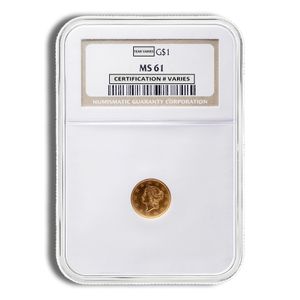
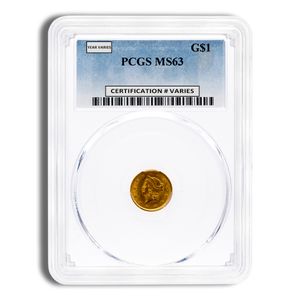
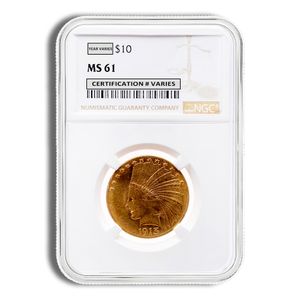
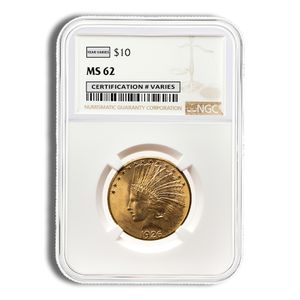
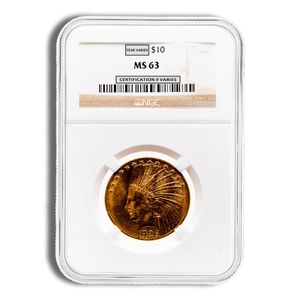
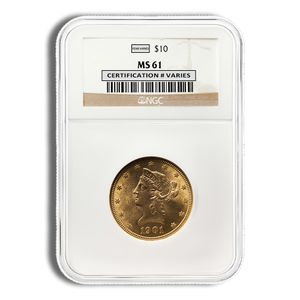
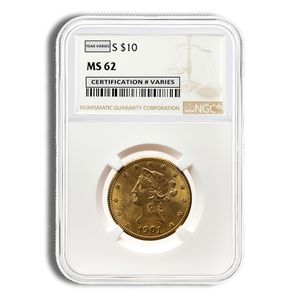
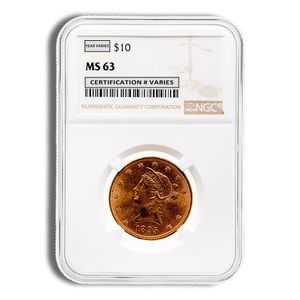
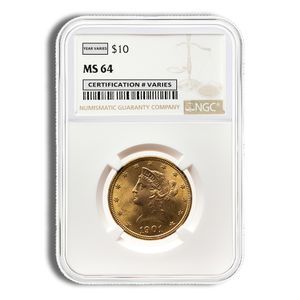
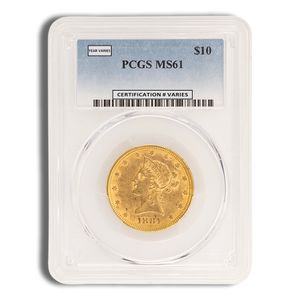
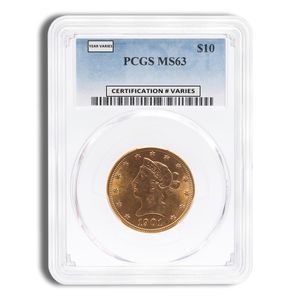
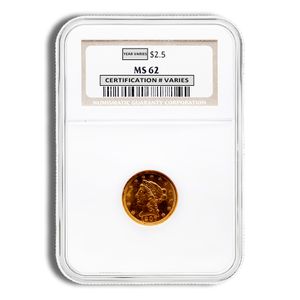
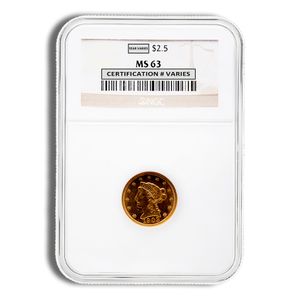
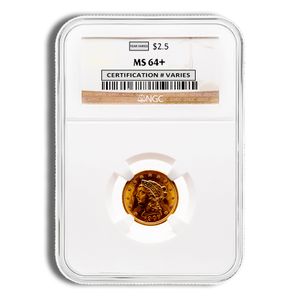
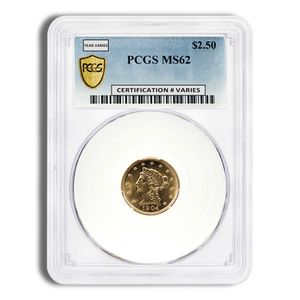
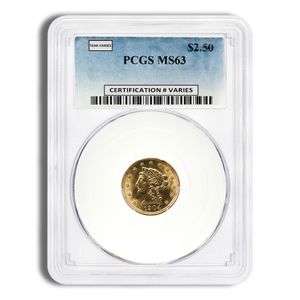
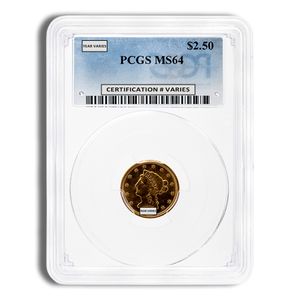
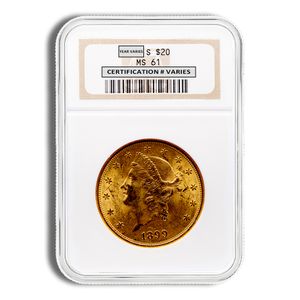
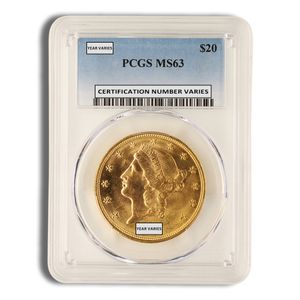
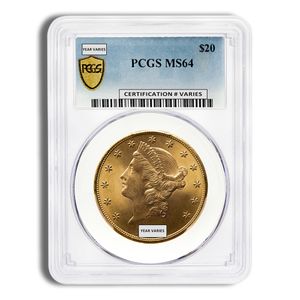
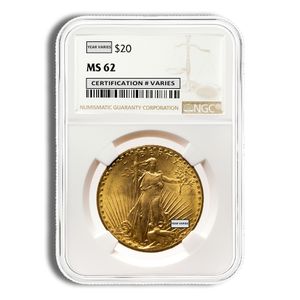
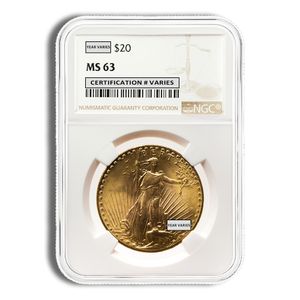
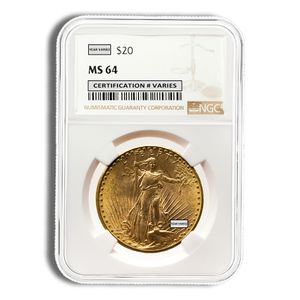
Bars listed as "In Assay Card" come sealed in tamper-evident packaging that should stay intact to preserve verification. Certified coins arrive in their NGC or PCGS holders with the grade printed on the label. Circulated pre-1933 coins and historic sovereigns are described by grade, such as VF, XF or AU, and listings marked impaired, cleaned or low grade are clearly labeled so you know exactly what you're buying.
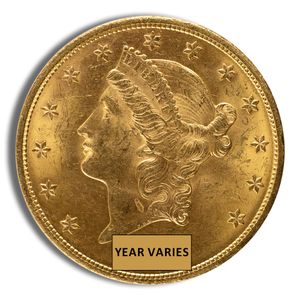
Random year listings mean we select the date from available inventory, so the year you receive may differ from the photo. Design, purity and weight remain consistent across the series, which is what those listings are built around. Every order is packed to keep coins, cards and holders from shifting in transit.
Authenticity and Verification
We source our gold from mints, refineries, wholesalers and distributors with established track records, and every product is checked for authenticity, weight and purity before it reaches a customer. That process matters more in gold than in any other metal, because gold's high value per ounce makes it an attractive target for counterfeiters.
Verification combines several independent checks. Weight and dimensions are measured against published specifications, and nondestructive electronic testing confirms the metal's composition without marking the surface. Assay cards add a further layer by tying a bar's serial number to its stated weight and fineness, and recent Gold Maple Leafs and Britannias carry mint-applied security features such as micro-engraved marks.
Certified coins carry their own safeguards. NGC and PCGS holders are sonically sealed and include a certification number that can be looked up on the grading service's website, and we're an authorized dealer for both. Bullion Standard is also a member of the American Numismatic Association and the National Coin and Bullion Association and maintains an A+ rating with the Better Business Bureau.
Liquidity and Resale Considerations
The most widely traded gold products share three traits: a recognizable issuer, a standard weight and a known fineness. American Gold Eagles, Buffalos, Maple Leafs, Krugerrands and Philharmonics fit that profile, which is why dealers around the world quote them readily. Bars from major Swiss refiners in intact assay cards are similarly straightforward to price.
Other formats follow different resale paths. Graded and pre-1933 coins are valued on grade, type and collector demand as well as gold content, so their buyback pricing reflects the numismatic market. Goldbacks, commemorative issues and limited series designs trade in narrower circles, and buyers who expect to sell should factor that in from the start.
Fractional pieces offer flexibility because you can sell a portion of a holding at a time, though their wider spreads mean each sale gives up a little more per ounce. Checking the bid/ask spread on a product page before buying is the simplest way to see how efficiently that item trades today.
Storage and Security
Gold packs a great deal of value into a small space, so a modest home safe can hold a meaningful amount. If you store at home, choose a fire-rated safe that's bolted down, keep its location private and check whether your homeowner's policy covers bullion or needs a separate rider.
For larger holdings, a bank safe deposit box or a private depository adds distance between your gold and your home. Keep in mind that safe deposit box contents aren't insured by the FDIC, so separate coverage is worth arranging, while professional depositories typically include insurance and audit procedures with their storage agreements.
Packaging protects condition, so keep proofs in their capsules and boxes, bars in their assay cards and graded coins in their holders. Handle loose coins by the edge, ideally with cotton gloves, and store them in mint tubes or inert capsules away from humidity. Goldbacks are thin and should be stored flat in protective sleeves so they don't crease.
Selling and Buyback Options
Because we operate a two-way market, the dealer you buy gold from is also ready to buy it back. Our purchasing team quotes against live market pricing, and once your metal arrives it goes through the same verification steps we apply to our own inventory before payment is issued.
Buyback prices depend on what you're selling. Widely recognized bullion coins and branded bars in intact packaging usually receive the strongest bids relative to spot, while impaired coins, opened assay cards or less familiar issues may be priced closer to melt value. Graded and pre-1933 coins are quoted on type and grade, and current wholesale demand affects every product.
Bullion Standard Pro members can see their holdings valued at live executable wholesale bid prices, which shows what a portfolio would realistically fetch today rather than an estimated retail figure. That makes it easier to decide when and what to sell with clear expectations.
Why Buy Physical Gold Bars, Rounds, & Coins?
Physical gold is a tangible asset you hold directly, independent of any bank's balance sheet or any fund's management. Its demand comes from several distinct sources at once: jewelry fabrication, which accounts for a large share of annual consumption, central bank purchases, private bar and coin buying, and technology uses in electronics and dentistry, where gold's conductivity and resistance to corrosion are hard to replace.
Supply shifts slowly. New mine output takes years to bring online and grows only gradually, and recycled jewelry and scrap make up much of the rest of each year's supply. That steady supply structure, combined with gold's global recognition, is why standardized bullion coins and bars can be bought and sold almost anywhere.
Format flexibility is the other advantage of a broad selection like this one. You can put most of your budget into low-premium 1 oz coins or bars, add fractional pieces for easier partial sales, and include graded or pre-1933 coins if history and condition interest you. Choosing the mix that suits your goals is easier when every format sits on one page.
Why Buy from Bullion Standard?
Bullion Standard has been a United States-based precious metals dealer since 2010, headquartered in San Diego, California. We've grown from a local operation into a national online marketplace on a simple principle: you only get one chance to earn someone's trust in this business. That shapes how we price, source and support every order.
Our pricing is built for clarity, with live market quotes, visible bid/ask spreads and research tools that let you compare products on objective data instead of marketing claims. Checkout is secure and flexible, accepting Visa, Mastercard, American Express, Discover, PayPal, bank-connected payments through Plaid, wire transfer, paper check and cryptocurrency through BitPay.
Behind each order is a verified supply chain and a customer-first support team. Because we stand ready to buy back what we sell, our relationship with customers continues well past the first purchase, and we'd rather earn repeat business through transparency than through pressure.
Get Near-Spot Pricing with Bullion Standard Pro
Bullion Standard Pro gives members access to live, executable wholesale bid and ask pricing across a broad range of gold products. Instead of indicative quotes, members see the prices at which products actually trade at the wholesale level, and they transact at those prices without additional dealer markups or dealer spreads.
That structure lets premiums and spreads move naturally with supply, demand and liquidity, which is especially useful in gold, where a 1 oz Krugerrand, a Lunar coin and a 10 oz bar can each behave quite differently. Members also get proprietary market intelligence, including historical premium analysis, premium percentile rankings, spread and liquidity metrics, wholesale market activity and buy/sell ratio indicators.
For repeat buyers and anyone sensitive to price, Pro turns gold purchasing into a market-oriented process grounded in observable data. Combined with real-time portfolio valuation at wholesale bid, it offers a clearer view of both the cost of buying gold and its liquidity when you decide to sell.


 (833) 278-4653