Buy Constitutional 90% Silver Online
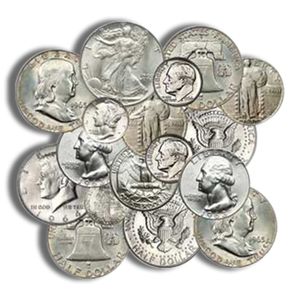
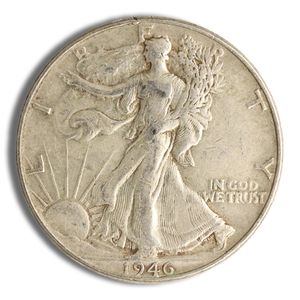
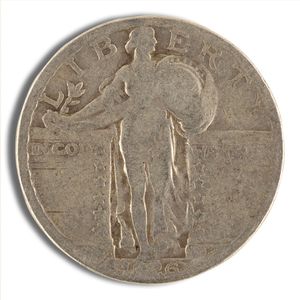
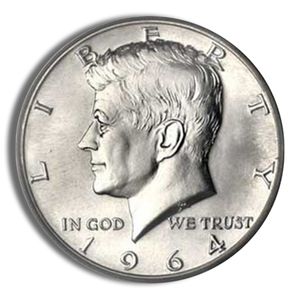
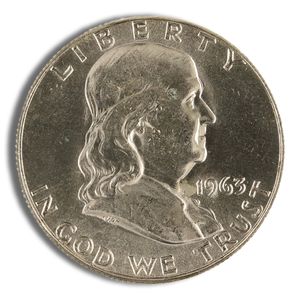
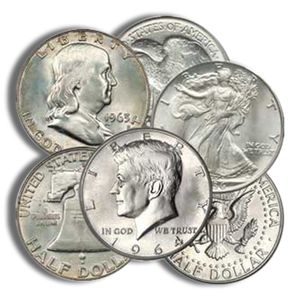
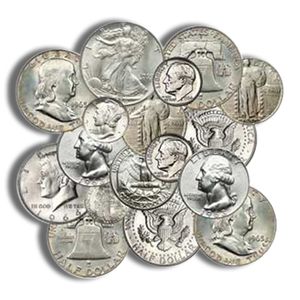
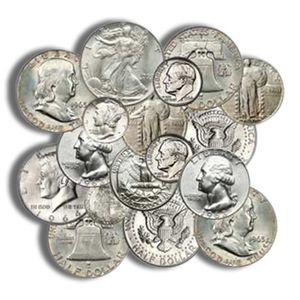
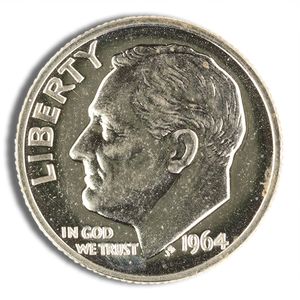
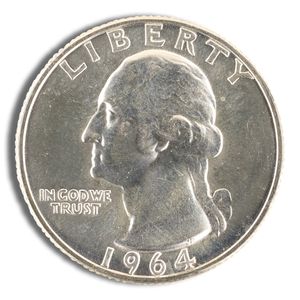
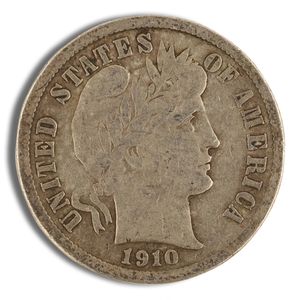
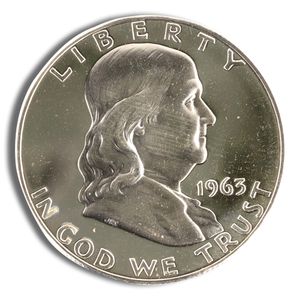
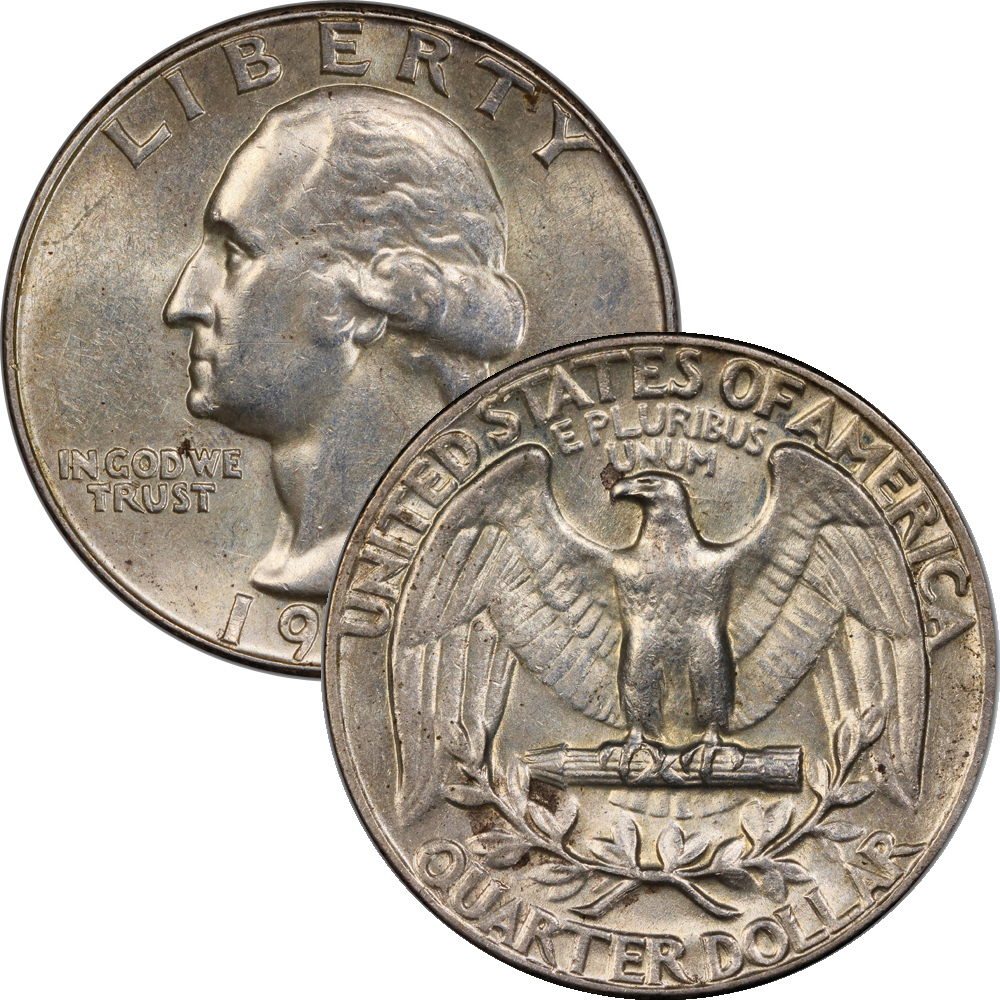
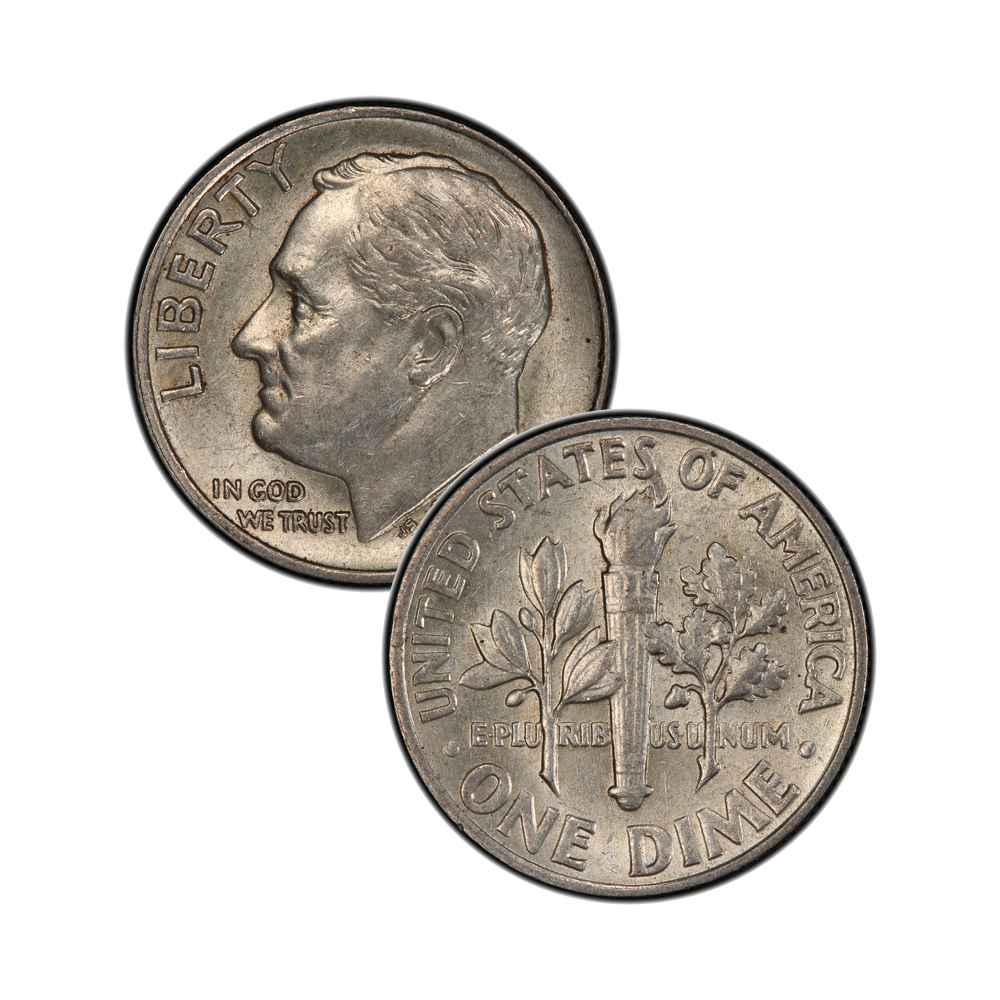
Bullion Standard carries one of the most comprehensive selections of constitutional 90% silver available online, spanning the full range of denominations, coin types, and condition grades that serious buyers expect to find in one place. Our catalog includes Roosevelt dimes, Mercury dimes, Barber dimes, Washington quarters, Barber quarters, Standing Liberty quarters, Walking Liberty half dollars, Franklin half dollars, 1964 Kennedy half dollars, and mixed denomination lots, all struck in 90% silver by the United States Mint and priced per dollar of face value.
Products are available across multiple condition grades, from cull and circulated rolls to XF, AU, and BU examples, along with proof-finish specimens where applicable. Whether you're sourcing circulated junk silver at a tight premium or looking for BU examples of a specific coin type, the catalog covers the full spectrum. All listings are priced against live silver spot prices, with premiums clearly displayed alongside buyback pricing so you can evaluate the complete cost of ownership before committing to a purchase.
Bullion Standard has been a trusted precious metals marketplace since 2010, and constitutional silver is one of the most actively traded categories on the platform. Our sourcing relationships and two-way market structure allow us to maintain competitive pricing on both the buy and sell side, offering buyers not just access to product but also a clear path to liquidity when the time comes to sell.
What Are Constitutional 90% Silver Coins?
Constitutional silver refers to pre-1965 United States circulating coinage that was struck with 90% silver and 10% copper content. This includes dimes, quarters, and half dollars produced by the United States Mint from the late 1800s through 1964, the final year any silver was used in standard circulation coinage. The term "constitutional silver" reflects the long-standing legal framework governing U.S. coinage composition, while the more colloquial term "junk silver" simply indicates that these coins carry no numismatic premium beyond their silver melt value.
Each dollar of face value in 90% silver coinage contains approximately 0.715 troy ounces of silver, a figure derived from the actual silver content across each denomination. A single Washington quarter contains roughly 0.1808 troy ounces, a Roosevelt or Mercury dime contains about 0.0723 troy ounces, and a Walking Liberty or Franklin half dollar contains approximately 0.3617 troy ounces. These consistent silver weights make constitutional coins a straightforward and divisible form of physical silver that doesn't require assay verification to confirm its value.
Because these coins were produced by the U.S. government and circulated for decades, they are instantly recognizable, standardized, and universally accepted within the bullion market. Their combination of small denomination sizes, well-known silver content, and established market familiarity makes constitutional silver one of the most accessible formats for buyers seeking physical silver with built-in divisibility.
History and Background
The United States began striking silver coinage in the 1790s under the Coinage Act of 1792, which established the basic framework for American monetary denominations. Silver dimes, quarters, and half dollars became the backbone of everyday commerce throughout the 19th and early 20th centuries. The specific alloy composition of 90% silver and 10% copper remained largely unchanged for well over a century, producing an enormous volume of silver coinage that has since found a second life in the bullion market.
The Coinage Act of 1965 ended silver coinage in U.S. circulation, replacing the standard silver alloy with copper-nickel clad compositions for dimes and quarters. Half dollars were briefly struck in a reduced 40% silver composition between 1965 and 1970 before transitioning to base metal entirely. The removal of silver from circulation effectively created a fixed and finite supply of 90% silver coinage, as no new production has occurred since 1964. That finite supply is a defining characteristic of the constitutional silver market today.
Over the following decades, the pre-1965 coins accumulated in private collections, bank vaults, and dealer inventories, gradually reentering the market as silver prices fluctuated. By the late 20th century, constitutional silver had become firmly established as a recognized bullion category in its own right, traded on the basis of face value and silver content rather than numismatic rarity. The category gained renewed mainstream attention during periods of elevated silver prices and has remained a staple of the retail bullion market ever since.
Purity, Weight, and Specifications
All constitutional 90% silver coins are composed of 90% silver and 10% copper, a composition that was standardized across U.S. dimes, quarters, and half dollars produced prior to 1965. The standard silver content per dollar of face value is 0.715 troy ounces for circulated coinage, reflecting actual wear across a large population of coins. Some reference sources cite 0.7234 troy ounces per dollar of face value based on the theoretical silver content of uncirculated coins, a figure you may encounter on certain proof or BU listings.
Individual coin specifications vary by denomination. Dimes, including the Barber, Mercury, and Roosevelt types, measure 17.9 millimeters in diameter and approximately 1.35 millimeters thick. Washington and Barber quarters measure 24.26 to 24.3 millimeters in diameter and 1.75 millimeters thick. Half dollars, including the Walking Liberty, Franklin, and 1964 Kennedy designs, measure approximately 30.6 to 30.63 millimeters in diameter with varying thickness depending on the specific type. No assay card or third-party verification is required to confirm the silver content of genuine pre-1965 U.S. coinage, as the composition and specifications are a matter of documented historical record.
Purity is uniformly 0.9 fine across all constitutional silver denominations and coin types, with no variation between designs or issuing mints. Coins were produced at several U.S. Mint facilities, including Philadelphia, Denver, and San Francisco, each identifiable by the mint mark stamped on the coin when present. The consistency of composition across all producing facilities is one of the reasons constitutional silver trades as a commodity rather than as individually graded collectibles in most bullion market transactions.
Available Brands, Mints, and Product Variations
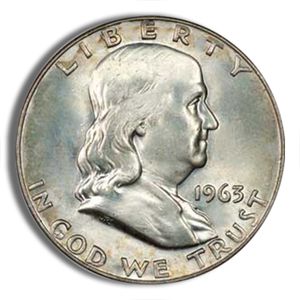
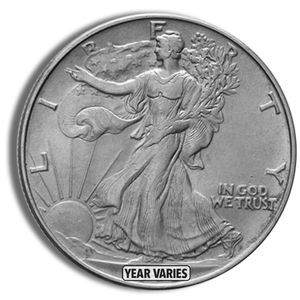
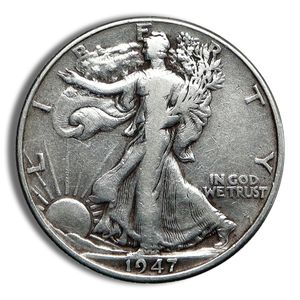
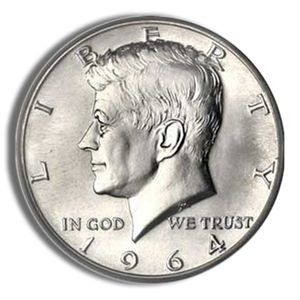
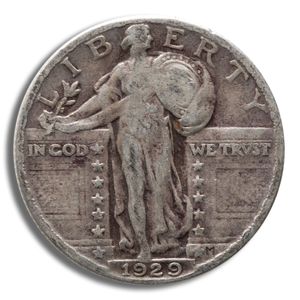
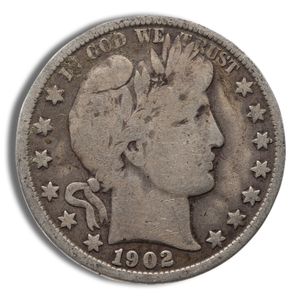
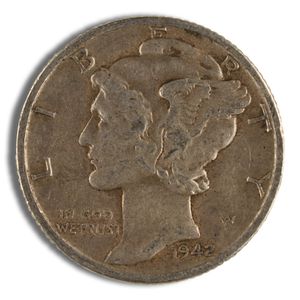
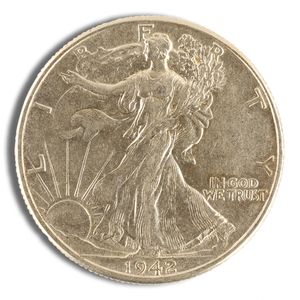
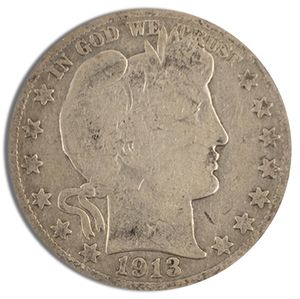
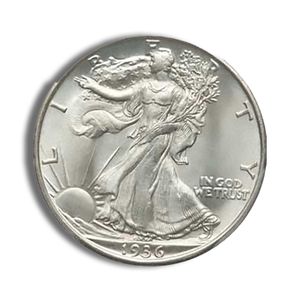
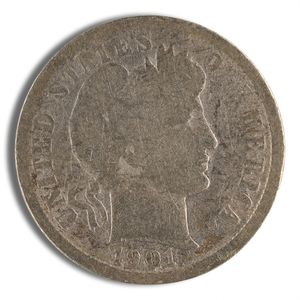
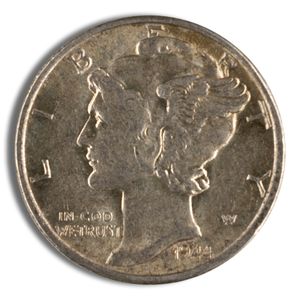
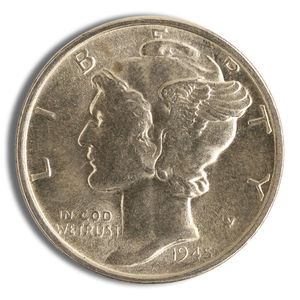
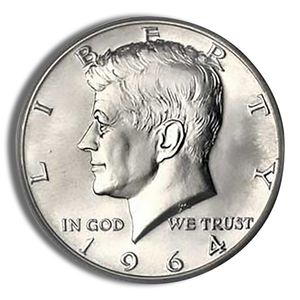
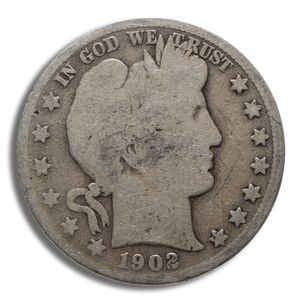
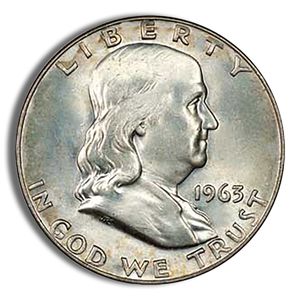
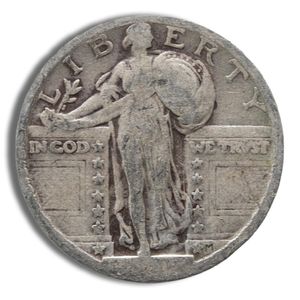
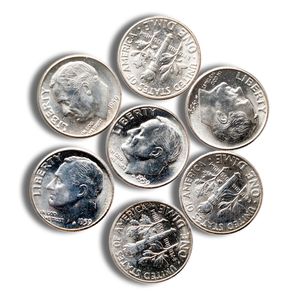
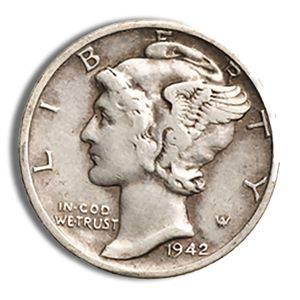
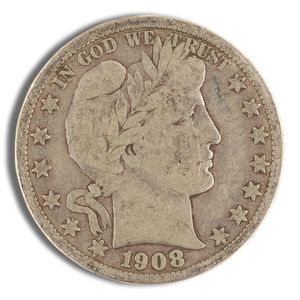
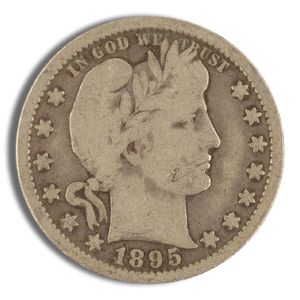
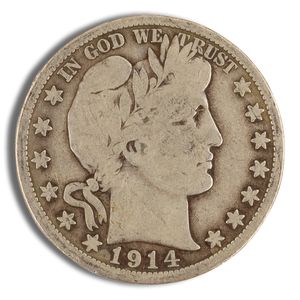
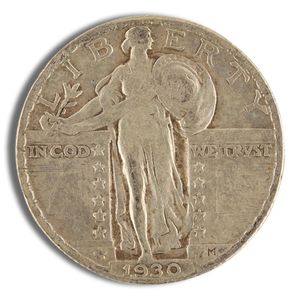
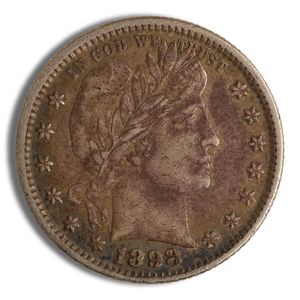
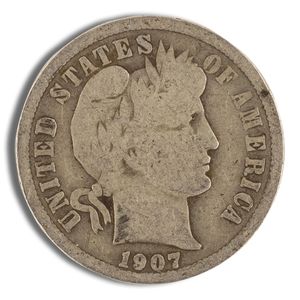
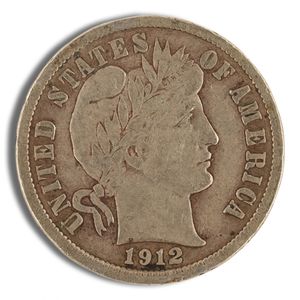
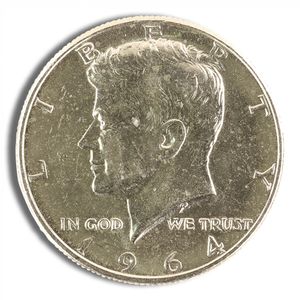
All constitutional silver coins in our catalog were produced by the United States Mint at various facilities and are sold on the basis of silver content rather than individual numismatic value. The product selection spans several distinct coin types across three denominations. Dime options include the Barber dime, struck from 1892 to 1916 with a classic Liberty head obverse; the Mercury dime, produced from 1916 to 1945 with the winged Liberty cap design; and the Roosevelt dime, minted from 1946 through 1964 in 90% silver. Quarter selections include the Barber quarter, the Standing Liberty quarter, and the Washington quarter, each representing a different era of American coinage design. Half dollar options include the Barber half, Walking Liberty half, Franklin half, and the 1964 Kennedy half dollar, which was the last 90% silver half dollar produced for circulation.
Within each coin type, products are offered across multiple condition grades. Circulated grades range from cull and impaired coins through Good, Fine, VF (Very Fine), XF (Extremely Fine), and AU (About Uncirculated). BU (Brilliant Uncirculated) and proof-finish examples are also available for select coin types including the 1964 Kennedy half dollar, Walking Liberty half dollar, Franklin half dollar, Mercury dime, Roosevelt dime, and Washington quarter. Condition grade affects both the premium paid and the product's appeal to collectors and type-coin enthusiasts who purchase constitutional silver for reasons beyond its raw melt value.
Mixed denomination lots are available for buyers who prefer flexibility in face value composition without committing to a specific coin type. These lots, listed as any denomination, combine circulated examples across dimes, quarters, and half dollars to achieve the standard 0.715 troy ounces of silver per dollar of face value. Most products are sold in random year format, meaning the specific dates you receive will vary based on available inventory. Specific year products, such as the 1964 Kennedy half dollar, are listed separately where applicable.
Pricing, Premiums, and Market Factors
Constitutional silver is priced against the live silver spot price with a premium expressed as a percentage or dollar amount above melt value. Because the silver content per face dollar is standardized at approximately 0.715 troy ounces, the base melt value of any constitutional silver lot is straightforward to calculate using current spot pricing. The premium paid above melt depends on the specific coin type, condition grade, current supply availability, and overall market demand for physical silver.
Premiums on circulated constitutional silver tend to be among the tightest in the broader silver market, reflecting the coin's commodity-like trading characteristics and widespread market recognition. Higher-grade examples, including AU and BU coins, carry additional premiums above their melt value that reflect their improved eye appeal and reduced availability in the secondary market. Proof-finish pieces command further premiums beyond BU coins given their limited original production and collector demand. Supply and demand conditions within the secondary market, where the vast majority of constitutional silver originates, can also cause premiums to shift during periods of elevated buying pressure or constrained physical availability.
Bullion Standard displays both the ask price and the bid price on each product listing, giving buyers a transparent view of the full transaction picture before making a purchase. The spread between buy and sell pricing reflects current market conditions, liquidity, and product-specific factors, and it evolves over time as those dynamics change. Understanding the spread, not just the purchase premium, is central to evaluating the true cost of ownership for any physical silver product, and that transparency is a deliberate part of how we structure pricing across our platform.
Condition, Packaging, and What to Expect
Circulated constitutional silver is sold in loose, unsorted condition without individual protective packaging. Coins graded as average circulated will show natural wear consistent with decades of handling, and may include minor contact marks, spots, or surface irregularities that are entirely normal for coins of this age and category. Cull or impaired coins may show more significant wear, cleaning, or damage but remain genuine U.S. silver coinage with full silver melt value intact.
Higher-grade products including VF, XF, AU, and BU examples are sorted for condition before packaging and represent a step up in visual quality. BU coins will exhibit minimal wear with original luster largely intact, while AU examples may show slight high-point wear but retain significant luster. Proof-finish specimens were struck at the U.S. Mint with polished dies and have mirror-like fields with frosted devices; they are typically stored individually or in original mint packaging when available, though condition and packaging can vary on secondary-market examples.
Products marked as random year will ship with coins from mixed dates across the available inventory for that type. No specific date or mint mark is guaranteed unless the listing explicitly specifies a year, such as the 1964 Kennedy half dollar listings. Buyers should expect coin quantities consistent with the face value listed: ten dimes, four quarters, or two half dollars per dollar of face value. All products are shipped with appropriate protective packaging to prevent damage in transit, and larger orders may ship in plastic tubes or sealed bags depending on quantity and denomination.
Authenticity and Verification
Genuine pre-1965 U.S. silver coinage is among the easiest bullion products to authenticate in the market. The United States Mint's production standards, coin specifications, and alloy compositions are thoroughly documented and widely understood by dealers, collectors, and grading services alike. Key indicators of authenticity include correct weight, diameter, thickness, and the distinctive ring of a 90% silver coin when dropped on a hard surface, which differs noticeably from copper-nickel clad coinage.
All constitutional silver sold through Bullion Standard is verified for authenticity before reaching our customers. Our sourcing relationships with established wholesalers, distributors, and the secondary dealer market ensure that products are genuine United States Mint-issued coinage. Bullion Standard is an authorized dealer for both PCGS and NGC, and coins that carry third-party grading certification will be noted in the listing description. Our purchasing team applies consistent verification standards to all incoming inventory, and any coin that does not meet authenticity requirements is rejected from our fulfillment pipeline.
For buyers who want additional assurance, third-party grading services including PCGS and NGC offer encapsulation services that authenticate and grade individual coins in tamper-evident holders. While most constitutional silver trades without certification at the bullion level, certified examples of key dates or high-grade BU coins may carry a grading label that provides an independent quality assessment. Our team can provide guidance on which products benefit most from third-party certification for buyers who want that level of verification.
Liquidity and Resale Considerations
Constitutional 90% silver is one of the most liquid categories in the physical silver market. The standardized silver content, government mint origin, and decades of established secondary market trading mean these coins are recognized and accepted by virtually every bullion dealer, coin shop, and precious metals exchange in the United States. The face value denomination structure also makes constitutional silver easy to price and transact without the need for individual weight verification or assay confirmation.
Circulated constitutional silver trades primarily on its silver melt value, which means liquidity is closely tied to current spot pricing and secondary market demand for physical silver. Higher-grade examples, particularly BU and proof coins, may appeal to collectors willing to pay a premium above melt, which can improve resale flexibility in some market conditions. However, most constitutional silver transactions at the bullion level are driven by melt value, and buyers should set expectations accordingly.
Product type, condition, and denomination can all influence the ease and speed of resale. Walking Liberty halves, Mercury dimes, and 1964 Kennedy half dollars are among the most actively traded types in the secondary market, while less common types such as Barber coinage may attract a narrower pool of buyers depending on the venue. Understanding these distinctions before purchasing allows buyers to choose products that best match their liquidity preferences.
Storage and Security
Constitutional silver is well-suited to flexible storage arrangements given the relatively modest bulk of individual coins and the ease of packaging rolls or bags by denomination. Small quantities can be stored in a quality home safe with adequate fire and theft resistance. Larger accumulations benefit from professional vault storage or bank safe deposit boxes, where environmental controls help prevent the tarnishing and toning that can develop on silver over time.
Exposure to humidity, sulfur compounds, and direct air contact will accelerate toning on circulated silver coins over time. While toning does not affect the melt value of constitutional silver, buyers who prioritize visual condition on higher-grade examples should use airtight coin flips, tubes, or sealed bags and store products in a stable, low-humidity environment. Avoid storing silver coins in direct contact with rubber bands, PVC-containing plastic materials, or paper products that contain acids, as these can cause surface damage over extended periods.
For buyers accumulating larger positions in constitutional silver, segregated vault storage through an insured third-party custodian is worth considering. Professional storage facilities maintain controlled environments specifically designed for precious metals and typically offer insurance coverage as part of the storage arrangement. Bullion Standard can connect buyers with recommended storage solutions when larger holdings require a more structured approach.
Selling and Buyback Options
Selling constitutional silver back into the market is straightforward when working with a dealer who maintains an active two-way market structure. Bullion Standard posts live buyback pricing on each product listing, allowing sellers to see the current bid price before initiating a transaction. This transparency eliminates the guesswork often associated with dealer buyback programs and allows sellers to make informed decisions based on current market conditions rather than after-the-fact quotes.
Buyback pricing for constitutional silver is driven primarily by the current silver spot price, with adjustments based on coin type, condition, and denomination. Circulated mixed lots and common-type circulated coinage are purchased on a near-melt basis, while higher-grade examples including AU and BU coins may qualify for improved buyback pricing that reflects their above-melt market value. The condition, packaging, and denomination mix of a lot can all influence the final buyback figure, and our purchasing team evaluates each transaction individually to provide accurate and competitive pricing.
Sellers can initiate the process directly through our platform by requesting a quote and following the streamlined verification and shipping instructions provided by our team. Payment is processed promptly following receipt and verification of the coins, and sellers can choose from multiple payment methods consistent with our standard transaction options. Our goal is to make the sell-side process as efficient and transparent as the buying experience, reinforcing the two-way market philosophy that distinguishes Bullion Standard from conventional retail-only dealers.
Why Buy Constitutional 90% Silver?
Constitutional silver offers a combination of characteristics that are difficult to replicate with other silver formats. The built-in divisibility of dime, quarter, and half dollar denominations makes it easy to buy, sell, or trade precise quantities of silver without cutting bars or estimating fractional weights. Each denomination represents a known and easily calculated silver weight, which simplifies transactions at the dealer level and provides practical flexibility for buyers who want physical silver in manageable units.
The government-issued origin and long secondary market history of constitutional silver also contribute to its universal acceptance within the bullion market. These coins require no assay card, no packaging verification, and no mint hallmark inspection to confirm their silver content, because the composition is a matter of public record backed by well over a century of documented U.S. Mint production. This simplicity lowers the friction associated with buying and reselling compared to privately produced silver rounds or bars from less-recognized refineries.
For collectors and type-coin enthusiasts, constitutional silver offers an additional layer of appeal beyond its melt value. Coin types including the Mercury dime, Walking Liberty half dollar, and Standing Liberty quarter are considered among the finest examples of American coin design and attract buyers interested in the historical and artistic dimensions of U.S. coinage. BU and proof-finish examples of these types can carry meaningful premiums above melt while still trading within a well-established and recognizable market framework.
Why Buy from Bullion Standard?
Bullion Standard was founded in 2010 with a straightforward objective: to build a precious metals marketplace where pricing is transparent, sourcing is trustworthy, and customers have access to the information needed to make informed decisions. That philosophy has guided every aspect of our operation for over a decade and is reflected in our A rating with the Better Business Bureau and active memberships in both the American Numismatic Association and the National Coin and Bullion Association.
Every product in our constitutional silver catalog is sourced from established wholesalers, distributors, and the secondary dealer market and verified for authenticity, weight, and silver content before fulfillment. Our status as an authorized dealer for both PCGS and NGC reflects the authentication standards we apply across our inventory. Customers can shop with confidence knowing that the coins they receive meet the specifications described in each listing.
Our platform supports a wide range of payment methods including Visa, Mastercard, American Express, Discover, PayPal, bank-connected payments through Plaid, wire transfer, paper check, and cryptocurrency through BitPay, giving buyers the flexibility to transact in the way that works best for them. Checkout is secured using industry-standard encryption, and our fulfillment team prioritizes accurate, well-packaged shipments that arrive in the condition described. Responsive customer support is available throughout the buying and selling process, ensuring that every transaction meets the standard of service our customers expect from a nationally recognized precious metals marketplace.
Get Near-Spot Pricing with Bullion Standard Pro
Bullion Standard Pro is designed for buyers who want access to executable wholesale pricing on physical silver rather than standard retail pricing structures. Members transact directly at live wholesale bid and ask prices without dealer markups or fixed retail spreads applied on top. For buyers accumulating meaningful positions in constitutional silver over time, the difference in execution pricing can add up quickly across multiple transactions.
Beyond pricing efficiency, Pro members gain access to a full suite of market intelligence tools including real-time portfolio valuation based on live wholesale bid pricing, historical premium analysis, bid/ask spread metrics, liquidity indicators, and buy/sell ratio data across the broader physical silver market. These tools are designed to help buyers evaluate constitutional silver and other bullion products using objective market data rather than marketing claims or static price lists.
The platform also provides real-time portfolio visibility using executable wholesale prices rather than estimated retail values, giving members a more accurate picture of what their holdings are worth at current market conditions. For buyers who want to approach physical silver with the same analytical clarity typically available in traditional financial markets, Bullion Standard Pro provides a level of market access and transparency that is not available through conventional retail dealer channels.

 (833) 278-4653