Buy Silver Bullion Online
Our catalog of silver bullion spans one of the broadest selections available from any online precious metals dealer, covering coins, bars, rounds, grain, and specialty formats across a wide range of weights, mints, and refineries. Whether you're looking at a 1 oz silver Canadian Maple Leaf from the Royal Canadian Mint, a 100 gram bar from Geiger Edelmetalle, or a 1 kilo cast bar from Valcambi, the selection here is designed to reflect the full depth of the physical silver market rather than a curated handful of popular products.
Formats range from fractional rounds as small as 1/10 oz to 1,000 oz cast bars eligible for COMEX and LBMA delivery. Government-issued coins from the Perth Mint, the Austrian Mint, the South African Mint, and the Royal Canadian Mint sit alongside privately minted bars from Johnson Matthey, Engelhard, Sunshine Mint, and Frontier Mint. Grain and shot products, CombiBar formats, and assay-sealed bars round out a catalog built to meet a wide range of buying objectives.
Bullion Standard's marketplace is structured around transparent pricing, verified sourcing, and a two-way market model that accounts for both acquisition and resale from the moment you browse. Every product page displays current bid and ask pricing so you understand the full picture before committing to a purchase.
What Are Silver Bullion Products?
Silver bullion refers to physical silver in a form that derives its primary value from metal content rather than numismatic rarity or collectibility. This includes government-minted coins with legal tender status, privately minted bars and rounds, grain and shot products, and specialty formats like CombiBars. What unites these formats is that their pricing is anchored to the live silver spot price, with a premium applied above that baseline to account for fabrication, distribution, and dealer costs.
Coins represent one of the most widely traded forms of silver bullion due to their government backing, standardized weight, and broad market recognition. Bars, both cast and minted, tend to carry lower premiums per troy ounce compared to coins and are commonly chosen by buyers focused on efficient metal accumulation. Rounds occupy a middle ground, offering the aesthetic appeal of coin-style designs without government issuance, often at premiums closer to bar pricing. Fractional formats, including 1/10 oz, 1/4 oz, and 1/2 oz products, allow for more granular buying and greater flexibility when eventually selling smaller quantities.
Silver grain and shot products serve buyers who want the metal in its most minimally fabricated form, typically used in industrial settings or by those looking to minimize fabrication costs entirely. CombiBars, like the 10 x 10 gram Valcambi format in our catalog, offer a divisible bar structure that can be broken into individual gram sections. Each format serves a different buying profile, and understanding those distinctions helps you make a more deliberate purchasing decision.
History and Background
Silver's role as a monetary metal stretches across thousands of years and dozens of civilizations, but its modern bullion market took shape primarily in the second half of the twentieth century. The collapse of the Bretton Woods system in 1971 and the subsequent decoupling of silver from fixed monetary use created the conditions for a speculative and investment-driven market to emerge. The Hunt Brothers' attempt to corner the silver market in 1979 and 1980 remains one of the most dramatic episodes in modern commodity history, pushing prices to unprecedented highs before a regulatory response and price collapse reshaped the market's structure.
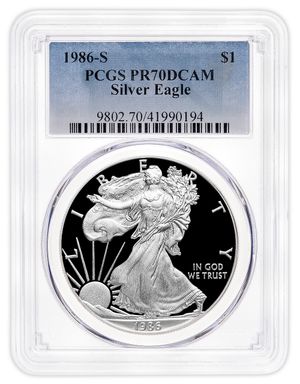
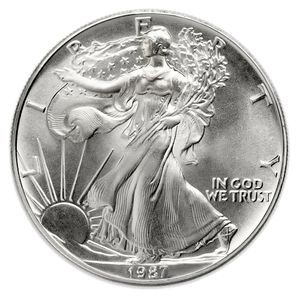
Government silver bullion programs began gaining serious traction in the 1980s. The United States introduced the American Silver Eagle in 1986, the Royal Canadian Mint launched the Maple Leaf series the same year, and the Perth Mint followed with its Kookaburra program in 1990. These programs established the blueprint for government-backed bullion coins and created globally recognized products that remain among the most heavily traded silver instruments today. The Austrian Philharmonic joined the silver market in 2008, and the South African Krugerrand added a silver version in 2017, further expanding the government-coin ecosystem.
Private refiners have played an equally important role. Companies like Engelhard, Johnson Matthey, and Valcambi helped define the standards for hallmarked silver bars in the wholesale and retail markets. Geiger Edelmetalle, the Istanbul Gold Refinery, and PAMP Suisse brought European refining tradition to a globally accessible product format. Today, the silver bullion market includes hundreds of active manufacturers, dozens of government mint programs, and a deep secondary market that ensures broad liquidity for recognized products.
Purity, Weight, and Specifications
The vast majority of silver bullion products carry a purity of either 0.999 or 0.9999 fine, representing 99.9% and 99.99% silver content respectively. A smaller number of products sit at lower purities tied to specific historical or governmental standards, such as the 40% silver Kennedy Half Dollars from 1965 to 1969, the 92.5% silver Mexican Onza Balance Scale coins from 1978 to 1980, and older circulated 90% silver U.S. coinage. These lower-purity products are generally priced to reflect their actual silver content rather than carrying a premium tied to fabrication quality.
Weight conventions in the silver bullion market are expressed in troy ounces, grams, and kilograms depending on the product origin and format. One troy ounce equals approximately 31.1035 grams, a distinction that matters when comparing products labeled in different units. Common weights available in our catalog include 1/10 oz, 1/4 oz, 1/2 oz, 1 oz, 10 oz, and 1 kilo in coin and bar formats, alongside gram-denominated bars in 1 gram, 10 gram, and 100 gram sizes, and larger formats up to 1,000 oz for institutional or wholesale buyers.
Assay cards and sealed packaging serve as the primary form of product verification for minted bars. These typically include printed specifications covering the weight, purity, refinery name, and a unique serial number for larger bars. The presence of an assay card does not guarantee a product's authenticity on its own, but it does establish a documented chain of custody that adds confidence, particularly for buyers who intend to resell through dealer buyback programs or secondary market channels where product traceability matters.
Available Brands, Mints, and Product Variations
Government mints represented in our catalog include the Perth Mint, the Royal Canadian Mint, the Austrian Mint, the South African Mint, The Royal Mint of Great Britain, the China Mint, the Mexican Mint, and KOMSCO of South Korea. Each operates under its home government's authorization and produces coins with legal tender status in their respective countries. The Perth Mint's Kangaroo, Koala, and Kookaburra series are particularly well-regarded for their detailed annual designs and consistent quality across both coin and bar formats. The Royal Canadian Mint's Maple Leaf remains one of the most liquid silver coins in the world, partly due to its laser-engraved security features and 0.9999 purity standard.
Private refiners and mints in our catalog include Geiger Edelmetalle from Germany, Valcambi from Switzerland, PAMP Suisse, the Istanbul Gold Refinery from Turkey, Italpreziosi from Italy, Johnson Matthey, Engelhard, Sunshine Mint, Asahi Refining, Frontier Mint, CNT Mint, Golden State Mint, and Argentia Precious Metals from Canada. Each refiner brings its own design traditions, packaging standards, and market reputation. Geiger bars, for example, are recognized for their distinctive square format and assay card presentation. Engelhard bars and rounds carry collector appeal beyond their metal content due to the brand's legacy status in the North American bullion market.
Product variations extend to finish type, packaging style, and brand-specific design elements. Cast bars have a poured, uneven surface texture that results from molten silver being poured directly into molds, while minted bars are struck from refined silver blanks and feature sharper, more defined designs. Assay-sealed products, such as the Geiger 1 oz bar in an assay card or the Royal Canadian Mint 10 oz minted bar, offer tamper-evident packaging that preserves the product's original condition. Random brand options are also available throughout the catalog for buyers prioritizing metal content over brand specificity.
Pricing, Premiums, and Market Factors
Silver bullion is priced in relation to the live spot price of silver, which reflects real-time trading across global commodity exchanges including COMEX and the London Bullion Market Association. The premium paid above spot accounts for manufacturing costs, logistics, dealer overhead, and current market demand. Premiums are not fixed and change continuously based on wholesale supply conditions, retail buying pressure, and product-specific market dynamics.
Coins from recognized government mints typically carry higher premiums than privately minted bars or rounds, reflecting their legal tender status, government backing, standardized packaging, and broader market recognition. Within the bar segment, cast bars from private refineries tend to carry the lowest premiums per troy ounce, making them a common choice for buyers focused on accumulating metal efficiently. Minted bars occupy a middle position, with premiums that reflect higher fabrication costs and more refined presentation. Fractional products carry proportionally higher premiums than full-ounce or larger formats due to per-unit manufacturing costs.
Bullion Standard's pricing is updated continuously to reflect real-time spot prices and wholesale market conditions. Each product page displays both the current ask price and the bid price, giving you a clear view of the bid/ask spread before any purchase. This spread is a practical measure of a product's current trading efficiency and is one of the more useful data points available when comparing products across different formats, mints, or weight classes. Understanding the spread alongside the premium helps frame the complete cost of ownership more clearly than the purchase price alone.
Condition, Packaging, and What to Expect
Government-issued bullion coins in our catalog listed as Brilliant Uncirculated, or BU, arrive in the condition expected of freshly struck mint products. These coins have not circulated as currency and show no intentional wear, though minor contact marks, bag marks, or handling traces from the minting and packaging process are normal and do not indicate damage or misrepresentation. BU coins are distinct from proof or specimen coins, which are struck to a higher visual standard and typically cost significantly more.
Random year products are a standard part of the silver bullion market and represent the majority of government coin listings. When a product is labeled random year, the specific mint year you receive is determined by current inventory availability and cannot be pre-selected. The year you receive will be consistent with the product description in all other respects, including weight, purity, and mint of origin. Products listed as random brand follow the same logic applied to the supplier rather than the year.
Assay-sealed bars arrive in their original sealed card or packaging and should be stored and handled in that condition to preserve resale value. Loose bars, rounds, and coins not packaged in assay cards are typically inspected and verified by our team before shipment but may show minor cosmetic variation consistent with their product description. Products described as secondary market, average circulated, or imperfect condition are priced to reflect visible wear or cosmetic imperfection while remaining fully verifiable for weight and purity.
Authenticity and Verification
Every product sold through Bullion Standard is verified for authenticity, weight, and purity before it reaches a customer. Our sourcing network includes authorized distributors, established refineries, government mint programs, and recognized wholesale partners, and every product entering our inventory goes through a verification process before being listed or shipped. We maintain authorization as an authorized dealer for both PCGS and NGC, giving us access to professional grading and authentication resources when additional verification is warranted.
At the product level, authenticity is supported through a combination of hallmarks, assay cards, mint-specific security features, and standardized specifications. The Royal Canadian Mint embeds laser-engraved radial lines and micro-text security features in its Maple Leaf coins. The Perth Mint uses a Swan hallmark and, in some products, embedded security technology. Geiger Edelmetalle bars include serial-numbered assay cards, and Sunshine Mint bars incorporate the Sunshine Mint Secure Technology, or MintMark SI, a proprietary anti-counterfeiting feature that can be verified with a special decoder lens.
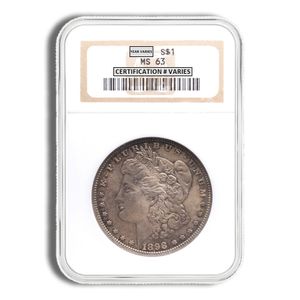
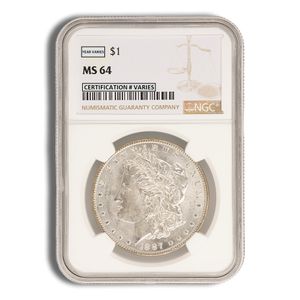
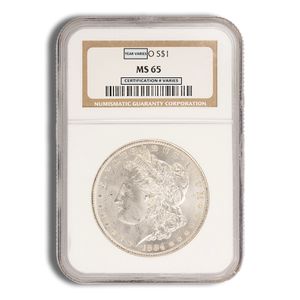
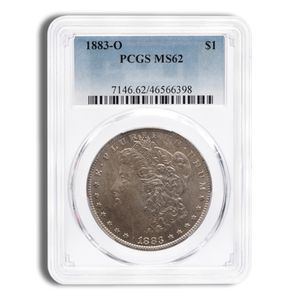
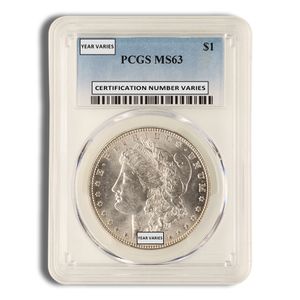
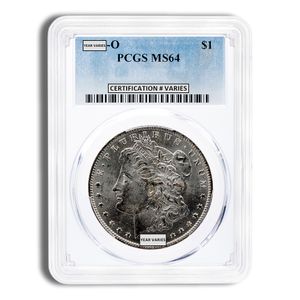
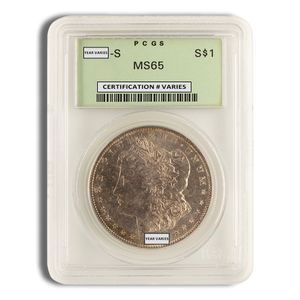
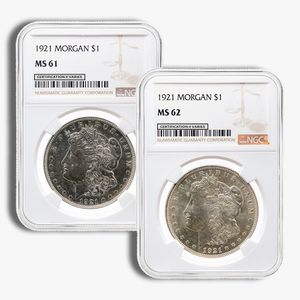
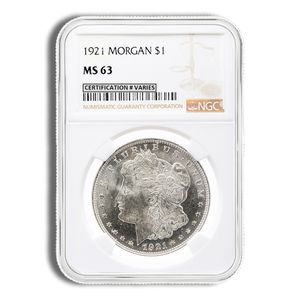
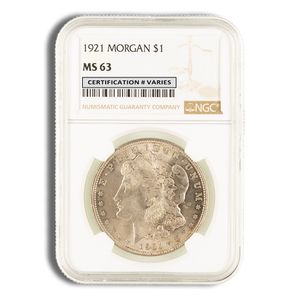
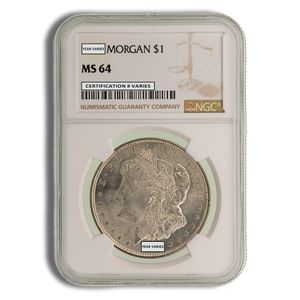
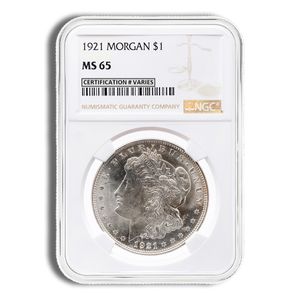
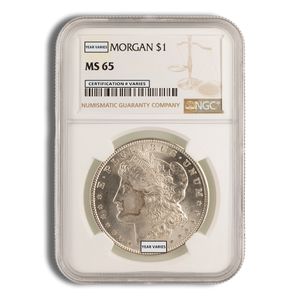
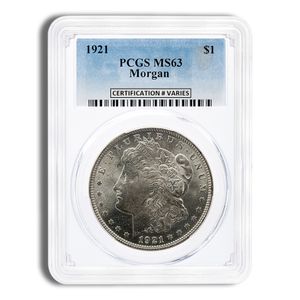
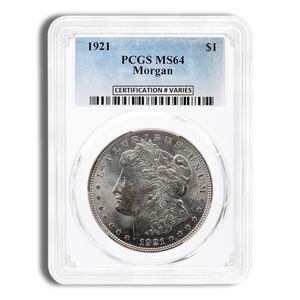
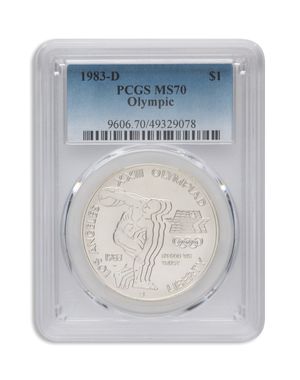
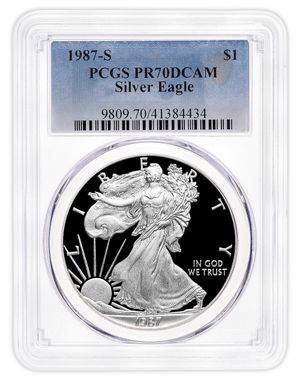
For buyers who want additional assurance beyond standard authentication, third-party grading through PCGS or NGC provides tamper-evident encapsulation and professional certification. While certified slabs are more common in the numismatic market, they are available for bullion coins as well and can improve resale confidence in certain market environments. For most standard bullion purchases, however, sourcing from a reputable dealer with verified supply chains remains the most practical form of authenticity assurance.
Liquidity and Resale Considerations
Silver bullion is among the most broadly traded physical commodities in the world, and the products most closely tied to recognized government programs or established private refineries consistently attract the tightest bid/ask spreads in the secondary market. Products like the 1 oz Silver Maple Leaf, the 1 oz Austrian Philharmonic, and the 1 oz South African Krugerrand are recognized by dealers and institutional buyers globally, which contributes to more consistent resale environments than less familiar formats.
Bar formats from refineries with active market participation, including Valcambi, Johnson Matthey, Engelhard, and Asahi Refining, also benefit from broad dealer acceptance. Assay-sealed bars in original packaging tend to command better buyback pricing than loose or damaged products, particularly in the 10 oz and kilo bar segments where condition and traceability matter more at scale. Random brand and generic products generally trade at narrower premiums over spot, which means both lower acquisition costs and slightly less favorable buyback conditions compared to branded alternatives.
Fractional products offer flexibility when selling smaller quantities but typically carry wider spreads than full-ounce or larger formats. This is a natural reflection of per-unit handling costs on both sides of the transaction. Understanding these dynamics before purchasing helps set realistic expectations about what resale will look like across different product types and market environments.
Storage and Security
Physical silver requires thoughtful storage planning, particularly given its density and weight at larger quantities. A single 1,000 oz silver bar weighs roughly 68 pounds, while even a modest accumulation of 1 oz rounds or coins adds up quickly in terms of both weight and volume. Home safes rated for fire and theft protection are a practical option for moderate holdings, provided the safe is anchored securely and sized appropriately. For larger holdings, third-party vault storage through an insured precious metals depository offers an alternative that keeps physical metal off-site and under professional security.
Bank safe deposit boxes are a cost-effective storage solution for smaller quantities, though they typically lack the insurance coverage and 24/7 accessibility that specialized vaulting services provide. Regardless of where silver is stored, maintaining appropriate insurance coverage is important, as standard homeowner's or renter's insurance policies often exclude or limit coverage for precious metals.
Silver is more reactive than gold and can tarnish when exposed to air, humidity, and certain chemicals. Products stored in their original sealed packaging or airtight containers, such as mint tubes or capsules, are better protected from surface oxidation. Avoid storing silver loose alongside other metals or materials that could cause galvanic reactions or surface damage. For collector-quality coins or assay-sealed bars, maintaining original packaging is also practically important from a resale standpoint, as condition and presentation affect buyback pricing in competitive market environments.
Selling and Buyback Options
Selling physical silver back into the market follows a straightforward process when working with a dealer that operates a structured buyback program. At Bullion Standard, the same two-way market model that governs purchases applies to the selling side of the transaction. Current bid prices are displayed on product pages and updated continuously to reflect live wholesale market conditions, so you can evaluate what a product is worth at the time of sale rather than working from estimated or outdated figures.
Products most likely to attract competitive buyback pricing are those with strong market recognition, intact original packaging, and verifiable specifications. A 1 oz Maple Leaf in mint condition within its original packaging will generally attract a tighter spread than a loose, unbranded round of equivalent purity. Assay-sealed bars from established refineries like Valcambi, Geiger Edelmetalle, or the Royal Canadian Mint benefit from their traceable provenance and standardized specifications, which streamlines the verification process on the buying side and reduces friction when completing a sale.
When you're ready to sell, our purchasing team reviews current market conditions, product type, packaging, and condition to determine the applicable buyback price. The process is designed to be transparent and operationally straightforward, with pricing grounded in live market data rather than fixed or arbitrary schedules. Understanding the bid price relative to your original acquisition cost gives you a clear measure of the actual spread you've experienced over the holding period, which is more useful than tracking the spot price movement alone.
Why Buy Silver Bullion?
Silver occupies a distinctive position in the physical metals market because of its dual role as both a monetary metal and an industrial commodity. Unlike gold, which derives most of its demand from financial and jewelry markets, silver has significant consumption tied to electronics manufacturing, photovoltaic solar cells, medical devices, electric vehicle components, and industrial catalysts. This industrial demand base means silver supply and consumption dynamics are influenced by factors well beyond financial market sentiment alone.
From a practical standpoint, silver's lower price per troy ounce compared to gold makes it accessible across a wider range of buying quantities. A buyer can accumulate meaningful weight in silver at price points that would represent only a fraction of an ounce in gold, which makes silver practical for those building physical holdings incrementally. The format diversity available, from sub-ounce fractionals to thousand-ounce institutional bars, means the entry point and holding size can be calibrated to almost any objective.
The standardization of widely recognized products like the Maple Leaf, Philharmonic, Kangaroo, and Krugerrand also supports relatively straightforward resale in secondary market environments. These coins are recognized by dealers globally and maintain consistent bid pricing across market cycles. For buyers who value the practical aspects of owning physical metal in a form that's easy to buy, hold, and eventually sell, silver bullion in standardized formats offers a broad and well-established market structure to work within.
Why Buy from Bullion Standard?
Bullion Standard has operated as a San Diego-based precious metals dealer since 2010, and our growth from a local operation to a nationally recognized online marketplace has been driven by a consistent focus on pricing transparency and customer trust. We hold an A rating with the Better Business Bureau and maintain active membership in the American Numismatic Association and the National Coin and Bullion Association. These affiliations reflect our commitment to professional standards that extend beyond the transaction itself.
Our sourcing network includes reputable mints, refineries, wholesalers, and authorized distributors, and every product is verified for authenticity, weight, and purity before shipping. Payment options include Visa, Mastercard, American Express, Discover, PayPal, bank-connected payments through Plaid, wire transfer, paper check, and cryptocurrency through BitPay. Shipping is handled with reliable fulfillment standards, and our customer service team is accessible to support both pre-purchase and post-purchase needs.
The structure of our marketplace is designed to function differently from a traditional high-pressure retail environment. Bid and ask pricing is displayed transparently on every product page, and our two-way market model means you can evaluate both the cost to buy and the expected resale value before making a decision. That philosophy, buy and sell through the same platform with consistent and transparent pricing, reflects what we believe a modern precious metals marketplace should look like.
Get Near-Spot Pricing with Bullion Standard Pro
Bullion Standard Pro is designed for buyers who want direct access to live wholesale pricing across the silver bullion market. Rather than applying additional dealer markups or fixed retail pricing structures, Pro members transact at executable wholesale bid and ask prices that reflect real-time supply and demand. Premiums and spreads fluctuate naturally based on underlying market conditions, which means you see how a product actually trades at the wholesale level rather than paying through an opaque retail pricing layer.
The platform also provides access to proprietary market intelligence tools, including historical premium analysis, premium percentile rankings, spread analysis, liquidity metrics, and buy/sell ratio indicators across individual products. These tools help members evaluate silver bullion products using objective data rather than marketing claims, identifying where premiums are historically compressed, where spreads are tightening, and how wholesale market activity is shifting across specific formats or mints.
Portfolio valuation within Bullion Standard Pro uses live executable wholesale bid pricing rather than estimated retail values, giving members a realistic view of current liquidation value at any point. For buyers accumulating silver bullion with a clear-eyed view of both acquisition costs and eventual resale, the combination of near-spot pricing, real-time analytics, and transparent two-sided market structure represents a meaningfully more efficient way to participate in the physical silver market.


 (833) 278-4653